
Hasselblad 907X Mark III: A Modular Update Built for Preservationists and Fine Art Studios
The Hasselblad 907X Mark III has started circulating in rumor coverage as speculation grows around an updated CFV digital back for the brand’s modular medium format system. Unlike a typical camera refresh, this rumored update centers on a single detachable component rather than an entirely new body, a distinction that matters enormously for the specific audience this system already serves. Fine art photographers, archival specialists, and studio operators who already own a 907X body would simply swap in a new back rather than replace their entire setup.
This article walks through everything currently rumored about the Hasselblad 907X Mark III, sometimes discussed as an updated CFV digital back rather than a full camera. We will cover the sensor speculation, how the modular system actually works, why Hasselblad seems to be treating this update differently than its mainstream X2D line, and who this camera realistically serves. By the end, you will understand exactly why this rumor matters so much to a narrow but genuinely important corner of the photography world.
What Is the Hasselblad 907X Mark III and Why It Works Differently
Before diving into the rumors themselves, it helps to understand what makes the 907X system fundamentally different from a typical mirrorless camera.
A Modular System Built Around Interchangeable Backs
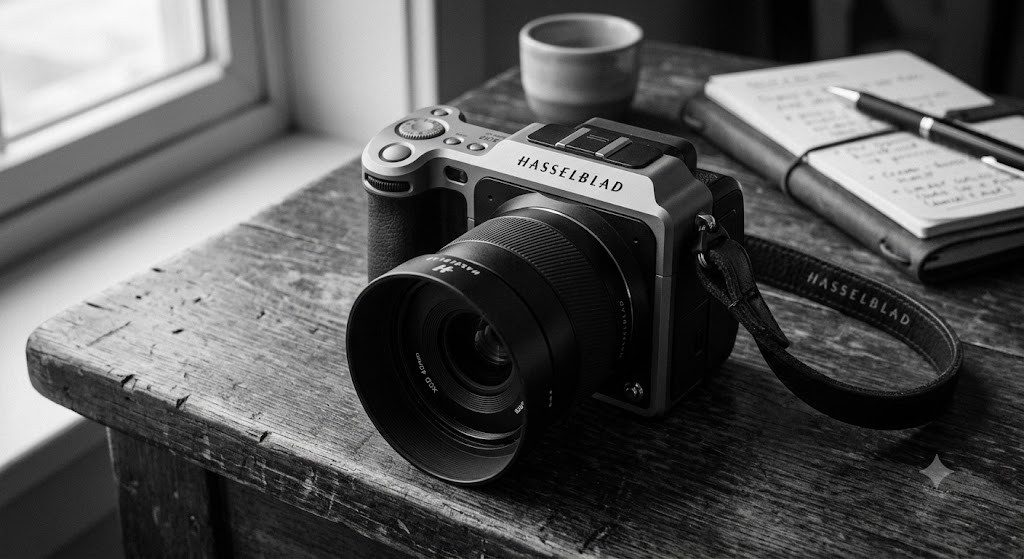
The Hasselblad 907X pairs a compact camera body with a detachable digital back called the CFV, currently the CFV 100C. According to Fstoppers, this combination brings the retro waist-level shooting style of classic film cameras together with a genuinely modern 100-megapixel sensor, creating a slower and more deliberate shooting process. This modularity means Hasselblad can update the sensor and processing hardware inside the CFV back without forcing owners to buy an entirely new camera body.
Rumors Point Toward the Back, Not a New Body
Current speculation from Digital Camera World suggests Hasselblad is more likely to update the CFV back itself rather than release a completely new 907X body. This distinction explains why some coverage refers to this rumor as a Mark III camera while other sources frame it purely as a digital back refresh. Either way, the practical outcome for photographers remains similar: existing 907X body owners could upgrade their capture capability without replacing the camera they already know and use.
Why Hasselblad Would Treat This Update Differently
Hasselblad’s decision to potentially separate this update from its main X2D line reflects a deliberate strategy. The 907X and CFV combination has always served a studio-oriented audience rather than photographers who need autofocus speed or handheld stabilization. Keeping this update focused on sensor and processing improvements, rather than chasing features aimed at faster shooting, aligns with what this specific system has always prioritized.
The Sensor Rumor Behind the Hasselblad 907X Mark III
The most significant detail circulating in current rumors involves a dramatic resolution jump that would separate this update clearly from Hasselblad’s existing lineup.
A Possible Jump to 180 Megapixels
According to The Magazine for Photographers, reports suggest Sony has developed a new 180-megapixel medium format sensor that could eventually appear in future Hasselblad cameras. The current 100-megapixel sensor found in the X2D II and CFV 100C has remained in place for a while now, making an update feel increasingly overdue to photographers who track sensor generations closely across the medium format space.
Why the 907X System Makes Sense for This Sensor First
Multiple rumor sources agree on one key point. A resolution jump this significant is unlikely to appear first in the X2D line, especially given how recently and how successfully the X2D II launched. Digital Camera World notes that with the X2D II only recently released and already performing exceptionally well commercially, interrupting that product cycle with an enhanced version seems unlikely. This leaves the 907X and CFV system as the more probable landing spot for a next generation sensor, since it operates on a more flexible, independent upgrade cycle.
Following Phase One and Canon’s Lead
A jump to 180 megapixels might initially sound extreme, but it fits a broader pattern already emerging across the high-end camera market. Both Canon and Phase One have already pushed into similarly high resolution territory, meaning a Hasselblad move in this direction would represent a logical next step rather than an unusual outlier. For photographers already working with 100-megapixel files, an increase to 180 megapixels would provide meaningful additional detail for the most demanding archival and reproduction work.
What Features an Updated CFV Back Might Include
Beyond raw resolution, rumors point toward several other meaningful upgrades likely to accompany any new sensor inside the 907X system.
Improved Autofocus and Subject Detection
Reports suggest an updated CFV back could incorporate technology already proven inside the X2D II, including increased phase detection autofocus points and refined subject detection algorithms. Digital Camera World specifically mentions that such an update would likely carry over these X2D II improvements directly, giving 907X shooters access to focusing technology that previously only existed in Hasselblad’s more mainstream camera line.
Expanded Dynamic Range
Dynamic range improvements often accompany sensor generation updates, and current speculation follows that same pattern here. An updated back built around either a refined 100-megapixel sensor or the rumored 180-megapixel option would likely deliver meaningfully wider dynamic range than the current CFV 100C, a genuinely valuable improvement for photographers working with challenging studio lighting or high contrast fine art reproduction subjects.
Why LiDAR Technology Likely Will Not Make the Cut
One notable X2D II feature that rumors suggest will not carry over is the camera’s LiDAR-assisted focusing system. According to Digital Camera World, incorporating LiDAR into the 907X system would require physically retooling the camera body itself to add a dedicated sensor window, a significant engineering change that goes beyond a simple digital back update. This detail reinforces the idea that Hasselblad intends to keep the 907X and X2D product lines distinct rather than merging their feature sets completely.
Why This Update Targets Preservationists and Fine Art Studios Specifically
Understanding the intended audience for this rumored update explains many of the design choices rumor sources describe.
A System Already Built for Deliberate, Slow Photography
The 907X and CFV combination has never competed on speed or versatility. Its waist-level shooting style and minimalist control layout actively encourage a slower, more considered approach to composition, according to Fstoppers coverage of the system. This deliberate pace suits fine art photographers and archival specialists particularly well, since both disciplines prioritize careful, methodical image capture over rapid shooting.
Museum and Archival Reproduction Work
Extreme resolution matters enormously for photographers digitizing artwork, historical documents, or museum collections, where every additional pixel improves the long-term usability of an archive. A jump toward 180 megapixels would give preservationists working in this space genuinely more detail to work with, supporting future restoration efforts or large scale reproduction projects that current 100-megapixel files might eventually fall short of handling.
Studio Photographers Who Value Absolute Image Quality
Commercial studio photographers producing large format prints for galleries, advertising campaigns, or luxury retail displays represent another clear audience for this rumored update. These photographers typically work in controlled environments where autofocus speed and stabilization matter far less than raw resolution and color accuracy, making the 907X system’s existing strengths, combined with a potential sensor upgrade, a natural fit for their specific workflow demands.
The Growing Importance of Digital Preservation Standards
Cultural institutions face increasing pressure to future proof their digital archives against evolving display and printing technology. Coverage from Capture Integration, a dealer specializing in high-end medium format systems, regularly highlights how museums and archives lean toward Hasselblad and similar systems specifically because their files hold up over decades of institutional use. A resolution increase to 180 megapixels would extend that future proofing even further, giving preservationists confidence that today’s capture work will still meet tomorrow’s display standards.
Hasselblad’s Broader 2026 Strategy and DJI Connection
This rumored update does not exist in isolation. It connects to wider developments happening across Hasselblad’s parent company and product strategy.
A Banner Year Building Momentum
Hasselblad enjoyed significant success throughout 2025 and into 2026, driven largely by the X2D II 100C. According to Digital Camera World, the camera became a genuine social media favorite and repeatedly topped sales charts in markets like Japan, a rare achievement for a medium format system historically confined to a narrow professional niche. This momentum gives Hasselblad real incentive to keep expanding its lineup while consumer interest remains high.
The DJI Ownership Factor
Hasselblad operates under DJI ownership, and ongoing speculation about DJI’s own camera ambitions adds another layer of context to this rumor. Digital Camera World notes persistent, on-again off-again rumors about DJI eventually releasing its own mirrorless camera, ranging from a medium format option that would directly compete with Hasselblad’s own lineup to a more likely L-Mount mirrorless camera aimed at a different market segment entirely. With DJI drones now facing restrictions in the United States, some industry watchers speculate the company may lean further into photographic hardware, a trend that could indirectly shape how aggressively Hasselblad develops products like this rumored 907X update.
This ownership structure creates an interesting dynamic worth considering. DJI has historically allowed Hasselblad to operate with a meaningful degree of independence, preserving the brand’s premium positioning and dedicated professional audience rather than folding it into a more mainstream consumer strategy. That independence likely benefits a rumor like the 907X Mark III, since it allows Hasselblad to continue serving its niche preservationist and fine art audience without pressure to chase broader commercial trends that might otherwise dilute the system’s specialized appeal.
A Deliberate, Unhurried Development Pace
Unlike full-frame competitors that refresh their lineups annually, Hasselblad has historically moved at a slower, more considered pace across both its X2D and 907X product lines. This approach mirrors the same philosophy found throughout the broader medium format market, where manufacturers like Fujifilm have also prioritized long-term stability over rapid iteration. A 180-megapixel sensor update, if it does arrive, would likely represent years of careful validation rather than a rushed response to competitive pressure.
How the Hasselblad 907X Mark III Would Compare to Rivals
Positioning this rumored update within the broader high resolution medium format landscape helps clarify exactly what Hasselblad would be competing against.
Fujifilm’s Own 180 Megapixel Ambitions
Interestingly, Fujifilm is separately rumored to be developing its own 180-megapixel medium format sensor for a future GFX camera. Since Hasselblad and Fujifilm both build around the same medium format sensor size, it remains genuinely plausible that both companies could eventually draw from similar next generation sensor technology, creating a fascinating parallel rivalry at the very top of the resolution race.
Phase One’s Established Premium Position
Phase One has long occupied the highest resolution tier within photography focused medium format cameras, historically commanding prices well beyond what most working photographers can justify. If Hasselblad successfully brings a 180-megapixel option to the 907X system, it would directly challenge Phase One’s resolution advantage while likely remaining considerably more accessible in price, following the same value positioning that has defined Hasselblad’s recent X2D strategy.
Canon’s Move Into Ultra High Resolution Territory
Canon has also pushed into similarly high resolution territory in recent product cycles, reinforcing the idea that extreme resolution capture has become a genuine competitive battleground rather than a niche curiosity. A Hasselblad response through the 907X system would position the brand alongside this broader industry shift rather than lagging behind it.
Should Current 907X Owners Wait for This Update
This question matters most for photographers actively deciding whether to invest in the current CFV 100C back or hold out for a rumored successor.
The Case for Buying Now
The existing CFV 100C already delivers exceptional 100-megapixel image quality, more than sufficient for the vast majority of fine art and studio work. Photographers with an immediate professional need should not delay a purchase based on unconfirmed rumors, particularly since no official timeline currently exists for any updated back.
The Case for Waiting
Photographers specifically working in archival digitization or extreme large format reproduction, where every additional pixel genuinely matters, have reasonable grounds to wait if their current workflow can tolerate delay. Given how modular the 907X system already is, waiting carries less risk here than it would with a traditional camera purchase, since existing 907X body owners would only need to replace the back itself rather than their entire setup.
A Realistic Workflow With an Upgraded 907X System
Understanding how this rumored update would actually change day to day work helps clarify its real value beyond the raw spec sheet.
Archival Digitization Projects
Museums and cultural institutions digitizing historical documents or fragile artwork typically shoot under controlled studio lighting, using tripods and precise repeatable setups rather than handheld work. This environment plays directly to the 907X system’s existing strengths, since autofocus speed and stabilization matter far less than absolute resolution and color accuracy. A jump to 180 megapixels would let archival teams capture increasingly fine detail, supporting future restoration work or ultra high resolution digital reproductions that may not even be technically necessary today but could become valuable as display and printing technology continues to improve.
Fine Art Reproduction and Gallery Prints
Photographers reproducing paintings or fine art pieces for gallery sale or licensing depend heavily on faithful color reproduction and maximum resolvable detail. The waist-level shooting style of the 907X, often paired with a copy stand or dedicated reproduction rig, already suits this deliberate, tripod-based workflow well. An updated back with expanded dynamic range would give these photographers more flexibility when working with pieces that include both deep shadows and bright highlights within the same composition, a common challenge in fine art reproduction work.
Commercial Studio Photography
Product and advertising photographers working in controlled studio environments represent another realistic audience for this update. These photographers often deliver files destined for large format billboards or high end print campaigns, where additional resolution translates directly into cropping flexibility and print quality at massive scale. The improved autofocus rumored to carry over from the X2D II would also speed up tethered studio workflows, even though speed has traditionally taken a back seat to image quality within this system.
Frequently Asked Questions About the Hasselblad 907X Mark III
Is the Hasselblad 907X Mark III officially confirmed?
No. Hasselblad has not confirmed this update. Every detail in this article comes from rumor coverage and industry speculation rather than an official announcement.
Will the update be a new camera body or just a digital back?
Current rumors suggest the update will most likely take the form of a new CFV digital back rather than an entirely new 907X body, allowing existing owners to upgrade without replacing their entire camera.
What sensor resolution is expected?
Speculation points toward a possible 180-megapixel sensor, though this remains unconfirmed. The current CFV 100C uses a 100-megapixel sensor that has stayed in place for a while now.
Will the updated back include LiDAR autofocus like the X2D II?
Rumors suggest this is unlikely, since adding LiDAR would require physically modifying the 907X body itself rather than simply updating the digital back component.
Who is this update actually designed for?
Based on current speculation, this update targets fine art photographers, archival and preservation specialists, and commercial studio operators who prioritize maximum image quality over speed or portability.
Final Thoughts on the Hasselblad 907X Mark III
The Hasselblad 907X Mark III, whether it ultimately arrives as a distinct camera or simply an updated CFV digital back, represents a genuinely exciting possibility for a narrow but important audience within medium format photography. A potential jump to 180 megapixels, paired with improved autofocus and expanded dynamic range, would meaningfully benefit preservationists, archival specialists, and fine art studio photographers who depend on maximum image quality above nearly every other consideration.
Nothing here is official yet, and Hasselblad has given no confirmed timeline for this update. Given the system’s modular design, though, this kind of rumor carries less uncertainty than a typical new camera announcement, since existing 907X owners would face a relatively simple upgrade path whenever Hasselblad does move forward. The company’s recent momentum, driven by the X2D II’s unexpected commercial success, also suggests Hasselblad has both the resources and the market appetite to continue investing in its medium format lineup rather than letting the 907X system stagnate. We will continue tracking every update on this story as new details emerge throughout 2026.
Read More from Altbuzz
For more medium format coverage, check our Hasselblad X2D II 100C review, our Fujifilm GFX 180 rumor breakdown, and our Hasselblad 907X versus X2D comparison for deeper context on this growing category.
Follow every Hasselblad 907X Mark III leak and medium format update at altbuzzmedia.com. For dedicated Hasselblad rumor tracking, follow Digital Camera World at digitalcameraworld.com.
Subscribe to Altbuzz YouTube Channel
Full hands-on impressions of the current Hasselblad 907X and CFV 100C, side-by-side comparisons against the X2D II, and ongoing coverage of this rumored digital back update are live on the Altbuzz YouTube channel @AltBuzzMedia. Subscribe now for weekly camera rumor breakdowns and medium format coverage through the rest of 2026.