
The Canon Retro RF Camera is one of 2026’s most anticipated unreleased cameras. Canon has not officially announced this camera yet. Rumors suggest it will arrive in April 2026. This camera targets street photographers, enthusiasts, and film-curious creators. The design will honor the legendary Canon AE-1. However, all information remains speculative until Canon makes an official announcement.
Photography communities are buzzing with excitement about this rumored release. Canon’s RF mount needs a retro-styled option. Competitors like Nikon and Fujifilm have proven strong demand exists. The Nikon Zf became a bestseller in 2023. Fujifilm’s X-series cameras attract film photographers. Canon executives have acknowledged the retro market opportunity. Multiple patent filings hint at vintage-inspired designs. Leakers with strong track records have shared specifications. Nevertheless, nothing is confirmed until Canon speaks officially.
Canon Retro RF Camera: Rumor Status and Expected Announcement
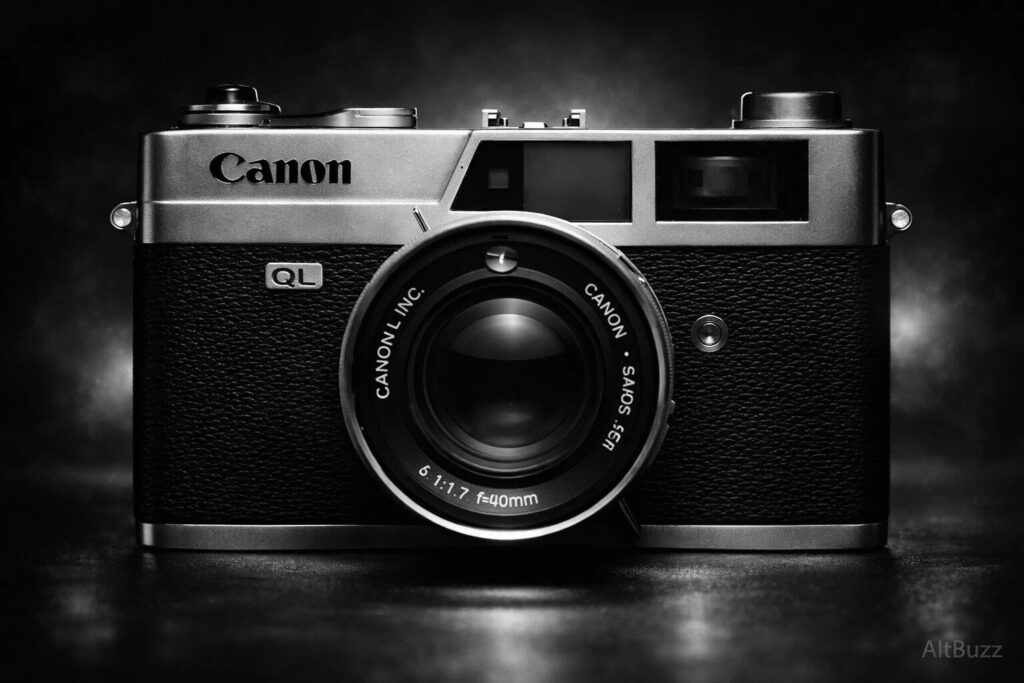
Multiple rumor sites report strong leaks about this camera. Canon executives have publicly discussed retro camera development. This adds credibility to the rumors. April 2026 marks the 50th anniversary of the Canon AE-1. Industry insiders believe Canon will announce the Canon Retro RF Camera during this milestone. The timing makes strategic sense. Fujifilm and Nikon have proven the retro camera market is profitable. Canon appears ready to enter this segment. Nevertheless, Canon has not confirmed any official announcement date.
Canon Rumors rates this camera as “CR2” on their credibility scale. This means good sources have provided information. The rumor originated from Japanese photography forums. Later, European retailers mentioned placeholder listings. Some camera stores have reported supplier briefings. These briefings allegedly included teaser images. Patent filings from 2024 show retro-styled RF cameras. Canon filed multiple design patents featuring vintage aesthetics.
The April 2026 timing makes perfect sense strategically. Canon loves milestone anniversaries for product launches. The AE-1 revolutionized photography in 1976. That camera brought affordable SLR technology to masses. Canon would honor this legacy with modern technology. The CP+ camera show in Japan typically happens in February. However, special announcements can occur anytime. Canon might hold a dedicated online event. Alternatively, they could announce during NAB Show in April.
Market conditions favor this release strongly. Retro cameras generate significant buzz on social media. Younger photographers appreciate vintage aesthetics. Content creators want cameras that look good on camera. The Nikon Zf sold better than expected. Fujifilm’s X100VI demand exceeded supply dramatically. Canon executives would be foolish to ignore this trend. Their RF mount ecosystem needs product diversity. Currently, Canon offers mostly professional-focused RF bodies.
Expected Specifications Table for Canon Retro RF Camera (Rumored)
| Feature | Expected Details |
|---|---|
| Sensor Type | Full-frame CMOS |
| Resolution | 32.5MP (rumored same as R6 Mark III) |
| Processor | Entry-level DIGIC X |
| ISO Range | 100-102400 (estimated) |
| Autofocus System | Dual Pixel CMOS AF II |
| Stabilization | 5-axis IBIS (rumored) |
| Video Recording | 4K/30p uncropped, minimal video focus |
| EVF | 3.69M-dot OLED (estimated) |
| LCD Screen | 3.0-inch vari-angle touchscreen (estimated) |
| Burst Shooting | 12fps mechanical, 20fps electronic (estimated) |
| Battery | LP-E6NH (expected) |
| Storage | Dual SD card slots (UHS-II) |
| Connectivity | Wi-Fi, Bluetooth, USB-C |
| Weight | 680g body only (estimated) |
| Expected Price | $1,999 USD (rumored) |
All specifications are based on rumors and unconfirmed leaks
Expected Sensor and Image Quality for Canon Retro RF Camera
Rumors point to a 32.5MP full-frame sensor. This is reportedly the same sensor found in the Canon EOS R6 Mark III. The sensor should deliver excellent image quality. Dynamic range will likely match current Canon standards. Low-light performance should be strong. Canon’s color science will remain consistent. The camera won’t compromise on imaging capabilities. Furthermore, the full-frame sensor differentiates it from competitors. Image quality should satisfy professional and enthusiast needs.
The 32.5MP resolution hits the sweet spot for most photographers. This pixel count balances resolution and file size perfectly. Files remain manageable for editing and storage. Print quality will be excellent up to large sizes. Crop flexibility allows creative reframing without quality loss. The sensor likely features BSI (Back-Side Illumination) technology. This improves light-gathering efficiency significantly.
Canon’s DIGIC X processor should handle the sensor data efficiently. Noise reduction algorithms have improved with each generation. High ISO images will show minimal grain. The usable ISO range should extend to 51,200 comfortably. Dynamic range will likely reach 14-15 stops. Shadow recovery capabilities will impress landscape photographers. Highlight retention helps with challenging lighting conditions.
Color science remains Canon’s strength across all cameras. Skin tones will look natural without heavy editing. Blue skies render pleasingly saturated. Green foliage shows good separation and detail. JPEGs straight from camera should look excellent. This matters for photographers who avoid extensive post-processing. RAW files will provide substantial editing latitude.
The full-frame sensor provides several practical advantages. Depth of field control surpasses APS-C alternatives. Low-light performance exceeds crop sensor cameras. Lens selection in RF mount continues expanding. Third-party manufacturers now produce RF lenses. Vintage FD lenses adapt beautifully with adapters. The creative possibilities multiply with full-frame imaging.
Canon Retro RF Camera: Autofocus Expectations
The Canon Retro RF Camera will likely feature Dual Pixel CMOS AF II. Subject detection for people and animals is expected. Eye detection should work reliably. However, tracking may not match flagship models. Video autofocus might be simplified. Canon will prioritize photo performance. The AF system should handle street and documentary photography well. Additionally, the tactile controls will complement the AF system.
Dual Pixel CMOS AF II represents Canon’s proven technology. Phase detection points cover approximately 100% of the frame. This provides excellent compositional freedom. Photographers can place subjects anywhere in the frame. Tracking should work smoothly across the sensor area. The system recognizes and tracks multiple subject types.
Human subject detection will be highly reliable. The camera should detect faces even when partially obscured. Eye detection will lock onto eyes instantly. This feature proves invaluable for portrait work. Both left and right eye selection should be available. Animal detection will recognize dogs, cats, and birds. Wildlife photographers will appreciate bird eye detection specifically.
Focus speed will depend on lens choice. Native RF lenses should focus almost instantaneously. Adapted lenses might focus more slowly. The Canon Retro RF Camera may limit AF points with adapters. Low-light autofocus sensitivity will likely reach -5 EV. This allows focusing in near darkness. Moonlit landscapes become achievable without manual focus.
However, some limitations seem probable compared to flagships. The AF system may use fewer processing resources. Subject tracking might lose subjects more easily. Fast erratic movement could challenge the system. Sports photographers should consider higher-end bodies. The simplified interface will prioritize essential controls. Manual focus override should remain instantaneous. Focus peaking will help with manual focus lenses.
Touch tracking via the rear LCD makes sense. Tap the screen to select your subject. The camera will maintain focus as it moves. This intuitive method suits modern workflows. Face-priority and zone focusing modes will be available. Photographers can customize AF behavior extensively. Button customization will allow quick AF area changes.
Expected Video Capabilities for Canon Retro RF Camera
Video features will be modest by design. Uncropped 4K at 30fps is rumored. Higher frame rates may be limited. Canon will avoid competing with hybrid cameras. Log profiles might be excluded. Stabilization will likely be basic. This camera targets photographers first. Audio features will be standard. Moreover, the photography-first approach keeps costs down.
The uncropped 4K video provides decent quality for casual use. Full-width sensor readout prevents crop-factor frustration. Image quality in 4K should be clean and detailed. Full HD recording at 60fps or 120fps might be available. This allows some slow-motion creativity. However, serious videographers need more advanced options.
IBIS (In-Body Image Stabilization) will help handheld video. Expect around 5 stops of stabilization. This smooths out walking and panning movements. Electronic stabilization might add extra smoothing. However, aggressive electronic stabilization crops the image. Gimbal users won’t need heavy stabilization anyway.
Audio recording will include built-in stereo microphones. A 3.5mm external microphone input should be present. Headphone monitoring might be omitted to save costs. Wind noise reduction will be available. Audio levels should be adjustable in-camera. Automatic level control helps beginners.
Canon may omit professional video features intentionally. C-Log profiles probably won’t be included. These profiles require color grading knowledge. All-I codec options might be absent. The camera will use efficient IPB compression. This creates smaller file sizes for casual users. Serious filmmakers have better Canon options available.
Video autofocus will perform adequately for simple scenes. Dual Pixel AF should track subjects smoothly. Face and eye detection will work during recording. However, busy scenes might challenge the system. Manual focus remains an option for precise control. Focus peaking assists manual focusing during video.
Recording time limits might exist due to overheating. Continuous 4K recording may stop after 30 minutes. This complies with EU tax regulations. Overheating management could limit extended recording. The compact body may lack extensive cooling. Users planning long takes should plan accordingly.
The Canon Retro RF Camera won’t replace dedicated video cameras. It serves photographers who occasionally shoot video. Family events, travel clips, and social content work perfectly. YouTube vloggers wanting retro aesthetics will love it. Professional video production requires more capable bodies.
Design and Build Expectations for Canon Retro RF Camera
The design will pay homage to the Canon AE-1. Expect tactile dials and classic styling. The body should feel compact and lightweight. Weather sealing remains uncertain. Button layout will blend vintage aesthetics with modern needs. Ergonomics should satisfy both old and new users. Metal construction is likely. The grip will be comfortable for extended use. Besides this, Canon may release matching retro-styled RF lenses.
Physical controls will emphasize the retro philosophy. Dedicated shutter speed and ISO dials seem certain. These dials will sit atop the camera body. Aperture control will happen via lens or command dial. Exposure compensation will get its own dedicated dial. This tactile approach appeals to traditional photographers. Settings become visible at a glance without powering on.
The body construction will likely use magnesium alloy. This material provides strength without excessive weight. The camera should weigh around 680 grams body only. This makes it comfortable for all-day shooting. The size will be compact compared to professional bodies. It should fit comfortably in medium-sized camera bags.
Weather sealing status remains the biggest unknown factor. The AE-1 lacked weather sealing entirely. Modern photographers expect environmental protection. Canon might add basic moisture and dust resistance. However, extensive weather sealing could compromise the design. The retro aesthetic might prevent comprehensive sealing. Photographers in harsh conditions should consider alternatives.
The grip design will balance style and functionality. Modern ergonomics must coexist with vintage appearance. A small but functional front grip seems likely. The right-hand grip should support comfortable one-handed holding. The thumb rest area will provide stability. This allows confident camera handling without a bulky grip.
Button layout will thoughtfully combine old and new. Traditional film camera simplicity meets digital needs. The mode dial might feature classic modes like P, A, S, M. Modern additions like custom modes could be included. Video recording will probably get a dedicated button. AF-ON button for back-button focus enthusiasts makes sense.
The viewfinder will be electronic, not optical. An OLED EVF with approximately 3.69 million dots is expected. This provides a bright, clear viewing experience. The EVF will show exposure preview in real-time. Focus peaking and zebras will assist manual focusing. Customizable display overlays help composition. The eye sensor will switch between EVF and LCD automatically.
The rear LCD screen will likely be a touchscreen. A vari-angle or tilting design would be practical. The AE-1 lacked this obviously, but modern users expect it. A 3.0-inch screen seems standard. Touchscreen AF point selection speeds up workflows. Menu navigation via touch makes sense for modern users.
Color options might include multiple finishes. Classic black seems certain as the primary option. Silver chrome mimicking the original AE-1 would be popular. Limited edition colors could appear later. Some rumors mention brown leather accent options. These cosmetic choices enhance the retro appeal.
Canon will likely offer matching accessories simultaneously. Retro-styled RF lenses would complement the body perfectly. A compact 40mm f/2.8 pancake seems probable. Perhaps a 24-70mm with vintage styling will launch. Third-party manufacturers will quickly release compatible products. Leather straps, cases, and grips will flood the market.
Expected Battery and Connectivity for Canon Retro RF Camera
Canon will likely use the LP-E6NH battery. This battery powers multiple RF cameras. Battery life should be solid. USB-C charging is expected. Wi-Fi and Bluetooth connectivity will be standard. Image transfer to smartphones should be seamless. Remote shooting capabilities will be included. In addition, the connectivity features match modern expectations.
The LP-E6NH battery has proven reliability across Canon’s lineup. CIPA ratings will probably show 300-400 shots per charge. Real-world usage typically exceeds CIPA estimates. EVF usage drains batteries faster than LCD shooting. Power-saving modes will extend battery life. The camera will likely accept older LP-E6 variants. This provides flexibility for existing Canon users.
USB-C charging represents a crucial modern convenience. In-camera charging eliminates dedicated charger needs. Power banks can recharge batteries during travel. USB-PD (Power Delivery) fast charging might be supported. This speeds up charging times significantly. Some photographers prefer external chargers for spare batteries. The camera will accommodate both charging methods.
Wireless connectivity will include both Wi-Fi and Bluetooth. Wi-Fi enables quick image transfer to smartphones. Canon’s Camera Connect app will handle transfers smoothly. RAW files transfer more slowly than JPEGs. Bluetooth maintains a constant low-power connection. This allows automatic location tagging via smartphone GPS.
Remote shooting capabilities through smartphones add versatility. The Camera Connect app displays live view on your phone. Exposure settings adjust remotely from the app. This proves useful for self-portraits and group photos. Wildlife photographers can trigger the camera from a distance. Time-lapse setup becomes easier with remote control.
Canon might include automatic cloud backup features. Images automatically upload to Canon’s cloud storage. This provides instant backup security. However, cloud storage typically requires subscription fees. Users can disable this feature if unwanted.
NFC (Near Field Communication) might be included for quick pairing. Tap your compatible smartphone to the camera body. The devices pair automatically without menu navigation. This simplifies initial setup considerably. However, NFC adoption has declined in recent cameras.
Wired connectivity will include a USB-C data port. This allows tethered shooting for studio work. Data transfer to computers happens quickly via USB 3.2. The camera can charge while connected to computers. HDMI output for external monitors should be included. This helps video recording monitoring and client presentations.
Who This Canon Retro RF Camera Is Likely For
Photography Use Cases
- Street photography with discreet design
- Travel photography with lightweight setup
- Documentary work requiring reliability
- Film photographers transitioning to digital
- Enthusiasts wanting tactile controls
Video Use Cases
- Basic video needs only
- Casual vlogging without advanced features
- Not recommended for professional video work
Market Positioning
The camera fills a gap in Canon’s lineup. It sits below the R6 Mark III in price. The target audience values aesthetics and simplicity. This camera won’t replace flagship models. Instead, it attracts a different buyer segment.
Potential Strengths and Concerns for Canon Retro RF Camera
Potential Strengths
- Proven sensor technology with 32.5MP resolution
- Competitive pricing at rumored $1,999
- Strong brand heritage honoring the AE-1
- RF mount ecosystem with excellent lens options
- Photography-focused design without compromises
- Potential matching lenses to complete the aesthetic
Possible Concerns
- Limited video features may disappoint hybrid shooters
- Entry-level processor could limit performance
- No confirmed weather sealing for outdoor use
- Release timing remains unconfirmed
- Price overlap with EOS R8 might confuse buyers
- Unknown AF tracking performance in challenging conditions
Final Verdict
The Canon Retro RF Camera could become a significant 2026 release. April 2026 seems likely for an announcement. Canon executives have hinted at this project. The rumored specifications sound promising. However, everything remains speculation until official confirmation. Photographers wanting a retro full-frame camera should watch for April announcements. Those needing strong video capabilities should consider other options. The camera will appeal to a specific audience. Competitors like the Nikon Zf have proven demand exists. Canon’s entry could reshape the retro camera market.
Who should wait for it: Street photographers, film enthusiasts, collectors, and anyone wanting Canon’s take on retro design.
Who should consider alternatives: Hybrid video shooters, sports photographers, and those needing flagship autofocus performance.
Read More from AltBuzz
Read more from Altbuzz for camera rumors, previews, and expert insights. AltBuzz delivers trusted and easy-to-understand photography content. Stay informed about the latest camera releases. Get reliable information on gear comparisons and buying guides.
Subscribe AltBuzz YouTube Channel
Stay updated with camera rumors and comparisons. AltBuzz shares camera news regularly. Subscribe here: 👉 Subscribe Altbuzz
Disclaimer: This article contains rumored and speculative information about an unreleased camera. All specifications, features, and release dates are based on industry rumors and have not been confirmed by Canon. Information is accurate as of February 14, 2026.