
Fujifilm X-H3 Rumor Roundup: Specs, Leaks & Expectations
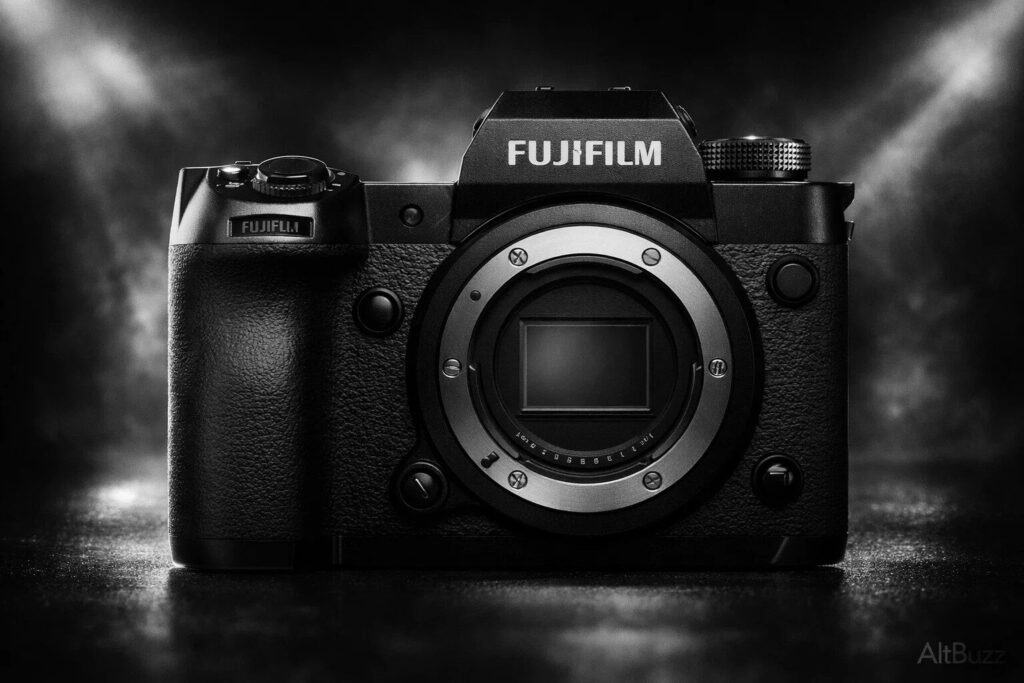
The Fujifilm X-H3 represents one of photography’s most anticipated flagship announcements for 2026. This rumored camera hasn’t received official confirmation from Fujifilm yet. Industry speculation continues building around specifications and capabilities. The camera targets hybrid shooters demanding excellence in both high-resolution stills and professional video recording. Additionally, sports and wildlife photographers eagerly await significant autofocus and burst performance improvements.
Fujifilm’s X-H line serves as the performance-focused flagship within the X-series ecosystem. The current X-H2S emphasizes speed while the X-H2 prioritizes resolution. Rumors suggest the X-H3 will merge these capabilities into a single unified platform. The company typically launches major updates every 2-3 years. This timeline supports realistic expectations for a 2026 announcement. Moreover, Fujifilm’s continued APS-C commitment ensures ongoing flagship development.
Rumor Status and Expected Announcement
Current Development Status and Credibility
Fujifilm officially confirmed the 6th-generation X-series platform will not debut in 2025. This statement came directly from company executives during industry briefings. Development work continues behind closed doors without public updates. The company maintains strict information control compared to previous launch cycles.
Industry insiders with reliable track records expect announcements in early to mid-2026. The X-H3 will likely debut alongside companion models including X-T6 and possibly X-Pro4. However, Fujifilm hasn’t issued any official development announcement yet. This differs from past practices where development announcements preceded actual launches by months.
Rumor credibility sits at moderate to high based on multiple factors. Fujifilm’s historical refresh patterns strongly support 2026 timing. The X-H2 and X-H2S launched in 2022, making four years a reasonable update cycle. Additionally, sensor development timelines align with expected announcement windows. Component supply chains show increased activity around Fujifilm specifications.
Competing manufacturers continue releasing flagship updates throughout 2025-2026. Fujifilm faces competitive pressure to maintain technological parity. The company’s public statements emphasize continued APS-C investment and development. Furthermore, patent filings reveal ongoing research into stacked sensor architecture and AI processing.
Expected Announcement Window and Launch Timeline
Spring 2026 (March-May) appears most probable for initial public announcements. The CP+ Camera & Photo Imaging Show in Yokohama traditionally serves as Fujifilm’s launch platform. February 2026’s CP+ represents a key date to watch closely. However, Fujifilm might choose alternative timing for maximum market impact.
Production model availability typically follows announcements by 2-4 months. Summer 2026 (June-August) represents realistic shipping expectations for early adopters. Pre-order windows usually open immediately following official announcements. Additionally, initial allocation might be limited based on component availability.
Supply chain considerations could significantly affect actual product availability. Global semiconductor supply remains somewhat constrained for advanced nodes. Camera sensor production competes with smartphone and automotive demand. Fujifilm must secure adequate component inventory before launch commitment. Moreover, the company learned lessons from previous launch supply issues.
Market Positioning Strategy and Competition
The X-H3 positions directly against Sony A7 IV, Canon R6 Mark III, and Nikon Z6 III. Fujifilm competes on image quality, handling, and price-to-performance ratio. The camera targets serious enthusiasts transitioning to professional work. Budget-conscious professionals represent another key demographic.
Hybrid creators shooting both stills and video form the primary target audience. Documentary filmmakers needing reliable 4K and emerging 8K capability will be interested. Corporate video producers wanting professional features at accessible pricing should consider it. Additionally, content creators building YouTube and social media businesses need this capability.
The APS-C sensor format remains Fujifilm’s strategic differentiator from full-frame competitors. Smaller sensor size enables more compact lenses and bodies. The crop factor provides effective focal length multiplication for wildlife work. Cost advantages versus full-frame manufacturing help maintain competitive pricing. Furthermore, Fujifilm’s established X-mount lens ecosystem supports the platform.
Competitive Landscape Analysis
Canon recently announced the R6 Mark III with significant autofocus improvements. Sony continues dominating autofocus performance and video specifications. Nikon’s Z6 III brought competitive video features to the enthusiast segment. Fujifilm must match or exceed these capabilities to remain relevant.
The X-H3 needs substantial improvements over current X-H2/X-H2S models. Incremental updates won’t satisfy customer expectations or competitive requirements. Revolutionary autofocus represents the most critical improvement area. Video specifications must reach or exceed industry standards. Moreover, overall performance must justify new purchase decisions.
Expected Specifications Table (Rumored)
| Feature | Expected Details |
|---|---|
| Sensor Type | Stacked X-Trans CMOS 5 HR (5th generation) |
| Resolution | 45-46 megapixels |
| Processor | X-Processor 6 (next-gen) |
| ISO Range | ISO 160-51200 (native), expandable to 102400 |
| Autofocus System | AI-powered subject detection with 1,053+ points |
| Stabilization | 8-stop 6-axis IBIS |
| Video Recording | 8K/60p 4:2:2 10-bit internal |
| EVF | 9.44 million dot OLED with 240fps refresh |
| LCD Screen | 3.2-inch fully articulating touchscreen, 2.36M dots |
| Burst Shooting | 20 fps mechanical, 40 fps electronic (blackout-free) |
| Battery | NP-W235 with extended capacity (600+ shots) |
| Storage | Dual CFexpress Type B + SD UHS-II |
| Connectivity | Wi-Fi 6E, Bluetooth 5.3, USB-C 3.2 Gen 2 |
| Weight | Approximately 660g (body only) |
| Expected Price | $2,499-$2,799 USD |
Fujifilm X-H3 Expected Sensor and Image Quality
Fujifilm X-H3 5th Generation X-Trans Stacked Sensor Technology
The rumored stacked X-Trans CMOS 5 HR sensor represents Fujifilm’s most significant technological advancement. Stacked sensor architecture places memory and processing circuits beneath the photodiode layer. This design enables dramatically faster data readout speeds compared to conventional BSI sensors. Consequently, electronic shutter performance becomes truly professional-grade without compromising image quality.
Current X-H2S models use stacked sensors prioritizing speed over resolution. The X-H2 employs high-resolution conventional sensors sacrificing burst performance. The X-H3 rumors suggest combining both advantages through next-generation sensor technology. This unified approach would eliminate the need for separate speed and resolution models.
The sensor’s expected 45-46 megapixel resolution balances detail capture with low-light capability. This represents a moderate increase from the current 40MP X-Trans sensor. The additional pixels provide cropping flexibility without excessive file sizes. Pixel density remains reasonable for maintaining excellent noise performance. Additionally, the resolution suits both professional print output and 8K video extraction.
Advanced Sensor Technologies and Features
Dual Conversion Gain (DCG) or Dual Gain Output (DGO) technology might debut in this sensor. These technologies provide two gain circuits per pixel for optimized dynamic range. Low ISO benefits from low-gain circuit minimizing read noise. High ISO uses high-gain circuit reducing conversion noise. The technology delivers cleaner shadows and better highlight retention simultaneously.
Phase-detect autofocus coverage should expand significantly across the sensor area. Rumors suggest 1,053 or more individual AF points distributed across the frame. Current X-H2S models already provide excellent coverage but next-gen improvements seem likely. The on-chip phase-detect implementation eliminates external AF modules and mirrors. Furthermore, AI processing enables sophisticated subject recognition directly on the sensor.
Backside illumination (BSI) technology continues in the new sensor design. BSI places wiring beneath photosites rather than above them. This maximizes light-gathering efficiency per pixel. The combination of BSI and stacked architecture provides optimal performance characteristics. Moreover, the design enables smaller pixel sizes without light-gathering penalties.
Predicted Image Quality Performance
Dynamic range expectations reach 14+ stops at base ISO with the new sensor. This matches or exceeds full-frame competitors despite smaller APS-C format. Shadow recovery should allow pushing exposure 4-5 stops without serious degradation. Highlight protection will likely improve through better sensor technology and processing.
Fujifilm’s legendary color science continues evolving with each generation. The X-Trans color filter array remains distinctive from conventional Bayer patterns. This unique design produces superior color accuracy and reduced moiré. Film simulation modes receive ongoing refinement based on photographer feedback. Additionally, computational photography features might introduce new creative possibilities.
Low-light performance should maintain Fujifilm’s competitive position despite higher resolution. Current 40MP sensors remain usable through ISO 6400 with good technique. The 45MP sensor will likely perform similarly with improved processing algorithms. Noise characteristics maintain Fujifilm’s organic grain structure rather than smeared waxy appearance. Usable ISO extends comfortably to ISO 12,800 for most applications.
The sensor’s faster readout directly improves image quality in several ways. Rolling shutter artifacts become negligible even with fast-moving subjects. Flash synchronization works at higher shutter speeds throughout the range. Electronic shutter maintains image quality matching mechanical shutter performance. Furthermore, reduced readout time enables higher burst rates without quality compromise.
Color Science Evolution and Film Simulations
Fujifilm built its digital camera reputation on authentic film simulation modes. Classic modes like Provia, Velvia, Astia, Classic Chrome, and Eterna continue evolving. The X-H3 will likely introduce new simulations based on classic film stocks. Rumors suggest possibilities including refined Reala or entirely new creative profiles.
The AI-powered processor enables more sophisticated color grading capabilities. Real-time color adjustments might become more nuanced and accurate. Skin tone rendering receives particular attention in Fujifilm’s development process. The company understands color accuracy matters critically for professional applications. Moreover, videographers appreciate consistent color across different lighting conditions.
Custom color profiles and LUT import functionality may expand significantly. Professional colorists want precise control over image rendering. The camera might support importing custom film simulations or color transformations. This flexibility would help match production requirements across different camera systems. Additionally, on-set monitoring with applied LUTs assists directors and cinematographers.
RAW File Processing and Workflow
The higher resolution sensor produces larger RAW files requiring more storage. Expect files ranging from 80-100MB per compressed RAW image. Uncompressed RAW files could exceed 120MB each. This impacts storage requirements, transfer speeds, and processing power needs. However, improved compression algorithms might mitigate file size growth.
Fujifilm’s unique RAF file format requires proprietary demosaicing for X-Trans sensors. Adobe and Capture One support has improved but native processing remains optimal. Fujifilm’s own software provides best color accuracy and detail rendering. Third-party RAW converters continue improving X-Trans support. Furthermore, the processing power requirement increases with higher resolution files.
Autofocus System Expectations and Performance
Fujifilm X-H3 Next-Generation AI-Powered Subject Detection
The X-H3’s autofocus represents Fujifilm’s most critical improvement area. Current X-H2S autofocus performs well but trails Sony and Canon flagships. The next generation must close this competitive gap significantly. AI-powered subject detection forms the foundation of modern autofocus systems.
Deep learning algorithms identify and track humans, animals, vehicles, and other subjects. The system learns typical subject movement patterns and behavior. Predictive tracking anticipates subject motion rather than simply reacting. This proactive approach maintains focus on erratically moving subjects. Moreover, the AI processing happens in real-time without affecting shooting responsiveness.
Human subject detection should recognize faces and eyes at significant distances. The system will likely differentiate between adults and children automatically. Multi-person tracking might prioritize subjects based on composition and context. Athletes, performers, and event subjects benefit from improved recognition. Additionally, the system should maintain tracking through partial occlusion and motion blur.
Animal detection expands beyond generic “animal” recognition to specific categories. Birds represent particularly challenging subjects due to size and speed. The autofocus must detect and track small birds against complex backgrounds. Mammals including cats, dogs, and wildlife receive specialized tracking algorithms. Furthermore, the system might include aquatic animals and reptiles in its recognition database.
Vehicle detection assists sports and motorsports photography significantly. Cars, motorcycles, bicycles, and trains all require different tracking strategies. The system should track vehicles approaching directly or moving laterally. Racing photography demands maintaining focus through dramatic perspective changes. Moreover, the autofocus must differentiate the target vehicle from others in the frame.
Phase-Detect Coverage and Distribution
Phase-detect autofocus points will likely cover 95-100% of the sensor area. Current X-H2S already provides excellent coverage but expansion seems probable. Edge-to-edge AF points enable off-center composition without focus-recompose. The increased coverage benefits wildlife and sports photography particularly.
The 1,053+ AF point count represents significant expansion from current models. However, effective point distribution matters more than raw numbers. Fujifilm typically clusters points where subjects naturally appear in compositions. The system should provide fine granularity for precise focus placement. Additionally, customizable AF area patterns suit different shooting scenarios.
Cross-type phase-detect sensors improve accuracy on both vertical and horizontal details. The sensor might incorporate cross-type detection across the entire AF array. This enhancement helps with challenging subjects lacking strong directional contrast. Low-contrast subjects benefit dramatically from cross-type detection capabilities. Furthermore, the system should maintain accuracy in lower light conditions.
Tracking Algorithms and Stick-Rate Performance
Focus tracking “stick-rate” measures how reliably the AF maintains lock on moving subjects. Current Fujifilm cameras sometimes lose subjects during erratic movement or occlusion. The X-H3 must demonstrate dramatic improvement in this critical metric. Competitive cameras maintain focus through 90-95% of burst sequences.
The tracking algorithm should recover quickly when subjects disappear briefly behind obstacles. Dancers, athletes, and wildlife regularly move behind foreground objects. The system must predict subject reappearance location and timing. This predictive capability separates good tracking from exceptional performance. Moreover, the autofocus should distinguish between intentional subject changes and temporary occlusion.
Tracking through dramatic perspective changes challenges many AF systems. Subjects moving directly toward or away from the camera confuse some algorithms. The X-H3 should maintain focus as subjects approach from distance to close range. Size changes, motion blur, and exposure variations all test tracking capability. Additionally, the system must track subjects moving at varying speeds smoothly.
Low-Light Autofocus Capabilities
Low-light AF sensitivity determines usability in challenging conditions. Current X-H2S focuses down to -7 EV in specific modes. The X-H3 might extend this to -8 EV or beyond. Concert photography, event coverage, and night wildlife work require excellent low-light AF.
The autofocus system should maintain full subject detection capability in dim conditions. Some cameras abandon AI recognition in low light, reverting to basic AF. Maintaining subject tracking in darkness provides significant competitive advantage. The AF-assist beam should remain discrete to avoid disturbing subjects. Furthermore, the system should focus reliably using only ambient light when possible.
Autofocus Customization and Control
Professional photographers demand extensive AF customization options. Custom AF settings saved to memory banks enable quick workflow adaptation. Different sports or subjects require different AF parameters and behaviors. The camera should remember entire AF configurations for instant recall.
AF-C priority settings balance focus accuracy versus shutter responsiveness. Some situations demand releasing shutter only when perfectly focused. Others require continuous shooting regardless of focus state. Customizable priority settings provide flexibility for different shooting demands. Moreover, the camera should allow different priorities for mechanical and electronic shutters.
Focus limiter settings help AF ignore distracting foreground or background elements. Sports photographers often limit focus to specific distance ranges. This prevents autofocus from latching onto spectators or field markings. Wildlife photographers use limiters to ignore nearby vegetation. Additionally, custom focus zones help direct AF attention to specific areas.
Fujifilm X-H3 Burst Shooting and Buffer Performance
Electronic Shutter Capabilities
The stacked sensor enables true blackout-free electronic shutter shooting. Current technology typically reaches 20-30 fps with some viewfinder lag. The X-H3 should achieve 40 fps continuous shooting without blackout. This provides uninterrupted composition during critical moments.
Rolling shutter distortion becomes negligible with the faster sensor readout. Fast-moving subjects won’t show the “jello effect” that plagues slower sensors. Golf swings, tennis serves, and similar rapid movements will render naturally. The electronic shutter becomes usable for all situations, not just static subjects. Moreover, silent shooting enables discrete photography in sensitive environments.
Mechanical Shutter Performance
Mechanical shutter speeds should reach 20 fps with full AF and AE tracking. This represents significant improvement over current 15 fps maximum speeds. The faster mechanical shutter provides backup when electronic introduces artifacts. Flash synchronization requires mechanical shutter for proper operation.
Shutter durability ratings typically reach 300,000-500,000 actuations for flagship cameras. Fujifilm will likely guarantee 400,000+ actuations for the X-H3. Professional photographers depend on reliable shutter mechanisms. The mechanical components receive extensive testing and quality control. Additionally, shutter sound tuning creates a satisfying, confidence-inspiring report.
Buffer Depth and Clearing Times
Buffer capacity determines how many frames shoot before the camera slows. Current X-H2S buffers approximately 170 RAW frames at maximum speed. The X-H3 should match or exceed this capacity despite larger file sizes. Improved processor speeds help manage the increased data throughput.
Buffer clearing time affects real-world shooting workflow significantly. Waiting for buffers to empty interrupts critical shooting moments. The X-H3 must clear buffers quickly between burst sequences. CFexpress cards provide fastest write speeds for professional needs. Moreover, dual card writing might be available without significant speed penalty.
Pre-Burst and Post-Capture Features
Pre-burst capture mode might debut with the X-H3. This feature continuously buffers frames before shutter press. Pressing the shutter saves preceding frames along with subsequent shots. The feature captures moments that occur before reaction time allows.
This technology helps with unpredictable decisive moments in wildlife and sports. The camera continuously maintains a rolling buffer of recent frames. Users can set buffer duration from 0.5 to 2 seconds typically. The feature requires electronic shutter for implementation. Furthermore, it provides insurance against slightly late timing.
Fujifilm X-H3 Expected Video Capabilities and Features
Fujifilm X-H3 8K Recording Specifications
8K recording at 60fps positions the X-H3 as a serious cinema tool. This resolution provides approximately 33 megapixels per frame. Oversampling from 8K to 4K delivers exceptional sharpness and detail. The capability appeals to high-end production and future-proofing needs.
Internal 8K/60p recording eliminates need for external recorders in many situations. The processing power required for 8K/60p is substantial. Heat management becomes critical for sustained recording times. Fujifilm must implement effective cooling to prevent overheating shutdowns. Moreover, 8K files consume storage rapidly, requiring large fast cards.
4K and HD Recording Options
Oversampled 4K from the full sensor width should be standard. This delivers superior quality compared to line-skipped 4K recording. Multiple 4K frame rates including 24p, 30p, 60p, and possibly 120p seem likely. High frame rates enable slow-motion playback for creative effects.
Full HD 1080p recording should reach at least 240fps for super slow-motion. This frame rate provides dramatic 10x slow-motion at 24p playback. The high-speed recording serves sports analysis and creative cinematography. Additionally, variable frame rate recording might be included for time-lapse effects.
Color Depth and Recording Formats
All professional video modes should support 4:2:2 10-bit color sampling internally. This provides substantial color grading flexibility in post-production. The 10-bit color depth reduces banding in gradients and smooth tones. Professional colorists require this quality for serious work.
F-Log2 continues as Fujifilm’s primary log recording profile. The gamma curve preserves maximum dynamic range for grading. F-Log compatibility ensures consistency across Fujifilm camera systems. HDR recording formats like HLG might also be available. Moreover, Hybrid Log-Gamma suits broadcast and streaming workflows.
Internal ProRes recording represents a significant possibility for the X-H3. Apple’s ProRes codec provides high quality with manageable file sizes. ProRes 422 and 422 HQ suit professional editing workflows. This eliminates transcoding steps required with H.264 or H.265 formats. Additionally, ProRes files edit smoothly on moderate computer hardware.
Advanced Video Features and Tools
Focus breathing compensation uses digital processing to stabilize framing during focus changes. This feature becomes essential for professional cinematography. Fujifilm’s implementation should work across native X-mount lenses. The compensation maintains composition during focus transitions. However, some image quality trade-offs might occur at frame edges.
Waveform monitors, vectorscopes, and false color displays assist exposure control. These professional tools help maintain optimal exposure throughout recording. Zebra patterns indicate highlight clipping at customizable thresholds. False color mode shows exposure zones across the entire luminance range. Moreover, these monitoring tools help avoid exposure errors requiring correction.
LUT import functionality enables on-set preview of final color grades. Cinematographers can load custom LUTs matching their post-production workflow. The camera applies LUTs only to monitoring output, not recorded files. This allows directors and clients to see intended final appearance. Additionally, LUT preview helps ensure consistent look across shooting days.
Timecode synchronization supports multi-camera productions professionally. External timecode generators ensure frame-accurate synchronization. This feature is essential for interviews, events, and narrative productions. Cameras can jam-sync timecode before takes. Furthermore, the timecode embeds in file metadata for editing workflow.
Heat Management and Recording Limits
Improved thermal management allows longer continuous recording times. Current X-H2S cameras overheat during extended 4K recording. The X-H3 must record 8K/60p for substantial durations without shutdown. 60+ minutes of continuous 8K recording represents a competitive target.
Active cooling options might include internal fan or external accessories. Some cameras offer optional cooling grips or fans. These extend recording times significantly at cost of increased bulk. The base camera should still handle 30-40 minutes of 8K recording. Moreover, temperature warnings should provide advance notice before forced shutdown.
Recording time indicators should display remaining time before overheating. This allows cinematographers to plan takes and manage camera temperature. Countdown warnings prevent unexpected shutdowns during critical takes. Additionally, quick cool-down periods between takes help manage thermal load.
Audio Recording Capabilities
Professional XLR audio inputs might be available through adapter accessories. This provides phantom power for professional microphones. Built-in microphone preamps should deliver clean, low-noise audio. Adjustable audio levels during recording allow precise control.
Headphone monitoring enables real-time audio quality checking. The headphone output should provide adequate volume and quality. Audio level meters display recording levels visually. Wind noise reduction helps outdoor recording quality. Furthermore, 48kHz audio sampling maintains broadcast quality standards.
Fujifilm X-H3 Design, Build Quality and Ergonomics Expectations
Body Construction and Materials
The X-H3 will likely maintain the integrated vertical grip design philosophy. This provides superior handling with larger lenses and extended shooting sessions. The vertical controls mirror horizontal controls for portrait orientation convenience. Professional photographers appreciate not needing separate battery grips.
Magnesium alloy body construction ensures lightweight durability. The chassis provides rigidity without excessive weight. Weather sealing should be comprehensive across all buttons, dials, and access points. Dust, moisture, and temperature resistance suit professional field use. Moreover, the construction should withstand years of hard professional service.
Size and weight projections suggest similarity to current X-H2S dimensions. The camera body should weigh approximately 660g without lens or batteries. This maintains reasonable portability while providing substantial grip area. The integrated vertical grip adds weight but improves balanced handling. Furthermore, the compact APS-C format keeps overall size manageable.
Ergonomic Design Evolution
An improved, more substantial grip seems likely based on user feedback. Current models receive some criticism for grip size with larger lenses. The deeper grip should accommodate different hand sizes comfortably. Textured rubber grip surfaces provide secure purchase in all conditions.
Button layout refinement based on X-H2 user experience appears probable. Frequently accessed controls should fall naturally under fingers and thumbs. The mode dial might gain additional custom position slots. Function button customization allows personalizing workflow. Moreover, backlit buttons could improve low-light operation visibility.
The rear control layout balances touchscreen and physical controls effectively. Traditional photographers appreciate physical buttons and dials. Modern users expect intuitive touchscreen navigation. The interface should satisfy both preferences simultaneously. Additionally, customizable quick menus reduce need for deep menu diving.
Professional Control Features
Dual card slots with flexible configuration provide critical backup capability. CFexpress Type B cards deliver fastest write speeds for professional needs. SD UHS-II cards offer widespread compatibility and lower cost. Users can configure slots for overflow, backup, or file separation. Moreover, card slot assignments can vary by photo versus video recording.
The electronic viewfinder represents a crucial upgrade opportunity. High-resolution OLED panels with 3.68+ million dots provide exceptional clarity. 120Hz or 240Hz refresh rates eliminate lag during rapid panning. Eye-level viewing provides stable composition compared to LCD screens. Additionally, diopter adjustment accommodates eyeglass wearers.
LCD screen improvements might include higher resolution and touch responsiveness. The 3.2-inch size provides adequate viewing area without excessive bulk. Articulating design allows versatile shooting angles including overhead and low. Touchscreen gestures should enable intuitive focus point selection. Furthermore, the screen should remain visible in bright outdoor conditions.
Port Configuration and Connectivity
Full-size HDMI output supports external monitors and recorders. Professional video work requires reliable HDMI connectivity. The Type-A connector resists accidental disconnection better than micro-HDMI. Clean HDMI output enables proper external recording workflow. Moreover, HDMI carries embedded audio, timecode, and control data.
USB-C port provides versatile connectivity for multiple purposes. High-speed data transfer moves large files to computers quickly. USB Power Delivery enables in-camera charging and operation. Tethered shooting connects to studio software for live view. Additionally, USB-C supports firmware updates and accessories.
Headphone and microphone jacks with advanced audio controls are expected. Professional audio monitoring requires dedicated headphone output. External microphone input accepts lavaliers, shotguns, and wireless systems. Audio level controls should be accessible without menu diving. Furthermore, phantom power options might support professional microphones.
Hot Shoe and Accessory System
The multi-function hot shoe interface supports flash and accessories. Traditional flash triggers and wireless systems maintain compatibility. Fujifilm-specific accessories utilize enhanced communication protocols. GPS units, microphones, and other accessories attach securely. Moreover, the hot shoe should include weather sealing when not in use.
Build Quality Expectations
Professional cameras must withstand years of hard field use. Button mechanisms should endure hundreds of thousands of presses. Dial mechanisms maintain smooth operation without developing play. Seals maintain integrity across temperature extremes and humidity. Additionally, the camera should survive minor impacts and drops.
Quality control standards for professional cameras exceed consumer models. Each camera likely receives individual inspection and testing. Shutter mechanisms undergo durability testing before shipment. Electronic components receive burn-in testing for reliability. Furthermore, Fujifilm’s reputation depends on consistent build quality.
Fujifilm X-H3 Expected Battery Life and Connectivity
Battery Capacity and Performance
Extended NP-W235 battery capacity targets 600+ shots per CIPA rating. Real-world performance typically exceeds CIPA ratings with efficient shooting. Video recording consumes significantly more power than still photography. The integrated vertical grip doubles battery capacity without accessories.
Cold weather reduces battery performance for all camera systems. Keeping spare batteries warm in inside pockets helps maintain capacity. The X-H3 should include battery status indicators showing percentage remaining. Low battery warnings should provide adequate time to change batteries. Moreover, battery charging time should be reasonably quick.
USB-C Charging and Power Delivery
USB-C Power Delivery transforms charging convenience and flexibility. In-camera charging eliminates need for separate charger accessories. The camera can charge from laptop USB ports while traveling. Wall adapters enable faster charging than USB bus power. Additionally, the camera operates while connected to USB power.
USB-C PD supports continuous operation without battery drain. Studio work and time-lapse projects benefit from unlimited power. Mobile power banks extend field shooting time significantly. The camera should accept various PD power levels appropriately. Furthermore, power banks provide backup charging for remote locations.
Battery Grip Compatibility and Benefits
Optional battery grips might offer additional features beyond extra power. Some grips include enhanced cooling for video recording. Vertical controls improve portrait orientation handling significantly. The grip provides secure attachment point for carrying straps. Moreover, increased weight helps balance large telephoto lenses.
The battery grip connection should be robust and weather-sealed. Electronic contacts maintain reliable communication with camera body. Grip controls should match body control feel and responsiveness. Quick-release mechanisms allow rapid grip removal when needed. Additionally, the grip shouldn’t interfere with tripod mounting.
Wireless Connectivity Evolution
Wi-Fi 6E provides dramatically faster wireless transfer speeds. Large RAW and video files transfer quickly to smartphones and computers. The 6GHz band reduces interference in crowded environments. Range and reliability improve over previous Wi-Fi generations. Moreover, faster transfers encourage regular backup workflows.
Bluetooth 5.3 connectivity maintains constant low-power connection. Location data transfers automatically without draining batteries. Always-on connection enables instant remote control activation. Image preview and selection happens on paired smartphones. Additionally, Bluetooth LE Audio might support wireless monitoring.
Professional Workflow Integration
FTP/FTPS wireless transfer supports news and sports photography workflows. Images transfer directly from camera to agency servers automatically. Captioning and metadata embed during transfer automatically. The camera continues shooting while background transfer operates. Moreover, wired Ethernet connections might be available through adapters.
Tethered shooting integration with professional software is essential. Capture One and Lightroom support should include live view. Real-time RAW file capture appears in editing software immediately. Studio photographers depend on tethered workflow for client review. Furthermore, remote camera control enables automated shooting scenarios.
Smartphone Integration and Apps
Next-generation smartphone apps should provide comprehensive control. Remote shooting with full parameter adjustment becomes standard. Image review and selection happens on larger phone screens. RAW files transfer with camera processing applied automatically. Moreover, the app might enable firmware updates wirelessly.
Social media sharing becomes seamless with automatic resizing and optimization. The camera applies film simulations to shared images automatically. Captions and hashtags can be added before sharing. Direct upload to various platforms might be integrated. Additionally, the app should remember user preferences and settings.
Who the Fujifilm X-H3 Will Be For
Primary Photography Use Cases
Fujifilm X-H3 for Sports Photography Applications Sports photographers demand fast burst rates and reliable autofocus tracking. The rumored 40fps electronic shutter with blackout-free shooting suits decisive moment capture. AI-powered subject detection should maintain focus on athletes through complex movements. The 20fps mechanical shutter provides backup when flash synchronization is required.
Basketball, soccer, football, and field sports all benefit from improved AF capabilities. The camera should track players running directly toward or away from the lens. Burst shooting captures peak moments during jumps, throws, and swings. Buffer capacity allows extended sequences without interruption. Moreover, the APS-C crop factor provides effective focal length advantage for field sports.
However, full-frame competitors might still offer advantages in extreme low-light situations. Indoor arena sports with poor lighting challenge smaller sensor capabilities. The X-H3 needs exceptional high ISO performance to remain competitive. Flash restrictions in professional sports require natural light capability. Furthermore, the lens selection for long telephoto options matters critically.
Fujifilm X-H3 for Wildlife Photography Demands Wildlife photographers require reach, speed, and tracking reliability simultaneously. The APS-C crop factor provides 1.5x effective focal length advantage. A 400mm lens becomes 600mm equivalent at lower cost than full-frame. The fast burst rates capture critical behavioral moments and flight.
Bird photography particularly benefits from improved subject detection algorithms. Small fast-moving subjects challenge any autofocus system significantly. The AI tracking must maintain lock on birds against complex backgrounds. Both in-flight and perched bird situations require different AF strategies. Moreover, the camera should recognize various bird sizes from small songbirds to large raptors.
Mammal photography from bears to small rodents needs versatile capability. The improved autofocus should track animals moving through vegetation naturally. Low-light performance matters for dawn, dusk, and forest canopy situations. Silent electronic shutter avoids disturbing sensitive wildlife subjects. Additionally, the weather sealing protects equipment in challenging field conditions.
Wedding and Event Photography Wedding photographers need absolute reliability across varied situations. The dual card slot backup protects irreplaceable moments from card failure. Fast burst rates capture processional walking and critical ceremony moments. Excellent low-light autofocus handles dim churches and reception venues. Moreover, the comprehensive weather sealing protects during outdoor ceremonies.
The film simulation modes create distinctive looks without post-processing. Classic Chrome and Eterna suit wedding aesthetics beautifully. Custom color profiles can match branding or client preferences. Face and eye detection work reliably throughout changing lighting conditions. Furthermore, the discrete shutter sound reduces ceremony disruption.
Event photography for corporate, social, and performance situations benefits similarly. The camera handles dramatic stage lighting with challenging exposure. Fast autofocus locks onto speakers and performers quickly. Burst shooting captures critical moments during presentations and performances. Additionally, wireless transfer enables real-time sharing and social media posting.
Portrait Photography Applications Portrait photographers prioritize skin tone accuracy and tonal rendering. Fujifilm’s color science produces beautiful skin tones straight from camera. The film simulation modes create distinctive portrait looks. High resolution enables significant cropping flexibility in post-production. Moreover, the camera supports various studio lighting systems seamlessly.
Environmental portraits benefit from the camera’s versatility and speed. Natural light portraits utilize the excellent dynamic range effectively. Studio work requires reliable flash synchronization and color accuracy. Headshot sessions demand efficiency and consistency throughout. Additionally, the articulating screen enables unusual composition angles.
Fashion photography requires both high resolution and dynamic capability. The 45MP sensor provides detail for editorial and commercial use. Fast burst rates capture movement during runway and editorial sessions. The film simulations create distinctive looks matching fashion aesthetics. Furthermore, tethered shooting integrates into professional studio workflows.
Landscape and Nature Photography Landscape photographers traditionally prefer resolution over speed. The 45MP sensor provides excellent detail for large print output. Dynamic range performance handles challenging high-contrast scenes effectively. The image quality suits fine art print sales and exhibitions. However, the fixed sensor format might limit some photographers.
Focus stacking for macro and landscape work requires precise control. The camera should support automated focus bracketing sequences. Manual focus peaking and magnification assist critical focusing. Long exposure capabilities enable water and cloud movement effects. Moreover, intervalometer functions support time-lapse creation.
Travel photography combines landscape, street, and documentary styles. The relatively compact system suits extended travel with limited space. The lens ecosystem provides versatile focal length coverage. Weather sealing protects investment in varied global conditions. Additionally, the film simulations reduce post-processing time while traveling.
Professional Video Use Cases
Documentary Filmmaking Demands Documentary filmmakers need reliability and versatility across unpredictable situations. The 8K capability future-proofs projects for emerging distribution needs. Excellent 4K quality serves current broadcast and streaming standards. Reliable autofocus allows single-operator run-and-gun shooting. Moreover, the film simulations create distinctive visual language instantly.
The compact size compared to cinema cameras enables access to restricted spaces. Shoulder-mounted or handheld operation becomes practical for extended sessions. Weather sealing protects equipment during outdoor and extreme condition filming. Dual card recording ensures footage backup during critical interviews. Furthermore, the camera operates quietly without disturbing documentary situations.
Interview filming benefits from excellent face detection and skin tones. The autofocus maintains sharp focus during natural subject movement. Multiple frame rate options suit different interview styles and deliverables. Excellent low-light performance handles available-light interview situations. Additionally, XLR audio inputs through adapters provide professional sound quality.
Corporate and Commercial Video Production Corporate video work demands professional features at accessible price points. The 10-bit 4:2:2 internal recording provides serious color grading capability. Multiple camera synchronization supports interview and conference coverage. The compact form factor suits small production teams. Moreover, reliable operation prevents costly reshoot situations.
Commercial product and promotional work benefits from cinematic image quality. The film simulations create branded looks without extensive grading. Slow-motion frame rates add production value to basic shoots. Professional monitoring tools ensure technical quality on location. Additionally, the camera integrates into multi-camera production ecosystems.
Music Video and Creative Production Music video directors appreciate distinctive image rendering and creative controls. The film simulations create instant aesthetic starting points. High frame rates enable dramatic slow-motion performance shots. Excellent tracking autofocus follows performers through choreographed movement. Moreover, the manual controls provide precise creative adjustment.
Short film and independent narrative production balances quality and budget. The 8K recording provides professional cinema quality capability. Internal recording eliminates external recorder costs and complexity. The camera handles various shooting scenarios from intimate dialogue to action. Furthermore, the lens ecosystem provides focal lengths for different narrative styles.
YouTube and Content Creation Content creators need reliable hybrid capability at accessible pricing. The flip-out screen enables self-shooting vlogs and presentations. Excellent autofocus tracking maintains sharp focus on moving presenters. Good battery life supports extended tutorial and review filming. Moreover, the file sizes remain manageable for laptop-based editing.
Live streaming capability might be included through HDMI or USB. The clean HDMI output enables capture card workflows. USB webcam mode could provide direct computer connectivity. The camera becomes a professional webcam for streaming and video calls. Additionally, the superior image quality differentiates content from smartphone competition.
Market Segment and Target Buyers
Serious Enthusiasts Advancing Skills Enthusiasts investing in long-term camera systems want flagship capability. The X-H3 provides professional features at accessible pricing. The learning curve rewards dedicated skill development. The camera won’t limit capabilities as skills advance. Moreover, the investment protects future creative growth.
Budget-Conscious Professional Photographers Working professionals need reliable tools without flagship prices. The X-H3 competes against full-frame models costing significantly more. The APS-C format provides cost advantages throughout the system. Professional clients can’t distinguish sensor format in final deliverables. Furthermore, the lighter weight reduces fatigue during long sessions.
Existing Fujifilm X-Mount Users Current X-series users invested in lenses await flagship performance. The X-H3 maximizes capability from existing lens investments. Familiar controls and interface reduce learning curve. The film simulations maintain consistent aesthetic across projects. Moreover, upgrading within system avoids learning new platforms.
APS-C Format Advocates Photographers committed to crop sensor advantages seek flagship capability. The size and weight benefits matter for specific shooting styles. The crop factor provides reach advantage for wildlife and sports. The lens ecosystem balances quality, size, and cost effectively. Additionally, the format suits travel and adventure photography particularly.
Hybrid Shooters Requiring Versatility Creators shooting both stills and video need balanced capabilities. The X-H3 should provide genuine excellence in both domains. Single-camera solutions reduce equipment complexity and costs. The workflow consistency across photo and video modes matters. Furthermore, the compact size suits solo creator workflows.
Fujifilm X-H3 Detailed Potential Strengths and Concerns
Fujifilm X-H3 Expected Strengths Based on Rumors
Revolutionary Stacked Sensor Performance The stacked sensor architecture eliminates traditional APS-C mirrorless limitations fundamentally. Rolling shutter distortion becomes negligible even during fast panning movements. Electronic shutter performance matches mechanical shutter image quality completely. This technology advancement enables professional action photography previously impossible with APS-C cameras.
The faster readout speed benefits every aspect of camera operation. Burst shooting rates increase dramatically without compromising autofocus accuracy. Video recording quality improves through reduced artifacting and distortion. The viewfinder refresh rate can increase without lag or tearing. Moreover, the reduced heat generation supports longer continuous operation periods.
Professional 8K Video at Accessible Price 8K/60p internal recording positions the X-H3 against cameras costing significantly more. Cinema cameras with similar capability typically exceed $5,000-$10,000 pricing. The internal recording eliminates need for expensive external recorders. Professional productions gain cinema camera quality at DSLR pricing. Furthermore, the 8K capability future-proofs investment for emerging distribution standards.
The oversampled 4K from 8K capture delivers exceptional sharpness. This quality exceeds native 4K recording from most competitors significantly. Professional video work benefits from the additional resolution headroom. Corporate and commercial clients appreciate the technical quality advantage. Additionally, 8K provides substantial cropping capability during post-production editing.
Enhanced AI Autofocus Competitiveness The next-generation autofocus should close the gap with Sony and Canon. Current Fujifilm cameras trail in tracking reliability and subject recognition. The AI-powered system might finally match or exceed competitive performance. Professional sports and wildlife photographers require this capability critically.
Deep learning algorithms improve with each generation exponentially. The system will likely recognize more subject types with better accuracy. Tracking reliability through occlusion and motion blur should improve dramatically. This advancement could attract photographers who previously avoided Fujifilm systems. Moreover, the autofocus improvements benefit casual and professional users equally.
Exceptional IBIS Stabilization Performance 8-stop in-body image stabilization represents best-in-class performance capability. This enables handheld shooting in situations previously requiring tripods. Low-light photography becomes practical without excessively high ISO settings. Video work benefits from steady handheld footage without gimbals. Furthermore, the stabilization works with all X-mount lenses effectively.
The multi-axis stabilization compensates for various camera movements simultaneously. Pitch, yaw, roll, and linear movements all receive correction. Long telephoto lenses benefit particularly from advanced stabilization. Macro photography becomes more practical through shake reduction. Additionally, the stabilization system integrates with lens OIS when available.
Distinctive Film Simulation Heritage Fujifilm’s film simulation modes create unique competitive advantage. No other manufacturer provides equivalent film-like rendering straight from camera. Classic Chrome, Eterna Bleach Bypass, and Velvia each serve different aesthetics. Professional photographers appreciate reducing post-processing time significantly. Moreover, clients recognize and request the distinctive Fujifilm look.
The film simulations evolve continuously based on photographer feedback. New simulations might debut inspired by classic film stocks. Custom simulation creation could become available through software updates. The consistent rendering across photo and video modes matters critically. Furthermore, the simulations reduce workflow complexity for hybrid shooting.
Comprehensive X-Mount Lens Ecosystem The X-mount system provides excellent lens selection across focal ranges. Fast primes, professional zooms, and specialized optics all exist. Fujifilm continues developing new lenses regularly. Third-party manufacturers increasingly support X-mount with quality optics. Moreover, the compact lens designs match the camera’s portability advantages.
The APS-C format enables smaller, lighter lenses than full-frame equivalents. A 56mm f/1.2 provides 85mm equivalent field of view at reasonable size. Professional f/2.8 zooms remain portable enough for travel photography. The lens ecosystem balances optical quality, size, weight, and cost effectively. Additionally, vintage lens adaptation provides creative and economical options.
Competitive Pricing Strategy The expected $2,499-$2,799 pricing undercuts full-frame flagship competitors significantly. Equivalent Sony, Canon, and Nikon bodies cost $3,000-$4,000 typically. The APS-C format provides inherent cost advantages in manufacturing. Budget-conscious professionals access flagship capability affordably. Furthermore, the total system cost including lenses remains lower than full-frame alternatives.
The pricing positions the X-H3 against enthusiast full-frame bodies strategically. Photographers choosing between APS-C flagship and full-frame mid-tier face interesting decisions. The X-H3 should offer superior autofocus and burst performance at similar pricing. The film simulations and ergonomics provide additional value propositions. Moreover, the competitive pricing could attract system switchers aggressively.
Professional Build Quality and Reliability Fujifilm’s reputation for build quality continues improving with each generation. The magnesium alloy construction provides durability without excessive weight. Weather sealing protects investment in challenging environmental conditions. Professional photographers depend on reliable operation throughout long careers. Additionally, the integrated vertical grip design provides balanced handling permanently.
The shutter mechanism durability ratings ensure long-term reliability. Electronic components undergo rigorous testing before release. Quality control standards meet or exceed professional requirements. The camera should operate reliably across wide temperature ranges. Furthermore, Fujifilm’s warranty and service reputation supports professional use.
Possible Concerns and Limitations
APS-C Sensor Size Limitations The smaller sensor format presents inherent physics-based limitations. Full-frame sensors gather more total light across the sensor area. This advantage matters most in very low-light situations. Portrait photographers might prefer full-frame depth-of-field characteristics. Moreover, some clients specifically require full-frame deliverables.
Theoretical dynamic range and color depth advantages favor full-frame sensors. However, real-world differences continue shrinking with advancing technology. Perceptual differences become minimal in practical shooting scenarios. Print output rarely reveals sensor size in blind testing. Additionally, the smaller sensor enables system-wide size and weight advantages.
Battery Life Remains Challenging Mirrorless cameras consume more power than DSLR alternatives universally. The 600-shot rating might prove optimistic during intensive professional use. Video recording drains batteries particularly rapidly. Cold weather reduces battery capacity by 30% or more typically. Furthermore, 4K and 8K video recording accelerates battery depletion significantly.
Professional photographers must invest in multiple spare batteries. The battery weight and bulk accumulate across 4-6 batteries. Charging logistics complicate travel and location shooting. The battery grip helps but adds size and weight permanently. Moreover, USB-C charging requires power banks or wall access regularly.
Potential Heat Management Challenges 8K/60p video recording generates substantial heat continuously. Current generation cameras struggle with extended 4K recording times. The X-H3 must implement effective cooling without excessive bulk. Forced shutdowns during critical recording ruin professional credibility. Furthermore, overheating affects autofocus and overall camera responsiveness.
Active cooling fans add noise that affects audio recording. Passive cooling through body dissipation limits continuous recording times. Professional video work requires 60+ minutes continuous recording capability. The camera might include recording time limits to prevent damage. Additionally, high ambient temperatures exacerbate thermal challenges significantly.
Electronic Viewfinder Lag Concerns Even high-refresh viewfinders introduce some perceptual lag. Fast action photographers notice any delay between reality and viewfinder. Optical viewfinders provide instantaneous zero-lag viewing experience. The EVF technology improves continuously but physics limits exist. Moreover, blackout-free shooting doesn’t eliminate all composition challenges.
Battery drain increases with higher viewfinder refresh rates significantly. Professional photographers might prefer lower refresh for extended battery life. The EVF brightness affects battery consumption substantially. Outdoor bright light requires maximum brightness settings. Furthermore, EVF limitations become most apparent during critical professional work.
X-Mount Autofocus Reputation Fujifilm’s historical autofocus performance trails Sony and Canon reputation. Professional sports and wildlife photographers remember past limitations. Changing perceptions requires consistent exceptional performance. The camera must demonstrate reliability through extensive professional testing. Moreover, the autofocus improvements must prove durable across firmware updates.
Lens selection for professional sports and wildlife remains somewhat limited. Super-telephoto options exist but the ecosystem remains smaller than competitors. Third-party lens manufacturers provide some options increasingly. However, first-party lens development determines system viability ultimately. Additionally, autofocus performance varies across different lens models.
Video Features Trail Dedicated Cinema Cameras Professional video cameras include features absent from hybrid cameras. Advanced color management, monitoring, and control options differ. Cine camera ergonomics prioritize video operation exclusively. The hybrid design compromises some video-specific functionality. Furthermore, professional video crews expect specific workflows and connections.
No internal ND filters exist on rumored specifications. Professional video work requires ND filters for exposure control. External variable ND filters add cost and potential quality degradation. Built-in ND filters differentiate true cinema cameras functionally. Moreover, professional audio features remain limited compared to dedicated video cameras.
RAW File Processing Requirements Fujifilm’s X-Trans sensor requires specialized RAW processing. Adobe and Capture One support has improved but challenges remain. Native Fujifilm software provides best results but less powerful workflow. Third-party RAW converters sometimes struggle with X-Trans demosaicing. Furthermore, processing power requirements increase with higher resolution files.
The larger 45MP RAW files consume storage rapidly. Professional photographers shoot thousands of images during assignments. Storage costs accumulate significantly across career spans. Backup and archival requirements multiply with larger files. Additionally, the processing time for editing and exporting increases noticeably.
Supply Availability Uncertainty Camera launches frequently face component shortage challenges. Initial production often proves insufficient for demand. Pre-order backlogs might extend weeks or months. Professional photographers need reliable purchase timing. Furthermore, supply constraints create frustration and competitive disadvantages.
Chip shortages and manufacturing capacity limit production rates. Global semiconductor demand exceeds supply consistently. Camera manufacturers compete with automotive and consumer electronics. Fujifilm must secure component allocations months before launch. Moreover, unexpected supply disruptions could delay launch timing entirely.
Menu System Complexity Continues Fujifilm menu systems receive criticism for organization and logic. The complexity increases with additional features and capabilities. New users face steep learning curves mastering settings. Professional photographers need intuitive access to critical features. Furthermore, firmware updates sometimes reorganize menu structures confusingly.
The customization options create powerful flexibility but overwhelming choices. New users struggle determining optimal settings initially. The camera requires significant time investment learning properly. Professional photographers might prefer simpler, more streamlined interfaces. Additionally, quick access to common settings reduces menu diving frustration.
Potential Pricing Inflation The estimated $2,499-$2,799 pricing represents speculation only. Actual pricing might exceed estimates significantly. Component costs and inflation affect final pricing decisions. Currency fluctuations impact international pricing variations. Furthermore, market positioning against competitors influences pricing strategy.
Professional features often justify premium pricing from manufacturers. The 8K capability and advanced autofocus add development costs. Supply constraints sometimes enable higher launch pricing. Early adopters might face limited negotiating leverage. Moreover, the initial pricing might not include necessary accessories and batteries.
Fujifilm X-H3 Final Verdict and Purchase Recommendations
Overall Expectations and Market Impact
The Fujifilm X-H3 could represent the company’s most transformative camera launch in years. If rumored specifications materialize accurately, it positions Fujifilm competitively against full-frame flagships. The stacked sensor addresses longstanding X-H series limitations comprehensively. However, execution quality determines commercial success more than specification sheets alone.
The camera’s success depends critically on autofocus performance delivery. Fujifilm must match or exceed Sony and Canon tracking reliability. Professional photographers won’t tolerate inconsistent autofocus regardless of other features. The AI subject detection must work reliably across varied shooting scenarios. Moreover, the tracking performance must remain consistent through firmware updates.
Video capabilities could attract substantial new users to X-mount system. The 8K/60p specification at expected pricing represents significant competitive advantage. Professional video creators increasingly shoot hybrid photo and video. The film simulations provide instant distinctive looks reducing post-production time. Furthermore, the compact form factor suits solo creator workflows perfectly.
Fujifilm X-H3 Potential Market Impact Analysis
APS-C Market Revival Potential Strong X-H3 performance could accelerate APS-C market segment revival. Full-frame dominance faces challenges from advancing crop sensor technology. The crop factor advantage benefits specific photography genres significantly. Size and weight reductions matter increasingly for travel and adventure shooting. Moreover, enthusiasts appreciate flagship capability without full-frame premium pricing.
Canon and Sony might respond with enhanced APS-C flagship developments. Competitive pressure drives innovation benefiting all photographers ultimately. The APS-C segment could differentiate through specialization rather than inferior compromise. Landscape photographers might still prefer full-frame but action shooters choose APS-C. Additionally, the segment validates choice rather than forcing single format dominance.
System Switcher Attraction The X-H3 could attract photographers considering system changes. Existing Sony, Canon, and Nikon users might evaluate Fujifilm seriously. The film simulations provide unique creative advantages unavailable elsewhere. Professional video features at accessible pricing appeals to hybrid shooters. Furthermore, the compact system size attracts photographers fatigued by heavy gear.
However, switching systems requires substantial financial and learning investments. Photographers hesitate abandoning lens collections and muscle memory. The X-H3 must demonstrate clear advantages justifying switching costs. Rental availability helps evaluation before commitment. Moreover, Fujifilm must provide migration support and education resources.
Ecosystem Growth Acceleration Successful flagship launches accelerate entire ecosystem development. Lens manufacturers increase X-mount development prioritization. Accessory makers produce grip, cage, and specialty items. Used market liquidity improves benefiting all users. Additionally, educational content and community support expand naturally.
Who Should Definitely Wait for This Camera
Current X-H2/X-H2S Owners Seeking Fujifilm X-H3 Maximum Performance Wait if you invested recently in X-H2 or X-H2S models. The improvements justify waiting for next-generation capability. Your current camera maintains excellent resale value temporarily. The X-H3 should provide substantial performance advantages. Moreover, trading up during launch provides best resale pricing.
Evaluate whether your current camera genuinely limits your photography. Many photographers upgrade unnecessarily chasing specifications. The X-H2S remains exceptionally capable for most professional work. Consider whether autofocus or video improvements actually matter practically. Furthermore, waiting allows budget accumulation for proper launch pricing.
Sports and Wildlife Photographers Needing AF Improvements Wait if current autofocus performance frustrates your photography regularly. The AI subject detection should transform action photography capability. Birds, fast wildlife, and erratic sports exceed current system capabilities. The improved tracking reliability justifies delaying purchases. Moreover, the faster burst rates capture more decisive moments.
However, don’t wait if you’re currently earning income with photography. Professional reliability requires tested, proven equipment immediately available. Rumored cameras might not materialize as expected. Launch delays could extend months beyond expectations. Additionally, initial production units sometimes reveal unexpected issues.
Hybrid Shooters Wanting Professional Video Capabilities Wait if you shoot substantial professional video alongside photography. The 8K capability future-proofs your investment for emerging standards. Current 4K-only cameras will lose value as 8K becomes standard. The internal recording eliminates external recorder expenses. Furthermore, the film simulations reduce color grading time significantly.
Evaluate your actual 8K needs honestly before committing. Most current delivery still happens at 4K or 1080p. 8K editing requires substantial computer processing power. Storage costs multiply with 8K file sizes. Moreover, current X-H2 cameras provide excellent 4K quality immediately available.
Budget-Conscious Professionals Planning System Switch Wait if you’re seriously considering switching to Fujifilm system. The X-H3 represents optimal entry point for professional commitment. Flagship cameras demonstrate manufacturer’s maximum capability. The launch pricing might include promotional lens bundles. Additionally, waiting allows thorough evaluation against competitive launches.
However, switching requires rebuilding entire lens and accessory ecosystems. Calculate total system costs beyond camera body alone. Consider whether Fujifilm’s lens selection suits your shooting needs. Evaluate available local repair and support services. Furthermore, rental testing before commitment reduces switching risks.
Who Should Consider Purchasing Alternatives Now
Photographers Needing Reliable Performance Immediately Buy an X-H2S now if you require professional Fujifilm performance urgently. Current cameras provide excellent capability immediately available. Professional work cannot wait for rumored future releases. The X-H2S delivers proven reliability through extensive field testing. Moreover, immediate purchase enables earning income while waiting.
Consider whether delayed income exceeds potential upgrade costs. Professional photography generates revenue immediately with current equipment. The X-H3 might not arrive for 6-12 months potentially. Rental income opportunity costs accumulate during waiting periods. Additionally, current cameras maintain reasonable resale values temporarily.
Full-Frame Preference for Maximum Image Quality Choose Sony A7 IV or A7R V if you prefer full-frame sensor advantages. The larger sensor provides depth-of-field control and low-light benefits. Client expectations sometimes specifically require full-frame deliverables. Portrait and commercial work might justify full-frame premium. Furthermore, established full-frame lens ecosystems offer more options.
However, evaluate whether full-frame advantages matter for your specific work. Blind testing frequently fails distinguishing sensor formats in prints. Modern APS-C performance approaches full-frame capability practically. The size and weight penalties accumulate during extended shooting. Moreover, total system cost differences remain substantial.
Established Autofocus Performance Requirements Select Canon R6 Mark III if proven autofocus performance is critical. Canon’s tracking reliability and subject detection lead industry currently. Professional sports photographers depend on consistent AF performance. Wildlife shooters need reliable bird and animal tracking. Additionally, Canon’s lens ecosystem provides extensive super-telephoto options.
The Canon ergonomics and menu logic suit professionals seeking familiarity. Dual Pixel AF technology delivers proven reliable performance. Service and support networks span globally comprehensively. However, Canon lacks Fujifilm’s distinctive film simulations. Moreover, the full-frame system increases size, weight, and cost considerably.
Budget Constraints Limiting Investment Purchase used X-H2 or X-H2S if budget constrains decisions critically. Used flagship cameras provide excellent value after initial depreciation. Professional features remain functional regardless of age. The savings enable additional lens or accessory investments. Furthermore, used cameras establish whether X-mount suits your needs.
Consider refurbished cameras from authorized dealers providing warranties. Grey market imports provide savings but limited support. Calculate total ownership costs including potential repairs. Evaluate whether warranty coverage justifies new camera premiums. Additionally, used market timing affects availability and pricing significantly.
Nikon System Preference and Investment Choose Nikon Z6 III for compelling full-frame alternative at similar pricing. Nikon provides excellent ergonomics and traditional handling. The Z-mount lens ecosystem grows substantially quarterly. Professional reliability matches established DSLR heritage. Moreover, DSLR lens compatibility through adapters protects existing investments.
Nikon’s color science and JPEG rendering differ from Fujifilm distinctively. Evaluate which rendering aesthetic suits your preferences personally. The Z6 III provides excellent hybrid photo and video capability. Professional features and build quality justify consideration. Additionally, Nikon’s service network provides reliable professional support.
Timeline and Purchase Strategy Recommendations
Pre-Announcement Phase (Current) Monitor photography news sources and Fujifilm announcements closely. Join X-series user communities for rumor discussion and updates. Research current X-H2 series capabilities for comparison baseline. Evaluate your current equipment to determine actual upgrade necessity. Moreover, begin budgeting for potential purchase including accessories.
Post-Announcement Period Read specification sheets carefully comparing against rumors and expectations. Watch for early hands-on impressions from trusted reviewers. Evaluate pre-order incentives and bundle offerings carefully. Consider waiting for initial production reviews before committing. Additionally, calculate total system costs including necessary accessories.
Initial Launch Period Expect limited availability and potential pre-order backlogs initially. Consider whether early adoption justifies premium pricing potentially. Monitor early user reports for unexpected issues or problems. Evaluate firmware update commitments and support responsiveness. Furthermore, assess whether rushing purchase provides genuine advantages.
Post-Launch Evaluation Wait 2-3 months for comprehensive professional reviews. Allow real-world testing to reveal actual performance capabilities. Monitor user forums for consistent problem reports. Evaluate whether firmware updates address initial concerns. Moreover, pricing might stabilize or include promotions after launch rush.
Final Recommendation Summary
The Fujifilm X-H3 represents potentially transformative capability for APS-C photography. Rumored specifications position it competitively against full-frame alternatives significantly. The stacked sensor, enhanced autofocus, and 8K video address competitive weaknesses comprehensively. However, rumored specifications don’t guarantee actual delivered performance.
Professional photographers should maintain realistic expectations about capabilities. Flagship specifications don’t automatically ensure professional reliability. Fujifilm must execute flawlessly across hardware, firmware, and support. Early adopters accept risks that conservative professionals avoid. Moreover, established alternatives provide proven capability immediately available.
Enthusiast photographers upgrading should evaluate actual shooting needs honestly. Flagship cameras provide capability exceeding most photographer requirements. Consider whether current equipment genuinely limits creative expression. Upgrades should solve specific problems rather than chase specifications. Furthermore, excellent photographs depend more on skill than equipment ultimately.
The X-H3 deserves serious consideration when properly evaluated against alternatives. The unique film simulations provide genuine creative advantages. The compact APS-C system balances capability, portability, and cost effectively. Fujifilm’s commitment to X-mount ensures ongoing development. Moreover, the camera should serve professional needs for 3-5 years minimum.
Wait for official announcements before making final decisions. Rumored specifications might change substantially before launch. Pricing assumptions could prove optimistically low. Availability might be limited for extended periods. Additionally, competitive cameras might announce compelling alternatives simultaneously.
Read More from AltBuzz
Stay informed about camera developments and photography techniques at AltBuzz. AltBuzz delivers reliable, accessible content for photographers seeking gear insights and creative guidance. Make confident equipment decisions with our expert analysis.
Subscribe AltBuzz YouTube Channel
Get timely updates on camera announcements, detailed comparisons, and hands-on reviews. Subscribe to AltBuzz to never miss important photography news and valuable shooting tips.