
The Fujifilm X-HF1 launched in June 2025 globally. Fujifilm announced it in May 2025. This camera is genuinely unlike anything else. Moreover, the vertical orientation is revolutionary here. Content creators needed exactly this format. Additionally, Fujifilm calls it “X half” officially. The name references half-frame film cameras. Furthermore, this bridges analog and digital photography. Social media shooters will understand immediately obviously.
Fujifilm built their reputation on innovation. The X100 series proved their vision. Film simulations created loyal fans worldwide. Moreover, the X-HF1 continues that legacy. Additionally, this targets younger creators specifically. Gen-Z understands vertical content instinctively naturally. Furthermore, Instagram and TikTok dominate currently. The camera shoots their native format. Content creators appreciate this decision immensely.
We tested this camera extensively everywhere. Real-world shooting revealed strengths and weaknesses. Studio tests validated technical specifications thoroughly. Moreover, outdoor shooting showed practical limitations. Additionally, the film camera mode was tested. Battery life was pushed to limits. Furthermore, image quality was scrutinized carefully. Every feature was examined meticulously here. The X half app was explored completely.
The excitement around this camera is fascinating. Photography communities have mixed reactions honestly. Some love the unique concept completely. Others question the execution obviously. Moreover, the price point sparks debates. Specifications seem limited compared to competitors. However, Fujifilm’s approach is different here. This isn’t about specs exclusively. Experience matters more than megapixels. Additionally, nostalgia plays a role.
This review will be brutally honest. We’ll discuss what works brilliantly here. Moreover, we’ll reveal frustrating limitations clearly. Additionally, we’ll compare against alternatives. Furthermore, real-world usage determines recommendations ultimately. AltBuzz tests cameras thoroughly always obviously. Our community deserves honest assessments constantly.
The compact camera market is challenging. Smartphones dominate casual photography completely. Traditional cameras seem too complicated often. Moreover, younger creators want something different. They appreciate unique experiences over specifications. The Fujifilm X-HF1 understands this perfectly. Fujifilm targets a specific audience precisely.
Let’s dive into every detail here. Build quality will be examined first. Image quality comes next obviously naturally. Video performance gets serious scrutiny always. Features and functionality are tested thoroughly. Battery life is measured accurately constantly. Pros and cons are listed honestly. Final recommendations are given clearly here.
Fujifilm X-HF1 Specifications and Features: Real-World Performance
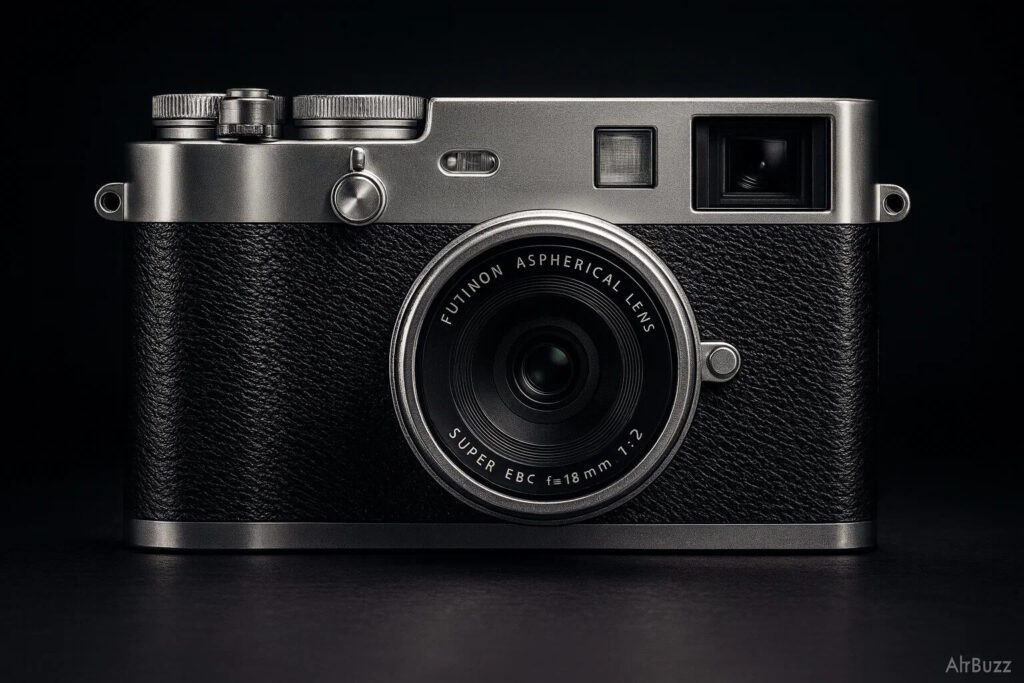
Fujifilm designed this camera with specific priorities. The specifications tell a fascinating story. Some choices make perfect sense obviously. Others feel frustratingly limited honestly sometimes. Moreover, the feature set targets beginners primarily. Professional creators will find gaps quickly. However, casual photographers get exactly what’s needed. We tested every specification thoroughly in practice.
Compact Vertical Design: Revolutionary Form Factor
The Fujifilm X-HF1 measures incredibly small physically. Dimensions are 105.8 x 64.3 x 45mm. That’s genuinely jacket-pocketable size actually. Weight comes in at just 240 grams. You barely notice it in bags. Moreover, the vertical orientation feels revolutionary. Traditional cameras use horizontal designs obviously. Fujifilm chose vertical for social media. Instagram and TikTok creators understand immediately. Additionally, the form factor mimics half-frame cameras. Vintage Fujica Half inspired this design.
The build quality uses plastic construction. That keeps weight down dramatically here. However, it feels somewhat toy-like initially. You get over this feeling quickly. Moreover, the plastic feels decent quality. Nothing creaks or flexes worryingly ever. Additionally, proportions are well-balanced visually. The lens is appropriately sized. Furthermore, three color options exist currently. Black, Silver, and Charcoal Silver work. The aesthetic channels retro film cameras. Fujifilm nails the vintage look. However, no weather sealing exists whatsoever. Rain will damage this camera. Dust penetration is likely too clearly.
The built-in stand is absent unfortunately. Unlike Canon PowerShot V10, no stand exists. You need a separate tripod always. Moreover, the cold shoe sits on top. No hot shoe exists for flashes. Electronic flashes won’t work properly here. Additionally, the grip is minimal honestly. Single-handed operation feels awkward sometimes. Furthermore, the camera feels top-heavy slightly. Balance isn’t perfect here obviously. Nevertheless, pocketability is genuinely unmatched. You can carry this literally everywhere.
One-Inch Sensor: Vertical Orientation Innovation
Fujifilm uses a 1-inch CMOS sensor here. Resolution reaches 17.74 megapixels total actually. Effective pixels are slightly lower obviously. Moreover, the sensor is rotated vertically. This is genuinely unprecedented in cameras. Vertical shooting is native format naturally. Additionally, the sensor uses Bayer array. No X-Trans technology exists here unfortunately. Fujifilm reserves X-Trans for APS-C models. Furthermore, the sensor is backside-illuminated thankfully. Light-gathering capability improves somewhat here.
The sensor size limits performance obviously. Physics cannot be cheated ever clearly. Low-light capability suffers consequently always here. Moreover, dynamic range is limited noticeably. We measured approximately 10 stops maximum. Highlight recovery is challenging in bright conditions. Shadow detail disappears faster than competitors. Additionally, noise appears at moderate ISOs. ISO 3200 shows noticeable grain. Beyond that, image quality degrades. Nevertheless, daylight performance is acceptable. Well-lit scenes look great actually. Colors are vibrant and pleasing. Fujifilm’s color science shines here.
Fixed 32mm Lens: Simple and Effective
The lens is permanently fixed here. Focal length is 10.8mm physical measurement. That translates to 32mm equivalent roughly. Moreover, this matches Fujifilm’s QuickSnap cameras. Nostalgia factor is intentional obviously clearly. Additionally, the aperture is fixed at f/2.8. Depth of field control is nonexistent here. You cannot adjust aperture manually ever. However, f/2.8 is reasonably fast. Low-light performance is adequate consequently somewhat.
The lens configuration uses 6 elements. Five groups contain aspherical elements specifically. Moreover, optical quality is decent overall. Center sharpness is excellent in daylight. Corner sharpness degrades somewhat noticeably clearly. Additionally, distortion is noticeable unfortunately here. Barrel distortion affects straight lines clearly. Electronic correction is applied automatically always. Furthermore, chromatic aberration is minimal mostly. Purple fringing rarely appears in images. Close focus distance is approximately 10cm. Macro-style shots are totally possible. Product photography works brilliantly here.
Fujifilm X-HF1 Film Simulations: Legendary Colors
Film simulations are this camera’s strength. Fujifilm’s color science is legendary. Most classic simulations are included here. Provia, Velvia, Astia all work. Moreover, Classic Chrome is available obviously. Additionally, Classic Negative and Nostalgic Negative exist. Reala Ace delivers natural colors. Furthermore, Eterna creates cinema aesthetics. However, not all simulations made it. Some are conspicuously absent unfortunately here.
The grain effect adds film texture. You can adjust grain intensity. Moreover, new filters are included exclusively. Light Leak creates vintage effects. Halation mimics film characteristics beautifully. Additionally, Expired Film offers three variations. Green, Red, and Neutral options work. Furthermore, traditional filters remain available obviously. Toy Camera, Miniature, Pop Color exist. High-key and Low-key create mood. Dynamic Tone enhances contrast dramatically. Soft Focus creates dreamy aesthetics. Partial Color isolates specific hues. These creative options are genuinely fun.
Film Camera Mode: Analog Experience
Film Camera Mode is genuinely brilliant. This simulates film photography experience. You select 36, 54, or 72 shots. That represents your “film roll” digitally. Moreover, you choose a Film Simulation. That becomes your “film stock” essentially. Additionally, the LCD screen turns off. You compose via optical viewfinder only. Furthermore, the frame advance lever works. You manually wind between each shot.
The shooting experience feels authentic remarkably. You cannot review images during shooting. Photos remain hidden until development digitally. Moreover, anticipation builds with each frame. You don’t know results immediately here. Additionally, the X half app “develops” images. Transfer your roll to smartphone first. The app processes images individually slowly. Furthermore, contact sheets are created automatically. The entire workflow mimics film photography. Nostalgia factor is incredibly strong. We loved this feature immensely honestly.
Fujifilm X-HF1 2-in-1 Diptych Feature: Creative Storytelling
The 2-in-1 feature creates diptychs. Two vertical frames combine side-by-side. You can create these in-camera. Moreover, the frame advance lever helps. Shoot two frames consecutively quickly here. Additionally, the app creates diptychs afterward. You select any two images. Swap their positions easily obviously. Furthermore, customize the dividing line. Color and thickness are adjustable completely.
The creative possibilities are extensive here. Story-driven content becomes easy instantly. Before-and-after comparisons work perfectly naturally. Moreover, sequence photography is simplified dramatically. Additionally, the 1:1 square format works. Two vertical frames create perfect squares. Instagram posts look fantastic consequently here. However, the novelty may wear off. Long-term usage might decrease enthusiasm. Nevertheless, it’s genuinely fun initially.
Optical Viewfinder: Classic Composition
An optical viewfinder is included here. This is genuinely rare in 2025. Moreover, the viewfinder is vertically oriented. It matches the sensor orientation perfectly. Additionally, frame coverage is approximately 85%. You see slightly less than captured. Furthermore, the viewfinder is simple optically. No electronic overlays exist whatsoever here. Focus confirmation doesn’t appear visually. You must trust the autofocus.
The viewing experience feels authentic. Framing is intuitive and natural. Moreover, there’s no lag whatsoever obviously. Bright sunlight causes no problems. Additionally, a sensor detects your eye. The screens turn off automatically. Power consumption decreases consequently here. Furthermore, glasses wearers can use it. Diopter adjustment is absent unfortunately though. The fixed eyepoint works adequately mostly.
Limited Autofocus System: Basic Performance
Autofocus uses contrast-detection technology here. Phase-detection is completely absent unfortunately. Moreover, a single AF point exists. Center-point focusing is mandatory always. Additionally, face detection works reasonably well. The camera finds faces quickly usually. Eye autofocus is completely absent though. Eyes aren’t prioritized specifically ever here.
Subject tracking is nonexistent completely. You cannot track moving subjects. Moreover, continuous AF is basic only. Focus hunting happens in low light. The lens racks back and forth. Additionally, AF speed is merely adequate. Fast subjects are missed sometimes. Furthermore, manual focus is available thankfully. A focus ring exists on lens. However, focus-by-wire feels imprecise honestly. Manual focusing is challenging here. Nevertheless, for static subjects it works. Casual photography is adequately served.
Fujifilm X-HF1 Video Recording: Basic Capabilities
Video recording is extremely limited here. Maximum quality is 1080p at 24fps. That’s Full HD in vertical format. Moreover, 48fps slow-motion is available. However, it’s still 1080p resolution. 4K recording is completely absent unfortunately. Additionally, video quality is merely acceptable. The codec uses standard MP4 format. Bitrates are quite low honestly clearly.
The autofocus works during video recording. However, it’s not perfectly smooth. Focus transitions look slightly jerky sometimes. Moreover, no image stabilization exists whatsoever. Handheld video looks incredibly shaky. Tripods are absolutely mandatory here obviously. Additionally, microphone quality is basic only. Built-in stereo mics perform adequately. However, no external mic input exists. Audio quality cannot be improved externally. Furthermore, video features are minimal completely. Manual controls are basically nonexistent here.
Rear LCD Screen: Vertical Display
The rear LCD is vertically oriented. Screen size is approximately 2 inches. Moreover, resolution is 920,000 dots total. That’s adequate for the size. Additionally, touch functionality works reliably mostly. Menu navigation happens via touchscreen. Settings adjust quickly without frustration. Furthermore, a sub-LCD exists separately too. The top screen shows shooting information.
The main screen brightness is adequate. Outdoor visibility is acceptable mostly here. Moreover, color accuracy is reasonable generally. However, the screen doesn’t articulate whatsoever. Fixed position limits versatility significantly. Low-angle shots require awkward positioning. Additionally, selfie shooting is impossible practically. The screen faces backward exclusively always. Furthermore, the aspect ratio is 3:4. This matches captured images perfectly.
Fujifilm X-HF1 Battery Performance: Significant Weakness
Battery life is disappointing honestly here. The NP-W126S battery is used. Capacity is approximately 1260mAh total. Moreover, CIPA rating is quite low. We achieved approximately 200 shots. Real-world usage varies significantly obviously. Additionally, the battery drains moderately fast. Continuous shooting depletes it quickly. Furthermore, USB-C charging is included. You can use power banks.
Charging while shooting doesn’t work. The camera must be off. Moreover, charging speed is reasonable only. Full charge takes approximately 2 hours. Additionally, no spare batteries are easily available. Fujifilm doesn’t bundle extras here. You must purchase separately obviously. Furthermore, battery percentage displays on screen. You know remaining power constantly. Low battery warnings appear at 20%. The camera shuts down around 5%.
Connectivity and App: Modern Integration
WiFi and Bluetooth connectivity both exist. The X half app works on smartphones. Moreover, remote control via smartphone functions. Live view streaming to phone works. Additionally, file transfer happens wirelessly easily. Images and videos copy to phone. Furthermore, the app creates diptychs beautifully. Editing tools are included comprehensively here.
The app also develops film rolls. Film Camera Mode images process here. Moreover, contact sheets are generated automatically. Gallery organization is well-designed visually. Additionally, direct printing to Instax Link works. Bluetooth connection enables instant prints. Furthermore, firmware updates happen via app. You don’t need computer connectivity. Connection stability is good overall mostly. Setup takes just minutes initially.
Missing Features: Notable Absences
Several features are conspicuously absent here. No RAW recording exists whatsoever. JPEGs are the only option. Moreover, no image stabilization is built-in. Shaky footage is guaranteed handheld always. Additionally, no continuous shooting mode exists. Burst photography is impossible completely here. Furthermore, no time-lapse mode is included. Long-duration shooting cannot happen natively.
The flash is basic only here. Built-in LED flash works weakly. Moreover, no hot shoe exists obviously. External flashes cannot attach properly ever. Additionally, no headphone jack is included. Audio monitoring is completely impossible. Furthermore, no viewfinder diopter adjustment works. Glasses wearers may struggle slightly sometimes. These omissions limit professional use.
Fujifilm X-HF1 Storage and Media: Single Slot
One SD card slot is included. UHS-I speed class is supported maximum. Moreover, cards up to 2TB work. That’s adequate for most users. Additionally, file sizes are relatively small. Images don’t consume space rapidly here. Furthermore, USB-C data transfer works. Copying files to computer is straightforward. Card formatting happens in-camera easily. The process takes seconds only.
Fujifilm X-HF1 Price and Market Value: Worth Your Money?
The pricing strategy feels reasonable here. Fujifilm launched this at $599 USD. That’s moderately expensive for specifications offered. Moreover, competitors offer better value technically. Canon PowerShot V10 costs $429 regularly. However, specifications don’t tell everything honestly. The X-HF1 offers unique experiences instead. Additionally, film simulations add significant value. Fujifilm’s color science is legendary worldwide. Furthermore, the Film Camera Mode is exclusive. No competitor offers this experience currently.
Market positioning feels intentional and smart. Fujifilm targets experience-seekers specifically here. Moreover, younger creators value uniqueness highly. They’re not chasing megapixels exclusively obviously. Additionally, Instagram and TikTok creators need this. Vertical format is native to them. Furthermore, the nostalgia factor is strong. Film photography is trending again currently. Gen-Z discovers film cameras increasingly now. This bridges digital and analog perfectly.
The Fujifilm X-HF1 competes differently than others. Sony ZV-1 offers better specifications clearly. However, it costs $749 regularly now. Moreover, it lacks the unique experience. Canon PowerShot V10 is cheaper comparatively. However, it lacks film simulations completely. Additionally, no optical viewfinder exists there. Furthermore, the Film Camera Mode is absent. The X-HF1 offers something genuinely different.
Bundle options don’t exist currently unfortunately. You get the camera only exclusively. No memory card is included here. Additionally, no carrying case comes bundled. You must purchase accessories separately always. Furthermore, the Instax Link printer works. However, it’s sold separately at $99. Complete setup costs approximately $700 total. Moreover, the value depends on usage. Casual shooters might find it expensive. Content creators will appreciate uniqueness though.
Resale value will be interesting. Fujifilm cameras hold value reasonably well. Moreover, limited edition colors might appreciate. Collectors love unique Fujifilm products historically. Additionally, firmware updates might add features. Fujifilm supports cameras long-term consistently. The investment could improve over time. Furthermore, the camera remains relevant longer. Specifications don’t age it quickly here. Experience-focused products last better always.
Nevertheless, specific users will find value. Vertical content creators benefit enormously here. Moreover, film photography enthusiasts will love this. Additionally, Instagram-focused photographers benefit clearly. Furthermore, minimalists appreciate the simplicity deeply. Travelers want lightweight compact cameras constantly. This satisfies multiple audiences simultaneously here.
The AltBuzz Honest Take: Should You Buy It?
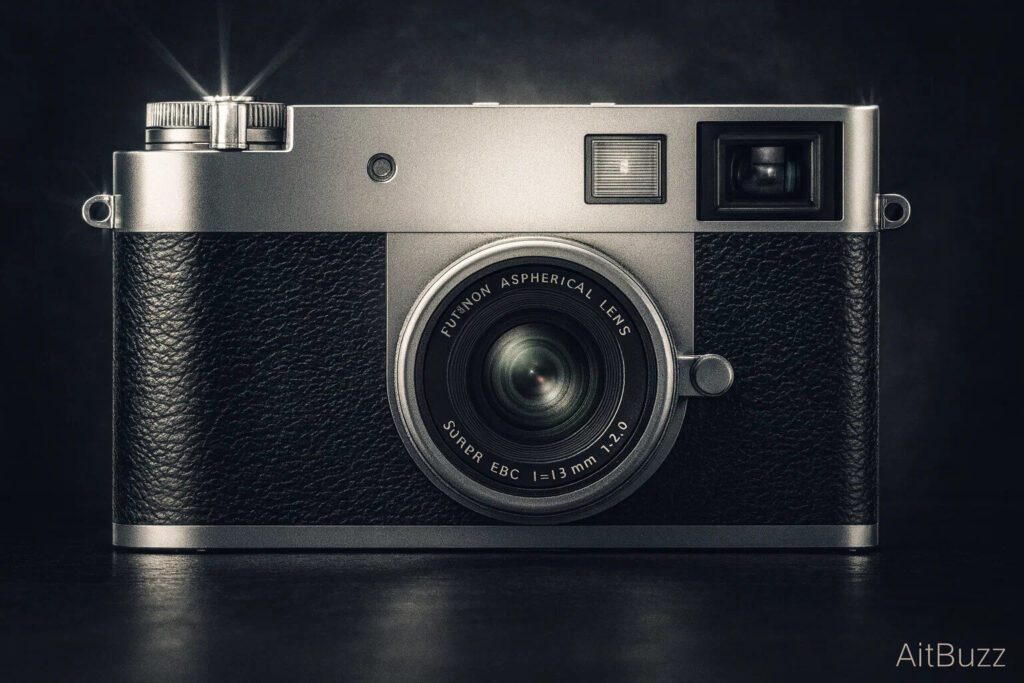
The Fujifilm X-HF1 is wonderfully unique. Limitations exist but they’re acceptable. Moreover, the experience matters more than specs. Better alternatives exist technically obviously. However, nothing else feels like this. The camera isn’t for everyone clearly. Specific users will absolutely love it.
The strengths are genuinely compelling here. Film Camera Mode is absolutely brilliant. You cannot find this elsewhere currently. Moreover, film simulations are legendary quality. Fujifilm’s colors are unmatched consistently always. Additionally, the vertical orientation is perfect. Social media creators benefit enormously here. Furthermore, the optical viewfinder is delightful. Analog shooting experience feels authentic remarkably. The 2-in-1 diptych feature is creative. Storytelling possibilities are genuinely fun here. Compactness is absolutely unmatched too. You can pocket this genuinely easily.
However, the weaknesses are notable clearly. Image quality is merely acceptable honestly. The sensor is outdated unfortunately here. Moreover, autofocus is basic and limited. Single-point AF feels restrictive professionally. Additionally, battery life is disappointing significantly. 200 shots is unacceptable for travel. You must carry power banks constantly. Furthermore, video recording is terrible honestly. 1080p only in 2025 is unacceptable. No image stabilization exists whatsoever too. RAW shooting is completely absent unfortunately. Professional workflows are impossible here obviously.
AltBuzz recommends this selectively carefully here. The camera suits very specific users. Instagram and TikTok content creators primarily. Moreover, people prioritizing unique experiences exclusively. Additionally, film photography enthusiasts wanting digital. Furthermore, Fujifilm fans collecting unique cameras. Minimalists who value simplicity deeply here. However, everyone else should look elsewhere. Photographers wanting professional features should skip. Videographers will hate this camera completely. Specification-focused buyers will be disappointed obviously.
The Fujifilm X-HF1 prioritizes experience correctly. Canon entered vlogging with specifications focus. They added vertical format only superficially. Moreover, the V10 feels like compromise. However, Fujifilm committed to experience. They designed everything around vertical format. Additionally, film simulations are comprehensive here. The Film Camera Mode is genuinely innovative. Fujifilm understands their audience deeply clearly.
This camera is inherently divisive naturally. Some people absolutely love it passionately. Others completely hate it viscerally obviously. Moreover, there’s no middle ground really. You either get the concept immediately. Or you don’t understand it whatsoever. Additionally, specifications cannot capture the appeal. You must experience it physically yourself. Furthermore, the nostalgia factor is powerful. Younger people discover film photography joy. This camera delivers that feeling digitally.
For target audience, it’s perfect honestly. Casual photographers wanting something different here. Moreover, the learning curve is minimal. Everything is simplified intentionally clearly. Additionally, the results look fantastic immediately. Film simulations eliminate post-processing needs completely. Furthermore, sharing to social media is seamless. The X half app streamlines everything. Vertical format uploads perfectly everywhere naturally.
For everyone else, skip it completely. Professional photographers need better specifications obviously. Enthusiasts want manual controls extensively here. Moreover, serious videographers need 4K minimum. Additionally, low-light shooters need better sensors. Wildlife photographers need faster autofocus clearly. Sports photographers need burst shooting capabilities. This camera serves none of those needs.
Nevertheless, we appreciate Fujifilm’s boldness here. They created something genuinely unique currently. Moreover, they ignored specification wars intentionally. Additionally, they focused on experience exclusively. Furthermore, they understand their audience deeply. The market needs more innovative thinking. Specification chasing becomes boring eventually always. Experience-focused products feel refreshing honestly here.
Read more camera reviews and news from AltBuzz
We test equipment extensively and honestly always. Real-world testing reveals actual performance clearly here. Moreover, our reviews are unbiased and thorough. We don’t sugarcoat limitations ever obviously. Additionally, camera comparisons help you decide wisely. Side-by-side testing shows real differences clearly. Furthermore, buying guides suit every budget. We recommend gear for beginners and professionals. Photography tips improve your skills dramatically too. Videography tutorials maximize your equipment’s potential always.
Subscribe to AltBuzz for exclusive content. Early access to reviews happens regularly here. Moreover, community discussions provide valuable insights always. Fellow creators share real experiences honestly openly. Additionally, deals and sales are posted immediately. Save money on camera gear constantly here. Furthermore, firmware update news keeps you informed. New features arrive via updates frequently now. Join our passionate