
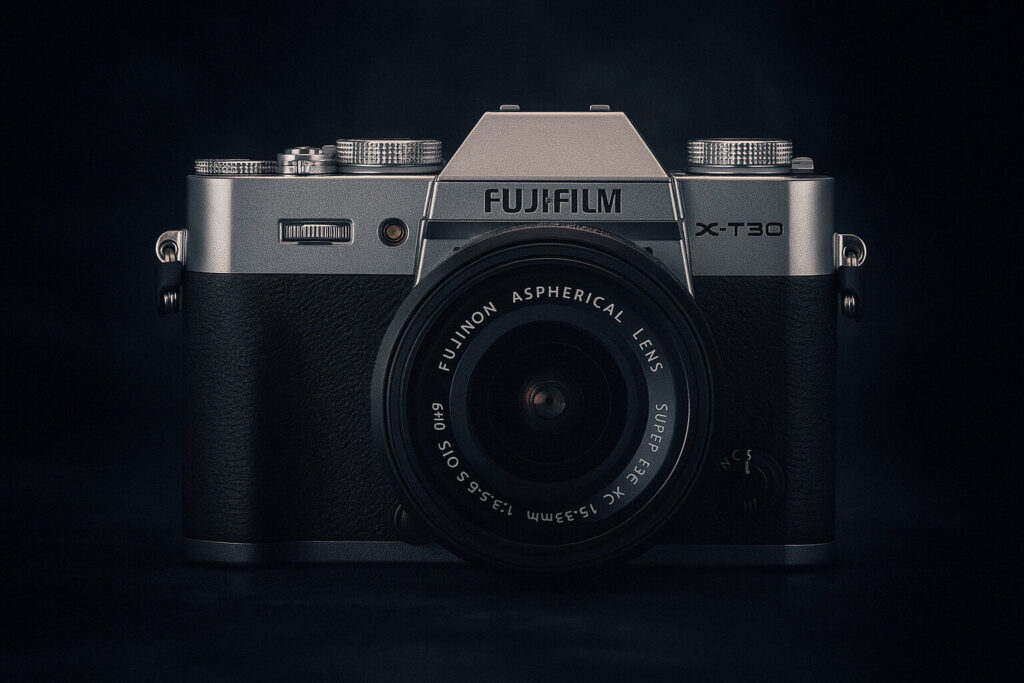
Fujifilm X-T30 III – The Small Camera Making Big Noise
The Fujifilm X-T30 III has arrived, and it is already making waves. Released in September 2025, this little camera is quickly gaining attention from photographers and filmmakers around the world. It is small, it is light, yet it feels powerful in every way. Many people say it is one of the best compact cameras Fujifilm has ever made. And the buzz around it keeps growing every single day.
From the moment Fujifilm announced it, the excitement began to rise. Everyone wanted to know what made it so special. The company promised speed, image quality, and a classic design in one compact body. Now that it is finally in users’ hands, the reactions are clear. People love it. Reviewers call it a mix of beauty and brains. And for many creators, it has already become their favorite travel and everyday camera.
At first glance, the Fujifilm X-T30 III looks almost simple. But as you start to use it, you begin to see what makes it different. The controls feel smooth. The grip feels just right. The camera reacts fast. Every detail seems built to make your experience more natural. It may look small, but it delivers the kind of quality usually seen in much bigger cameras.
Because of that, the Fujifilm X-T30 III is winning hearts fast. Many professionals say it feels like a bridge between Fujifilm’s classic style and modern technology. It takes what photographers love about Fujifilm and adds speed, better autofocus, and stronger image processing. Every update feels meaningful. Nothing feels unnecessary.
As we go deeper into this blog, we will explore what makes this camera stand out in real use. You will learn about its image quality, video performance, autofocus, and new features that set it apart. You will also see how it compares to other models in its class and what kind of user it fits best.
By the end, you will know why the Fujifilm X-T30 III has become such a popular name in a short time. Whether you love photography or you are just starting your creative journey, this camera might surprise you. It proves that small cameras can still deliver big results. And right now, it feels like Fujifilm has once again captured that perfect mix of nostalgia, innovation, and charm.
Fujifilm X-T30 III Specifications and Features
Before we dive into every feature, let’s take a closer look at what makes the Fujifilm X-T30 III such a strong camera in its class. It is a compact but powerful machine that blends classic Fujifilm design with modern performance. Every feature has been carefully improved to give photographers and filmmakers a smoother experience.
From its high-resolution sensor to its fast autofocus and beautiful video recording, everything feels balanced and refined. The Fujifilm X-T30 III is not just about numbers; it is about how each feature works together to create stunning results.
In the next sections, we will explore all the key specs and features in detail. You will see why this camera stands out, what makes it special, and how it performs in real-world use.
Image Sensor Quality of Fujifilm X-T30 III
The Fujifilm X-T30 III comes with a powerful 26.1-megapixel APS-C X-Trans CMOS 4 sensor that brings professional image quality into a small body. This sensor is one of the most loved in Fujifilm’s lineup because it produces clear and rich images with true-to-life colors. Every shot feels sharp and full of character. The tones are deep, the highlights are soft, and the shadows retain amazing detail even in tricky lighting.
The X-Trans sensor is special because of its unique pixel layout. It reduces moiré and false colors without needing an optical low-pass filter. This means every photo stays naturally detailed and full of texture. When you zoom into an image, you can see how fine the details are, from the lines on a leaf to the texture of fabric.
This sensor also performs beautifully in both bright sunlight and low light. Even when the light fades, the Fujifilm X-T30 III manages to keep colors balanced and noise under control. The tones remain pleasant, which is one reason photographers love using it for portraits, landscapes, and travel scenes. The sensor gives confidence that every shot will come out beautiful and ready to share.
Autofocus System of Fujifilm X-T30 III
The autofocus system on the Fujifilm X-T30 III is fast, intelligent, and reliable. It uses a hybrid AF system with 425 phase-detection points that cover almost the entire frame. This means you can focus on subjects even when they are off-center. The AF locks quickly, even when light is low or when the subject is moving fast.
It feels responsive in every condition. Whether you photograph children running, birds in flight, or people walking through a crowded street, the camera keeps focus steady. The continuous tracking is smooth and accurate. It follows faces and eyes automatically, making it easy to get sharp portraits without much effort.
Another impressive feature is its ability to focus quietly. This is helpful for video creators or event photographers who do not want the sound of the lens motor in their recordings. The AF system also works well with Fujinon lenses, creating a perfect balance between precision and speed.
The Fujifilm X-T30 III gives you control too. You can choose between single, zone, or wide tracking modes depending on your scene. It adapts quickly as you move from still photography to video recording. The camera feels alive, always ready to lock onto your subject instantly.
Burst Shooting Speed of Fujifilm X-T30 III
Speed is one of the most exciting parts of the Fujifilm X-T30 III. It can shoot up to 20 frames per second with the electronic shutter. That is an incredible burst rate for a compact camera. It allows you to capture fast-moving action smoothly without missing any crucial moment.
This makes the camera perfect for sports, wildlife, or street photography where every frame counts. When you press the shutter, the camera keeps clicking effortlessly, storing image after image with precision. The buffer is large enough to handle long bursts, so you can keep shooting without the camera slowing down.
Even when using the mechanical shutter, it still reaches impressive speeds. The response is instant. You press the button, and the camera reacts immediately. There is no lag or pause, making the experience smooth and enjoyable.
The Fujifilm X-T30 III also handles the captured data efficiently. It writes to the memory card quickly, so you can move to the next shot without delay. This kind of performance gives photographers more confidence when capturing moments that cannot be repeated. It is fast, accurate, and full of energy — everything you want from a modern camera.
Video Recording Power of Fujifilm X-T30 III
The Fujifilm X-T30 III is not just a photo camera. It is also a strong performer in video. You can record 4K video at 30 frames per second and Full HD at up to 240 frames per second for smooth slow motion. These options make it flexible for different creative projects.
The video quality looks sharp and detailed. The colors come out rich and natural, and the noise remains low even in dim light. The combination of the powerful image processor and sensor creates cinematic results straight out of the camera. It gives your videos a polished look without needing too much post-editing.
Another important strength is how well the camera handles movement. Autofocus during video stays smooth and natural. It adjusts focus gently without the sudden jumps that ruin footage. You can also use film simulation modes while shooting video, adding those beautiful Fujifilm tones directly to your clips.
In addition, the Fujifilm X-T30 III supports external microphones for clear and professional audio. You can connect them easily and adjust sound levels in the menu. Together, these features make the X-T30 III an excellent choice for vloggers, filmmakers, and anyone who values both image and sound quality.
Film Simulation Modes in Fujifilm X-T30 III
Fujifilm is famous for its film simulation modes, and the X-T30 III continues that tradition proudly. It includes popular modes like Classic Chrome, Eterna, Provia, and Velvia. Each one gives your photos a distinct look inspired by Fujifilm’s legendary film heritage.
Classic Chrome adds a timeless and cinematic tone with muted colors and deep contrast. Eterna gives a soft, movie-like appearance that is ideal for storytelling. Velvia makes colors bold and bright, perfect for landscapes. Provia gives a balanced and natural look for everyday shooting.
What makes these modes special is how they change the mood of your photos without needing editing. You can switch between them in real time and see how they affect your scene. This saves time while giving you creative freedom right from the camera.
The Fujifilm X-T30 III lets you experiment with these modes freely. You can customize tones, shadows, and highlights to match your style. Every mode brings its own charm, turning ordinary shots into expressive images that feel personal. These film simulations are part of what makes the Fujifilm experience so enjoyable and artistic.
ISO Range and Low-Light Ability of Fujifilm X-T30 III
The ISO range of the Fujifilm X-T30 III is wide and flexible. The native ISO goes from 160 to 12,800 and can be expanded up to 51,200. This gives you full control over light in every situation. Whether you are shooting in bright sunlight or dim indoor lighting, the camera adapts easily.
In low-light environments, the performance remains impressive. The images stay detailed with little noise, even at higher ISO values. The sensor and processor work together to maintain color accuracy and contrast. Shadows keep their depth, and highlights stay smooth.
This flexibility allows you to shoot handheld in the dark without needing a flash. You can capture night scenes, indoor events, or candlelit moments with confidence. The Fujifilm X-T30 III handles exposure smartly, keeping your photos clean and natural.
For photographers who love working in varied lighting conditions, this feature is a major advantage. It gives freedom to explore creative scenes without fear of grain or blur. The Fujifilm X-T30 III performs beautifully in every light, making it reliable for all types of photography.
Design and Build of the Fujifilm X-T30 III
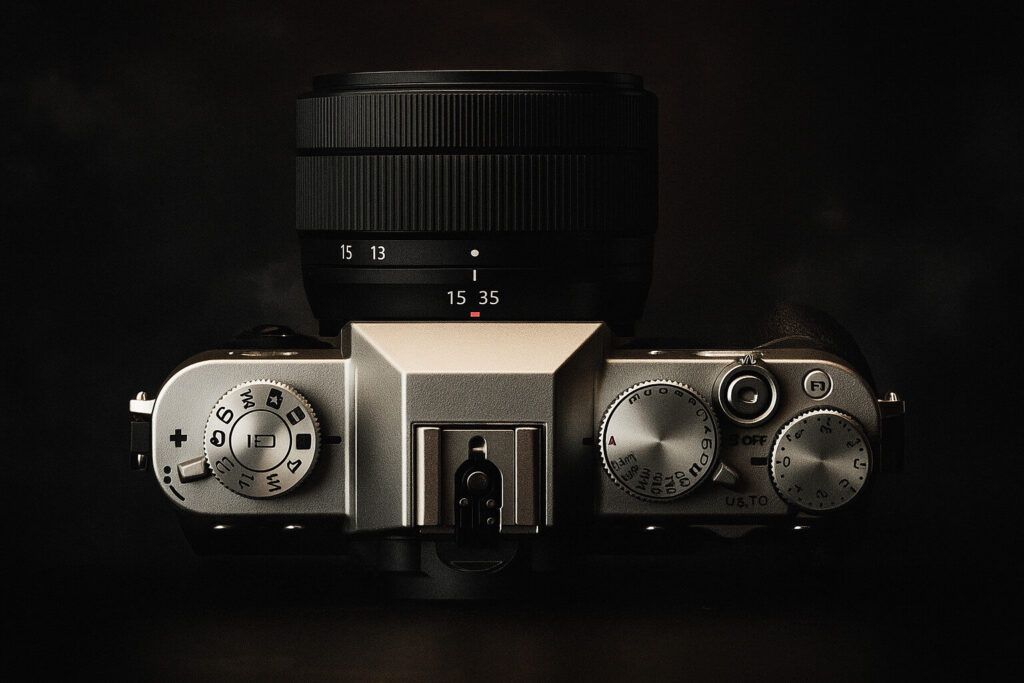
The Fujifilm X-T30 III stands out for its stylish body. It mixes a retro feel with a fresh modern touch. The design looks neat, and every dial has a clear purpose. Many photographers love how it feels in their hands. It is light, yet it feels secure. The grip is small but still comfortable.
Every part of the body feels solid, even though it is compact. The controls are placed where your fingers naturally rest. Because of this, it feels easy to adjust settings while shooting. The build feels reliable, and it holds up well even after long days of use. The Fujifilm X-T30 III gives you confidence the moment you pick it up.
Electronic Viewfinder on the Fujifilm X-T30 III
The electronic viewfinder is one of the most pleasant parts of this camera. It has a 2.36-million-dot OLED display that shows colors and details very clearly. When you bring it up to your eye, it feels bright and sharp. It reacts quickly as you move the camera around.
This viewfinder helps you focus better and compose your frame with accuracy. Even under strong light, it remains clear. You can preview how your photo will look before pressing the shutter. That saves time and gives a lot of creative control. The Fujifilm X-T30 III viewfinder feels natural and easy to use for both beginners and pros.
LCD Touchscreen and Everyday Comfort
The Fujifilm X-T30 III has a 3-inch LCD touchscreen that tilts for flexible angles. It helps you take photos from high or low positions with comfort. The display feels smooth and reacts quickly to touch. You can change focus, scroll menus, and check images easily.
Because the touchscreen works so well, shooting feels faster and more natural. The bright display shows colors accurately. Even outdoors, it remains visible. You can touch to focus instantly, and that saves effort when capturing moving subjects. Many users say this screen makes the Fujifilm X-T30 III enjoyable to use every day.
Connectivity Options with the Fujifilm X-T30 III
The Fujifilm X-T30 III includes both Wi-Fi and Bluetooth. That makes sharing photos quick and simple. You can connect the camera to your phone and transfer images in seconds. With the Fujifilm Camera Remote app, you can also control the camera wirelessly.
This feature helps when you want to shoot from a distance or record yourself. It also helps with quick uploads to social media. The connection is stable, and the setup process is easy to understand. These tools make the Fujifilm X-T30 III feel modern and smart, especially for creators who love instant sharing.
Battery Life and Charging
The Fujifilm X-T30 III has a good battery for its small size. It can capture around 380 shots on one charge. That is enough for a full day of casual photography. However, for long video sessions or events, carrying a spare battery is smart.
Charging is also easy. The camera uses a USB-C port, so you can charge it from a power bank, laptop, or wall adapter. This is helpful when you travel. Because of that, you never have to worry about running out of power. The battery life is balanced, and it suits photographers who shoot often and move a lot.
Weight and Portability
Portability is one of the biggest advantages of the Fujifilm X-T30 III. It weighs only about 383 grams. That makes it easy to carry in your hand, bag, or even around your neck for hours. The light weight never feels tiring.
Travelers love this feature because they can pack less and move freely. Despite being light, it does not feel cheap. The camera body feels strong and steady. You can take it anywhere — from busy streets to mountain views. The Fujifilm X-T30 III proves that small cameras can still deliver big results.
Build Material and Durability
The Fujifilm X-T30 III body is made from magnesium alloy. This material keeps it strong yet lightweight. It protects the internal parts from damage while keeping the camera easy to handle. The texture feels premium, and the body does not bend or creak.
Many users like how solid it feels compared to plastic-based cameras. The buttons also feel firm, and the dials turn smoothly. Because of its durable body, the Fujifilm X-T30 III remains reliable even after months of daily use. It is a small camera built with the heart of a professional one.
Color Options That Match Every Style
Fujifilm knows photographers like cameras that look good. The X-T30 III comes in silver, black, and charcoal. Each one feels different in style. The silver one looks classic and vintage. The black version feels elegant and bold. The charcoal one adds a modern touch that many people love.
These options let you pick the color that fits your personality. Because appearance also matters in photography, this camera gives choices that reflect your taste. The Fujifilm X-T30 III stands out, not only for its photos but also for its look.
Lens Compatibility of the Fujifilm X-T30 III
The Fujifilm X-T30 III works with all Fujifilm X-mount lenses. This includes both prime and zoom lenses. There are many options available, from small everyday lenses to pro-grade glass. Because of this, you can build your collection as you grow.
The system gives you flexibility for all kinds of photography — portraits, landscapes, or travel. Every lens connects firmly and works perfectly with autofocus and image correction. The Fujifilm X-T30 III gives you room to expand and explore your creativity.
Audio Features and Sound Quality
The Fujifilm X-T30 III includes a 3.5 mm microphone input. This makes it more useful for people who record video often. You can attach an external mic and get clean audio without much noise. It also supports audio monitoring through a USB-C adapter.
That feature helps vloggers and filmmakers who need control over their sound. Although it lacks a headphone jack, the adapter makes up for it. The built-in mic is fine for casual use, but external mics take the sound to the next level. Overall, the Fujifilm X-T30 III gives solid sound options for its size.
Storage Options and Speed
The Fujifilm X-T30 III has one SD card slot that supports UHS-I cards. The card speed affects how fast the camera saves your photos and videos. With a high-speed card, you can shoot longer bursts without delay.
This simple storage setup keeps the body small and light. Even though there is only one slot, it works smoothly. The card door is easy to open, and switching cards feels quick. Because storage is important for reliability, the Fujifilm X-T30 III balances speed and simplicity well.
User Interface and Menu That Everyone Loves
Many users praise the Fujifilm X-T30 III for its friendly user interface. The menu is simple and easy to learn. Every icon looks clear, and you can move through settings without confusion. The joystick and touchscreen make navigation faster.
Because of this layout, the Fujifilm X-T30 III feels fun to use. Beginners can learn quickly, and professionals can adjust settings fast. The menu design keeps everything within reach. It saves time during shoots and helps you focus on creativity instead of controls.
Every part of the interface shows Fujifilm’s attention to comfort. That is why so many people say this camera feels like a natural tool rather than a gadget.
Noteworthy Upgrades in the Fujifilm X-T30 III
The Fujifilm X-T30 III brings many upgrades that make it a real step forward. Every part of the camera feels faster, sharper, and easier to use. It builds on the popular design of the older X-T30, but now it performs much better in almost every area. The camera feels smooth to handle, quick to react, and simple to control. Because of these changes, the Fujifilm X-T30 III has earned strong attention from both beginners and professionals.
Each upgrade may look small, but together they create a huge difference in daily use. The experience feels cleaner and more refined from start to finish. Here are the most noteworthy upgrades that make the Fujifilm X-T30 III stand out:
- Faster Processor:
The Fujifilm X-T30 III now uses the new X-Processor 4, which is quicker and smarter. It handles high-resolution files easily and gives a smoother live view. You see less delay, better performance, and faster image previews. This means every shot feels instant. - Improved Autofocus Speed:
The autofocus system is now much faster. It covers more points and reacts better in dim light. Face and eye detection are also stronger. The Fujifilm X-T30 III keeps subjects in focus even when they move. It makes shooting portraits and action scenes easier for everyone. - Sharper Image Sensor:
The 26.1-megapixel APS-C sensor captures fine details with deep contrast. Photos look rich and crisp even when cropped. The camera now uses improved color filters that give smoother tones. The result is a clean, natural image that looks professional every time. - Better Color Science:
Fujifilm’s film simulation modes are one of its main highlights. In this new model, these modes look even better. Eterna and Classic Chrome have richer shadows and smoother skin tones. Every frame looks cinematic. You can shoot JPEGs and get great results without editing. - Enhanced Video Recording:
The Fujifilm X-T30 III can record 4K video at 30fps and Full HD up to 240fps. The footage looks clear, colorful, and smooth. The processor helps reduce noise, and transitions look clean. Even when you shoot long clips, it stays stable and doesn’t heat up quickly. - Brighter Electronic Viewfinder:
The 2.36M-dot OLED viewfinder is sharper and clearer. It shows realistic colors and bright contrast, even in sunlight. You can compose your shots easily and see true exposure in real time. - Responsive Touchscreen:
The 3-inch tilting touchscreen now reacts faster. You can change settings or tap to focus with ease. It feels smooth and precise, which helps a lot during fast shooting sessions. - Better Battery Management:
The battery life is longer due to better power control. You can take more photos per charge. It also supports USB-C charging, which is useful when you travel or shoot outdoors. - Simpler Menu and Interface:
The interface now looks cleaner and feels easier to navigate. You can find settings quickly without digging through many options. The joystick and buttons are well placed, making it easy to control even with one hand. - Smoother Low-Light Performance:
The improved sensor and processor work together to reduce noise. Even at higher ISO levels, images stay sharp. This helps a lot when shooting indoors or at night.
These upgrades give the Fujifilm X-T30 III a more modern and professional feel. It is fast enough for action, smart enough for daily use, and strong enough for travel or vlogging.
Fujifilm X-T30 III vs Canon EOS R50 — The Mid-Range Mirrorless Showdown
When you compare the Fujifilm X-T30 III and the Canon EOS R50, you can see two compact but capable cameras fighting for the same audience. Both aim to deliver high-quality images in small bodies. However, their approach is quite different. The Fujifilm focuses on a classic design and strong color science, while Canon offers ease of use and smooth autofocus for beginners and vloggers. Below is a detailed comparison table explaining how each performs in real-world use.
| Feature | Fujifilm X-T30 III | Canon EOS R50 |
|---|---|---|
| Design & Build | The Fujifilm X-T30 III has a retro-modern design with manual dials that give it a classic photography feel. It feels solid yet light in the hand. | The Canon EOS R50 has a clean and simple body made mostly for comfort. It’s lightweight and easy to carry, especially for vloggers. |
| Sensor Quality | It features a 26.1-megapixel APS-C X-Trans CMOS 4 sensor that delivers crisp images with rich details and vibrant Fujifilm colors. | The R50 uses a 24.2-megapixel APS-C CMOS sensor, which gives good sharpness and Canon’s natural color tones. |
| Autofocus System | The X-T30 III uses a fast hybrid AF system with 425 points, offering quick focus tracking even in low light. | Canon’s Dual Pixel CMOS AF II is faster and smoother for video and stills, locking onto faces and eyes easily. |
| Burst Shooting | It can shoot up to 20 frames per second with an electronic shutter, which helps freeze fast-moving subjects perfectly. | The R50 shoots around 15 frames per second electronically, which is slightly lower but still smooth for casual users. |
| Video Recording | The Fujifilm X-T30 III records 4K at 30fps and Full HD at up to 240fps. Its film simulation gives a cinematic touch. | The Canon EOS R50 also shoots 4K at 30fps but oversampled from 6K for extra sharpness, though it has a slight crop. |
| Color Science | Fujifilm’s film simulation modes such as Classic Chrome and Eterna give photos a signature, film-like look. | Canon colors look natural and warm, making skin tones flattering without editing. |
| User Interface | The Fujifilm interface focuses on manual controls with dials for ISO, shutter, and exposure — perfect for traditional photographers. | The Canon interface is touchscreen-friendly and beginner-oriented with guided modes that make setup easier. |
| Battery Life | The Fujifilm offers around 380 shots per charge, suitable for daily use. | The Canon R50 lasts about 440 shots, offering a bit more endurance for travel or events. |
| Connectivity | Both cameras offer Wi-Fi and Bluetooth. Fujifilm’s app allows remote shooting, while Canon’s app is more stable and easier to connect. | Canon’s app connects faster and transfers photos more smoothly. |
| Portability | The X-T30 III weighs around 383 grams and feels premium yet compact. | The R50 is slightly lighter, around 375 grams, making it easier to handle for longer periods. |
| Price Value | The Fujifilm offers a more professional experience at a slightly higher cost, appealing to enthusiasts. | The Canon R50 provides solid performance for its lower price, perfect for new creators. |
| Who It’s For | Best for users who want control, classic style, and artistic photos. | Best for vloggers, beginners |
Market Value and Public Perception of the Fujifilm X-T30 III
The Fujifilm X-T30 III has built a strong and positive reputation since its release. Many photographers see it as a perfect blend of power and portability. It sits in the middle of Fujifilm’s lineup, offering pro-level performance at a price that still feels fair. This balance has helped it find a loyal user base.
The market value of the Fujifilm X-T30 III remains stable because it appeals to a wide range of users. Beginners love how easy it is to handle. Professionals use it as a second camera because it delivers excellent image quality in a small body. It has also become very popular among travel photographers and content creators. This is because it is light, stylish, and reliable for both photos and videos.
People often praise its image quality and film simulation modes. They say the photos have depth, character, and true-to-life colors. Many users love that it gives a “Fujifilm look” straight out of the camera, without heavy editing. The autofocus system also receives a lot of appreciation for its speed and accuracy.
However, some users mention small drawbacks. They wish for in-body image stabilization and a better battery life. Still, most agree that the Fujifilm X-T30 III gives impressive value for its price. It performs beyond what many expect from a mid-range camera.
Overall, the public perception of the Fujifilm X-T30 III is very positive. It is seen as a modern classic — a camera that feels timeless yet advanced. Many reviewers and users say it’s one of the best mirrorless options in its category. And because of its performance and charm, its demand in the market continues to stay strong even months after release.
Was the Fujifilm X-T30 III Worth Buying?
For many users, the Fujifilm X-T30 III hits the sweet spot. It offers strong image quality, fast autofocus, and great video features in a very compact body. It gives you professional-level results without asking for a pro-level price or gear. If you want a camera that can grow with your skills, it makes sense.
There are trade-offs. You might miss in-body stabilization or longer battery life. Still, for travel, portraits, and creative projects, it delivers more than what its cost suggests. All in all, its value feels fair, and many photographers say it was a smart buy.
Read More of Our Reviews and Blogs
Want to explore more? Check out our detailed reviews, comparisons, and guides. We cover new cameras, lenses, and filmmaking tips to help you make better gear decisions.