
The Leica S4 represents Leica’s long-awaited return to medium-format photography. This rumored camera marks a significant transition from DSLR to mirrorless technology. Multiple official sources confirm the camera’s development. However, specific details remain limited. The camera targets professional commercial photographers, fine art shooters, and Leica enthusiasts.
Leica discontinued the S3 DSLR in 2023. Consequently, the medium-format lineup sat empty for years. Development challenges delayed the Leica S4 repeatedly. Nevertheless, Leica executives confirm the camera exists. The photography community anticipates this release eagerly.
Release Date and Market Position
Leica executives have confirmed the Leica S4 development publicly. Cyril Thomas, CEO of Leica France, stated the camera won’t arrive in 2025. Consequently, 2026 or 2027 release windows seem most realistic. Development difficulties have caused repeated delays.
Andreas Kaufmann, Leica’s chief, acknowledges challenging development processes. The transition from DSLR to mirrorless medium-format proves difficult. Matching competitors like Hasselblad and Fujifilm requires significant engineering. Furthermore, lens development accompanies the camera body.
Expected pricing remains highly speculative currently. The S3 cost approximately $19,000 at launch. Mirrorless technology could reduce costs somewhat. Nevertheless, expect pricing between $17,000 and $22,000. The Leica S4 maintains Leica’s premium positioning.
The camera competes against Hasselblad X2D II and Fujifilm GFX 100 II. Phase One’s IQ4 series represents another competitor. Additionally, high-resolution full-frame cameras provide indirect competition. Market positioning emphasizes Leica’s optical excellence and build quality.
Leica S4 Specifications Table
| Specification | Rumored Details |
|---|---|
| Sensor | 100-120MP medium-format BSI CMOS |
| Sensor Size | 45 x 30mm (approximately) |
| Processor | Leica Maestro IV or newer generation |
| ISO Range | 50-50000 (estimated) |
| Autofocus Points | Phase-detect AF with extensive coverage |
| Continuous Shooting | 5-7 fps estimated |
| Video Resolution | 8K at 30fps, 4K at 60fps |
| Viewfinder | High-resolution OLED EVF (9M+ dots) |
| LCD Screen | 3.2-inch tilting touchscreen |
| Image Stabilization | In-Body 5-axis IBIS (6+ stops) |
| Memory Cards | Dual CFexpress Type B slots |
| Battery | New battery design with extended capacity |
| Connectivity | Wi-Fi 6, Bluetooth 5.2, USB-C 3.2 |
| Dimensions | Larger than SL3, smaller than S3 |
| Weight | Approximately 1,200-1,400g (body only) |
Sensor and Image Quality Performance
The rumored Leica S4 features a sensor exceeding 100 megapixels. Some sources suggest 120MP as the target resolution. Back-illuminated sensor architecture ensures exceptional light-gathering capability. Consequently, image quality surpasses the S3’s 64MP sensor significantly.
Leica develops sensors in partnership with specialized manufacturers. The company prioritizes color accuracy and tonal gradation. Dynamic range expectations exceed 15 stops comfortably. Furthermore, color depth provides unparalleled editing flexibility.
Medium-format sensors deliver unique rendering characteristics. Micro-contrast and three-dimensional quality distinguish them from full-frame. The Leica S4 maintains these advantages while adding resolution. Additionally, modern processing reduces noise substantially.
Low-light performance benefits from back-illuminated technology. Native ISO likely begins at 50 or 64. Maximum native ISO could reach 25000 or higher. Furthermore, extended settings expand creative possibilities.
Image files from the Leica S4 demand substantial storage. 120MP RAW files exceed 200MB each potentially. Professional workflows require fast computers and ample storage. Nevertheless, the exceptional quality justifies the requirements.
Autofocus Performance of Leica S4
Phase-detection autofocus represents a critical Leica S4 feature. The S3 relied on contrast-detection exclusively. Consequently, autofocus performance lagged behind mirrorless competitors. The new system addresses these limitations comprehensively.
Leica likely incorporates technology from the SL3 camera. Phase-detect coverage extends across the sensor area. Subject detection recognizes humans, animals, and potentially other categories. Furthermore, eye detection operates reliably for portraits.
Continuous autofocus enables subject tracking during shooting. The Leica S4 maintains focus on moving subjects more effectively. Wedding and event photography benefit from improved reliability. Additionally, video autofocus performance improves dramatically.
Low-light autofocus sensitivity extends capabilities significantly. The system likely functions to -5 EV or beyond. Indoor and evening photography becomes more practical. Furthermore, focus peaking and magnification aid manual focus.
Autofocus speed depends on both camera and lens performance. New S4 lenses likely include faster focus motors. Adapted S lenses may focus more slowly. Nevertheless, overall performance should satisfy professional requirements.
Video Capabilities
Video recording represents new territory for the Leica S4 system. The S3 lacked video capabilities entirely. Consequently, the inclusion of 8K recording marks significant progress. Professional videographers gain access to medium-format imaging.
Maximum resolution likely reaches 8K at 30fps. 4K recording could support frame rates up to 60fps. Oversampled 4K from the full sensor provides exceptional quality. Additionally, various aspect ratios suit different productions.
Leica color science translates beautifully to video applications. Natural color reproduction requires minimal grading. Furthermore, the company may include cinema-oriented picture profiles. L-Log or similar curves provide grading flexibility.
Heat management poses challenges for medium-format video. The large sensor generates substantial heat during recording. Leica’s engineering team addresses this through careful thermal design. Nevertheless, recording time limitations may exist initially.
The Leica S4 likely includes professional video features. Timecode support facilitates multi-camera productions. Audio inputs enable professional sound recording. Furthermore, external recording options expand capabilities.
Design, Build Quality, and Handling
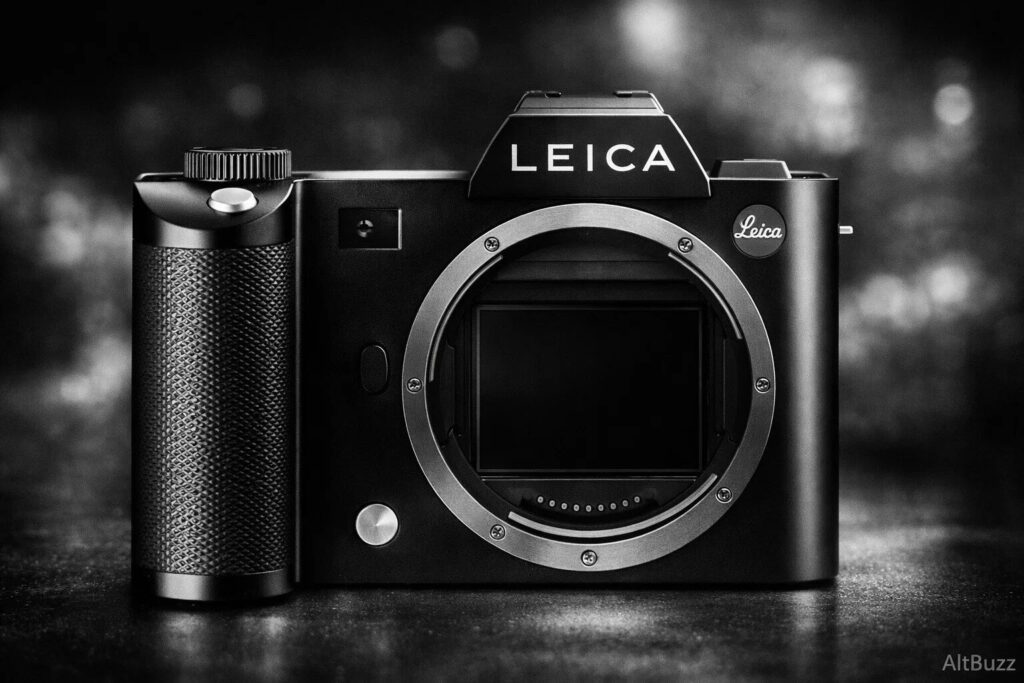
The Leica S4 adopts a mirrorless form factor fundamentally. Size sits between the SL3 and former S3. Leica’s design philosophy emphasizes understated elegance. Consequently, the camera maintains the brand’s aesthetic identity.
Build quality meets Leica’s exacting standards throughout. Magnesium alloy construction ensures durability. Weather sealing protects against harsh environmental conditions. Furthermore, the camera withstands professional use demands.
The electronic viewfinder provides exceptional viewing clarity. Resolution likely exceeds 9 million dots. Magnification and eye relief suit extended shooting sessions. Additionally, customizable display options accommodate various preferences.
The rear LCD screen incorporates tilting mechanisms. Resolution and brightness match professional requirements. Touch functionality streamlines menu navigation and focus selection. Furthermore, the interface responds quickly to inputs.
Button layout balances accessibility with clean design. Essential controls remain within easy reach. Customizable function buttons adapt to individual workflows. Additionally, the grip design accommodates extended shooting comfortably.
The Leica S4 likely weighs less than the S3. Mirrorless construction eliminates mirror box mechanisms. Nevertheless, medium-format sensors and build quality add weight. Expect approximately 1,200-1,400 grams body only.
Battery Life and Connectivity of Leica S4
The Leica S4 requires a new battery design. Medium-format sensors and processors demand substantial power. Leica develops batteries specifically for this application. Consequently, capacity exceeds previous S system batteries.
Expected battery life reaches 400-600 shots per charge. High-resolution files require significant processing power. Video recording drains batteries faster than still photography. Furthermore, cold weather reduces capacity noticeably.
USB-C connectivity supports Power Delivery charging standards. Photographers can charge while shooting with appropriate adapters. Data transfer speeds reach USB 3.2 specifications. Consequently, large files move to computers efficiently.
Wi-Fi 6 enables faster wireless file transfers. The Leica S4 connects seamlessly to mobile devices. Leica’s FOTOS app provides comprehensive remote control. Image review and transfer happen wirelessly smoothly.
Bluetooth connectivity maintains constant low-power connections. Remote shutter release operates without WiFi overhead. Additionally, location data transfers from paired devices. GPS tagging becomes automatic and convenient.
The camera likely includes enhanced professional connectivity. Ethernet ports facilitate studio workflows. Furthermore, integration with Capture One provides tethered shooting. Professional productions benefit from direct computer connection.
Real-World Use Cases
The Leica S4 excels in commercial photography applications. Fashion photographers capture extraordinary detail and color. Studio lighting complements the sensor’s capabilities perfectly. Additionally, the medium-format aesthetic impresses clients.
Landscape photographers create gallery-quality prints effortlessly. The 100MP+ resolution captures intricate environmental details. Dynamic range handles extreme lighting conditions. Furthermore, Leica lenses deliver exceptional optical quality.
Fine art photographers appreciate the uncompromising image quality. Museum and gallery prints demand maximum resolution. Color accuracy and tonal gradation satisfy artistic visions. Additionally, the camera’s aesthetic appeals to collectors.
Architecture photographers benefit from precision and resolution. Straight lines and fine details render exceptionally well. The Leica S4 potentially includes shift lenses eventually. Furthermore, technical camera adaptations may become available.
Portrait photographers create stunning environmental portraits. The medium-format sensor provides beautiful subject separation. Skin tone reproduction meets Leica’s high standards. Additionally, the shallow depth of field enhances images.
Wedding photographers working deliberately find excellent results. The slower pace suits thoughtful composition approaches. Image quality exceeds client expectations significantly. Furthermore, the Leica name adds prestige.
Pros and Cons
Pros
- Exceptional 100MP+ medium-format image quality
- Mirrorless design reduces size and weight
- Phase-detect autofocus improves performance dramatically
- 8K video capability expands applications
- Leica color science and optical excellence
- Professional build quality and weather sealing
- New lens mount enables future optical development
- Adapter compatibility with M, SL, and L-mount lenses
Cons
- Very high expected price ($17,000-$22,000)
- Limited lens availability at launch
- Delayed release timeline (2026-2027)
- Large file sizes demand substantial storage
- Battery life concerns with intensive use
- Slower continuous shooting than full-frame
- Specifications remain largely unconfirmed
- Development challenges suggest potential issues
Final Verdict
The Leica S4 represents Leica’s commitment to medium-format photography. Development challenges reflect the difficulty of this transition. Nevertheless, Leica executives confirm the camera’s existence. The photography community anticipates this release with great interest.
Rumored specifications suggest competitive capabilities. The 100MP+ sensor matches or exceeds current competitors. Phase-detect autofocus addresses a critical S3 weakness. Additionally, video capabilities expand the camera’s versatility.
The new lens mount enables optical innovation. Leica can design lenses specifically for mirrorless architecture. Furthermore, adapter compatibility preserves existing investments. M, SL, and L-mount users gain access to medium-format.
However, prospective buyers face significant uncertainty. Release dates remain vague and subject to change. Pricing expectations exceed most photographers’ budgets. Furthermore, actual specifications await official confirmation.
The Leica S4 targets a specific professional market. Commercial, fashion, and fine art photographers form the core audience. Additionally, Leica collectors and enthusiasts await eagerly. The camera’s prestige extends beyond specifications.
Competition from Hasselblad and Fujifilm intensifies pressure. Both companies offer mature mirrorless medium-format systems. The Leica S4 must justify its premium pricing. Leica’s brand cachet and optical quality provide advantages.
If development proceeds successfully, the Leica S4 reestablishes Leica’s medium-format presence. The mirrorless transition proves challenging but necessary. Industry observers watch Leica’s progress closely. Success depends on execution and timing.
The 2026-2027 timeline tests photographer patience. Many professionals cannot wait indefinitely. Alternative systems remain attractive meanwhile. Nevertheless, Leica’s loyal customer base likely perseveres.
The Leica S4 potentially becomes Leica’s most important launch in years. Medium-format photography represents significant revenue opportunities. Success validates Leica’s engineering and design capabilities. Failure risks the company’s reputation substantially.
Ultimately, the camera’s success depends on delivery. Specifications matter less than execution quality. Leica must deliver exceptional performance and reliability. Furthermore, the lens roadmap requires equal attention.
Read More from AltBuzz
Read more from AltBuzz for camera reviews, detailed specs, and expert insights. AltBuzz delivers trusted and easy-to-understand photography content.
Subscribe AltBuzz YouTube Channel
Stay updated with camera reviews and comparisons. AltBuzz shares hands-on camera content regularly.
Subscribe here: 👉 Subscribe Altbuzz