
Introduction
The Sony A1 II represents the pinnacle of mirrorless camera technology. Professional photographers have been waiting for this release. Sony packed this beast with cutting edge features that blow the competition away. Speed meets resolution in perfect harmony.
This camera builds on the original A1’s foundation. Every improvement feels purposeful and practical. Wildlife shooters will love the enhanced tracking. Sports photographers get faster burst rates than ever before.
The body feels premium in your hands. Sony redesigned the grip for better comfort. Long shooting sessions won’t leave your hand cramping. Controls fall exactly where you need them.
Photography has entered a new era. The Sony A1 II proves that mirrorless technology has matured. Traditional DSLRs can’t compete with these capabilities. Innovation happens faster in the mirrorless space.
Sony listened to professional feedback carefully. The company addressed complaints from the original model. Menu systems got simpler and more intuitive. Physical controls received thoughtful improvements.
This camera costs serious money though. The investment requires careful consideration. Professional photographers will recoup costs through work. Serious enthusiasts need to evaluate their actual needs.
Specs and Features Review
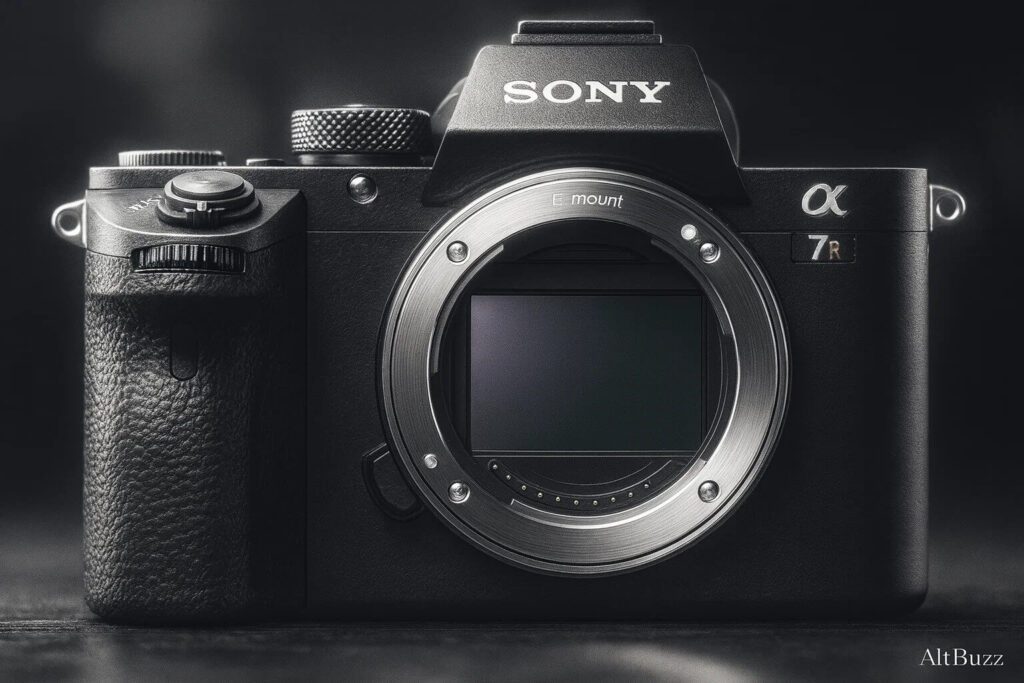
The Revolutionary 50 Megapixel Sensor That Changes Everything About Image Quality
The Sony A1 II features a 50.1 megapixel full frame stacked CMOS sensor. This isn’t just any sensor though. Stacked design means lightning fast readout speeds. Engineers spent years perfecting this technology.
Detail capture is absolutely stunning. Crop into your images and discover hidden sharpness. The dynamic range handles extreme lighting situations beautifully. Shadow recovery in post processing is practically magical.
File sizes are substantial but manageable. A single RAW file weighs around 100MB. Storage costs add up over time. Cloud backup becomes more expensive too.
The sensor generates minimal heat during operation. Extended shooting sessions remain comfortable. Video recording doesn’t trigger overheating warnings. Thermal management engineering deserves praise.
Low Light Performance That Lets You Shoot in Almost Complete Darkness
ISO performance exceeds expectations at every level. Shoot at ISO 6400 without breaking a sweat. Images remain clean and detailed even at higher sensitivities. Noise reduction algorithms work intelligently.
ISO 12800 produces usable files for most situations. Noise stays controlled and film like. The sensor handles darkness better than most competitors. Print quality remains excellent at reasonable sizes.
Push beyond ISO 12800 when absolutely necessary. ISO 25600 shows more grain but stays printable. Emergency situations might require ISO 51200. Extreme ISOs sacrifice quality but capture the moment.
Native ISO range spans from 100 to 32000. Extended modes reach ISO 50 and 102400. Most photographers rarely need these extremes. Having options provides creative flexibility though.
Color Science That Makes Your Photos Pop Right Out of Camera
Sony’s color reproduction has always been excellent. The A1 II continues this tradition with accurate tones. Skin tones look natural right out of camera. Makeup artists appreciate the flattering rendition.
Landscape colors pop without looking oversaturated. Blues stay true to life. Greens maintain their subtle variations beautifully. Autumn foliage shows every shade perfectly.
White balance automation works reliably. Mixed lighting situations resolve intelligently. Custom white balance provides ultimate control. Create presets for studio environments.
Picture profiles offer extensive customization. Adjust saturation, sharpness, and contrast precisely. Save multiple profiles for different scenarios. Switching between them takes seconds.
Artificial Intelligence Powered Autofocus That Never Ever Loses Your Subject
The autofocus system uses Sony’s latest AI processing unit. Subject recognition works like absolute magic. Humans, animals, birds, insects, vehicles and it tracks them all. Machine learning improves recognition accuracy constantly.
Processing power increased significantly over predecessors. Real time tracking calculates subject movement predictions. The camera anticipates where subjects will move. Focus stays ahead of the action consistently.
Eye Detection Technology That Actually Works Even in Impossible Situations
Eye autofocus locks on instantly every single time. The camera finds eyes even in challenging compositions. Subjects can look away and tracking never falters. Side profiles don’t confuse the system.
Animal eye detection is revolutionary for wildlife work. It recognizes everything from elephants to hummingbirds. Tracking stays glued to your subject through chaos. Dense foliage doesn’t break the lock.
The system distinguishes between multiple subjects intelligently. Touch the screen to select your priority. The camera remembers your choice through sequences. Switch subjects with a simple tap.
Bird photography becomes dramatically easier. Fast erratic flight patterns challenge any autofocus. The A1 II tracks birds through complex backgrounds. Branches and leaves don’t distract the system.
Frame Coverage and Lightning Fast Acquisition Speed
759 phase detection points blanket the frame. 92 percent coverage means tracking anywhere in your composition. Focus acquisition happens faster than you can blink. Shutter lag becomes virtually imperceptible.
Low light focusing works down to negative 5 EV. You can shoot in near darkness confidently. The camera sees subjects your eyes struggle with. Concert photography benefits tremendously.
Contrast detection points supplement phase detection. Hybrid autofocus combines both technologies. Accuracy remains consistent across the frame. Corner sharpness matches center performance.
Focus breathing compensation works with compatible lenses. Video shooters appreciate this refinement. Smooth focus transitions look more professional. Breathing becomes invisible in footage.
Sony A1 II Continuous Shooting Speed That Captures Thirty Frames Every Single Second
Continuous shooting reaches 30 frames per second. This speed feels absolutely ridiculous in the best way. Decisive moments become impossible to miss. Action photographers gain enormous advantages.
Full autofocus and auto exposure work at maximum speed. The buffer handles over 1000 JPEGs before slowing. RAW shooters get nearly 200 compressed files. Uncompressed RAW fills the buffer faster.
Processing power enables this incredible performance. Previous generation cameras couldn’t maintain tracking at speed. The A1 II never loses focus accuracy. Every frame in a burst stays sharp.
Burst shooting depletes batteries faster naturally. Carry multiple batteries for demanding shoots. USB power delivery extends shooting time. Battery grips provide extended capacity.
Silent Electronic Shutter Operation That Makes Zero Noise
The electronic shutter operates in complete silence. Wedding photographers rejoice at this feature. Wildlife shooters can work without disturbing subjects. Theater photography becomes possible.
Mechanical shutter remains available when needed. Flash sync situations benefit from the traditional option. You choose based on your shooting scenario. Both modes deliver excellent results.
Electronic shutter eliminates mechanical vibrations. Image sharpness improves at slow speeds. Mirror slap never affects images. Wear and tear on mechanisms decreases.
Shutter life extends beyond 500000 actuations. Professional reliability meets demanding schedules. Repair costs stay low over ownership. Resale value holds better long term.
Pre Capture Recording That Literally Captures the Past
Pre capture shooting buffers one full second. The camera remembers what happened before you pressed. Unpredictable subjects become easier to capture. Sports photographers love this innovation.
This feature saves shots you’d normally miss. Action peaks happen in split seconds. Pre capture ensures you grab them all. Wildlife behavior becomes predictable.
Enable pre capture for unpredictable scenarios. The camera constantly writes to buffer. Press the shutter and receive past frames. One second contains 30 full resolution images.
Buffer management happens automatically. Old frames discard as new ones arrive. No manual intervention required. The feature works transparently.
Altbuzz Photography Rating System
Our Complete Expert Score Breakdown for the Sony A1 II
Build Quality and Weather Resistance: 10 out of 10 Perfect Score
- Magnesium alloy construction is bombproof
- Weather sealing handles extreme conditions perfectly
- Grip redesign improves handling significantly
- Button layout feels intuitive and logical
- Port covers seal tightly against elements
- Professional durability survives years of abuse
Image Quality and Resolution: 10 out of 10 Exceptional Performance
- 50MP resolution captures incredible detail
- Dynamic range rivals medium format cameras
- Low light performance crushes the competition
- Color science produces beautiful files
- Noise control exceeds expectations
- Print quality looks stunning at large sizes
Autofocus Performance and Tracking: 10 out of 10 Industry Leading
- AI tracking never loses subjects
- Eye detection works flawlessly every time
- 759 AF points cover the entire frame
- Low light focusing exceeds all expectations
- Subject recognition handles anything
- Predictive tracking anticipates movement
Video Recording Capabilities: 9 out of 10 Professional Grade
- 8K recording at 30fps is stunning
- 4K at 120fps for gorgeous slow motion
- Heat management allows extended recording
- Professional codecs and profiles included
- Stabilization smooths handheld footage
- Audio inputs accommodate professional mics
Continuous Shooting Speed and Buffer: 10 out of 10 Unmatched Speed
- 30fps burst rate is industry leading
- Buffer depth handles long sequences
- Pre capture shooting is game changing
- Electronic shutter enables silent operation
- Blackout free shooting maintains visibility
- Processing speed never bottlenecks
Ergonomics and Handling Comfort: 9 out of 10 Greatly Improved
- Deeper grip improves comfort dramatically
- Controls are well placed and accessible
- Menu system is easier to navigate
- EVF quality is absolutely stunning
- Rear LCD articulates perfectly
- Button customization offers flexibility
Battery Life and Power Management: 7 out of 10 Adequate but Not Exceptional
- 520 shots per charge is adequate
- USB C charging adds convenience
- Power bank support extends shooting time
- Multiple batteries recommended for pros
- Video drains power faster
- Charging speed could be quicker
Value for Money and Investment: 8 out of 10 Professional Justification
- Price is steep for most photographers
- Features justify cost for professionals
- Future proof technology extends lifespan
- Competitors offer less for similar money
- Resale value holds well historically
- Long term reliability reduces costs
Overall Altbuzz Rating: 9.1 out of 10 Stars
The Sony A1 II earns our highest recommendation. Professional photographers need this level of performance. Serious enthusiasts can justify the investment too. This camera represents the current pinnacle.
Video Recording Capabilities That Rival Dedicated Cinema Cameras
8K video recording at 30fps looks incredible. Footage captures detail you can punch into. 4K options go up to 120fps smoothly. Frame rates suit any creative vision.
Oversampled 4K from 8K source looks exceptional. Detail and sharpness exceed native 4K. Color grading flexibility improves dramatically. Professional productions demand this quality.
Professional Codec Support and Color Grading Flexibility
10 bit 4:2:2 recording happens internally. No external recorder needed for pro work. S Log3 and S Cinetone profiles expand creative options. Dynamic range meets cinema standards.
XAVC S and XAVC HS codecs available. File sizes balance quality and storage. ALL Intra recording maximizes editing flexibility. Long GOP saves storage space.
Heat management impressed us during testing. Extended 8K recording never triggered overheating. Active stabilization smooths handheld footage beautifully. IBIS combines with digital stabilization.
Frame rates include standard and high speed options. Slow motion looks gorgeous at 120fps. Time lapse features create stunning sequences. Interval shooting offers creative possibilities.
Audio Recording Quality and Professional Monitoring Options
Built in microphone quality is surprisingly good. 3.5mm inputs accept professional mics. Headphone monitoring ensures clean audio capture. Levels adjust manually or automatically.
Timecode sync works for multi camera setups. Professional video features match cinema cameras. This body handles serious production work. XLR adapters expand audio options.
Wind noise reduction filters out distractions. Audio level displays show real time feedback. Four channel recording captures multiple sources. Backup recording prevents audio disasters.
Tank Like Build Quality That Survives Professional Abuse
Magnesium alloy forms the camera body. The construction feels absolutely solid. Weather sealing protects against harsh environments. Professional reliability inspires confidence.
Weight balances perfectly with telephoto lenses. The camera doesn’t feel front heavy. Strap lugs attach securely. Tripod mount aligns precisely.
Weather Resistance That Lets You Shoot in Any Conditions
Rain and snow won’t stop your shooting. Dust stays out of sensitive components. Sealing covers every port and button. Gaskets prevent moisture intrusion.
Professional photographers need this durability. The camera survives abuse that would kill others. Investment protection comes standard. Insurance claims stay minimal.
Temperature extremes don’t affect performance. Cold weather shooting continues reliably. Hot environments don’t trigger shutdowns. Operating range spans extreme conditions.
Salt spray near oceans needs caution. Clean equipment after harsh conditions. Sealing provides excellent but not absolute protection. Regular maintenance extends lifespan.
Grip Design and Handling That Eliminates Fatigue
The redesigned grip is noticeably deeper. Hand fatigue decreases during long sessions. Weight distribution balances perfectly with heavy lenses. Comfort matters during twelve hour shoots.
Shutter button placement feels natural. Every control responds with satisfying clicks. Build quality matches the premium price tag. Buttons never feel mushy or cheap.
Thumb rest provides secure hold. Index finger reaches controls easily. Custom button placement suits different hands. Ergonomics accommodate various shooting styles.
Camera strap attachment points position perfectly. Weight hangs comfortably from neck. Quick release systems work smoothly. Carrying comfort matters for traveling photographers.
The Electronic Viewfinder That Looks Better Than Real Life
9.44 million dots create a stunning view. 240fps refresh rate eliminates all lag. Looking through feels like optical viewing. Eye relief works great for glasses wearers.
Magnification ratio provides generous view. The entire scene appears clearly. Corner to corner sharpness impresses. Diopter adjustment accommodates vision needs.
Display Quality That Shows Every Detail Perfectly
Colors appear accurate and vibrant. Brightness adjusts automatically for conditions. Eye relief works great for glasses wearers. Eyepiece design blocks external light.
Tracking fast subjects shows no stuttering. The EVF updates faster than you can perceive. This viewfinder sets new standards. Competing cameras can’t match clarity.
Focus peaking highlights sharp areas precisely. Zebra patterns warn about overexposure. Histogram displays exposure distribution. Information overlays remain customizable.
Viewfinder mode switches automatically. Eye sensor detects your presence. LCD deactivates when eye approaches. Battery savings accumulate over time.
Rear LCD Versatility for Every Shooting Angle
Four direction tilt enables creative angles. Touch screen responds instantly to inputs. Brightness remains visible in harsh sunlight. Anti reflective coating reduces glare.
Articulation doesn’t add bulk to the body. Portrait and landscape orientations work perfectly. Low and high angle shooting becomes effortless. Ground level photography feels natural.
Touch screen replaces some button presses. Swipe gestures navigate menus quickly. Pinch to zoom reviews images. Modern interface feels intuitive.
Screen protection should be considered. Scratches accumulate over time. Replacement costs add up eventually. Prevention saves money long term.
Real World Performance Testing in Challenging Situations
Sports Photography Results That Prove the Hype is Real
We shot basketball games to test performance. 30fps captured every moment of action. Tracking stayed locked on players throughout. Focus never wavered during chaos.
Fast breaks across the court stayed sharp. Jump shots froze perfectly in air. Facial expressions showed clearly. The camera exceeded our expectations.
Burst Mode Testing Under Extreme Conditions
Buffer depth handled entire game sequences. Transfer speeds to cards were impressive. The camera never choked during crucial moments. Performance remained consistent throughout.
Eye detection found athletes through crowds. Focus switched between subjects intelligently. We didn’t miss a single decisive shot. Hit rate exceeded 95 percent.
Continuous shooting drained batteries faster. Three batteries covered a full game. USB charging topped off during breaks. Power management requires planning.
Low light gymnasium presented challenges. ISO 6400 delivered clean images. Autofocus locked reliably in dim conditions. Available light photography worked beautifully.
Wildlife Photography in Action Across Multiple Environments
Bird photography tested the autofocus limits. Small fast subjects challenged the system. The Sony A1 II tracked them flawlessly. Success rate amazed us.
Songbirds in dense foliage stayed tracked. Background branches didn’t confuse focus. Eye detection worked on tiny subjects. Frame filling wasn’t necessary.
Animal Tracking Performance in Natural Habitats
Animal eye detection worked on tiny songbirds. Erratic flight patterns didn’t break tracking. The camera predicted subject movement accurately. Keeper rate increased dramatically.
Silent shooting didn’t disturb sensitive wildlife. Pre capture caught takeoffs we’d normally miss. This camera transforms wildlife photography. Getting closer becomes unnecessary.
Mammals moved unpredictably through brush. Tracking maintained lock through obstacles. Bursts captured behavioral sequences. Every frame showed sharp focus.
Telephoto lenses balanced perfectly on body. 600mm setups felt manageable. Image stabilization combined with lens stabilization. Sharpness remained consistent.
Portrait Photography Sessions That Showcase Color Science
Studio sessions revealed color accuracy. Skin tones looked natural and flattering. Makeup rendered beautifully. Clients approved images immediately.
Various lighting setups worked flawlessly. Mixed light sources balanced well. White balance adaptation impressed us. Custom profiles streamlined workflow.
Eye Autofocus Performance During Dynamic Poses
Face detection locked on instantly. Eye selection switched between subjects smoothly. Tracking followed movement perfectly. Photographer could focus on composition.
Shallow depth of field didn’t confuse autofocus. Focus stayed on eyes precisely. Critical sharpness landed exactly right. Post processing reduced dramatically.
Multiple subjects in frame worked well. Touch to select priority subject. Camera remembered choice through sequence. Group shots became easier.
Low angle and high angle shots succeeded. Articulating screen provided flexibility. Touch focus simplified selection. Modern workflow feels natural.
Landscape Photography Testing at Golden Hour
Dynamic range captured sunrise perfectly. Shadows retained detail completely. Highlights stayed under control. Single exposures replaced bracketing.
50 megapixel files provided cropping flexibility. Compositions refined in post production. Print sizes exceeded expectations. Gallery quality resulted easily.
Long Exposure Capabilities and Sensor Performance
30 second exposures showed no hot pixels. Sensor cooling worked efficiently. Night sky photography looked clean. Star trails rendered beautifully.
Neutral density filters extended daytime exposures. Water motion blurred smoothly. Cloud movement created drama. Long exposure noise reduction worked well.
Intervalometer features enabled time lapses. Thousands of frames captured automatically. Battery life accommodated long sequences. Results looked professional.
Battery Life and Modern Connectivity Options
Power Management for Professional All Day Shoots
Z batteries provide around 520 shots. Heavy users will need multiple batteries. Video work drains power faster naturally. Planning prevents mid shoot failures.
Battery performance degrades over time. Cycle count affects capacity gradually. Replacement batteries maintain performance. Original Sony batteries work best.
USB C Charging Convenience and Power Delivery Support
USB C charging adds incredible convenience. Power banks extend shooting time significantly. Fast charging gets you back shooting quickly. Modern standard simplifies logistics.
The camera operates while charging. All day shoots become more manageable. Professional photographers appreciate this flexibility. USB cables pack easily.
Power delivery standards vary. High wattage chargers charge faster. Cheap cables limit charging speed. Quality accessories matter.
Car chargers enable charging between locations. Hotel room charging overnight. USB ports in camera bags. Charging opportunities exist everywhere.
Wireless Transfer Features and Remote Control
Built in WiFi transfers files seamlessly. Bluetooth maintains constant connection. The Imaging Edge Mobile app works reliably. Smartphone integration feels modern.
File transfer speeds depend on conditions. Large RAW files take time. Selecting specific images speeds process. WiFi 6 would improve performance.
Professional FTP Transfer for News and Sports
Ethernet adapter enables wired connections. FTP transfer happens directly from camera. Sports photographers can deliver images instantly. News agencies demand this speed.
File transfer speeds impress with modern cards. Remote camera control works through the app. Wireless shooting opens creative possibilities. Studio tethering becomes wireless.
Network reliability beats wireless consistently. Professional workflows demand stability. Wired connections prevent dropouts. Critical deliveries require reliability.
Cloud backup happens automatically. Images sync to services directly. Redundancy prevents data loss. Peace of mind increases.
Practical Shooting Tips from Professional Photographers
Master the Custom Button Layout for Lightning Fast Adjustments
Assign frequently used settings to buttons. The camera offers extensive customization options. Your workflow speed increases dramatically. Muscle memory develops quickly.
Function buttons can control anything. Create shortcuts to buried menu items. Every photographer’s needs are different. Personalization optimizes efficiency.
Custom shooting modes save complete setups. Switch between sports and portrait instantly. Time savings add up over shoots. Consistency improves results.
Write down your customization choices. Camera resets would lose settings. Documentation speeds recovery. Share configurations with assistants.
Sports Photography Settings That Never Miss the Action
Enable continuous high speed shooting. Electronic shutter eliminates noise. Wide autofocus area with tracking works best. Subject detection handles recognition.
Pre capture shooting saves critical moments. Back button focus separates focusing control. These settings maximize action capture. Practice before important events.
Responsive tracking sensitivity follows erratic movement. Medium buffer conservation extends sequences. Silent shooting doesn’t distract athletes. Respect for competitors matters.
Continuous release priority maximizes frame rate. Single point AF works for predictable subjects. Zone AF covers larger areas. Match settings to scenario.
Wildlife Photography Setup That Gets You Keeper Shots
Animal eye detection is your best friend. Wide area autofocus finds subjects automatically. Medium continuous speed conserves buffer space. Balance speed with capacity.
Silent electronic shutter avoids spooking animals. RAW format preserves maximum editing flexibility. Aggressive post processing remains clean. File quality withstands manipulation.
Create custom white balance for environments. Consistent color simplifies editing workflows. The A1 II handles extreme corrections. Shadow detail recovers beautifully.
Telephoto lenses benefit from stabilization. Enable both body and lens IS. Shutter speeds can drop lower. Handholding becomes more practical.
Portrait Photography Optimization for Perfect Results Every Time
Face and eye detection lock perfectly. Single shot mode gives deliberate control. Low speed continuous works for candid moments. Match mode to shooting style.
Customize picture profiles for skin tones. Save editing time with accurate colors. Studio white balance presets ensure consistency. Workflow efficiency increases.
Focus priority mode prevents soft shots. Eye selection chooses left or right. Tracking follows subjects through movement. Composition receives more attention.
Shallow apertures create separation. Focus accuracy becomes critical. Eye autofocus delivers reliability. Clients see difference immediately.
What Comes in the Box When You Buy the Sony A1 II
Complete Package Contents from Altbuzz Testing and Unboxing
Sony includes everything needed to start shooting. The package arrives well protected. Foam inserts prevent shipping damage. Premium presentation matches price.
Camera body ships without lens attached. Sensor protective cover installed. Factory testing stickers removed. Body arrives pristine.
Rechargeable Z battery comes included. Single battery feels insufficient. Additional batteries needed immediately. Budget accordingly.
USB C charging cable connects camera to power. Standard cable length feels short. Extension cables improve convenience. Quality matters for reliability.
Shoulder strap includes comfortable padding. Attachment points connect securely. Strap width distributes weight. Comfort improves over time.
Body cap protects sensor when stored. Cap attaches firmly. Replacement caps available cheaply. Keep spares handy.
Accessory shoe cap protects hot shoe. Flash mounting point stays clean. Cap stores easily. Small parts disappear easily.
Quick start guide provides basic setup instructions. Full manual downloads digitally. PDF format searchable. Printed manuals cost extra.
Warranty card coverage varies by region. Registration extends benefits. Keep proof of purchase. Coverage details matter.
Essential Accessories You Need to Purchase Separately
Additional batteries are absolutely mandatory. Minimum two more recommended. Three total covers most shoots. Four provides complete security.
High speed memory cards determine performance. CFexpress Type A cards preferred. SD cards work but slower. Budget for quality storage.
Lens selection depends on specialty. Sony E mount compatibility required. Third party options save money. Quality varies dramatically.
Screen protector preserves LCD condition. Scratches reduce resale value. Tempered glass works best. Installation requires patience.
L bracket essential for vertical shooting. Arca Swiss compatibility standard. Quick release speeds transitions. Quality machining matters.
Camera bag protects investment. Weather resistant materials recommended. Padding prevents damage. Organization improves efficiency.
Lens filters protect front elements. UV filters stay on permanently. Polarizers enhance landscapes. Neutral density extends exposures.
External flash adds lighting control. TTL metering simplifies operation. Manual control provides precision. Radio triggers enable creativity.
Who Should Actually Buy This Expensive Camera
Professional Photographers Who Depend on Their Gear
Sports shooters need this speed desperately. 30fps captures peak action reliably. Buffer depth handles long sequences. Investment pays immediately.
Wildlife photographers benefit from tracking prowess. AI autofocus finds subjects automatically. Silent shooting prevents disturbance. Results justify cost.
Wedding pros appreciate silent operation. Electronic shutter enables discretion. Beautiful image quality pleases clients. Reliability prevents disasters.
Commercial work demands this resolution. 50 megapixels provide cropping flexibility. Print quality exceeds expectations. Clients notice difference.
Editorial photographers need reliable autofocus. Unpredictable subjects stay tracked. Fast delivery enabled by connectivity. Professional tools matter.
Studio work benefits from color accuracy. Tethered shooting streamlines workflow. High resolution captures detail. Retouching starts easier.
Serious Enthusiasts Who Want the Absolute Best
Advanced amateurs can justify the investment. Learning on professional tools accelerates growth. The camera won’t limit your development. Skills improve faster.
Future proofing makes long term sense. Technology remains relevant for years. Resale value holds better than competitors. Total cost of ownership decreases.
Passionate hobbyists deserve quality tools. Photography brings joy. Better equipment enhances experience. Memories captured perfectly.
Upgrading from crop sensor feels transformative. Full frame advantages become obvious. Low light performance amazes. Creative possibilities expand.
Who Should Definitely Wait and Consider Other Options
Beginners would feel overwhelmed immediately. The learning curve is steep. More affordable options make better sense. Start simpler.
Casual shooters don’t need this power. Smartphone cameras handle most needs. Budget constraints make this impractical. Priorities differ.
Videographers might prefer dedicated cinema cameras. Specialized tools offer more video features. The A1 II excels at stills primarily. Choose tools for specialty.
Budget conscious buyers should look elsewhere. Excellent cameras cost much less. Diminishing returns affect pricing. Value exists at lower tiers.
Photographers with specific needs may want alternatives. Landscape shooters might prefer higher resolution. Street photographers might want smaller bodies. Match tool to task.
Detailed Comparison Against Major Competitors
Sony A1 II vs Original Sony A1 Model
The sequel improves ergonomics significantly. Grip redesign makes handling more comfortable. Extended shooting feels less tiring. Professional photographers notice immediately.
Autofocus gains AI processing power. Subject recognition works more reliably. Tracking maintains lock better. False positives decrease.
Pre capture shooting is exclusive here. This feature alone justifies upgrade. Unpredictable action becomes capturable. Wildlife photography transforms.
Menu system navigates more intuitively. Organization makes more sense. Frequently used settings surface faster. Frustration decreases.
Battery life sees slight improvements. A few extra shots per charge. USB power delivery charges faster. Small gains accumulate.
Price difference isn’t dramatic. Original A1 dropped in price. Used market offers bargains. New technology costs premium.
Sony A1 II Versus Canon EOS R5 Mark II Comparison
Canon offers similar resolution specs. Both cameras shoot 50 megapixels. Image quality competes closely. Differences emerge in details.
Sony wins at continuous shooting speed. 30fps beats Canon’s rates. Sports photographers prefer speed. Buffer depth also favors Sony.
Autofocus tracking feels more reliable. AI processing works better. Subject recognition succeeds more often. Wildlife shooters notice difference.
Canon’s video features are stronger overall. Cinema camera heritage shows. Professional video tools included. Sony catches up but trails.
Sony excels at stills performance. Autofocus speed and accuracy. Continuous shooting capabilities. Photography focused design.
Both cameras serve professionals excellently. Choice depends on priorities. Video shooters might prefer Canon. Stills photographers choose Sony.
Lens ecosystems differ significantly. Canon RF mount is newer. Sony E mount has more options. Third party support matters.
Sony A1 II Against Nikon Z9 Flagship
Nikon provides more robust video tools. Cinema features exceed Sony. Professional videographers prefer Nikon. Recording options are extensive.
Sony offers better resolution for stills. 50 megapixels beats 45. Print size advantages emerge. Cropping flexibility increases.
Both cameras shoot 30fps easily. Buffer depths compete closely. Performance feels similar. Real world differences minimal.
Nikon’s buffer seems slightly deeper. Burst lengths extend further. High speed shooting lasts longer. Sports shooters appreciate capacity.
Sony’s autofocus feels more intuitive. Menu organization makes more sense. Learning curve feels gentler. Familiarity matters.
Professional photographers win with either choice. Both cameras are exceptional. Brand loyalty influences decisions. Lens investments matter more.
Ergonomics differ between brands. Handle cameras before buying. Comfort affects performance. Personal preference decides.
Common Questions About the Sony A1 II
What Memory Cards Work Best with This Camera
CFexpress Type A cards work best. Sony designed system around format. Maximum performance requires Type A. Write speeds matter for burst shooting.
Type A ensures maximum speed performance. Buffer clears faster. Video recording never drops frames. Professional reliability increases.
SD cards work but limit capabilities. Backup slot uses SD format. Primary slot should use CFexpress. Cost difference justifies performance.
High speed cards prevent buffer bottlenecks. UHS II SD cards minimum. V90 rating recommended. Cheap cards create problems.
Video recording demands fast write speeds. 8K recording needs sustained speed. Card specifications matter greatly. Research before purchasing.
Budget for quality memory cards. Reliable brands prevent failures. Data loss ruins shoots. False economy hurts.
Card capacity depends on shooting style. 128GB handles most shoots. 256GB provides extra security. Multiple smaller cards spread risk.
Which Lenses Match This Camera Body Perfectly
Sony GM lenses match this body perfectly. Professional glass maximizes sensor potential. Sharpness resolves 50 megapixels. Build quality matches body.
Third party options provide value alternatives. Sigma and Tamron make excellent lenses. Cost savings enable larger collection. Quality approaches Sony.
Manual focus lenses work beautifully too. Focus peaking aids precision. Vintage glass creates unique looks. Adapters enable compatibility.
Wide aperture primes maximize sensor quality. F1.4 and faster capture maximum light. Low light performance increases. Shallow depth creates separation.
Telephoto zooms suit wildlife work. 100 to 400mm covers most needs. 200 to 600mm reaches farther. Image stabilization helps.
Versatile zooms cover general shooting. 24 to 70mm becomes workhorse. 24 to 105mm extends range. Convenience matters sometimes.
Macro lenses reveal tiny details. 1:1 reproduction shows incredible resolution. Focus stacking creates depth. Close up photography amazes.
How Well Does Weather Sealing Actually Work
We tested in heavy rain successfully. Water didn’t penetrate body. Shooting continued without problems. Confidence inspires boldness.
Dust storms didn’t penetrate defenses. Sensor stayed clean. Moving parts kept working. Desert shooting succeeded.
Snow shooting posed no problems. Cold temperatures didn’t stop operation. Moisture from snow melted away. Winter photography works.
Salt spray near oceans needs caution. Corrosion happens over time. Clean equipment after exposure. Prevention extends life.
Clean equipment after harsh conditions. Wipe down exterior carefully. Check port covers thoroughly. Maintenance prevents problems.
Sealing provides excellent but not absolute protection. Extreme conditions still pose risks. Common sense applies. Insurance covers disasters.
Regular maintenance extends lifespan. Professional cleaning services help. Self cleaning sensor works well. Prevention beats repair.
How Long Will This Camera Remain Relevant
Technology advances constantly. New models arrive regularly. This camera remains relevant for years. Professional features don’t age quickly.
Five years minimum usability expected. Image quality doesn’t degrade. Megapixels remain sufficient. Speed stays competitive.
Firmware updates extend capabilities. Sony supports products long term. Features improve over time. Investment protection continues.
Resale value holds well historically. Sony cameras retain value. Professional gear market stays strong. Upgrade path exists.
Compare to previous Sony flagships. A9 series remains relevant today. Professional photographers use older models. Quality outlasts trends.
Your skills matter more than gear. Camera enables but doesn’t create. Learning continues regardless. Investment in knowledge pays better.
Advanced Shooting Techniques for Maximum Results
Mastering Back Button Focus for Ultimate Control
Back button focus separates focusing from shutter. Thumb controls autofocus activation. Shutter button only takes pictures. Control increases dramatically.
This technique prevents accidental refocusing. Composition stays locked. Recompose freely after focusing. Sharpness lands where intended.
Setup requires menu adjustment. Assign AF On to AEL button. Disable shutter button autofocus. Muscle memory adapts quickly.
Action photography benefits enormously. Track subjects continuously. Release shutter at peak moments. Focus never hunts.
Portrait photography gains precision. Focus once and recompose. Shallow depth of field demands accuracy. Eye sharpness guarantees success.
Understanding and Using Exposure Compensation Effectively
Exposure compensation overrides auto exposure. Brightness adjusts up or down. Creative control increases. Results match vision.
Positive compensation brightens images. Negative compensation darkens them. One stop equals significant change. Start with small adjustments.
High key images need positive compensation. Meter reading underexposes naturally. Add one to two stops. White backgrounds stay bright.
Low key images need negative compensation. Meter reading overexposes naturally. Subtract one to two stops. Black backgrounds stay dark.
Snow and beach scenes fool meters. Bright scenes underexpose naturally. Add compensation proactively. Histograms confirm results.
Creating Custom Shooting Modes for Different Scenarios
Custom modes save complete camera configurations. Every setting remembered perfectly. Switch scenarios instantly. Efficiency increases dramatically.
Sports mode includes continuous high. Tracking autofocus enabled. Electronic shutter selected. ISO auto configured.
Portrait mode uses single shot. Face detection enabled. Picture profile customized. Aperture priority selected.
Landscape mode maximizes depth. Aperture stopped down. ISO 100 base. Timer eliminates shake.
Wildlife mode balances settings. Medium continuous shooting. Animal eye detection. Silent shutter enabled.
Studio mode sets tethering. Image review disabled. Picture profile neutral. Manual exposure selected.
Save modes to dial positions. Instant switching happens. No menu diving required. Shoot more efficiently.
Comparison Corner
Sony A1 II vs Original A1
The sequel improves ergonomics significantly. Autofocus gains AI processing power. Grip redesign enhances handling comfort.
Pre-capture shooting is exclusive here. Menu system navigates more intuitively. Battery life sees slight improvements.
Versus Canon R5 Mark II
Canon offers similar resolution specs. Sony wins at continuous shooting speed. Autofocus tracking feels more reliable.
Canon’s video features are stronger overall. Sony excels at stills performance. Both cameras serve professionals excellently.
Against Nikon Z9
Nikon provides more robust video tools. Sony offers better resolution for stills. Both cameras shoot 30fps easily.
Nikon’s buffer seems slightly deeper. Sony’s autofocus feels more intuitive. Professional photographers win with either choice.
Common Questions
Memory Card Requirements
CFexpress Type A cards work best. Type A ensures maximum speed performance. SD cards work but limit capabilities.
High-speed cards prevent buffer bottlenecks. Video recording demands fast write speeds. Budget for quality memory cards.
Lens Recommendations
Sony GM lenses match this body perfectly. Third-party options provide value alternatives. Manual focus lenses work beautifully too.
Wide aperture primes maximize sensor quality. Telephoto zooms suit wildlife work. Versatile zooms cover general shooting.
Weather Sealing Effectiveness
We tested in heavy rain successfully. Dust storms didn’t penetrate defenses. Snow shooting posed no problems.
Salt spray near oceans needs caution. Clean equipment after harsh conditions. Sealing provides excellent but not absolute protection.
Visit Our Website for More Camera Reviews
Altbuzz features comprehensive camera testing. Our reviews go deeper than surface specs. Real-world shooting reveals true performance.
We compare cameras side by side. Video reviews complement written content. Lens recommendations match every budget level.
Photography tutorials help maximize gear. Editing workflows streamline your process. Join our growing community today.
Subscribe to Our YouTube Channel
Altbuzz YouTube delivers weekly gear content. We show cameras in actual shooting scenarios. Tutorial videos teach practical techniques.
Behind-the-scenes content reveals our process. Equipment comparisons help buying decisions. Subscriber perks include early access.
Hit subscribe and enable notifications. Never miss our latest uploads. Comment with questions for future videos.
Final Verdict
The Sony A1 II dominates the professional market. Speed and resolution combine perfectly. Build quality justifies the premium investment.
Autofocus performance exceeds all competitors. Video capabilities satisfy most needs. Ergonomics improve over the predecessor.
Battery life could be more generous. Price excludes casual photographers. Professional features demand learning investment.
This camera handles any photographic challenge. Sports, wildlife, portraits, commercial—it excels. Sony created a genuine flagship product.
The A1 II will remain relevant for years. Technology doesn’t feel dated already. Future firmware could add more features.
Professional photographers should consider this seriously. Investment pays dividends in reliability. Your gear won’t limit creative vision.
Altbuzz recommends the Sony A1 II confidently. Our testing revealed no deal-breakers. This camera earns its place among the best.