
10 Older Cameras Still Worth Buying in 2026 (Save Your Money)
Before spending two or three thousand dollars on a brand new camera in 2026, it is worth checking what the previous generation costs first. Many bodies that were professional or enthusiast flagships only a few years ago now sell for a fraction of their original price, and most still handle everything the average photographer actually needs. Below are ten older cameras still worth buying in 2026, along with exactly who should choose each one instead of paying full price for the newest release.
Why Buying an Older Camera Still Makes Sense in 2026
Depreciation hits cameras hard, but it rarely touches what a camera can actually do for the type of photography most people shoot. A five-year-old full-frame body still produces excellent portraits, landscapes, and event photos. What changes fastest is autofocus tracking for fast action, video specs, and burst speed, none of which matter equally to every photographer. The real skill in buying used is matching a camera’s strengths to your actual shooting style rather than chasing whatever camera just launched.
10. Canon EOS R: The Cheapest Way Into Full-Frame Canon
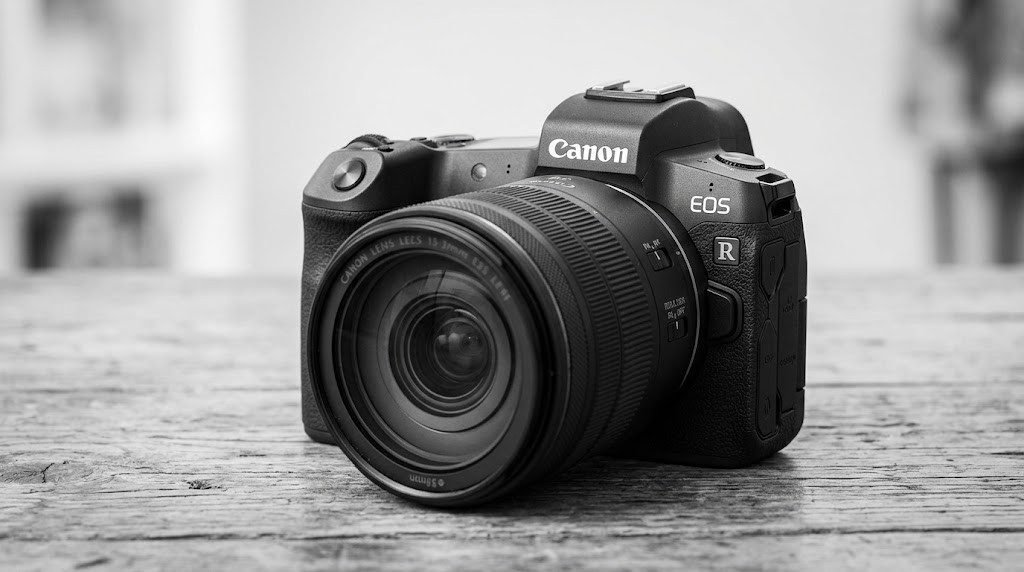
The Canon EOS R launched above $2,000. Today, a clean used copy typically runs between $600 and $900 depending on condition, and that price collapse is the entire story. This was Canon’s first full-frame RF camera, and in 2026 its real job is being the cheapest legitimate way into a 30-megapixel Canon full-frame body with genuine Dual Pixel autofocus and a fully articulating screen.
Who Should Buy the EOS R
Portrait photographers, wedding second-shooters, and anyone building a first full-frame kit on a tight budget benefit most here. It adapts EF glass cleanly, so photographers with old Canon DSLR lenses can start shooting immediately without buying new glass. It does lack IBIS, has only a single card slot, and applies a heavy crop to 4K video, so hybrid shooters and sports photographers should look elsewhere.
9. Olympus OM-D E-M1 Mark III: A System Built to Stay Light
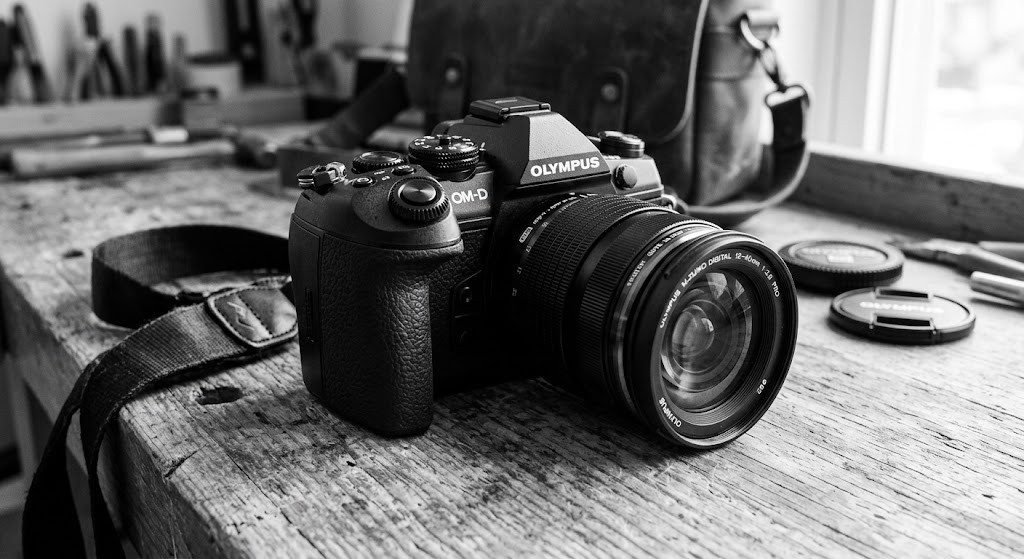
The Olympus OM-D E-M1 Mark III is a rugged, weather-sealed Micro Four Thirds body with real in-body stabilization, fast phase-detect autofocus, and computational modes like high-resolution shooting. The real argument for this camera is not the spec sheet. It is what happens to your lenses.
Who Should Buy the E-M1 Mark III
Wildlife and bird photographers tired of carrying heavy full-frame telephoto lenses, along with travel shooters trying to fit an entire kit into one carry-on, get the most value here. Full frame still wins on high ISO noise, dynamic range, and shallow depth of field, so anyone prioritizing those qualities should stick with a larger sensor system instead.
8. Panasonic Lumix S5: Full-Frame Video for Less
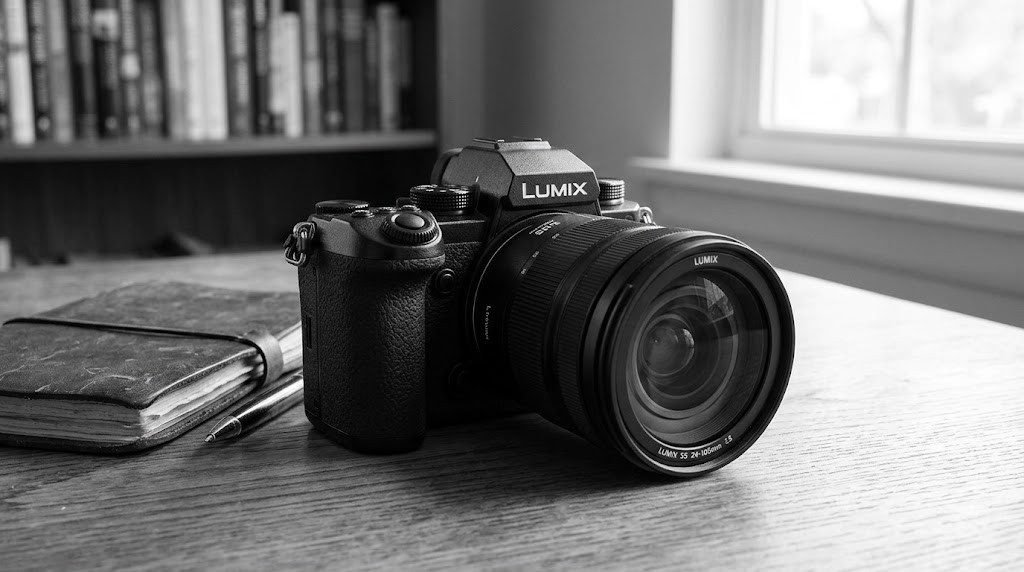
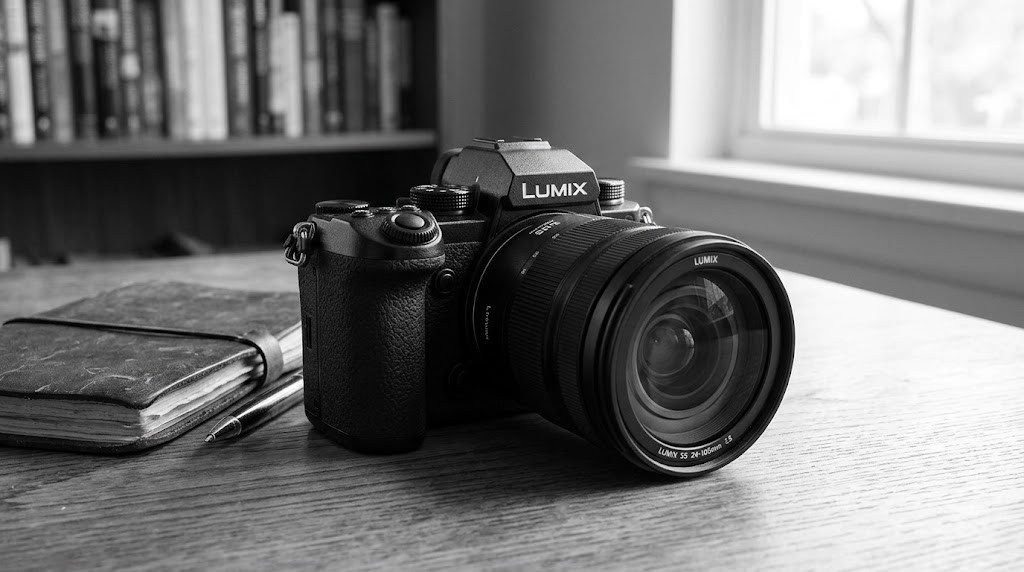
The original Panasonic Lumix S5 shoots full-width 4K at 30fps, adds a cropped 4K60 mode, records 10-bit V-Log internally, and pairs all of that with full-frame stabilization and dynamic range that still competes today.
Who Should Buy the Lumix S5
Small production teams shooting controlled interview setups, narrative filmmakers, and anyone comfortable pulling their own focus manually get outstanding value here. The original S5 predates Panasonic’s modern phase-detect autofocus generation, so continuous autofocus can hunt with unpredictable movement. Solo run-and-gun shooters chasing kids or pets should look at a newer Panasonic body instead.
7. Fujifilm X-T3: The Classic Fujifilm Experience for Less
People do not buy Fujifilm for spec sheets. They buy it for the physical dials, the film simulations, and the compact excellent lenses, and the Fujifilm X-T3 delivers all of that with a 26.1MP X-Trans sensor, dual card slots, a strong viewfinder, and internal 4K60 video.
Who Should Buy the X-T3
Street photographers, travel shooters, and documentary photographers who want Fujifilm’s color science without paying current Fuji prices are the ideal buyers here. Used listings typically sit between $750 and $950. It lacks in-body stabilization and uses an older battery with less sophisticated subject tracking than current Fuji bodies, so buyers who need stabilization should consider a newer X-T model instead.
6. Nikon Z6 II: An Affordable Entry Into Nikon Z Glass
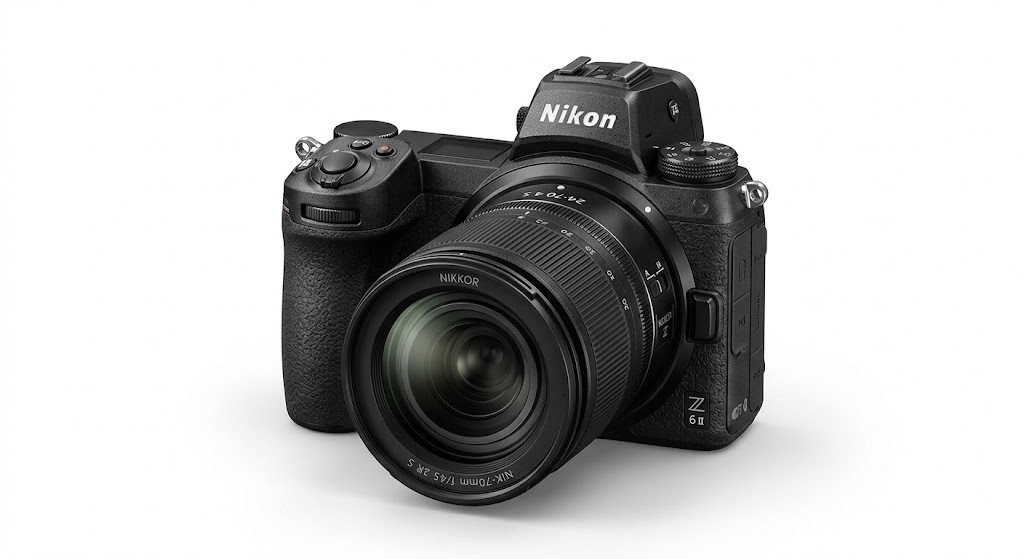
The Nikon Z6 II pairs a 24.5MP BSI sensor with in-body stabilization, dual card slots, and strong ergonomics. This recommendation is really about buying into a lens mount, not just a body.
Who Should Buy the Z6 II
Wedding photographers who already own a bag of Nikon glass and simply need a reliable second body, along with hybrid shooters entering the Z mount for the first time, benefit most. Used bodies sit around $1,000 to $1,200. Newer Nikon bodies pull ahead in subject recognition and tracking, so bird and sports photographers chasing fast action should look at current Nikon flagships instead.
5. Sony A7 III: The Safe, Well-Rounded Choice
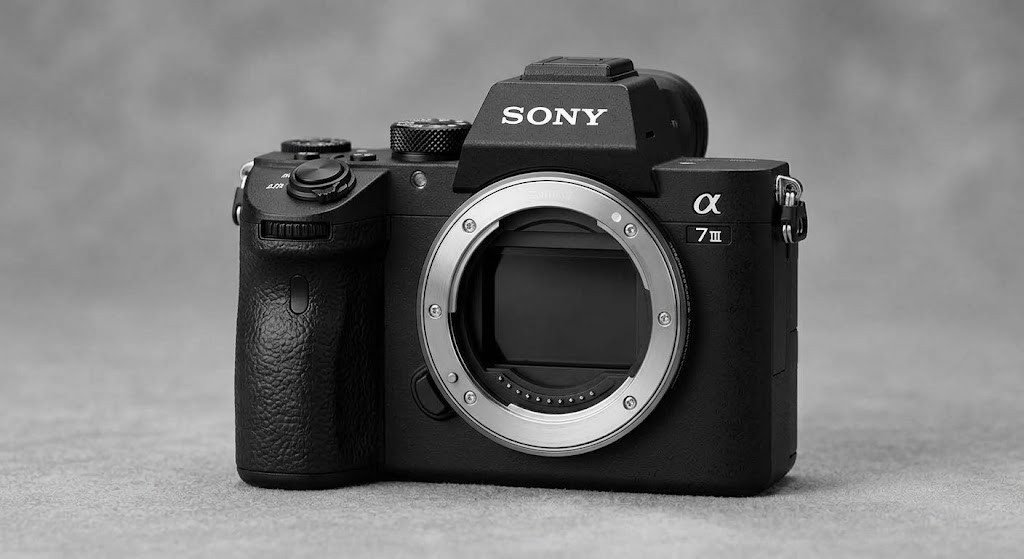
The Sony A7 III pairs a 24MP BSI sensor with IBIS, 10fps shooting, strong autofocus, and excellent battery life. It became one of the most recommended cameras of its generation because it did almost everything well enough, and that has not changed.
Who Should Buy the A7 III
Parents photographing kids indoors, event photographers who need a body that will not miss focus during a speech, and anyone wanting a low-risk entry into Sony’s enormous E-mount lens ecosystem are the target buyers. Used copies typically land between $900 and $1,100. Video tops out at 8-bit, so serious video creators leaning on modern AI tracking should consider a newer Sony body.
4. Canon EOS R6: Built for Speed and Low Light
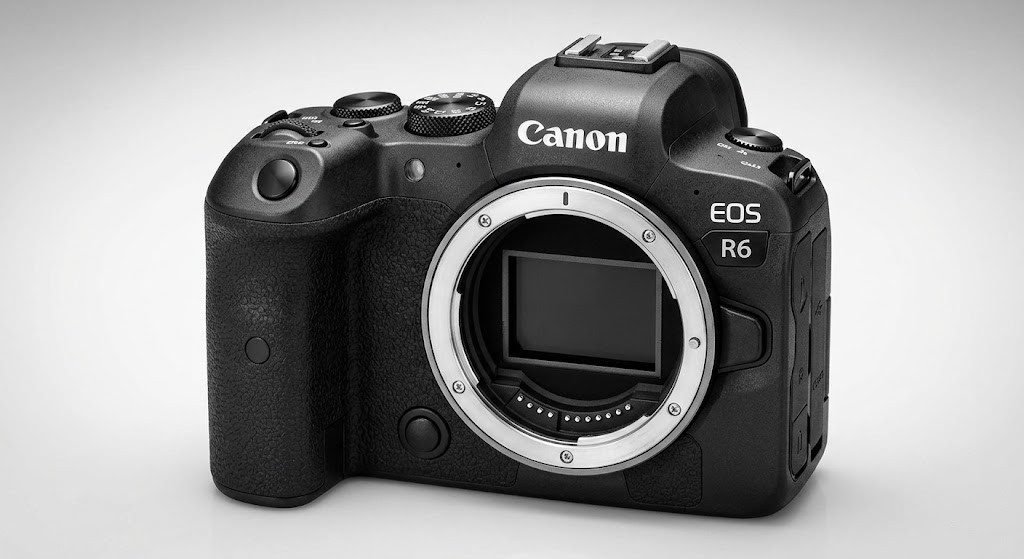
The original Canon EOS R6 pairs a 20.1MP sensor with Dual Pixel CMOS AF II, 12fps mechanical shooting, up to 20fps electronic, dual card slots, and 4K60 video. None of those strengths have become less useful with time.
Who Should Buy the R6
Event photographers chasing a toddler across a backyard, wedding shooters locking focus on a groom’s eyes through a crowd, and anyone prioritizing autofocus and low light performance over resolution will get the most from this camera. Used prices currently run between $1,300 and $1,500. There are real thermal and recording limits for long-form video, so serious videographers should look at newer Canon bodies.
3. Sony A7R IV: Cheap Access to 61 Megapixels
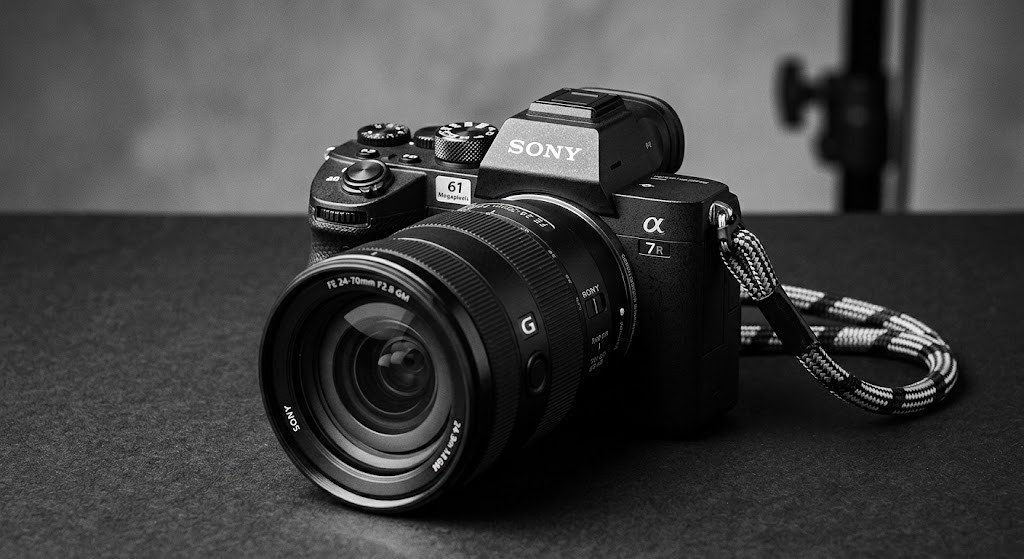
The Sony A7R IV pairs 61 megapixels of resolution with excellent dynamic range, IBIS, strong autofocus, and 10fps shooting. That much resolution has become genuinely affordable in 2026.
Who Should Buy the A7R IV
Landscape photographers working from a tripod at base ISO, along with product and studio shooters who need files that hold up to heavy cropping, are the ideal buyers. Used bodies run around $1,500 to $1,600. Files this large demand more storage, faster cards, and stronger lenses to fully resolve that detail, so casual shooters who do not need the resolution should look elsewhere.
2. Nikon D850: The DSLR Worth Buying on Purpose
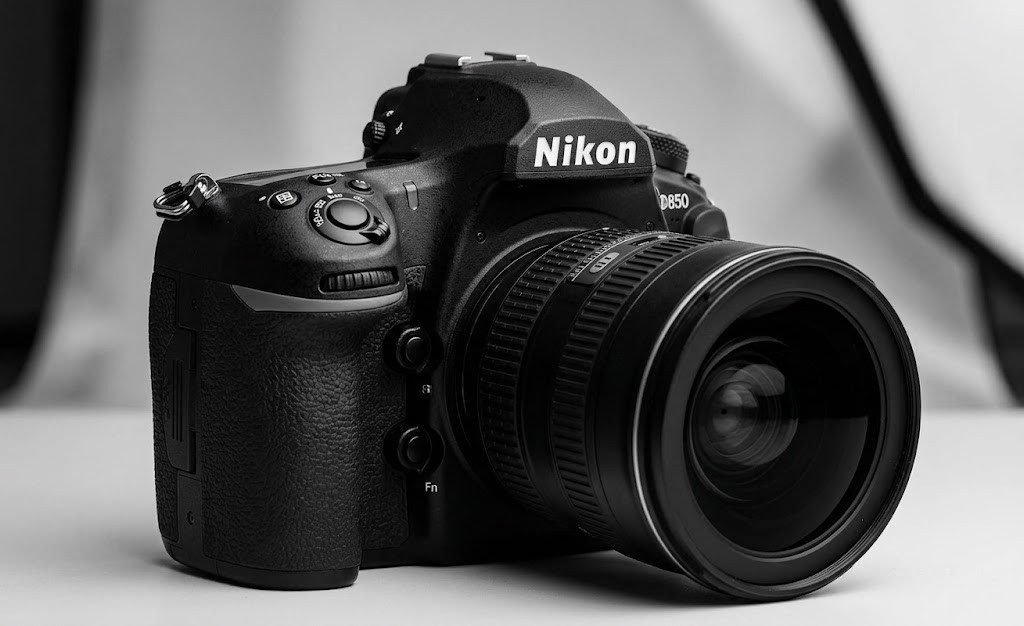
The Nikon D850 pairs a 45.7MP BSI sensor with a 153-point autofocus system, a massive optical viewfinder, exceptional battery life, and rugged professional construction. This is not a DSLR picked because DSLRs happen to be cheap. It is the format’s best expression.
Who Should Buy the D850
Landscape photographers shooting from a tripod at dawn and studio photographers tethered to a laptop with time to focus manually get the most out of this camera. Buying guides consistently point toward $1,000 to $1,400 for a well-maintained body with a documented shutter count. It loses ground in live view autofocus, subject recognition, and stabilization, so anyone prioritizing video or fast-moving subjects should skip it entirely.
1. Canon EOS R5: The Strongest Older All-Rounder
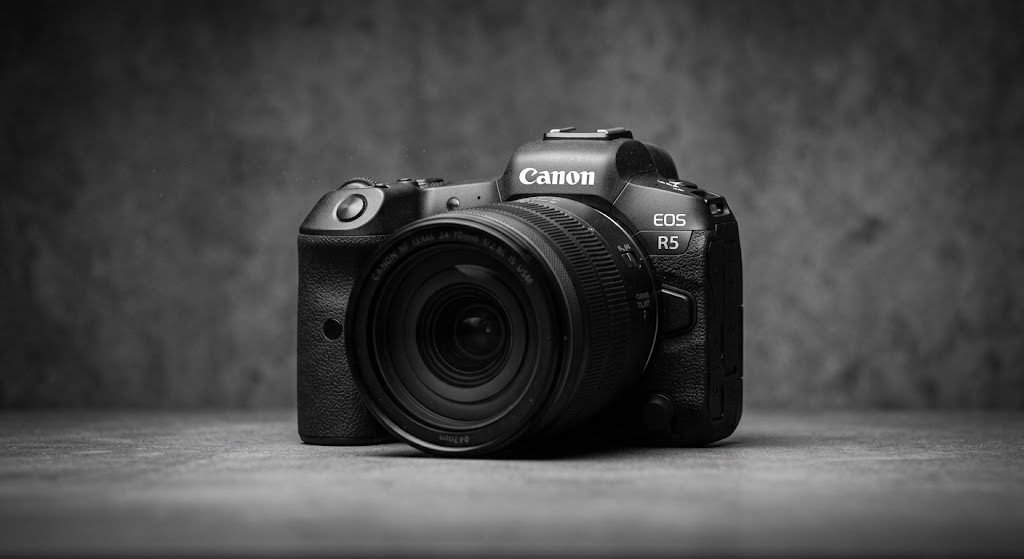
The original Canon EOS R5 pairs a 45MP sensor with excellent Dual Pixel autofocus, IBIS, 12fps mechanical and 20fps electronic shooting, dual card slots, and both 8K and strong 4K video. Compared with everything else on this list, its range stands out, covering wildlife, landscapes, weddings, events, portraits, commercial work, architecture, travel, and studio work without a glaring weakness anywhere.
Who Should Buy the R5
Hybrid shooters photographing a wedding in the morning and delivering a highlight video the same week, along with commercial photographers who need both resolution and speed without renting a second body, are the ideal buyers. Used prices currently land around $1,700 to $2,000, against a Mark II that starts thousands higher. The R5 Mark II genuinely improves sensor readout, action autofocus, and professional speed, but photographers shooting landscapes, portraits, weddings, travel, or moderate wildlife may see far less benefit from that upgrade than its price difference suggests.
Final Thoughts on Older Cameras Still Worth Buying in 2026
None of this means old is automatically better. Plenty of newer replacements genuinely earn their price for the right photographer. The point is narrower: the best older camera was never the cheapest one on a list. It is the one whose expensive replacement solves fewer problems than the price gap suggests. Buying used should be a deliberate decision based on what you actually shoot, not just a way to save money.
Before upgrading to the newest release, compare it honestly against a well-maintained previous-generation body. In many cases, the older camera still covers everything you need, and the savings are better spent on lenses, travel, or simply staying in the field longer.
Read More from Altbuzz
Looking for more honest buying guides that weigh real value instead of chasing whatever camera just launched? Find more comparisons and buying breakdowns at altbuzzmedia.com.
Subscribe to Altbuzz YouTube Channel
For more practical buying guides that help you spend your camera budget where it actually changes your photography, subscribe to the Altbuzz YouTube channel and never miss a new upload.