
Every year, new cameras arrive and people get excited. Brands show shiny ads and reviewers call them amazing. Social media says they are a must-have. Because of this, many people believe buying the newest camera will make them better photographers.
But the truth is different. Some cameras are overpriced. Others offer minimal changes. Some look good but are not useful for normal shooters. Slowly, you see that the hype is bigger than the value.
In 2025, this problem is even larger. Technology is moving fast, but marketing moves faster. Companies push new models every year. Prices continue to rise while real upgrades remain modest.
That is why this list exists. It is not about bad cameras. It is about cameras that do not match the hype. They might still be good, but they are not worth the praise or the price.
We will count down from number ten to number one. Each step will show specs, price, and the reason the camera is overrated. Stay until the end, because the number one overrated camera of 2025 will surprise you the most. Watch the video below for a more detailed explanation.
10. Nikon Z50 II
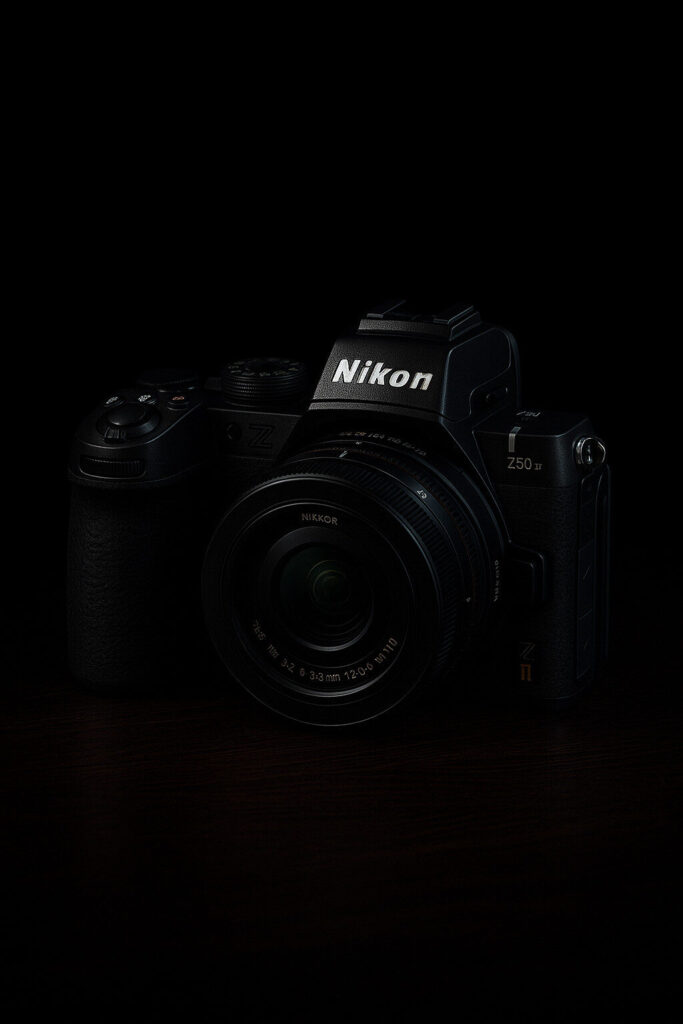
The Nikon Z50 II entered the market with high expectations. Many fans hoped it would bring big changes to the original Z50. However, the reality is very different. The camera has a 20.9MP APS-C sensor and it can shoot 4K video at 30fps. It also comes with eye-detect autofocus, which sounds nice at first. But when you look closer, it feels almost like a copy of the first model.
Because of this, many photographers feel let down. There is no major jump in video quality. There are no exciting new features that set it apart. Even worse, Nikon still has a very small lineup of APS-C lenses. So users are left with limited options for growing their system. When you compare it with other brands at the same price, the Z50 II starts to look weak. For around $1,100 body only, you could get cameras that offer stronger performance and more lens choices. This is why the Z50 II is not only a small update but also one of the most overrated cameras of 2025.
9. Leica SL3
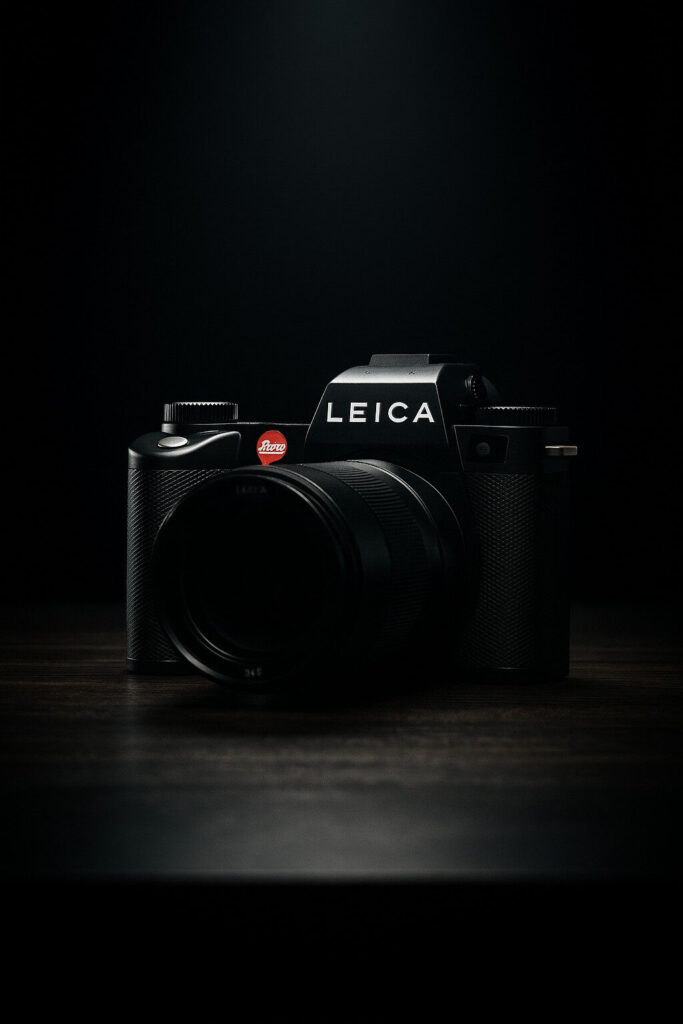
The Leica SL3 arrived with huge excitement. Leica called it a professional beast and promised it would take photography to the next level. On paper, it has impressive features. The camera carries a 60MP full-frame sensor, 8K video recording, and a strong body designed for professionals. At first glance, it feels like a dream machine for anyone who wants top quality.
However, when people actually use it, the story quickly changes. The camera is massive in size and extremely heavy. Carrying it for more than a short while becomes tiring, and it is not practical for travel or long shoots. Many photographers say they leave it at home simply because it is too big. Transitioning to price, things get even harder to justify. The SL3 costs $6,995 for the body only. That is the price of an entire setup from another brand, including lenses and accessories.
Although the image quality is good, it is not truly better than what cameras from Sony, Canon, or Nikon can already do at much lower prices. Side by side, the differences are very small, and in some cases, the competitors even perform better. Because of this, buyers are left wondering why they paid so much. The truth is, the biggest weakness of the Leica SL3 is not the sensor or the video system. It is the fact that you are paying thousands of dollars mainly for the Leica logo, rather than getting real improvements in performance.
8. Leica D-Lux 8
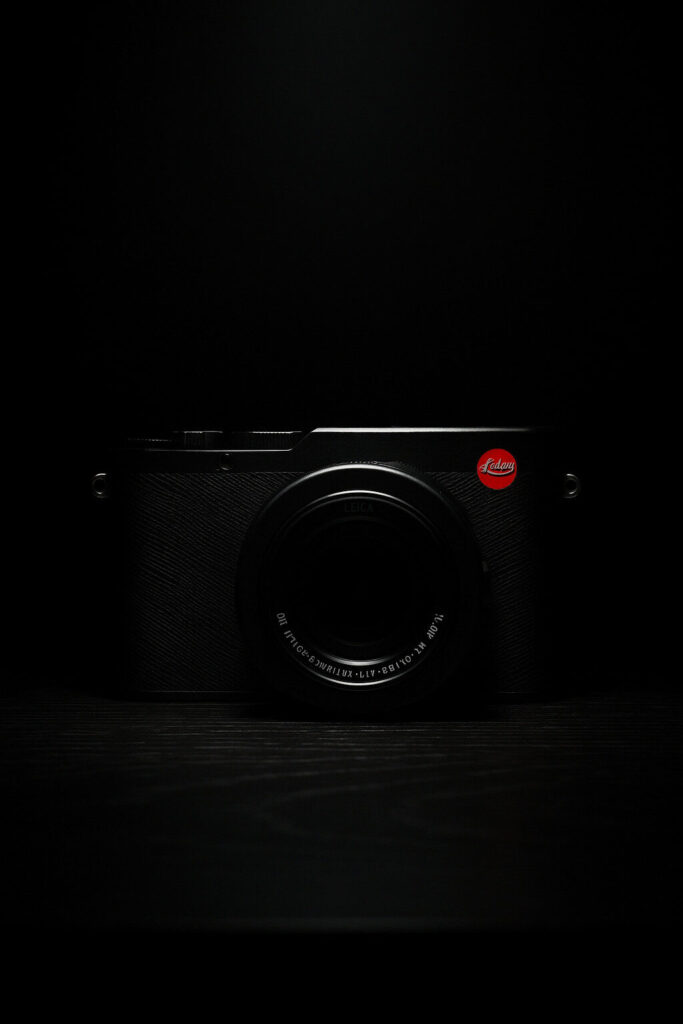
The Leica D-Lux 8 entered the market as a stylish compact that carries the Leica badge. At first glance, it looks like a premium everyday camera, small enough to fit in a bag yet promising excellent image quality. It comes with a 17MP Four Thirds sensor and a Leica DC Vario-Summilux 24–75mm lens, making it appear versatile for casual street, travel, or lifestyle photography.
However, underneath the luxury branding, there is little that feels new. This camera is almost identical to the Panasonic LX100 II, which costs much less. Many reviewers note that the main difference between the two is the red Leica dot and some slight cosmetic changes. The performance, sensor, and lens are nearly the same.
At $1,595, the D-Lux 8 feels overpriced. Yes, it is compact and elegant, but when you strip away the design and branding, you are left paying hundreds of extra dollars for luxury packaging over old technology. For photographers who value function over logo, this is a tough sell. The biggest weakness is not its image quality; it is the fact that it offers nothing unique at such a premium price.
7. Sony A1 II
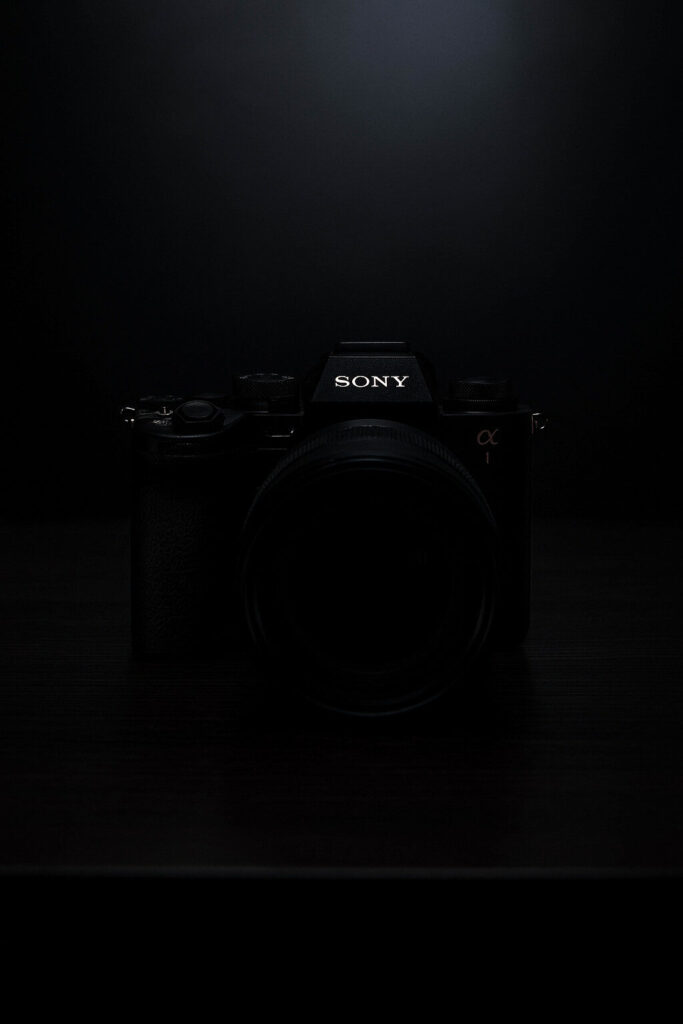
The Sony A1 II is Sony’s flagship powerhouse and looks unbeatable on paper. With a 50MP stacked sensor, 8K video, and a 30fps burst rate, it sounds like the ultimate professional tool. It was marketed as the camera that can do everything, combining high resolution, blazing speed, and advanced video features.
But once you compare it to the original A1, the story changes. The upgrades are real, but they are small and nothing revolutionary. Sony fans expected a huge leap forward, but instead, the A1 II feels like a polished version of the first A1. This would not be a problem if the price were not so high.
At $6,499, the A1 II pushes itself into territory where the upgrades should justify the cost. Most photographers do not. Unless you are a pro who needs that specific edge for sports, wildlife, or high-speed events, it feels like paying thousands of dollars just for bragging rights. The biggest fault is not in performance, but in the lack of meaningful innovation compared to its predecessor.
6. Nikon Z6 III
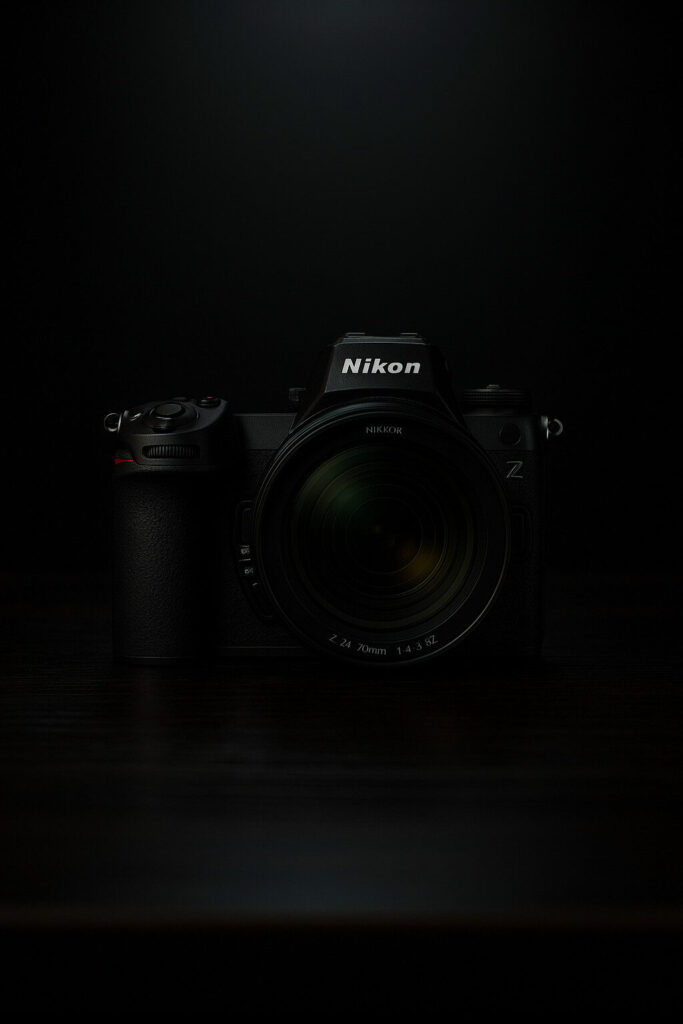
The Nikon Z6 III sits in Nikon’s mid-range full-frame lineup, and on paper, it looks solid. It comes with a 24.5MP sensor, 6K RAW video recording, and improved autofocus. Nikon fans had been waiting for this release, hoping it would deliver the next big step forward in mirrorless technology.
However, when the Z6 III finally launched, it left many photographers feeling underwhelmed. The Z6 II already did much of what this camera offers. Buyers expected features like a stacked sensor for faster shooting, but Nikon did not include it. As a result, the Z6 III does not stand out as either affordable or high-end; it feels stuck in between.
At $2,499, the value becomes questionable. Competing cameras from Sony and Canon offer faster performance or stronger video features at similar prices. For many users, it seems like Nikon played it too safe. The biggest weakness is not that it is a bad camera; it is that it feels outdated at launch, offering too little to get excited about.
5. Fujifilm X-T50
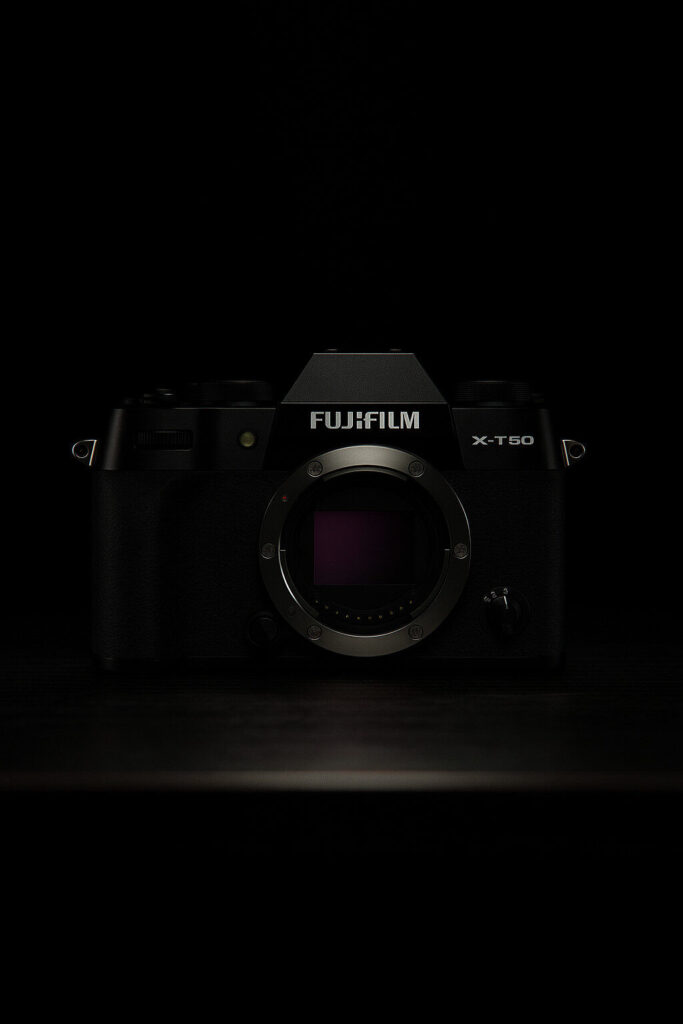
The Fujifilm X-T50 continues Fujifilm’s tradition of retro-styled cameras that appeal to both photographers and hobbyists. With its 40MP APS-C sensor and 6.2K video recording, it packs impressive specs into a compact body. The design is beautiful, with Fuji’s trademark dials and vintage-inspired controls that photographers love.
Yet when you compare it to the X-T5, the differences shrink. The X-T50 feels almost like a rebranded X-T5 with only slight changes. The grip is smaller and less comfortable for long use, making it impractical for serious sessions. Autofocus, while good, is not on par with Sony or Canon, especially in challenging light or fast-moving situations.
At $1,399, buyers expect more than just a stylish shell. Many reviewers note that Fuji put more effort into maintaining its retro charm than improving the camera’s real-world performance. The biggest fault is that the X-T50 makes you feel like you are paying for looks more than substance. For serious photographers, it comes across as style over function.
4. Panasonic Lumix S9
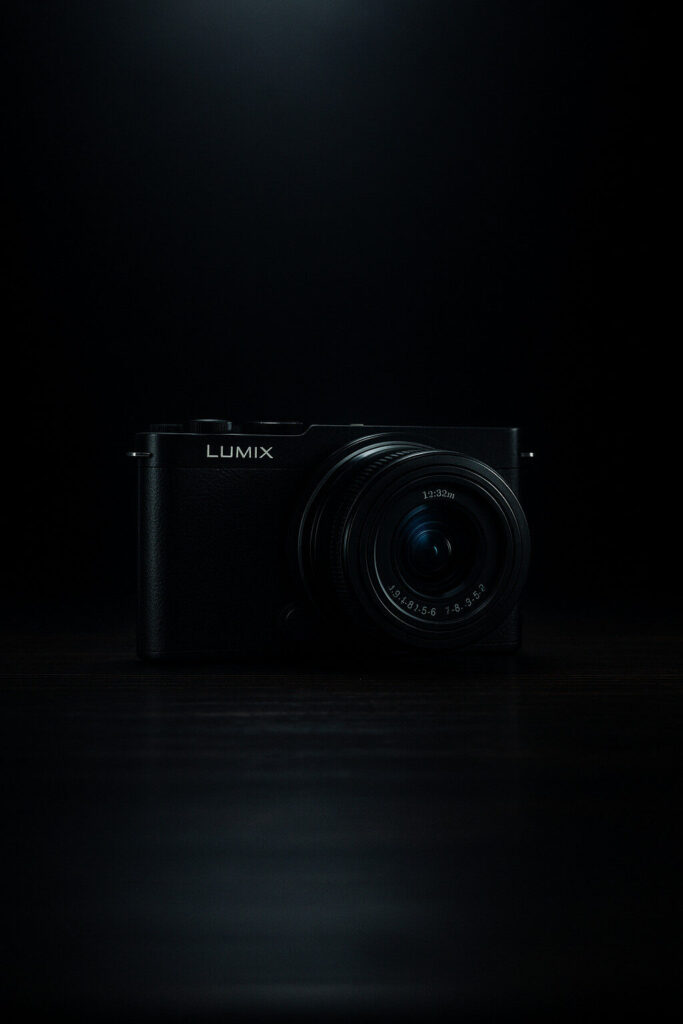
The Panasonic Lumix S9 was introduced as a compact, full-frame mirrorless camera aimed at vloggers and creators. It features a 24MP sensor, 6K open-gate video, and a slim, portable design. On paper, it looks like an exciting tool for modern content creators who want big performance in a small package.
But in real-world use, problems show up quickly. The S9 has major overheating issues, making it unreliable for long recording sessions. Its autofocus is another weak point, still lagging behind Sony and Canon, which dominate this category. These two problems, heat and focus, are deal breakers for most vloggers.
At $1,499, it sits in a very competitive price range where performance matters more than looks. The S9 is sleek and attractive, but for creators who need dependable results, it falls short. The biggest weakness is that it promises portability and power but fails to deliver stability when it is most needed. It is a great idea, but poorly executed.
3. Canon EOS R1
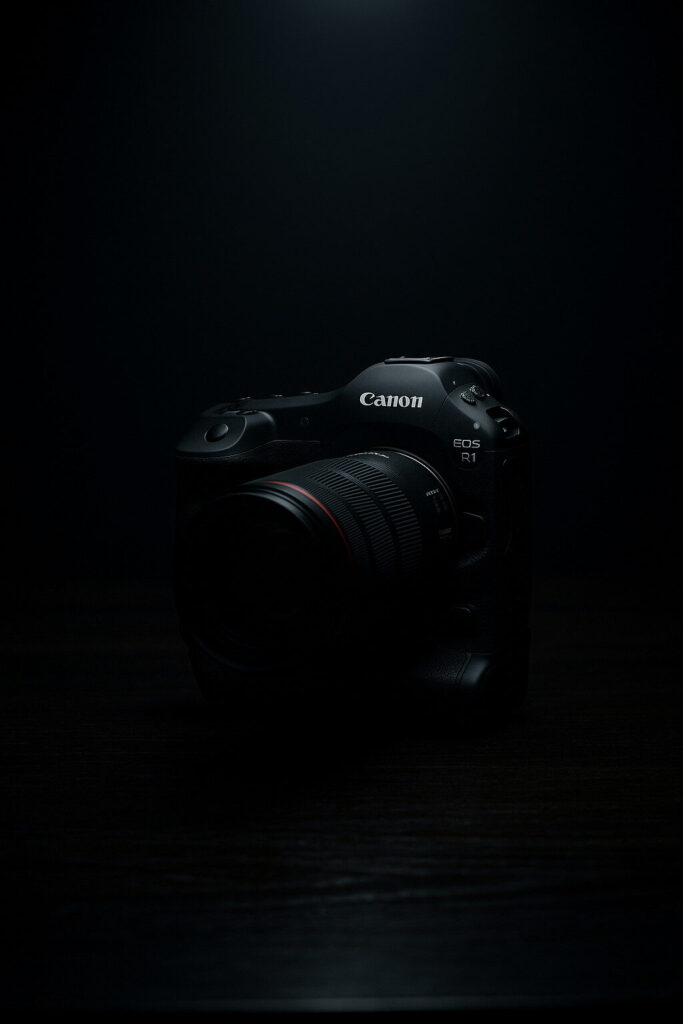
The Canon EOS R1 was marketed as the ultimate flagship mirrorless camera. With its 45MP stacked full-frame sensor, blazing fast autofocus, and 8K RAW video, Canon pitched it as the future of professional photography. For sports, wildlife, and action shooters, it looked like a dream come true.
However, outside of those niche uses, the camera is extreme overkill. Most photographers will never use half of the power it offers. The price tag, $6,299, makes it even harder to justify. Unless you are a top-tier professional with clients who demand this level of performance, it does not make sense for everyday shooting.
Many fans hyped the R1 as a revolution, but in practice, it is a very specialized tool. The biggest weakness is not in its specs; it is that Canon designed it for a very small audience while selling the hype to everyone. For average buyers, it is simply too much camera for too much money.
2. Leica Q3 43
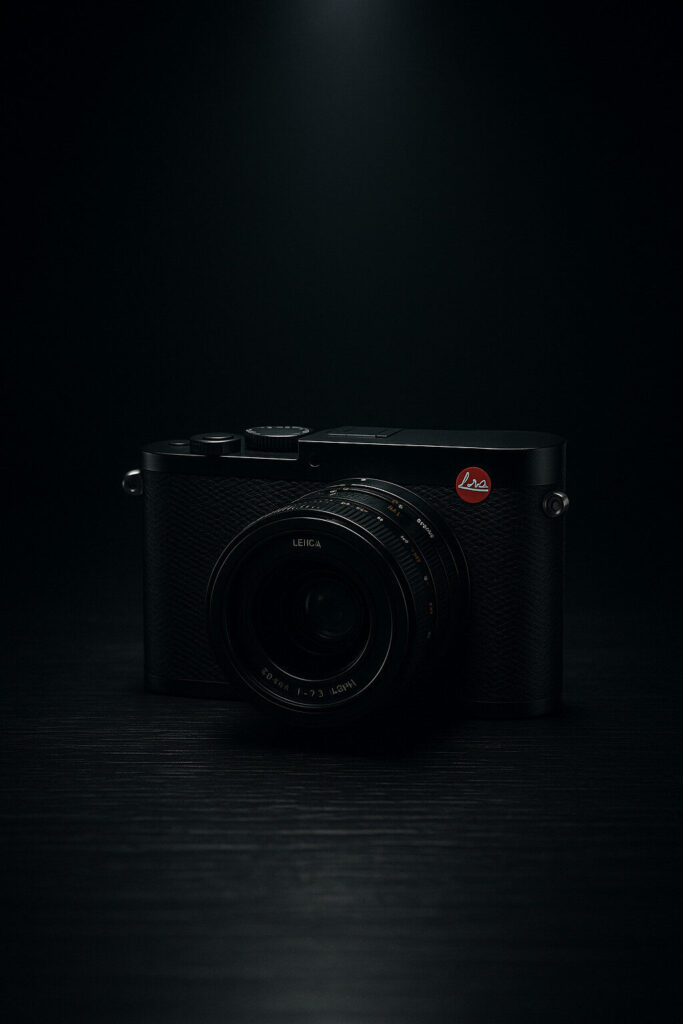
The Leica Q3 43 is one of the boldest luxury compacts Leica has ever released. At first glance, it feels like the ultimate blend of design and performance. It carries a 60MP full-frame sensor that promises stunning detail and sharpness. Paired with the fixed 28mm f/1.7 Summilux lens, it creates images that look vibrant. The body is sleek, the build quality is top-class, and it represents everything that makes Leica cameras feel special.
However, once you move past the excitement, limitations become clear. The fixed-lens design locks you into one perspective. This might work for street photography or environmental portraits, but it limits creative flexibility for travel, events, or varied work. For $5,995, that lack of choice feels restrictive, especially since other brands offer full kits with interchangeable lenses for the same cost.
The Q3 43 shines in design and image quality, but the problem is practicality. Many buyers eventually realize that they paid luxury money for a single-use tool. The biggest fault is that the Q3 43 sells beauty and prestige at the cost of versatility. For those who value flexibility, it feels more like a status symbol than a serious everyday camera.
1. Sony RX1R III
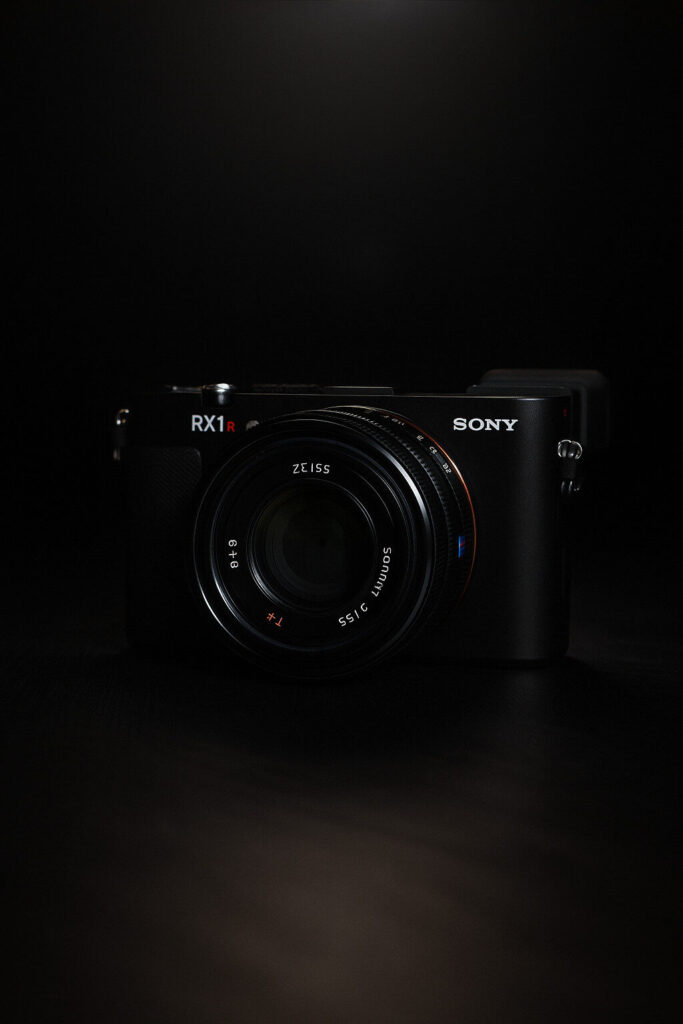
The Sony RX1R III carries the legacy of a once-legendary series. With a 61MP full-frame sensor and a fixed 35mm f/2 Zeiss lens, it offers impressive image quality in a compact body. For photographers who value portability with top-notch resolution, it seems like a dream.
However, the RX1R III arrives too late and feels uninspired. The fixed lens severely limits creative flexibility, especially when competitors offer interchangeable systems at similar prices. Autofocus performance is slower than modern rivals, making it less reliable for dynamic shooting.
At $3,999, the RX1R III is hard to recommend. Sony leans heavily on nostalgia, hoping the reputation of earlier RX1 models will carry this one forward. But the market has moved on, with more versatile and affordable options available. The biggest weakness is that Sony sells sentiment instead of innovation, making it the number one most overrated camera on this list.
Conclusion
The world of cameras in 2025 is exciting, but it is also filled with hype. Many of the models on this list look amazing on paper, yet when you dig deeper, you see that they do not always live up to the promises. Some are too expensive for what they deliver. Others recycle old technology with only small changes. A few are simply designed more for bragging rights than real use.
This does not mean these cameras are bad. In fact, some of them can create stunning images and videos. However, the problem is that their price, weight, or limitations make them less practical for most people. That is why they end up overrated.
As a photographer or even as a beginner, it is important to look beyond the brand names and marketing. Always ask yourself: Does this camera give me real value for the money, or am I paying for the logo? The answer may surprise you.
Read More of Our Reviews and Articles
Want more? Dive into our latest camera guides and reviews packed with honest insights and surprising picks. Don’t miss out on the articles that can help you choose smarter and shoot better.