
Top Ten Worst Cameras
The Top Ten Worst Cameras of 2025 list is here, and it matters more than ever. Many buyers trusted new releases this year. However, real-world tests told a different story. That is why the Top Ten Worst Cameras of 2025 is important. It shows the weak sensors, slow processors, poor autofocus systems, and unstable firmware that held these models back.
This year looked promising. Big brands pushed new features. They talked about sharper image quality, faster burst rates, and better low-light performance. But not every camera delivered. The Top Ten Worst Cameras of 2025 exposes these problems in simple words. It shows where manufacturers failed. It also shows why everyday users felt disappointed.
The Top Ten Worst Cameras of 2025 includes models with unreliable IBIS, outdated lenses, short battery life, and limited dynamic range. These issues affected creators, vloggers, and beginners. So this list helps you avoid the frustration. It helps you understand what went wrong and what cameras you should stay away from.
The Top Ten Worst Cameras of 2025 is based on hands-on use, tech reviews, and user feedback. The goal is simple. Save your time. Save your money. And make sure your next camera choice is actually worth it.
Pentax KF
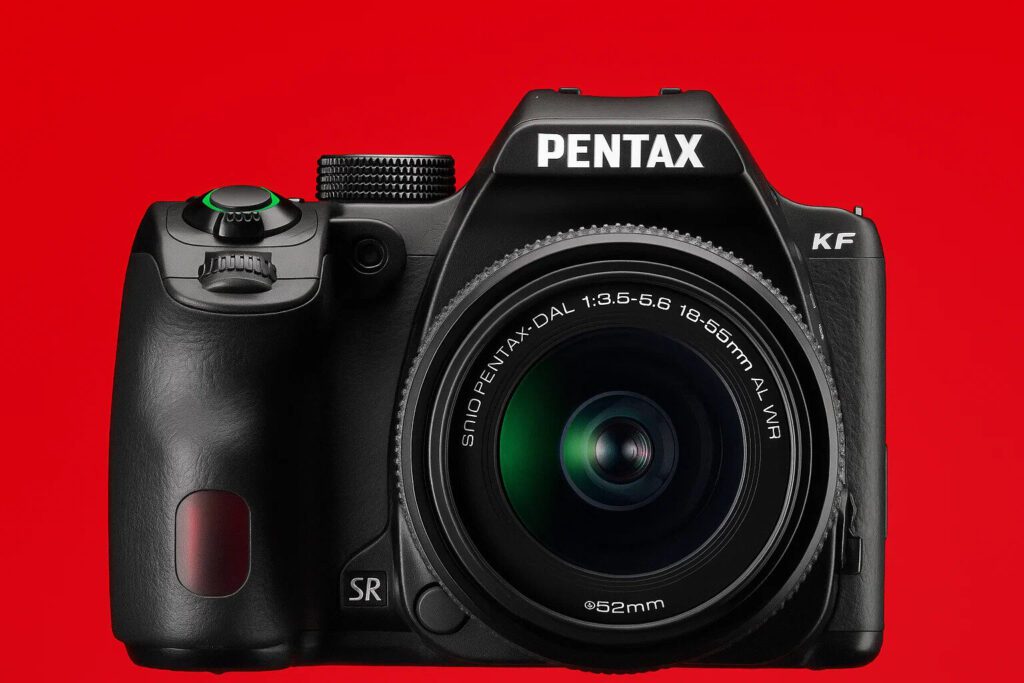
The Pentax KF was expected to be a lightweight, beginner-friendly DSLR. However, the real-world performance told a different story. The camera struggled with its outdated 24MP APS-C sensor. Low-light images showed heavy noise even at moderate ISO levels. The dynamic range felt limited, so shadows often crushed and highlights clipped instantly. This made editing difficult for beginners and frustrating for experienced users.
Autofocus performance was another major issue. The system was slow and frequently missed focus on moving subjects. Even with good lighting, the tracking speed could not keep up with modern standards. Video performance was also weak. The lack of advanced codecs, poor 1080p quality, and unstable exposure shifts made it unsuitable for content creators.
The KF also felt behind in handling. The rear LCD was not sharp enough for reviewing images. The interface felt slow due to an older image processor. Burst mode lasted only a few frames before the buffer filled, making action photography almost impossible. Many buyers expected a solid DSLR, but the Pentax KF simply failed to deliver the basic reliability needed in 2025.
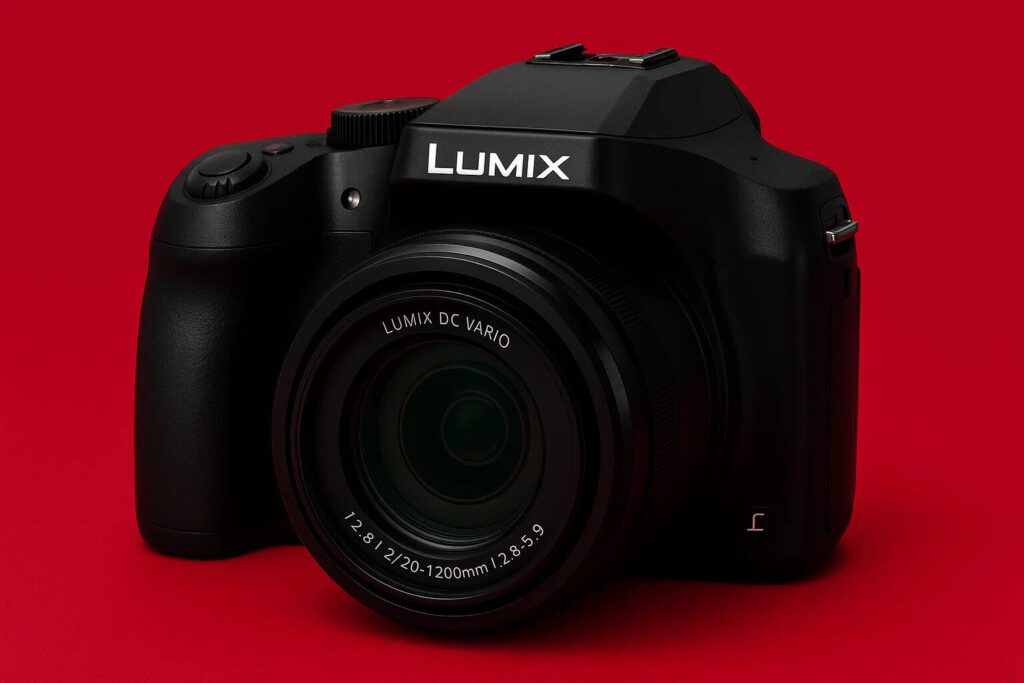
Lumix FZ80D
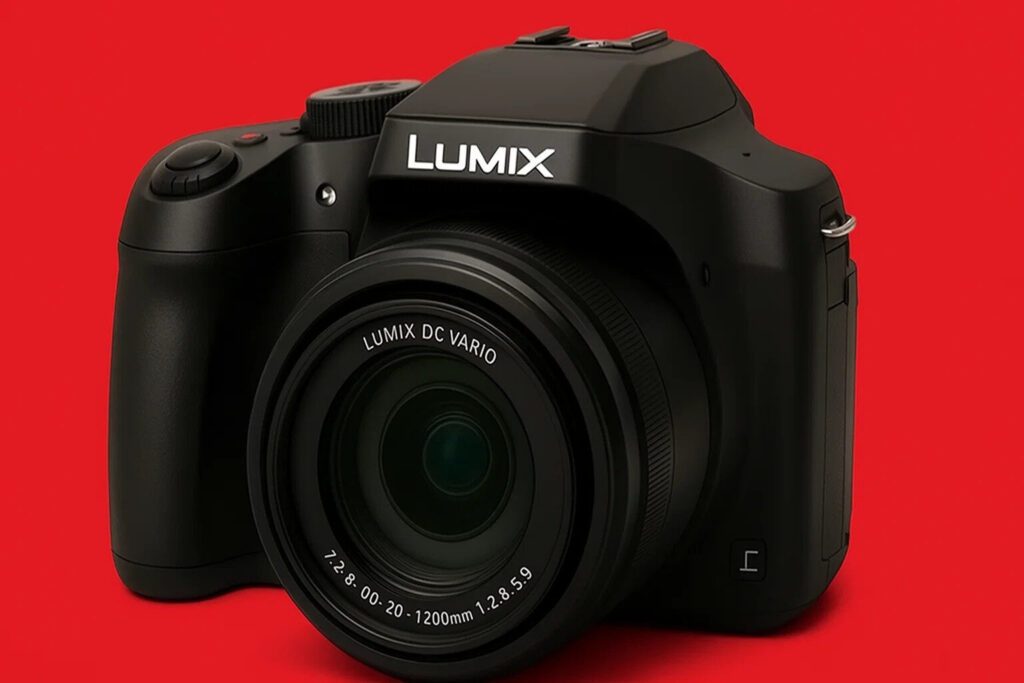
The Lumix FZ80D arrived with a huge zoom range, which attracted many beginners. But once users started shooting, the issues became clear. The small 1/2.3-inch sensor produced soft images, especially at full zoom. Details disappeared due to strong noise reduction. Colors looked washed out, and the overall sharpness felt inconsistent. This made travel and wildlife shots look flat and unimpressive.
Autofocus performance was another disappointment. The contrast-detect AF system hunted in low light. It also struggled with moving subjects like birds, cars, or even people walking fast. Tracking locked on and then lost the subject immediately. This gave the FZ80D a reputation for unreliable focus.
The EVF was low resolution, so framing a shot felt uncomfortable. Bright lighting made outdoor shooting even harder. The camera also suffered from high ISO noise. Noise appeared early, even at ISO 800. This limited the camera’s use to bright daytime conditions. Video quality was also soft and lacked detail, making it a poor tool for vloggers or travel creators. In the end, the Lumix FZ80D promised reach but delivered very little real performance.
Canon EOS M200
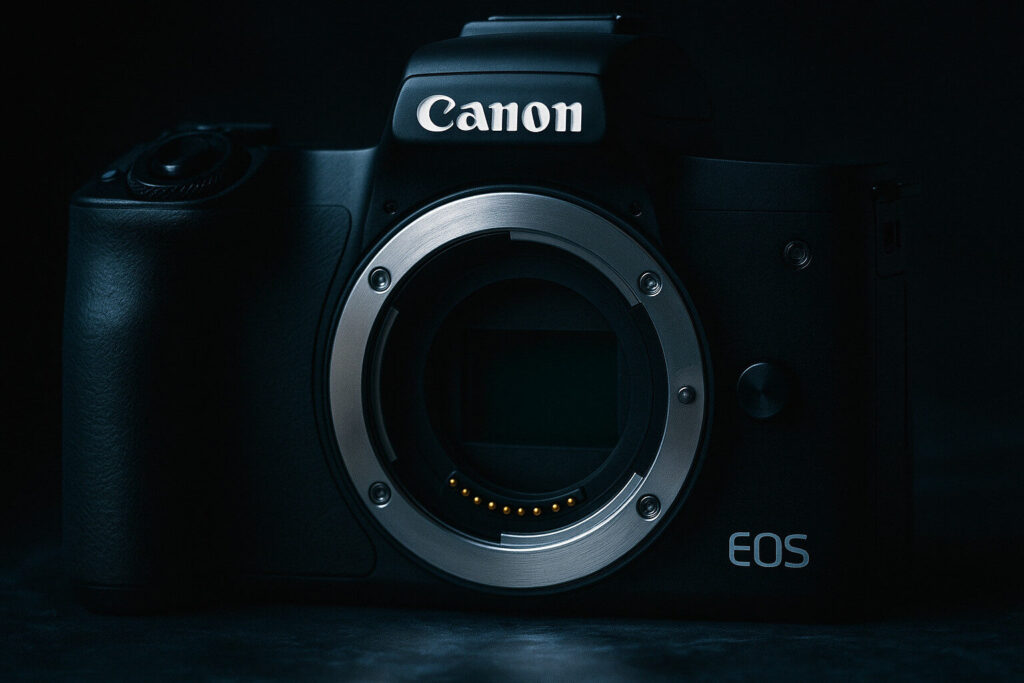
The Canon EOS M200 stayed in the lineup as an entry-level mirrorless option, but it felt completely outdated in 2025. The sensor and processor were old. This created slower readout speeds, weaker low-light output, and poor handling of motion. Rolling shutter was noticeable in video, which made fast movements look distorted. Many creators called it unusable for modern video work.
The lens ecosystem was another huge limitation. Canon stopped expanding the EF-M lineup years ago. Without new lenses, users felt trapped with old, limited options. Autofocus was decent for stills but not reliable for video. Face tracking worked in slow scenes but struggled with movement. Burst mode was slow, and the buffer filled quickly, making sports or wildlife photography nearly impossible.
Battery life was also weak. New users found themselves charging the camera frequently during a single day of casual shooting. The lack of advanced features like 4K60, IBIS, or a strong dynamic range made the camera feel years behind competitors. The M200 tried to stay relevant, but in 2025 it became one of the most disappointing and outdated models on the market.
Leica D-Lux

The Leica D-Lux carried the iconic Leica badge, but the performance failed to match the premium price. The small Micro Four Thirds sensor struggled in low light. Images showed noise very early, and shadow recovery was weak. Many users expected rich Leica color science, but the output felt flat and inconsistent. The lens was sharp only at the center. Edge softness appeared in almost every frame.
Autofocus performance was slow for a 2025 compact camera. Face detection missed frequently. Tracking failed with even mild movement. This made it unreliable for travel, streets, or daily snapshots. The video quality was also disappointing. 4K footage lacked detail, and the rolling shutter made panning problematic. The compact design was attractive, but the camera offered little value compared to cheaper competitors.
Battery life was another major drawback. It drained quickly, especially in continuous shooting or video mode. The menu system felt outdated, and the slow processor caused delays during playback. Many users bought the D-Lux for the Leica experience, but the real experience left them frustrated. In the end, it became one of the most underperforming premium compacts of 2025.
Pentax K-3 III
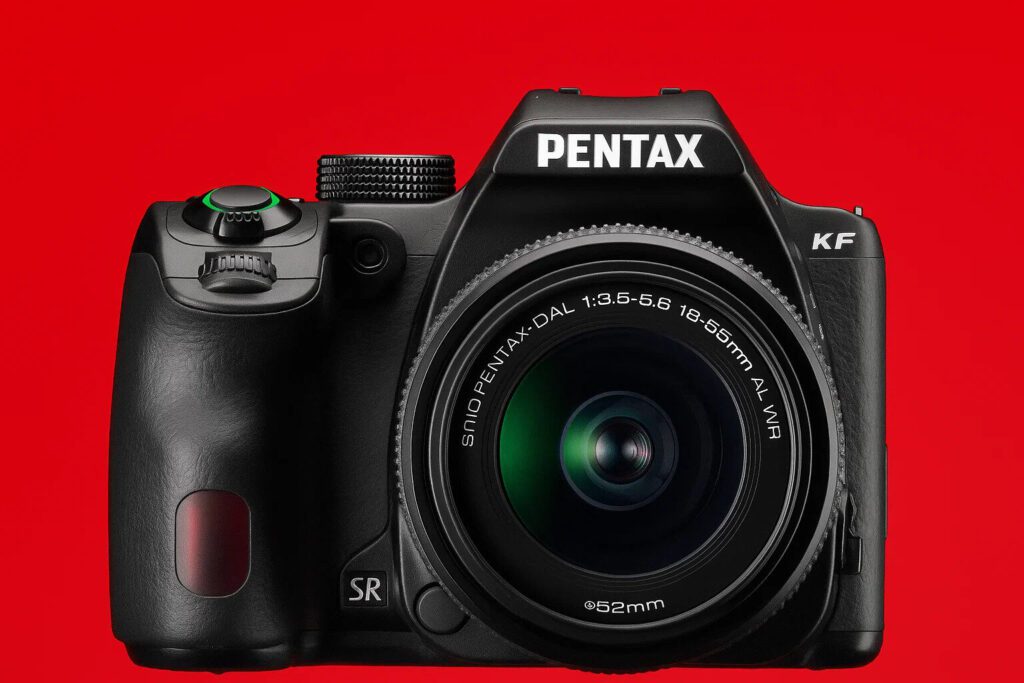
The Pentax K-3 III was expected to be a powerful APS-C DSLR. However, it faced several issues that pushed it into the list of underperformers. The autofocus system was not competitive in 2025. It struggled with fast subjects and produced a high number of missed shots. The tracking algorithm felt outdated and slow. For wildlife or sports shooters, the camera became unreliable.
The camera also suffered from a slow buffer. Burst shooting stopped quickly, even with fast SD cards. The sensor delivered decent detail, but the dynamic range lagged behind mirrorless rivals. Highlights clipped easily, and shadow noise appeared fast. The optical viewfinder was clear, but many users complained about the heavy body and old-school handling.
Video performance was one of the biggest disappointments. The absence of advanced codecs, the lack of proper stabilization, and the rolling shutter made video almost unusable for modern creators. The K-3 III tried to stay relevant, but its outdated design and slow processing pushed it far below competitors. It became a camera only loyal Pentax fans tried to defend, but even they struggled to justify its price.
Panasonic Lumix SR I
The Panasonic Lumix SR I entered the full-frame market with high expectations. However, the camera failed to deliver consistent performance. The autofocus system was slow and inaccurate. In low light, the camera hunted heavily. Even simple scenes became difficult to capture. The contrast-detect AF, which Panasonic used for years, felt outdated in 2025, especially when competing cameras offered advanced hybrid AF.
The image quality also disappointed many users. Colors were often dull. Skintones looked unnatural. The sensor struggled with noise in shadows, and dynamic range felt limited. This made post-processing difficult. Video performance, usually Panasonic’s strong area, fell short. 4K footage lacked depth, and overheating occurred during longer recordings. The camera also lacked proper cooling, which made it unreliable for hybrid shooters.
Handling was another issue. The body felt bulky, and the menu layout was confusing. Battery life was weak for a full-frame camera. Many creators expected a strong and reliable performance tool, but the SR I delivered slow response times and inconsistent files. As a result, it quickly became one of the most disappointing full-frame releases of the year.
OM System Tough TG-7
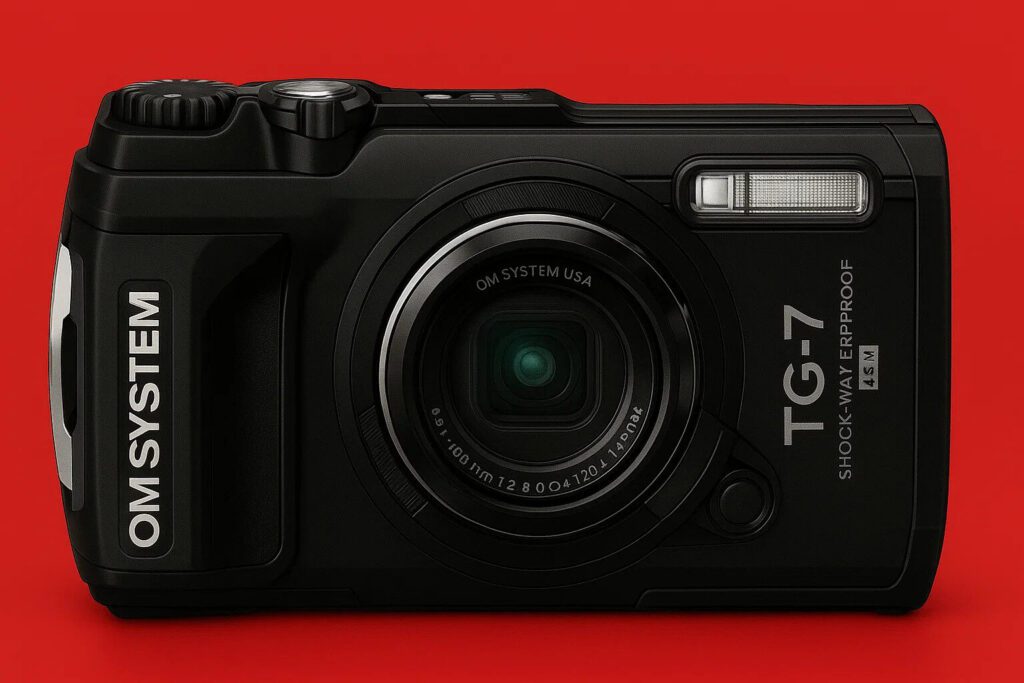
The OM System Tough TG-7 was designed as a rugged, waterproof compact camera. However, the performance did not improve much from previous generations. The small sensor produced soft images and weak low-light performance. Colors looked washed out, and details were lost in shadows. The dynamic range was extremely limited, making bright outdoor shots difficult to balance.
The TG-7 also struggled with autofocus. It was slow and inaccurate, especially underwater or in low light. Users expected stronger updates, but OM System delivered almost the same hardware as older models. The video quality was basic and lacked clarity. Stabilization worked only in simple movements, and digital noise appeared even in daylight footage.
The build was strong, but the camera felt outdated. The menus were old. The processor was slow. The features were limited for 2025 standards. Many adventurers expected a modern rugged camera, but the TG-7 delivered the same performance seen in cheaper action cameras. Because of this, it landed on the list as one of the weakest rugged cameras of the year.
Nikon Z5
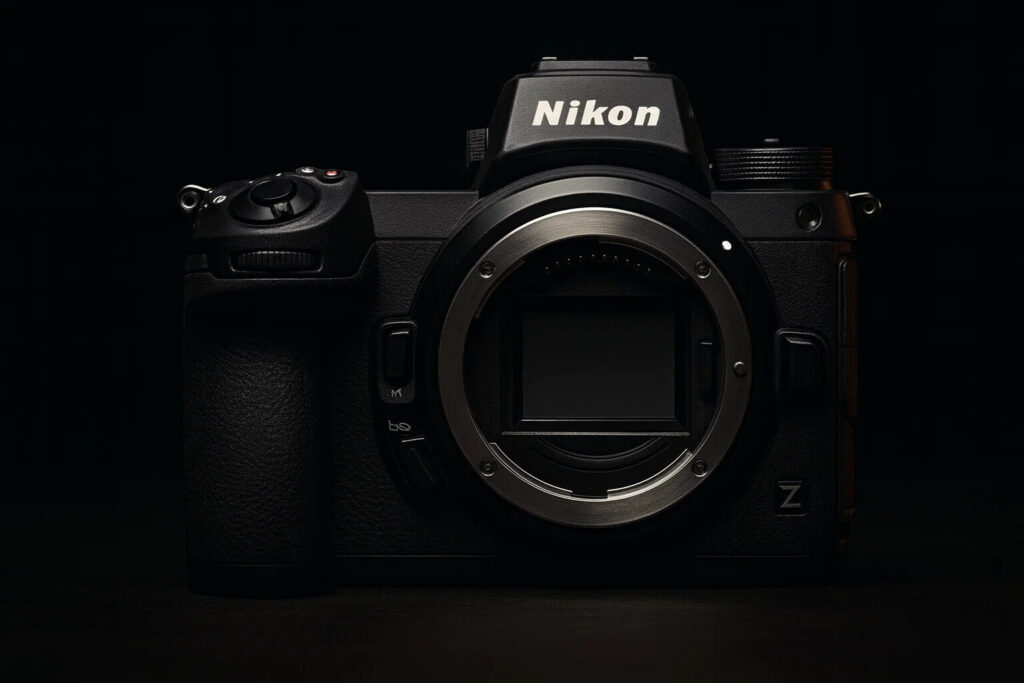
The Nikon Z5 returned as a budget full-frame option, but in 2025 it felt old. The autofocus system struggled, especially in low light. Eye-AF missed focus often, and tracking was slow compared to newer models. This made it difficult for beginners and frustrating for creators who needed reliable subject detection.
The image quality was decent, but the slow sensor readout caused heavy rolling shutter. Video shooters noticed wobble and distortion as soon as they moved the camera. The 4K video also came with a strong crop, reducing the full-frame advantage. Stabilization worked, but only in basic movements. Anything fast or handheld looked shaky.
Battery life was another issue. Users needed extra batteries for even short shoots. The camera also lacked modern features like advanced codecs, high-frame-rate 4K, and fast burst speeds. With limited dynamic range and slow performance, the Nikon Z5 became one of the most outdated full-frame choices of the year.
Sony ZV-1 II

The Sony ZV-1 II was built for vloggers, but it disappointed many creators. The small 1-inch sensor produced noisy footage in anything other than bright daylight. Low-light clips looked soft, and details disappeared fast. The autofocus was fast, but the lens struggled to keep subjects sharp at wider apertures. Colors often shifted, especially under mixed lighting.
The biggest issue was overheating. Even short 4K recording sessions forced the camera to shut down. This made it unreliable for vlogs, travel videos, or outdoor shoots. The stabilization was also weak. Walking shots looked shaky, and digital stabilization reduced image quality even more. The limited dynamic range caused blown highlights in simple scenes.
Battery life was short, and the camera often overheated before the battery even finished. The ZV-1 II promised a simple vlogging setup, but the real-world performance made it one of the most unstable and frustrating cameras of 2025.
Canon R100
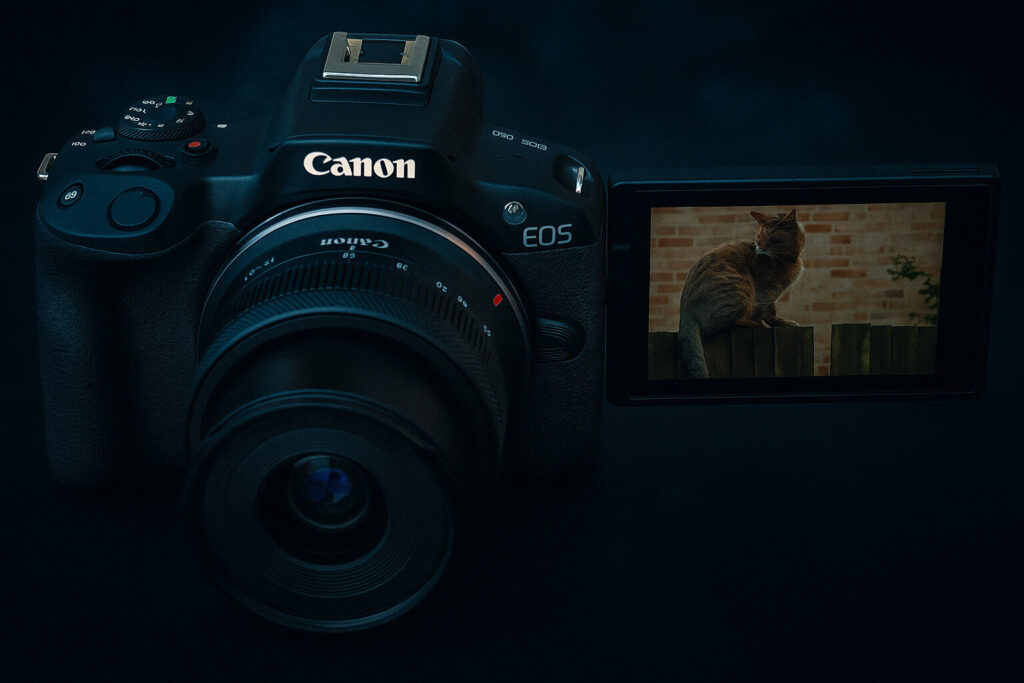
The Canon R100 was marketed as an affordable entry-level mirrorless camera. However, it became one of the biggest disappointments of the year. The camera used an older sensor and a basic processor, which limited both stills and video performance. Autofocus worked fine for slow subjects but failed to track anything that moved quickly. The slow readout speed created strong rolling shutter, making video look warped and unstable.
The camera also lacked many essential features. There was no strong 4K mode, no advanced stabilization, and no high-speed burst shooting. Dynamic range was low, so images lost detail in bright or shadow areas. Battery life was weak and required frequent charging during simple outings.
The biggest problem was the lack of upgrade path. The RF-S lens lineup is still limited, and new users felt restricted immediately. The Canon R100 looked attractive because of the low price, but the real-world experience showed major flaws. As a result, it became one of the most criticized cameras of 2025.
Final Verdict
The cameras on this list disappointed for a reason. Each of the Top Ten Worst Cameras of 2025 failed to meet expectations. Some had weak sensors. Others struggled with autofocus or video performance. Many had outdated processors and poor handling. Battery life and dynamic range were also common issues.
If you are looking for reliability, speed, and modern features, avoid these models. They may look good on paper, but real-world performance is far behind 2025 standards. This list is a warning for beginners, vloggers, and creators. Save your money. Choose cameras that perform consistently in daily use.
The Top Ten Worst Cameras of 2025 shows that brand names alone don’t guarantee quality. Always check real-world tests and user feedback before buying.
Read More
Want to stay ahead in the camera world? Read more of our blogs for detailed camera rumors, reviews, and comparisons. Learn which cameras are worth your money. Discover tips to get the best image quality. Stay updated on upcoming releases in 2025 and beyond. Don’t miss out on expert insights to make smarter buying decisions.