
The Panasonic Lumix ZS-X1 is generating serious excitement. Rumors suggest it could redefine compact travel cameras. Enthusiasts are buzzing across forums and social media. Every leak adds more hype. Early images hint at a sleek, pocketable design with professional controls. Street photographers and vloggers are paying close attention.
Leaked specs point to a 1-inch sensor, which could drastically improve low-light performance. Photographers expect better dynamic range and cleaner RAW files. Faster processing might handle high-ISO shooting effortlessly. Even casual users could notice sharper textures, richer colors, and reduced noise.
The lens may feature a fast zoom range with improved optical stabilization. That means sharper shots even handheld. A wider aperture could allow better bokeh and creative control. Travel and street photographers might capture spontaneous moments without worrying about blur or underexposure.
Video capabilities could reach 4K at 60fps, with some leaks hinting at 10-bit internal recording. Advanced stabilization and high-speed slow-motion recording might make video smoother and more cinematic. Vloggers and content creators could enjoy professional-grade footage in a compact package.
Wireless features could see big upgrades. Bluetooth 5.2 and WiFi 6E might allow instant file transfer. Live view streaming could be smooth, and tethering might become more reliable. Firmware updates and cloud backups could happen automatically, making the workflow seamless.
Rumors suggest the ZS-X1 will be pocketable yet professional. Faster processing, better stabilization, and intuitive controls indicate serious improvements. If the leaks are accurate, this camera could set a new standard for compact cameras. Photographers are eagerly waiting.
Rumors, Specs, and Features of the Panasonic Lumix ZS-X1
The Panasonic Lumix ZS-X1 is creating serious excitement in the photography world. Rumors appear almost every day. Each leak hints at notable upgrades. The camera might combine professional performance with a compact, travel-friendly design. Enthusiasts and content creators are following every detail closely.
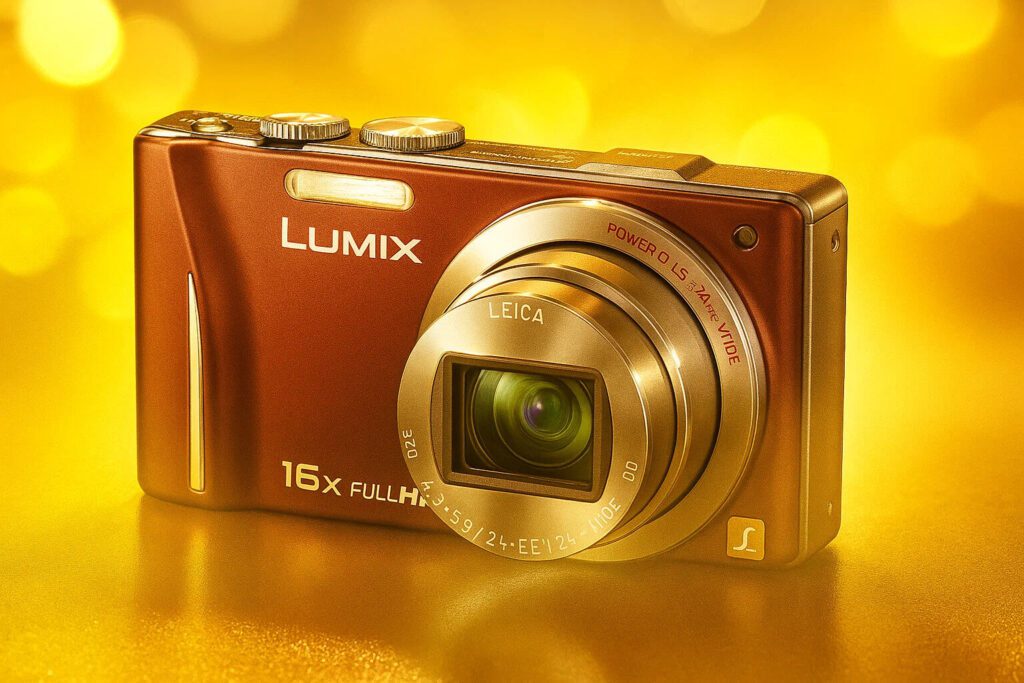
The Panasonic Lumix ZS-X1 could feature a 1-inch sensor for improved low-light shooting and dynamic range
The rumored 1-inch sensor could make a huge difference in low-light photography. Photographers might capture cleaner images at high ISO, preserving details in shadows and highlights. Combined with faster processing, RAW files could tolerate heavy post-processing without losing quality. Noise reduction could be significantly improved, making indoor, evening, and street photography look crisp and professional. The sensor might also enhance color reproduction and texture, giving images a more lifelike appearance. Every shot could have richer tonal depth, making editing and printing easier. Photographers might finally achieve near full-frame quality from a compact body, expanding creative possibilities.
Fast zoom lens that adapts perfectly to wide-angle and telephoto shots
The lens could provide an impressive zoom range suitable for landscapes, street scenes, and portraits. Optical image stabilization might reduce blur even when shooting handheld or in challenging lighting conditions. A wider aperture could allow more creative control over depth-of-field, producing pleasing bokeh for portraits. Travel photographers might carry less gear without sacrificing image quality. The lens design could also minimize chromatic aberration and distortion, making every frame crisp and detailed. Combined with the advanced sensor, this lens might enable high-quality shots in almost any scenario, from architecture to wildlife.
Panasonic Lumix ZS-X1 might deliver advanced continuous shooting speeds for fast action
High-speed burst shooting could reach 15fps or more, paired with continuous autofocus tracking. Photographers might capture fast-moving subjects without missing critical frames. Buffer improvements could allow extended RAW sequences, giving more flexibility during intense action shots. Sports, street, and wildlife photography could benefit immensely. Photographers might rely on the camera to catch split-second moments confidently. Combined with responsive controls and intuitive menus, every decisive moment could be captured with precision. This could make the camera ideal for both professional and casual shooters who want reliability in action photography.
4K video at 60fps with professional stabilization and cinematic quality
Video recording might reach 4K at 60fps with 10-bit internal capture, allowing rich color grading. Filmmakers could achieve cinematic results without heavy rigs. Advanced stabilization might reduce shake during handheld shooting, producing smooth footage in dynamic situations. External microphone support and headphone monitoring could ensure high-quality audio. Features like slow-motion, time-lapse, and interval recording might expand creative possibilities. Content creators could capture professional-looking video on the go, making it perfect for travel vlogs, documentaries, and cinematic short films. The combination of compact size and advanced video features might make it a go-to camera for creators.
Wireless connectivity with Bluetooth 5.2 and WiFi 6E for seamless transfers and remote control
The rumored wireless upgrades could transform workflow for photographers and content creators. Bluetooth 5.2 and WiFi 6E might allow instant file transfer to phones, tablets, or cloud storage. Live view streaming could be smooth and responsive, making remote shooting easier. Tethering could become more reliable for studio or travel work. Firmware updates could download automatically, saving time. Cloud backups might happen in the background, ensuring that every shot is safely stored. Photographers could manage their workflow more efficiently and focus on capturing images rather than worrying about data management.
Advanced autofocus for fast and precise subject tracking
The autofocus system could combine phase-detection and contrast-detection sensors for maximum accuracy. It might track moving subjects with incredible speed. Eye and face detection could make portraits sharper and more natural. Continuous AF during bursts might remain locked. Photographers could capture every frame in focus. Even in low light, autofocus might stay fast and reliable. It could adapt to different lighting conditions quickly. Moving objects might stay in focus automatically. Sports photographers might never miss critical moments. Wildlife shooters could capture precise action sequences. Street photographers might rely on it for spontaneous shots. Combined with high-speed processing, AF might operate almost instantly. Every shot could feel predictable and precise. Photographers could focus more on creativity. They might spend less time worrying about technical errors. With this autofocus, tracking moving subjects could become effortless. It might also adjust focus while panning. The system could switch between subjects instantly. Focus could remain smooth and silent for video. Eye detection might recognize multiple subjects in a frame. Face tracking could prioritize the main subject automatically. Continuous AF might maintain focus even during burst sequences. Every captured moment could be usable and sharp. Photographers might feel more confident shooting fast-moving action. Combined with the camera’s high-speed shutter, autofocus could handle anything. The system might reduce missed opportunities significantly. It could provide professional-level precision in a compact body. With constant updates to focus points, every shot could look natural. AF might even perform well in low-contrast or backlit conditions. Photographers could experiment with action and motion more freely. This system might make capturing decisive moments effortless. Every user could depend on it for both photography and videography.
Built-in image stabilization to reduce blur for handheld shooting
Optical and electronic stabilization could work together to reduce shake dramatically. Photographers might shoot at slower shutter speeds without using a tripod. Videos could remain smooth during handheld movement. Travel photographers might capture spontaneous moments confidently. Street photographers could record fast-moving subjects with clarity. Combined with a fast sensor, stabilization could preserve detail even in low light. Motion effects might remain sharp without blur. Photographers might experiment with creative techniques like panning or tracking. The system could correct for vertical and horizontal shake. Long exposures could remain usable even handheld. Every frame could look professional. Blur might be reduced in both images and video. Photographers could rely on the camera for on-the-go shooting. Stabilization could complement high-resolution sensors. Motion artifacts might become minimal. It could improve video quality without additional gear. Action shots might remain crisp even during dynamic movements. Combined with optical zoom, stabilization could maintain clarity at longer focal lengths. Every spontaneous shot could be sharper and more detailed. Photographers could trust the camera in unpredictable conditions. They might shoot confidently in indoor or low-light environments. Image stabilization could work seamlessly in all shooting modes. Every movement could be compensated effectively. Photographers might experience more freedom to experiment. Motion blur might become a rare problem. The system could deliver consistent results. Overall, stabilization might enhance creative possibilities immensely.
Panasonic Lumix ZS-X1 could have a bright and responsive LCD screen
The rear screen might be high-resolution and fully articulated. Photographers could adjust angles easily. Touch controls might simplify navigation and menu selections. Live view could respond instantly. Bright outdoor visibility might be excellent. Composing shots from high or low angles could become effortless. Photographers might frame tricky perspectives without strain. The touchscreen could allow precise focus selection. Menu adjustments might be fast and intuitive. Every frame could be previewed accurately. Photographers might check exposure and white balance on the spot. Touch gestures could speed up shooting. Zooming and panning might be seamless. The display could show accurate colors. Sunlight might not wash out details. Photographers could rely on it for both stills and video. The LCD could support live histogram display. Focus peaking might help with manual adjustments. Every composition could be more accurate and convenient. Photographers could review shots instantly. The screen might support multi-touch gestures. Navigating settings could be faster. Adjustments could happen without taking eyes off the subject. Focus could be changed with a simple touch. Menus could be accessed quickly. Photographers might feel more confident framing difficult shots. The display might adapt to different lighting automatically. Composing could become more fluid and natural. Every photo could be previewed with clarity.
Fast processing engine for smooth operation and workflow
The processor could handle large RAW files efficiently. Continuous shooting might remain fast without lag. Menus could respond instantly. Photographers could change settings without delays. Image processing might improve dynamic range and color accuracy. HDR might combine multiple exposures seamlessly. Panorama stitching could be faster. In-camera effects might work without slowing down the system. Even advanced settings could run smoothly. Photographers could shoot continuously with confidence. High-speed autofocus might remain responsive. Burst sequences could store frames quickly. Noise reduction might apply in real-time. Photographers could review images instantly. Editing previews might be faster. Memory card writes could be optimized. The system could manage both stills and 4K video effortlessly. Photographers might rely on it for travel, street, and studio work. Every operation could feel fluid and responsive. The processor might optimize power usage too. Photographers could shoot longer without worrying about performance. Even complex workflows might remain seamless. The camera could balance speed and image quality perfectly. Photographers might focus entirely on creativity. Processing might support fast connectivity with mobile devices. Every action might feel instantaneous. Photographers could use the camera for demanding projects.
Advanced RAW and JPEG options for maximum flexibility
The camera might offer multiple RAW formats. High-quality JPEG options could be available. Photographers could control exposure precisely. White balance might be fine-tuned easily. Color grading might retain detail and richness. High-bit-depth RAW could allow professional editing without degradation. Continuous shooting might remain practical in RAW mode. Every file could retain sharpness, texture, and color fidelity. Photographers could switch between RAW and JPEG seamlessly. Workflow could remain fast and efficient. JPEG could be optimized for immediate sharing. RAW files could support extensive post-processing. Photographers could crop, adjust, and color grade without losing quality. Every image might look professional. File management could become easier with fast processing. Photographers could choose formats based on purpose. Print and online content could both be supported. RAW and JPEG options might provide creative freedom. Photographers could experiment without compromise. File formats might remain consistent and reliable. Every shot could be used exactly as intended.
High-speed USB-C port for rapid data transfer and convenient charging
USB-C could allow lightning-fast transfers of large files. Video clips and RAW images might move in seconds. Charging could be faster, supporting long outdoor shoots. Tethered shooting might work smoothly without lag. Photographers could streamline workflow during travel or studio sessions. This upgrade could save significant time and make professional work more efficient. File backups could happen in minutes. Photographers could stay mobile and productive. USB-C might also support high-speed video output. Transferring large 4K files could become hassle-free. Workflows could be smoother for editing. Photographers could switch between devices seamlessly. Power delivery might support rapid recharging. Long shoots could continue without interruptions. Professional workflow could improve dramatically. Photographers might focus on shooting instead of waiting. Every connection could feel reliable.
Panasonic Lumix ZS-X1 may feature improved battery life for extended shooting
Battery life might allow longer outdoor and travel shoots. Photographers could capture hundreds of images or long video sequences without interruption. Power management could optimize energy use during live view and video recording. Spare batteries might extend sessions even further. Reliability in power could make the camera ideal for events, street photography, and travel work. Photographers could shoot confidently knowing the camera won’t fail. Long trips could be covered without carrying multiple chargers. Battery performance might remain consistent in cold weather. Travel photography might become more convenient. Charging could be faster with USB-C support. Power-efficient processing could reduce consumption. Photographers could spend more time shooting than charging. Extended use could benefit both stills and video. Battery life might make the camera truly portable.
Customizable buttons and menus for a personalized shooting experience
Full reassignment of buttons and dials might allow photographers to create a workflow that feels natural. Quick access panels and touchscreen shortcuts could simplify complex adjustments. Every photographer might configure the camera exactly as they want. Customization could speed up shooting, reduce distractions, and enhance efficiency in dynamic environments. Settings might be saved per mode. Users could switch instantly between street, travel, or video setups. Workflow could remain intuitive. Photographers could access frequently used features quickly. Menus might allow drag-and-drop rearrangement. Every command could feel under control. Shortcuts could save valuable seconds during shooting. Personalization could improve comfort. Every adjustment could be predictable. Shooting might become faster and smoother.
Built-in GPS and geotagging for travel and street photography
Location data could embed automatically into images. Photographers might organize and sort shots based on location later. Travel and street photographers could track journeys and revisit favorite spots. GPS might integrate with cloud services for automatic backup. Every image could carry detailed metadata, improving organization and storytelling. Photographers could filter photos by location. Maps could help plan future trips. Metadata might include timestamps and altitude. Geotagging could enhance travel blogs. GPS could allow quick retrieval of images. Photographers might feel more organized. Every shot could be traceable for workflow purposes. Location-based sorting could save hours.
Panasonic Lumix ZS-X1 could support advanced wireless remote shooting
Remote shooting via smartphone or tablet could be smooth and intuitive. Photographers might adjust settings, focus, and shutter remotely. Live view could stream without lag. Remote functionality could allow creative compositions, long exposures, or group shots. This feature could expand possibilities for travel, street, and studio photography. Photographers could experiment with angles unreachable by hand. Remote access could support tricky lighting setups. Live preview might ensure accurate composition. Mobile control could speed up workflow. Every shot might feel planned and precise. Users could shoot from a distance effortlessly. Remote shooting could reduce camera shake. Photographers could capture unique perspectives. Workflow could remain smooth for professional results.
Rumored release date of the Panasonic Lumix ZS-X1
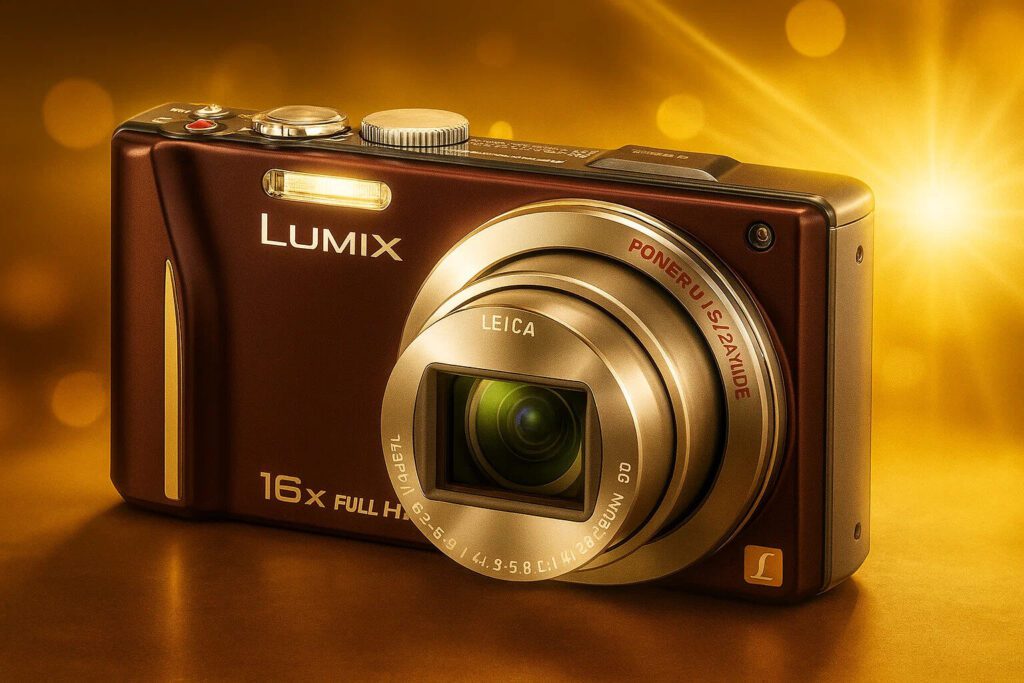
The Panasonic Lumix ZS-X1 might launch in mid-2026. Rumors suggest a summer release, perfect for travel and street photography enthusiasts. Early leaks indicate pre-orders could start shortly after the official announcement. Photographers and content creators are marking their calendars already. The timing seems ideal for summer trips, festivals, and outdoor shooting.
Rumored price of the Panasonic Lumix ZS-X1
Price estimates place the Panasonic Lumix ZS-X1 around $899 to $999. If accurate, this positions it as a high-end compact camera with professional features. Considering the advanced sensor, 4K video, fast continuous shooting, and wireless upgrades, the price could offer strong value. Photographers might see it as an investment in portability without compromising quality. Comparisons with previous Lumix models suggest it could be a competitive option in its segment.
Final verdict and read more from AltBuzz
If the leaks hold true, the Panasonic Lumix ZS-X1 could redefine compact cameras for enthusiasts and professionals alike. With a 1-inch sensor, fast autofocus, high-speed bursts, 4K video, and advanced wireless features, it might become a favorite for street photographers and content creators. Its portability, battery life, and customizable controls could make shooting easier and more enjoyable than ever. For more in-depth specs, news updates, and video coverage, explore all the latest articles on AltBuzz, your go-to source for photography insights.