
Introduction
The Leica Q3 Monochrom stands as a landmark in black-and-white photography. Its dedicated monochrome sensor delivers unmatched tonal depth. Shadows feel alive. Highlights retain subtle detail. Photographers appreciate its simplicity and purity. Post-processing becomes minimal. Results remain rich and textured.
Meanwhile, the Nikon Z6 II offers a versatile full-frame mirrorless experience. It balances high-resolution stills with professional video tools. Creators gain flexibility. Performance remains reliable.
This blog explores the story of these two cameras. We compare monochrome performance, ISO handling, dynamic range, autofocus, video capabilities, and workflow efficiency. Every section focuses on practical experience. You will understand how each camera performs in real-world shooting. Trade-offs exist between a dedicated monochrome sensor and a hybrid system. Every insight guides your decision-making.
The Leica Q3 Monochrom provides a focused, artistic workflow. Every pixel contributes directly to monochrome imagery. Textures appear sharp. Light and shadow communicate emotion. Photographers can work confidently in low light. Challenging conditions do not hinder creativity. Every frame feels deliberate. Every scene carries mood.
The Nikon Z6 II delivers hybrid performance. It offers high-resolution stills and flexible 4K video. IBIS ensures stable handheld captures. Multiple lenses extend creative possibilities. Every setting supports professional work. Each tool adds control and versatility.
This blog emphasizes workflow as much as image quality. Leica Q3 Monochrom simplifies shooting. Nikon Z6 II requires deliberate attention when multitasking. Menus, AF modes, and video settings demand careful management. Creators will notice both strengths and limitations. Workflow decisions impact results. Creative choices shape the outcome.
Finally, this comparison highlights more than specifications. It shows how these cameras influence artistic expression. Leica Q3 Monochrom delivers pure monochrome artistry. Nikon Z6 II enables hybrid versatility and video capability. After reading, you will understand which camera suits your creative style. Every insight equips you to make informed decisions.
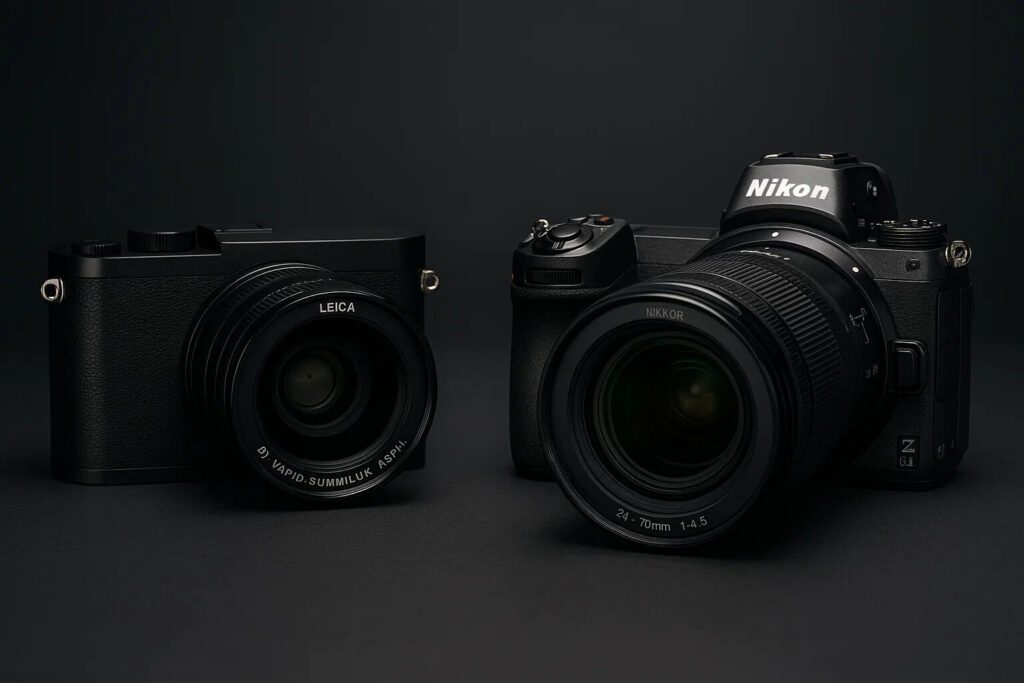
Specs and Features Comparison: Leica Q3 Monochrom vs Nikon Z6 II
Both the Leica Q3 Monochrom and Nikon Z6 II deliver full-frame mirrorless performance with unique philosophies. Leica focuses on pure black-and-white artistry. Every pixel contributes directly to tonal structure. Shadows remain deep and rich. Highlights stay natural and controlled. Noise remains minimal, even at higher ISO values. Nikon Z6 II emphasizes versatility. It handles stills and 4K video with equal efficiency. High ISO retains detail. IBIS ensures stability for handheld shooting. Each camera offers distinct strengths. Professionals must understand these differences. Every choice impacts workflow. Photographers can achieve maximum creativity when they match the camera to their vision. Leica excels at monochrome artistry. Nikon excels at hybrid adaptability. The decision depends on whether creative control or versatility matters most.
Image Quality Masterclass: Comparing the Leica Q3 Monochrom vs Nikon Z6 II
Leica Q3 Monochrom produces breathtaking black-and-white imagery. Its monochrome sensor captures light directly. Every shadow retains texture. Highlights remain smooth and precise. Noise is extremely low, even at high ISO levels. The fixed 28mm f/1.7 lens ensures edge-to-edge sharpness. Micro-contrast provides three-dimensional depth. Photographers can isolate subjects with ease. Each frame communicates mood, emotion, and story. Post-processing remains minimal. Every capture feels deliberate and intentional. Transitioning from bright daylight to dim streetlight remains seamless. Each adjustment preserves image integrity. The camera encourages creativity and control.
Nikon Z6 II delivers hybrid imaging with its 24.5MP BSI-CMOS full-frame sensor. Dynamic range captures wide tonal transitions. Shadows retain detail. Highlights avoid clipping, even in challenging conditions. Converting color images to monochrome produces good results. Fine tonal gradations may require minor adjustments. Lens flexibility supports creative framing across multiple focal lengths. Wide, telephoto, and macro lenses allow diverse compositions. Workflow adapts to both stills and video. Every shot benefits from versatility. Nikon performs strongly for hybrid creators who demand options.
Comparing the two, Leica dominates pure monochrome fidelity. Every detail is optimized for black-and-white photography. Nikon offers hybrid flexibility but requires post-processing for similar tonal depth. Leica suits dedicated monochrome photographers. Nikon suits those balancing stills and video. Both cameras achieve high-quality results, yet their philosophies diverge.
Autofocus and Tracking Performance: Precision vs Versatility Leica Q3 Monochrom vs Nikon Z6 II
Leica Q3 Monochrom autofocus operates with confidence and accuracy. It locks onto subjects efficiently. Eye and face detection remain reliable across distances. Moving subjects are tracked with ease in street, event, and landscape scenarios. Focus transitions appear fluid and predictable. Photographers experience intuitive control. Adjustments feel immediate. Each frame maintains sharpness. The system supports creative spontaneity. Lighting changes do not affect performance. Autofocus complements the camera’s artistic priorities. Every shot feels intentional and assured.
Nikon Z6 II autofocus responds to hybrid demands. Eye and face detection remain precise. Continuous AF tracks fast-moving subjects effectively. Video and stills modes perform smoothly. Workflow requires deliberate focus. Switching AF modes, adjusting ISO, and changing video settings can slow performance. Hybrid versatility demands careful attention. Photographers gain speed in single-mode shooting. Multitasking requires awareness and planning. Nikon delivers powerful tracking for hybrid creatives while challenging workflow efficiency.
Leica autofocus feels immediate and intuitive. Nikon autofocus delivers versatility with workflow considerations. Each system excels according to creative priorities. Transitioning between the two highlights differences in control, responsiveness, and efficiency.
Lens Performance and Optical Capabilities: Sharp Monochrome vs Flexible Hybrid Options
Leica Q3 Monochrom lens provides consistent, expressive sharpness. The 28mm f/1.7 lens creates edge-to-edge clarity. Bokeh transitions smoothly. Light and shadow remain balanced. Minimal distortion preserves scene integrity. Every image communicates depth and atmosphere. Photographers feel control over composition. Frames remain crisp across lighting conditions. Each capture feels intentional. Lens quality complements the camera’s monochrome focus. Every subject is rendered with precision. Creativity flows naturally. Photographers enjoy predictability and consistency.
Nikon Z6 II supports a wide lens ecosystem. Wide-angle, telephoto, and macro lenses all perform reliably. IBIS enhances handheld stability. Switching lenses allows creative adaptation to any scenario. Workflow requires deliberate adjustments during lens changes. Hybrid flexibility expands artistic options. Each lens pairing brings distinct results. Users gain adaptability at the expense of uninterrupted immediacy. Nikon offers a complete platform for hybrid shooting. Photographers can explore diverse styles while managing complexity. Every session requires planning and awareness of lens characteristics.
Leica excels in predictable monochrome clarity. Nikon offers broad hybrid flexibility. The choice depends on prioritizing workflow simplicity or creative freedom.
Leica Q3 Monochrom vs Nikon Z6 II Low-Light Capabilities: Pure Monochrome Confidence vs Hybrid Adaptability
Leica Q3 Monochrom performs superbly in low light. Shadows retain intricate detail. Highlights stay controlled. ISO noise remains minimal. Handheld shooting feels secure and precise. Night scenes appear expressive and rich. Photographers can focus entirely on creativity. Every image communicates mood. Exposure and contrast are consistent across lighting changes. Transitioning from bright environments to dark streets remains effortless. The camera supports spontaneous composition. Leica empowers photographers to shoot in challenging conditions with confidence.
Nikon Z6 II manages low light well. Shadows maintain detail, though micro-contrast may slightly soften. ISO noise remains controlled. Hybrid shooting allows video and still capture, but workflow becomes more complex. Autofocus may struggle with fast action in dim conditions. Creativity remains possible, but users must manage settings carefully. Each adjustment influences final output. Workflow planning enhances results. Nikon provides strong low-light performance across scenarios while requiring deliberate attention to settings.
Leica delivers confidence for monochrome shooting in any lighting. Nikon balances versatility, maintaining flexibility with careful workflow management. Both cameras achieve excellent results within their priorities.
Video Capabilities: Cinematic Monochrome vs 4K Hybrid Control
Leica Q3 Monochrom records 4K video with cinematic quality. Rolling shutter remains minimal. Focus transitions appear smooth. Exposure control maintains consistency. Motion feels natural. Monochrome tones enhance mood and storytelling. Video workflow remains simple. Settings stay intuitive. Each clip communicates artistic intent. Cinematic framing becomes accessible without technical distraction. Photographers can focus entirely on composition. Creativity flows uninterrupted.
Nikon Z6 II delivers 4K 60fps video with slow-motion options. IBIS stabilizes handheld footage. Color reproduction is strong. Switching between stills and video requires deliberate planning. Hybrid workflow demands careful management of settings. Multitasking may slow output if attention falters. Creators gain flexibility across stills and video. Workflow remains efficient for experienced users. Nikon provides adaptability with hybrid performance, balancing creative freedom and operational complexity.
Leica offers direct, cinematic monochrome storytelling. Nikon supports hybrid output across formats while requiring conscious workflow management. Both cameras provide professional-grade video, tailored to different priorities.
EVF and LCD Experience: Immersive Monochrome Vision vs Hybrid Monitoring Flexibility
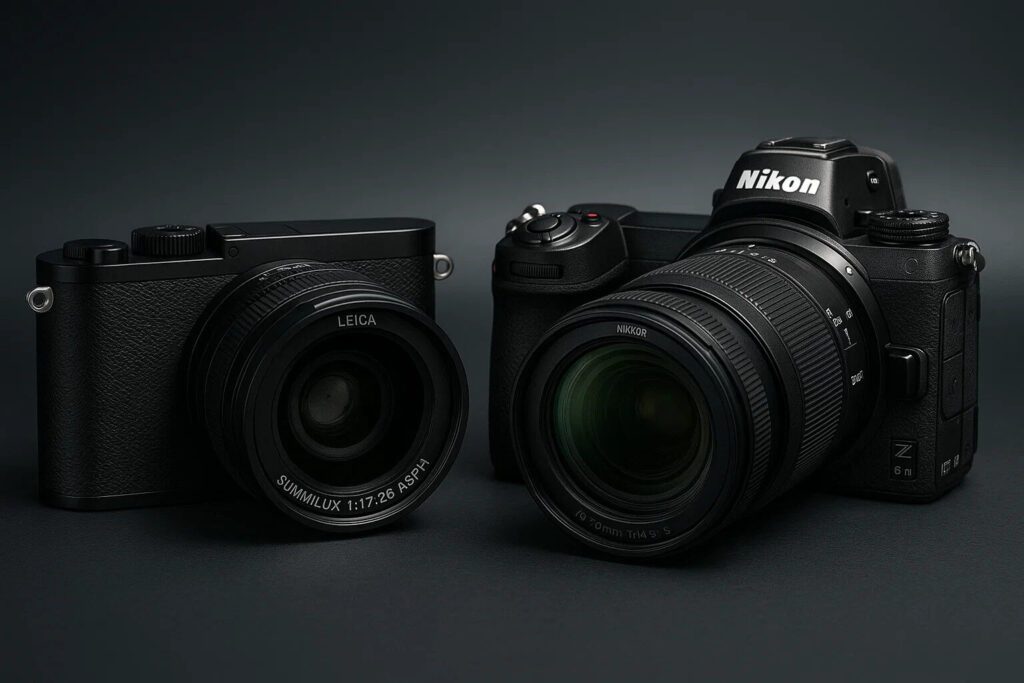
Leica Q3 Monochrom provides an EVF that immerses photographers in every frame. The high-resolution display delivers precise detail. Bright sunlight does not compromise visibility. Tonal gradations appear natural. Shadows remain defined. Photographers judge exposure with confidence. Framing feels intuitive. Menu navigation is minimal and direct. Every adjustment supports creative flow. Workflow remains uninterrupted. Each composition communicates intention and mood. Transitioning between scenes feels seamless. Leica focuses entirely on clarity, accuracy, and simplicity. Users experience a direct connection to the captured image. Every session becomes fluid and engaging.
Nikon Z6 II features a high-resolution EVF alongside a fully articulated LCD. Color reproduction is strong. Detail remains crisp. Flexibility allows monitoring from unusual angles. Menu navigation supports hybrid shooting but demands attention. Video monitoring requires careful setup. AF and ISO adjustments must be managed during fast-paced shoots. Each change impacts the creative process. The system supports versatility for stills and video simultaneously. Transitioning between formats requires deliberate planning. Nikon delivers functionality and adaptability for hybrid creators. Users benefit from multiple viewing options but must maintain focus on settings and workflow.
Leica simplifies viewing, offering immersive monochrome experience. Nikon emphasizes flexibility, supporting hybrid monitoring with careful planning. Both approaches excel in their respective priorities.
Leica Q3 Monochrom vs Nikon Z6 II Body Design and Handling: Minimalist Monochrome Focus vs Professional Hybrid Ergonomics
Leica Q3 Monochrom embodies compact, thoughtful design. Magnesium alloy body feels solid yet comfortable. Weather sealing protects against rain, dust, and extreme conditions. Buttons sit intuitively for rapid access. Grip supports extended shooting sessions without fatigue. Each control contributes to efficiency. Photographers focus on composition rather than adjusting settings. Weight distribution remains balanced. Portability encourages street and travel photography. Every element communicates precision. Extended use feels effortless. Creativity remains uninterrupted. The minimalist approach enhances intentional shooting.
Nikon Z6 II offers professional ergonomics in a robust magnesium alloy frame. Button placement supports long sessions. Grip allows confident handheld operation. Weather sealing ensures reliability in challenging environments. Hybrid functionality requires managing multiple controls, including ISO, AF modes, and video settings. Extended use demands attention to workflow. Each adjustment affects final results. Versatility accommodates stills, video, and hybrid shooting. Professionals benefit from flexibility at the cost of simplicity. Nikon delivers durable handling while requiring deliberate engagement with the interface.
Leica prioritizes ease, balance, and intuitive operation. Nikon emphasizes durability, professional flexibility, and hybrid efficiency. Workflow strategy determines which system feels natural.
Battery Life: Extended Monochrome Creativity vs Hybrid Energy Management
Leica Q3 Monochrom batteries support long, uninterrupted sessions. Power management remains efficient. Photographers focus on creativity without worry. Continuous shooting remains reliable. ISO adjustments, focusing, and framing do not drastically reduce battery performance. Each session remains fluid and uninterrupted. The system encourages deliberate shooting while supporting spontaneous moments. Workflow remains fast and predictable. Battery endurance enhances confidence during events, street shoots, and low-light sessions. Users remain fully engaged without concern for power interruptions.
Nikon Z6 II offers strong battery performance for hybrid use. Stills and video demand more energy. Dual card slots, USB-C charging, and optimized processor efficiency extend runtime. Hybrid operation requires monitoring battery levels carefully. Photographers may need spare batteries during extended shoots. Workflow planning impacts uninterrupted shooting. Nikon provides tools for energy management while maintaining hybrid flexibility. Users balance power efficiency with operational demands.
Leica maximizes continuous creative freedom. Nikon balances energy management with versatile operation. Both systems provide professional reliability in different contexts.
Stabilization and Handheld Shooting: Artistic Confidence vs Multi-Tasking Demands
Leica Q3 Monochrom relies on precise lens-based stabilization and fast shutter control. Handheld black-and-white shooting remains stable and sharp. Photographers capture expressive frames with confidence. ISO performance complements stabilization. Night, street, and event photography remain fluid. The system supports artistic experimentation. Handheld freedom encourages spontaneous framing. Every image communicates intention. Transitioning between subjects feels effortless. Leica emphasizes simplicity and reliable control for monochrome shooters.
Nikon Z6 II incorporates IBIS to enhance stabilization across stills and video. The system balances hybrid demands. Handheld shooting achieves smooth, steady results. Switching between formats requires attention to settings. Multitasking may slow workflow, especially during fast-paced sequences. Photographers must plan adjustments. Stabilization supports creativity but demands careful management. Each movement affects final output. Nikon delivers strong support for hybrid scenarios. Users benefit from controlled performance while maintaining flexibility.
Leica emphasizes intuitive artistic control. Nikon balances technical stabilization with hybrid adaptability. Both approaches excel for their intended use cases.
Workflow and Multi-Tasking Efficiency: Streamlined Monochrome vs Hybrid Complexity
Leica Q3 Monochrom keeps menus minimal and focused. Functions remain accessible without distraction. Photographers navigate quickly. Each adjustment contributes directly to creative expression. Workflow feels natural. Switching between compositions remains smooth. Settings remain predictable and consistent. Spontaneous decisions translate into deliberate outcomes. Efficiency enhances creativity. Photographers work without interruption. The system supports flow and focus. Leica prioritizes intuitive operation for dedicated monochrome work.
Nikon Z6 II emphasizes hybrid workflow. Menus, AF modes, ISO adjustments, and video controls coexist. Managing all elements requires deliberate attention. Multitasking may slow creative output. Switching between stills and video demands awareness. Users must plan sequences to maintain efficiency. Hybrid workflow provides versatility while requiring active management. Each decision impacts results. Nikon balances flexibility with operational complexity, rewarding experienced photographers who manage multiple processes efficiently.
Leica ensures simplicity and creative focus. Nikon prioritizes hybrid control with multitasking considerations. Workflow differences highlight intended user priorities.
Durability and Field-Ready Reliability: Confident Monochrome Shooting vs Hybrid Endurance
Leica Q3 Monochrom withstands outdoor challenges. Weather sealing protects against rain, dust, and harsh sunlight. Buttons and dials operate reliably in all conditions. Extended use feels comfortable and consistent. Photographers trust the system for street, landscape, and event work. Camera body remains stable and intuitive. Every action translates into precise results. Reliability enhances confidence and reduces distraction. Leica empowers photographers to focus on creative intent rather than operational concerns.
Nikon Z6 II offers rugged construction and magnesium alloy build. Weather sealing protects internal components. The hybrid platform allows stills, video, and multi-tasking under diverse conditions. Extended sessions demand focus. Switching between shooting modes may slow workflow. Operational reliability remains strong, yet workflow planning is essential. Nikon delivers field-ready endurance for versatile professional use. Users balance robustness with hybrid complexity to maintain performance.
Leica prioritizes confidence in monochrome work. Nikon prioritizes durability and hybrid adaptability. Both achieve professional-level reliability in different contexts.
Memory and Data Management: Simplified Monochrome Files vs Dual-Slot Flexibility
Leica Q3 Monochrom supports fast SD cards for uninterrupted capture. File management is straightforward. Each image is ready for post-processing. Burst shooting does not overwhelm buffers. Workflow remains predictable. Photographers can focus on framing and composition. Storage remains organized. Each session flows efficiently without technical interruptions. Memory system enhances creative freedom and simplicity. Users can work confidently in extended shoots or street assignments.
Nikon Z6 II provides dual card slots, supporting CFexpress and SD. High-speed writing ensures buffer clearing during bursts. Simultaneous recording supports hybrid stills and video. Monitoring storage is necessary for long sessions. Workflow depends on disciplined management. Photographers gain flexibility at the cost of operational complexity. Dual-slot design enables robust professional workflows while demanding active attention. Each decision impacts continuity and creative output.
Leica emphasizes simplicity and efficiency. Nikon prioritizes flexibility and dual-slot reliability. Both cater to different operational philosophies.
Creative Identity: Leica Monochrome Focus vs Nikon Hybrid Versatility
Leica Q3 Monochrom represents dedicated black-and-white expression. Every function reinforces artistic intent. Shadows, highlights, and micro-contrast support storytelling. Photographers experience direct creative control. Tools are intuitive and predictable. Each session feels deliberate. Leica encourages deep exploration of monochrome photography. Artistic experimentation is supported in every frame. Users feel empowered. Workflow enhances creative flow. Focus remains entirely on composition and mood.
Nikon Z6 II represents hybrid versatility. Photographers can shoot stills, video, and converted monochrome images. Each function supports multi-format creativity. Flexibility allows experimentation across genres. Workflow requires deliberate attention. Users manage hybrid complexity while achieving expressive results. Nikon rewards skilled workflow planning. Creative identity adapts to both photography and videography. Photographers enjoy freedom, though it comes with operational demands.
Leica reinforces a focused, intentional creative identity. Nikon provides hybrid adaptability, supporting multiple creative approaches. Both systems excel according to intended priorities.
Price and Market Value: Leica Bold Investment vs Nikon Balanced Flexibility
The Leica Q3 Monochrom carries a premium price that reflects its dedicated monochrome sensor and iconic craftsmanship. Every component communicates precision. Photographers invest in clarity, minimal noise, and unmatched tonal depth. The fixed 28mm f/1.7 lens delivers legendary sharpness and edge-to-edge detail. Each frame tells a story that justifies the price. Transitioning from expectations to reality, Leica positions this camera as a tool for specialists who demand perfection. Collectors and professional photographers understand the value. The market perceives it as both an artistic instrument and a durable investment.
The Nikon Z6 II offers a competitive price for a versatile hybrid full-frame mirrorless camera. Dual card slots, IBIS, and 4K video capabilities make it attractive to hybrid creators. Photographers gain value through flexibility. Stills, video, and low-light performance come together in a single platform. The cost reflects a balance between professional features and adaptability. Users seeking creative freedom across multiple formats find the market value compelling. Each investment decision depends on the workflow needs and creative priorities. Nikon provides options for photographers who want hybrid performance without sacrificing reliability.
Leica excels as a bold, artistic investment. Nikon provides practical, hybrid-driven value. Market positioning mirrors intended use. Professionals choose based on purpose, vision, and creative priorities.
Biggest Upgrade Comparison: Monochrome Mastery vs Hybrid Power
Leica Q3 Monochrom delivers its biggest upgrade through a sensor dedicated entirely to monochrome capture. Shadows hold texture. Highlights retain natural tone. Noise remains minimal even at high ISO. Lens integration complements the sensor perfectly. Every detail is optimized for artistic expression. Photographers experience clarity, precision, and intentionality in each frame. Workflow feels intuitive and focused. The upgrade emphasizes purity over versatility. Leica pushes black-and-white photography to new heights. Every session becomes an exercise in deliberate creativity.
Nikon Z6 II’s major upgrade is versatility. Dual card slots, IBIS, enhanced autofocus, and improved video capabilities expand creative potential. Photographers can switch between stills and video with confidence. ISO performance remains reliable in low-light conditions. Lens compatibility grows the system’s possibilities. Hybrid workflows feel supported. While not specialized in monochrome, Nikon empowers multi-format creativity. Each feature works cohesively to maximize flexibility. The upgrade balances performance, reliability, and adaptability. Photographers gain tools for every scenario, from weddings to wildlife to cinematic production.
Leica emphasizes pure, artistic advancement. Nikon delivers hybrid power with practical upgrades. Each choice appeals to distinct creative approaches.
Final Verdict: Artistic Precision vs Versatile Professionalism
Leica Q3 Monochrom stands as the ultimate tool for black-and-white enthusiasts. Every pixel contributes to monochrome perfection. Shadows, highlights, and tonal gradients communicate emotion. Autofocus, low-light handling, and lens sharpness work in harmony. Workflow remains fluid and intentional. Every frame feels crafted, deliberate, and expressive. Photographers experience freedom within constraints. Artistic vision drives the experience. Leica delivers unmatched monochrome performance. Professionals who value specialized tools will find this camera transformative.
Nikon Z6 II excels for hybrid professionals. Stills and video converge in a single workflow. Autofocus, IBIS, and dual card slots empower flexibility. Low-light performance remains strong. Lens versatility supports creative exploration. Multitasking demands attention but rewards adaptability. Photographers gain a platform capable of handling diverse professional tasks. Workflow planning ensures efficiency. Nikon embodies versatility, reliability, and hybrid creativity. Professionals seeking multi-format performance will find it indispensable.
Choosing between Leica and Nikon comes down to creative intent. Leica rewards focused, artistic monochrome exploration. Nikon empowers flexible, hybrid workflows for diverse projects. Both cameras excel in their domains. Photographers must prioritize purpose, workflow style, and artistic vision. Each system communicates value, performance, and identity. The choice reflects not just features but the philosophy of creation.
Read More from AltBuzz: Explore Iconic Cameras and Cutting-Edge Photography
Dive deeper into the world of professional photography. AltBuzz continues to bring in-depth camera reviews, hands-on tests, and technical breakdowns. Discover insights that shape your creative decisions.
- Leica Q3 Monochrom Full Review – Explore every detail of Leica’s monochrome masterpiece. Sensor performance, low-light handling, and artistic clarity await. Witness black-and-white photography like never before.
- Nikon Z6 II Detailed Review – Learn how Nikon balances versatility, video, and stills. Autofocus, IBIS, and hybrid performance are dissected. Understand why professionals rely on this platform.
- Sony α7R SL Rumored Specs and Features – Follow the latest in Sony’s R-series evolution. High-resolution sensors, advanced autofocus, and workflow potential come alive in our speculative breakdown.
- Top Full-Frame Mirrorless Cameras of 2025 – Compare market leaders, unique features, and creative potential. AltBuzz guides you to the cameras shaping professional workflows today.
Each article is designed to help you shoot smarter, create boldly, and choose the right tools. Transition from curiosity to mastery with insights from AltBuzz. Photography becomes more than a hobby, it becomes intentional expression.
Stay updated. Stay inspired. Explore the cameras, the stories, and the innovation shaping professional photography today. AltBuzz delivers clarity, expertise, and passion in every review.