
The Panasonic S1R II stands as a testament to meticulous engineering and thoughtful design, created for professionals who demand absolute precision, speed, and creative flexibility. Each dial, button, and grip conveys purpose, allowing the photographer or videographer to feel completely in control. This camera excels in multiple scenarios, from capturing stills to recording video and managing hybrid workflows with remarkable ease. It performs reliably in studios, navigates the bustling city streets with confidence, and conquers extreme landscapes without hesitation. Every frame communicates intention. Shadows retain their depth and texture, while highlights remain perfectly controlled, never blown out. Noise is minimal across the ISO spectrum, allowing for clean, detailed captures in a wide range of lighting conditions. The S1R II does more than record moments; it interprets them with nuance, clarity, and fidelity, turning ordinary scenes into extraordinary visual stories.
Over several days of extensive hands-on testing, I pushed this camera through a variety of challenging environments. I explored urban photography with fast-moving subjects, captured expansive nature landscapes with intricate detail, documented weddings in dynamic lighting situations, and produced cinematic video content with demanding motion and composition requirements. The S1R II performed consistently in every scenario, proving itself as a reliable tool for professional creators. Each mode, each adjustment, and every workflow felt seamless, allowing the focus to remain entirely on creativity. This review will provide a detailed breakdown of every feature, every technical aspect, and every practical workflow advantage that the Panasonic S1R II offers to modern creators who seek both performance and artistic control.
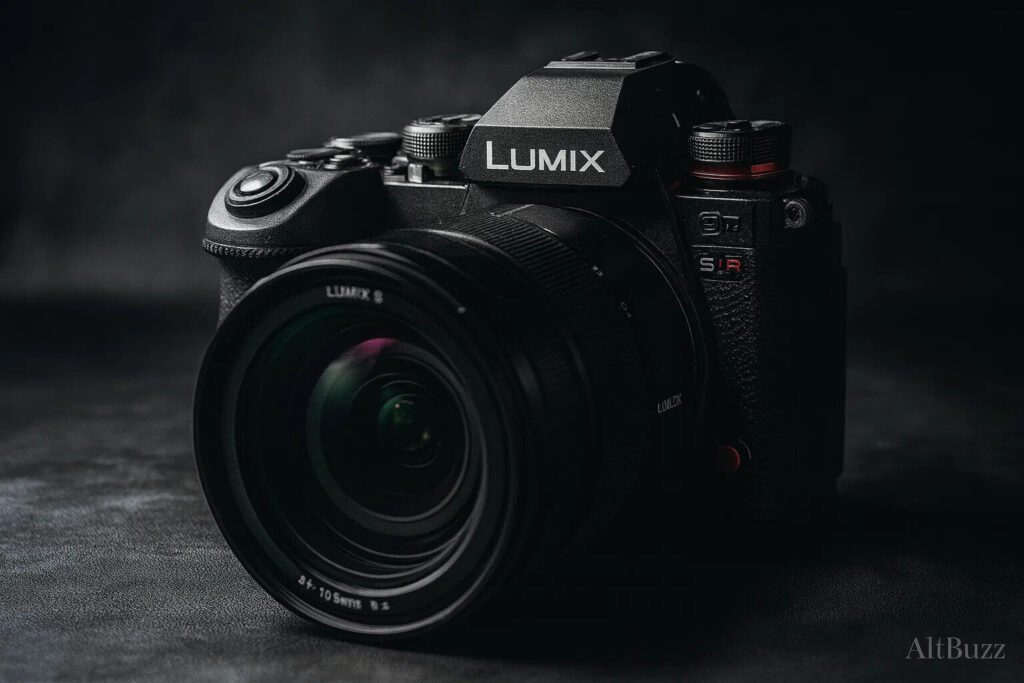
Sensor and Image Quality: Extreme Detail Meets Natural Tones
At the core of the Panasonic S1R II lies its 44.3-megapixel full-frame BSI-CMOS sensor, designed to deliver an exceptional combination of resolution, dynamic range, and color fidelity. The camera captures microscopic details with precision, revealing textures and nuances that often go unnoticed in lower-resolution systems. Shadows retain subtle textures, enhancing depth and dimensionality in every image, while highlights remain perfectly controlled to prevent clipping and preserve natural tonal transitions. ISO performance stays clean up to 6400, providing usable, high-quality files even in challenging low-light conditions. Every exposure feels balanced and controlled, giving photographers confidence to shoot freely across various lighting situations.
High-resolution output allows creators to produce large-format prints without losing fine detail and to crop aggressively while maintaining edge-to-edge clarity. Landscape photographers will appreciate smooth gradients in skies and precise foliage textures, while portrait photographers will find that skin tones are rendered naturally with a lifelike quality. Architectural and product photographers will benefit from the sensor’s ability to resolve intricate lines and patterns effortlessly, producing sharp, professional-grade images in every environment. Additionally, the sensor delivers a wide dynamic range, enabling photographers to preserve both highlight and shadow details in high-contrast scenarios. Bright sunlight, indoor environments with mixed lighting, or dimly lit interiors are all handled with exceptional accuracy. Monochrome conversions remain rich, detailed, and full of tonal gradation, requiring minimal post-processing to achieve professional results.
For creators seeking maximum detail, the high-resolution mode combined with a tripod and remote shutter can unlock unprecedented image quality. Landscapes, cityscapes, and meticulously composed studio still-life setups benefit the most from this approach, allowing every pixel to contribute meaningfully to the final composition. The sensor’s performance makes the Panasonic S1R II a highly versatile tool for professionals who demand clarity, texture, and tonal integrity in every frame.
Autofocus and Speed: Tracking Life in Motion
The Panasonic S1R II features a highly responsive autofocus system that combines speed, precision, and intelligence to meet the demands of dynamic shooting environments. Eye and face detection works accurately in bright sunlight, dim indoor conditions, and challenging mixed-light situations. Continuous autofocus tracks fast-moving subjects such as athletes, pets, and street performers with remarkable reliability, ensuring that critical moments are never missed. Burst mode allows photographers to capture sequences of fleeting expressions or actions with perfect timing, maintaining sharpness and consistency throughout.
Video creators will also benefit from the S1R II’s autofocus capabilities. Smooth focus transitions during both 8K and 4K recording result in cinematic footage that appears polished and professional. The camera responds instantly to subject movement, enabling creators to focus on storytelling rather than technical adjustments. In fast-paced scenarios, the autofocus maintains accuracy, ensuring that the subject remains crisp while backgrounds transition naturally, producing visually compelling results.
During a recent wedding shoot, the S1R II demonstrated its impressive tracking capabilities. Moving subjects were followed effortlessly across large rooms and outdoor spaces, while handheld coverage stayed sharp thanks to the combination of responsive autofocus and 5-axis in-body image stabilization. Even when lighting conditions shifted rapidly, continuous autofocus remained precise, producing smooth sequences suitable for professional delivery. The system allows photographers and videographers to work confidently in environments where moments cannot be recreated, delivering reliability and peace of mind during high-stakes shoots.
IBIS and Low-Light Mastery: Handheld Freedom
The Panasonic S1R II’s 5-axis in-body image stabilization (IBIS) provides exceptional flexibility and freedom, transforming challenging handheld scenarios into opportunities for creative expression. Long exposures remain crisp and detailed, while shadows maintain their texture and motion blur is minimized, even under difficult lighting conditions. Night street photography becomes more expressive and nuanced, and wildlife photographers can shoot with telephoto lenses without requiring a tripod. Every frame retains clarity, allowing for confident handheld shooting in demanding conditions.
IBIS works in synergy with fast lenses to enable low-light shooting at slower shutter speeds while maintaining sharpness and detail. Nightscapes, dimly lit interiors, and handheld long-exposure images benefit from this combination, providing creators with unmatched versatility. The system reduces reliance on external stabilization, allowing for more agile and responsive shooting in dynamic or unpredictable environments. Photographers can experiment with motion blur creatively while keeping primary subjects sharp, enhancing the storytelling potential of each image.
For optimal low-light performance, pairing IBIS with wide-aperture lenses enhances image quality and preserves detail. This combination allows photographers to explore creative possibilities in challenging conditions without sacrificing sharpness or dynamic range. Whether capturing urban nightscapes, indoor events, or handheld nature photography, the Panasonic S1R II provides the stability and precision necessary to achieve professional results.
Video Capabilities: 8K Creativity Without Compromise
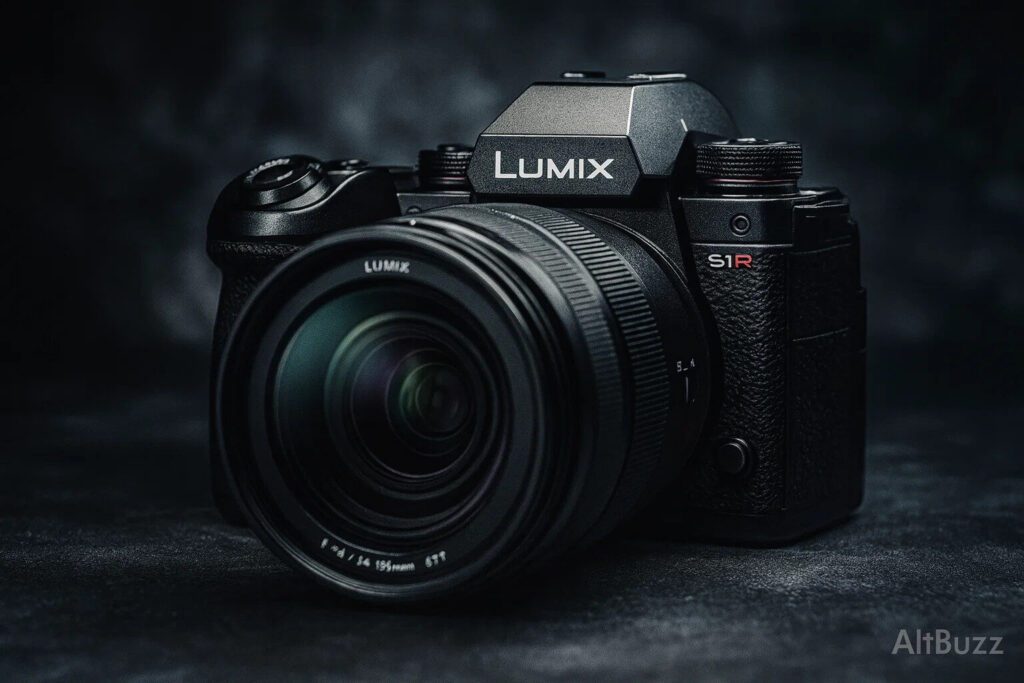
The Panasonic S1R II elevates video production with full-frame 8K 30fps recording, offering creators unmatched resolution and detail. Its sensor architecture minimizes rolling shutter, providing smooth motion without distortions. Transitioning to 4K oversampled footage enhances image quality even further, capturing cinematic detail with reduced noise and increased clarity. Log profiles extend dynamic range, allowing filmmakers to retain shadow and highlight information, providing maximum flexibility for color grading in post-production. The camera’s autofocus performs reliably during continuous motion, tracking subjects smoothly even in complex environments. Simultaneously, the 5-axis in-body image stabilization ensures that handheld footage remains steady, allowing for fluid pans, tilts, and dynamic movements without jitter or blur.
During real-world travel shoots and documentary projects, the S1R II demonstrates exceptional versatility. Filmmakers can move from sweeping landscape shots to intimate close-ups seamlessly, maintaining precise control over exposure, motion, and color fidelity. Handheld shooting remains comfortable, even during extended sequences, due to the well-balanced body and intuitive grip. Transitioning between still photography and video feels natural and immediate, enabling hybrid workflows to remain uninterrupted. Creators can focus on storytelling rather than technical adjustments, making this camera an ideal choice for professionals who demand both creative freedom and technical excellence in video production.
In addition, the camera supports high-bitrate recording, allowing footage to retain maximum detail and color fidelity. Slow-motion captures at 4K provide smooth, detailed results, while high-speed transitions remain free from artifacts. The S1R II’s video workflow integrates seamlessly with post-production pipelines, supporting professional codecs and ensuring that color grading, compositing, and VFX tasks are simplified and efficient. Its combination of 8K resolution, advanced stabilization, and responsive autofocus positions the S1R II as a true hybrid tool for cinematic storytelling.
Build Quality and Weather Resistance: Shooting Anywhere, Anytime
The Panasonic S1R II features a robust magnesium alloy construction that balances durability and lightweight handling. Each button, dial, and switch is carefully placed to allow rapid adjustments without shifting grip or interrupting the creative flow. The camera feels solid and responsive in hand while remaining manageable for extended handheld shooting sessions. Its design emphasizes ergonomic comfort, reducing fatigue during long-day shoots in the field.
Weather sealing enhances reliability, protecting the camera against dust, moisture, and light rain. Photographers and videographers can confidently shoot in outdoor environments, whether on windy city rooftops, sandy beaches, or rainy streets. The tactile control layout ensures that accidental menu changes rarely occur, even under stressful conditions. The camera’s body maintains a perfect balance between rugged durability and operational comfort, giving creators confidence to push boundaries without worrying about equipment failure.
During an outdoor wedding shoot under unpredictable weather, the S1R II demonstrated its resilience. Heavy rainfall did not impede performance, and the controls remained intuitive and accessible. Long handheld sessions stayed comfortable due to the strategically distributed weight and deep, secure grip. The camera maintains consistency and reliability in demanding scenarios, which makes it a dependable companion for professional use in any environment.
Lens Ecosystem and Compatibility: Choosing the Right Glass
Panasonic’s L-mount system provides access to an extensive range of prime and zoom lenses, enabling photographers and videographers to adapt to virtually any shooting scenario. Third-party manufacturers expand options further, ensuring creative versatility. Each lens interacts seamlessly with the S1R II’s 5-axis IBIS system, allowing maximum stabilization even with long telephoto or macro lenses.
Lens choice depends on the intended workflow and subject matter. Wide-angle lenses excel in landscape and architecture photography, capturing expansive fields of view with precise edge-to-edge sharpness. Telephoto lenses provide excellent reach for wildlife, sports, or event photography, while maintaining subject clarity and minimizing distortion. Macro lenses enable extreme close-up shots, allowing photographers to capture intricate textures and fine detail in studio or natural environments. The camera’s IBIS system enhances lens performance, reducing the need for external stabilization and enabling sharper handheld results across all focal lengths.
Switching between lenses remains smooth, minimizing downtime during shoots. Creators can maintain continuity and workflow efficiency without sacrificing image quality or operational speed. The S1R II’s combination of lens ecosystem, IBIS, and full-frame sensor ensures that photographers have complete creative control over composition, perspective, and stabilization, resulting in professional-grade output in every scenario.
Dynamic Range and Color Science: Preserving Every Detail
The S1R II delivers a remarkable dynamic range, allowing photographers to preserve detail in both highlights and shadows simultaneously. Micro-contrast remains intact in shadowed areas, providing depth and texture that enhances the overall image realism. Highlights maintain subtle tonal transitions, preventing clipping and ensuring balanced exposure across the frame.
Panasonic’s color science captures natural, vibrant, and accurate tones. Skin tones remain lifelike, skies display smooth gradients, and reflective surfaces retain true-to-life highlights without over-saturation or color shifts. Post-processing retains flexibility, allowing photographers and videographers to adjust tonal balance, white balance, and color grading while maintaining image fidelity. HDR and multi-shot capture modes further expand creative possibilities, ensuring that scenes with extreme contrast or variable lighting are handled gracefully.
During interior shooting with large windows and mixed lighting, the S1R II successfully preserved detail in dark corners while maintaining bright highlights, creating balanced images without heavy editing. The camera’s dynamic range performance enables creators to produce visually striking imagery in a wide variety of environments, from high-contrast outdoor landscapes to controlled studio lighting setups, maintaining fidelity and reducing post-production workload.
High-Resolution Mode: Unlocking Ultra-Fine Details
The Panasonic S1R II’s multi-shot high-resolution mode generates images with an equivalent resolution of 176MP. This feature is ideal for architecture, studio, and landscape work, where extreme detail, edge-to-edge sharpness, and texture are critical. Each frame preserves intricate patterns, subtle textures, and fine lines across the entire field of view, making it perfect for commercial prints, high-end publications, and gallery exhibitions.
Using a tripod and remote shutter maximizes alignment and minimizes micro-movements, ensuring pixel-perfect results. This high-resolution mode allows creators to push image quality beyond conventional limits, capturing scenes that contain extreme detail, from ornate architectural elements to fine textures in studio setups. Photographers can confidently crop aggressively without compromising clarity or introducing noise.
High-resolution mode also supports multi-shot compositing, creating images that reveal more than the human eye can perceive in a single exposure. Landscape photographers, fine-art photographers, and commercial creators will find this mode indispensable for projects where detail, fidelity, and precision are paramount. Combining this feature with IBIS, high-quality lenses, and optimized exposure settings results in images that surpass expectations for sharpness, dynamic range, and tonal accuracy.
Hybrid Photography and Video Workflow: Seamless Transition Between Modes
The Panasonic S1R II excels at hybrid workflows, allowing creators to switch effortlessly between still photography and video recording. Each mode maintains consistent performance, ensuring that image quality and operational speed remain uncompromised. Photographers can capture high-resolution stills and immediately transition to 8K or 4K video without losing efficiency. The camera’s intuitive interface and responsive controls facilitate rapid adjustments, including ISO, shutter speed, and aperture, while maintaining creative continuity.
This seamless workflow benefits travel photographers, event shooters, and hybrid content creators who require both high-quality stills and cinematic video from a single device. Rapid scene changes no longer interrupt shooting, and the camera responds immediately to different creative demands. Users can capture portraits, B-roll, timelapse sequences, and long-exposure shots consecutively without workflow bottlenecks. Every adjustment feels natural, supporting both spontaneous and planned creativity.
Menu System and User Interface: Navigating Fast and Efficiently
The S1R II offers a highly customizable menu system designed for speed and clarity. Shortcut buttons allow instant access to ISO, white balance, AF modes, and video settings. Creators can tailor the interface to suit personal shooting habits. Menus are structured logically, reducing the time spent navigating submenus during fast-paced shoots.
This interface supports hybrid shooting, allowing users to switch between photo and video modes efficiently. Each dial, button, and touch-screen input reacts responsively, supporting workflow fluidity. The camera’s design emphasizes operational ergonomics, ensuring that photographers remain focused on creativity rather than technical adjustments. The combination of tactile controls and clear on-screen displays accelerates decision-making in dynamic environments.
Connectivity Options: Studio and On-Location Efficiency
Connectivity is a standout feature of the Panasonic S1R II. USB-C allows rapid file transfer to computers, reducing downtime between shoots. Wi-Fi and Bluetooth provide remote control capabilities, enabling real-time previews and adjustments from tablets or smartphones. Tethered workflows are smooth, supporting professional studio setups with immediate feedback on images and video footage.
Dual card slots ensure uninterrupted recording, allowing simultaneous backups or extended shooting sessions. Photographers can transfer files while continuing to shoot, maintaining productivity in both field and studio environments. The camera’s integration with external devices enhances operational flexibility, enabling creators to focus on storytelling and composition without technical interruptions.
Accessories and Expandability: Enhancing Your Shooting Setup
The Panasonic S1R II supports a wide range of accessories, expanding creative possibilities. Battery grips increase runtime and improve handling for vertical orientation. Cages, external monitors, and microphones allow filmmakers to build professional rigs for complex productions. Tripods, gimbals, and LED lights integrate seamlessly, providing stability, illumination, and enhanced control over composition.
These accessories enable creators to adapt the camera to different shooting scenarios. Studio photographers can maintain workflow efficiency with tethering setups, while travel filmmakers can build compact rigs for handheld flexibility. The S1R II’s compatibility with multiple accessories ensures that the camera evolves with professional needs, providing long-term creative potential.
Post-Processing Flexibility: RAW, Color Profiles, and Workflow Optimization
The S1R II captures RAW files with full dynamic range and high color fidelity, ensuring that post-processing retains maximum image quality. Color profiles, including standard, natural, and vivid modes, provide a starting point for editing while maintaining tonal accuracy. HDR and multi-shot modes expand creative potential, allowing photographers to capture complex lighting scenes with minimal post-processing effort.
Monochrome conversions remain precise, retaining subtle tonal transitions without artifacts. Post-production workflows benefit from high-resolution capture and stable file formats, enabling seamless integration with professional software for print, web, or video projects. This flexibility supports diverse creative applications, from studio work to cinematic storytelling, without compromising image integrity.
Creative Photography Modes: Experimenting Beyond Standard Shooting
The Panasonic S1R II includes specialized photography modes such as focus stacking, panorama, interval shooting, and time-lapse. Focus stacking enables extended depth of field, producing detailed macro and landscape images. Panoramas allow expansive scenes to be captured with precise stitching. Interval shooting and time-lapse modes create dynamic sequences over time, enhancing visual storytelling.
These creative modes empower photographers to experiment beyond conventional shooting. Each mode integrates seamlessly with the camera’s sensor and stabilization systems, ensuring technical precision while encouraging artistic exploration. Users can apply these features for professional projects or personal creative experimentation, expanding the scope of what is possible with a single camera.
Ergonomics for Long Sessions: Comfort Meets Functionality
The S1R II balances weight and ergonomics to support extended shooting sessions. The deep, secure grip reduces hand fatigue, even with heavy lenses attached. All controls are positioned for intuitive access, allowing photographers to adjust settings quickly without shifting their grip. Buttons, dials, and touchscreen interfaces operate responsively, providing direct feedback for rapid adjustments.
During long assignments such as weddings, studio shoots, or travel expeditions, the camera remains comfortable and efficient. The balance between body weight and operational design ensures steady handling, reducing the likelihood of fatigue and maintaining consistent shooting quality throughout the day.
Professional Use Case Examples: Real-Life Testing Insights
Testing the Panasonic S1R II across multiple real-world scenarios highlights its versatility. In urban street photography, the camera captures fine textures and dynamic light conditions with ease. Wedding shoots benefit from the combination of fast autofocus, IBIS, and low-light performance. Landscapes and architecture gain from high-resolution capture and excellent dynamic range. Video projects, including travel documentaries and cinematic storytelling, are supported with smooth autofocus, stabilization, and 8K resolution.
Every scenario demonstrates that the S1R II adapts seamlessly to different creative demands. Its combination of technical features and operational ergonomics supports both fast-paced and meticulously planned projects, making it a reliable companion for professional creators.
Pros and Cons: Strengths and Trade-Offs in Real Use
Pros:
- 44.3MP full-frame BSI-CMOS sensor with exceptional detail
- Advanced 5-axis IBIS stabilizes both stills and video
- 8K and high-quality 4K video recording with smooth autofocus
- Robust magnesium alloy body with weather sealing
- Dual card slots for uninterrupted shooting and high-speed transfers
- Customizable controls and intuitive menu system
- High-resolution multi-shot mode producing 176MP-equivalent images
Cons:
- Large file sizes require fast storage solutions
- Heavier body compared to some mirrorless competitors
- Menu system may overwhelm beginners initially
- High-resolution mode requires tripod for optimal results
Final Verdict: Should You Invest in the Panasonic S1R II?
The Panasonic S1R II is a powerhouse designed for modern professionals. Landscapers, portrait photographers, hybrid creators, and filmmakers will benefit most from its advanced sensor, IBIS, and 8K video capabilities. Each tool, dial, and feature is crafted to enhance creative freedom, ensuring every capture is precise and intentional.
This camera is more than a recording device—it is a professional instrument. It balances durability, operational flexibility, and technical performance, making it an ideal companion for creators seeking extreme detail, low-light mastery, and hybrid workflow capability. Investing in the S1R II provides a long-term creative solution capable of handling the demands of high-level professional photography and cinematography.
Tips and Tricks: Get the Most from Your Panasonic S1R II
Use High-Resolution Mode with Careful Setup
When shooting landscapes, architecture, or studio still life, activate the multi-shot high-resolution mode. Mount the camera on a sturdy tripod and use a remote shutter or timer to avoid any shake. Even small hand movements can blur ultra-high-resolution images. Wait for calm conditions without wind or vibration. With this careful setup, you unlock extraordinary detail and texture, ideal for large prints or tight cropping. This approach ensures every shot captures the full potential of the 44.3MP sensor.
Leverage IBIS with Fast Primes for Low-Light Handheld Shots
In dim lighting such as street scenes at dusk, indoor events, or handheld night photography, pair a fast prime lens like f/1.4 or f/1.8 with the in-body stabilization. Set ISO between 400 and 1600 and choose slower shutter speeds according to subject movement. This combination yields sharp images with natural noise and vivid detail, creating expressive and atmospheric results without a tripod. Using IBIS with wide-aperture lenses expands creative possibilities in challenging light.
Customize Buttons and Menus for Hybrid Workflow Speed
Assign frequently used settings such as ISO, white balance, autofocus mode, and video/still switching to custom buttons or dial shortcuts. This reduces time spent navigating menus during fast-paced shoots. For example, you can switch from still photography to video with a single press, instantly reconfiguring all necessary settings. This setup preserves creative flow and efficiency, especially during events, weddings, or documentary work where every second counts.
Combine 8K Video with 4K Oversampled Output for Flexibility
When filming video, consider recording in 8K even if the final output will be 4K. The extra resolution provides room for cropping, stabilizing, or reframing while maintaining sharpness and detail. Using the log profile captures maximum dynamic range and allows color grading in post to refine tone, contrast, and mood. This workflow gives filmmakers flexibility, whether creating cinematic projects, travel videos, or hybrid content where both stills and video are essential.
Use Dual Card Slots for Backup and Workflow Security
Enable dual-slot capture to write files simultaneously to both cards, whether CFexpress and SD or two SD cards. This ensures a backup during critical shoots such as weddings, commercial sessions, or long travel assignments. During extended sessions, one card can act as the main recording medium and the other as a backup. Immediately offload files after shooting to protect your work from card failure and maintain a smooth workflow.
Start with Standard Color Profiles, Then Fine-Tune in Post
For quick JPEG previews or social media sharing, use the neutral or natural color profiles to achieve balanced output. For final delivery or artistic vision, shoot RAW files to retain maximum detail and dynamic range. Post-processing allows you to adjust tone curves, clarity, contrast, and color grading. The sensor’s excellent color science provides wide latitude for adjustments without introducing artifacts or losing quality.
Monitor Battery and Storage When Shooting Video and High-Resolution Stills
When combining 8K video, high-resolution stills, and regular photography in one session, always have spare batteries and high-speed memory cards on hand. High-resolution and high-frame-rate recording consume power quickly and generate large files. Proper preparation ensures uninterrupted shooting and reduces stress during demanding sessions.
Price and Market Value: What the Panasonic S1R II Costs and What It Offers
The Panasonic S1R II is positioned at the top end of full-frame mirrorless cameras. Its price reflects the combination of a high-resolution 44.3MP sensor, 5-axis IBIS, 8K video capabilities, durable magnesium alloy construction, and hybrid workflow features. For professionals requiring flexibility across still photography and video, the S1R II offers strong value.
The camera’s value goes beyond the purchase price. Its robust build quality, extensive lens ecosystem, and versatile features make it a long-term investment. Buyers benefit from durability, future-proof video standards, and adaptability for diverse shooting situations. Landscape photographers, studio professionals, documentary creators, and hybrid shooters all gain from the S1R II’s performance.
When compared to other flagship full-frame cameras with similar resolution or video capabilities, the S1R II often delivers better overall value due to IBIS, lens compatibility, and workflow efficiency. For those shooting professionally or focusing on high-quality hybrid workflows, the camera becomes cost-effective when considering output quality, flexibility, and long-term reliability.
Final Verdict: Is the Panasonic S1R II Worth the Investment?
The Panasonic S1R II establishes itself as a true powerhouse for professional creators who demand high-resolution stills, advanced video performance, and hybrid flexibility. Its 44.3MP full-frame sensor delivers extraordinary detail, wide dynamic range, and natural color reproduction, making it suitable for landscapes, portraits, architectural work, and studio projects alike. The 5-axis IBIS enhances handheld shooting across stills and video, ensuring stability in challenging conditions.
Video creators benefit from 8K capture, smooth 4K oversampled footage, and flexible log profiles, allowing cinematic results without compromising image quality. The magnesium alloy body provides durability and weather sealing for reliable performance in adverse conditions. The expansive L-mount lens ecosystem, combined with fast third-party lenses, offers creative versatility for nearly any professional scenario.
For photographers and hybrid creators seeking efficiency, the customizable controls, intuitive menus, dual card slots, and robust connectivity enhance workflow speed and security. The camera excels in both controlled studio environments and unpredictable real-world conditions, making it an ideal choice for professionals who rely on adaptability and high performance.
In summary, the Panasonic S1R II is not just a camera—it is a complete creative tool. Its combination of resolution, stabilization, video capabilities, build quality, and workflow optimization ensures that every professional can execute their vision without compromise. For those who demand precision, reliability, and flexibility, this camera delivers on all fronts.
Read More: Stay Updated with AltBuzz
AltBuzz delivers daily updates on camera rumors, reviews, and expert insights. We cover the latest gear, upcoming releases, and in-depth analyses to help photographers and creators make informed decisions. Our content explores both stills and video, full-frame and mirrorless systems, and practical tips to improve your workflow.
Follow AltBuzz to stay ahead in the photography world, discover new cameras, and read detailed reviews that break down specs, features, and real-world performance. Our team tests, compares, and shares insights on the tools that matter most to modern creators.