
If you’re searching for Leica cameras to avoid in 2026, this guide will save you from expensive mistakes. Not every Leica camera is worth your money. Some models have serious problems that make them poor investments today. This article covers three specific Leica cameras you should skip. We’ll explain exactly why these cameras aren’t recommended in 2026. Whether you’re a beginner or experienced photographer, understanding these issues protects your wallet. Let’s explore the Leica cameras that simply aren’t worth buying anymore.
1. Leica CL
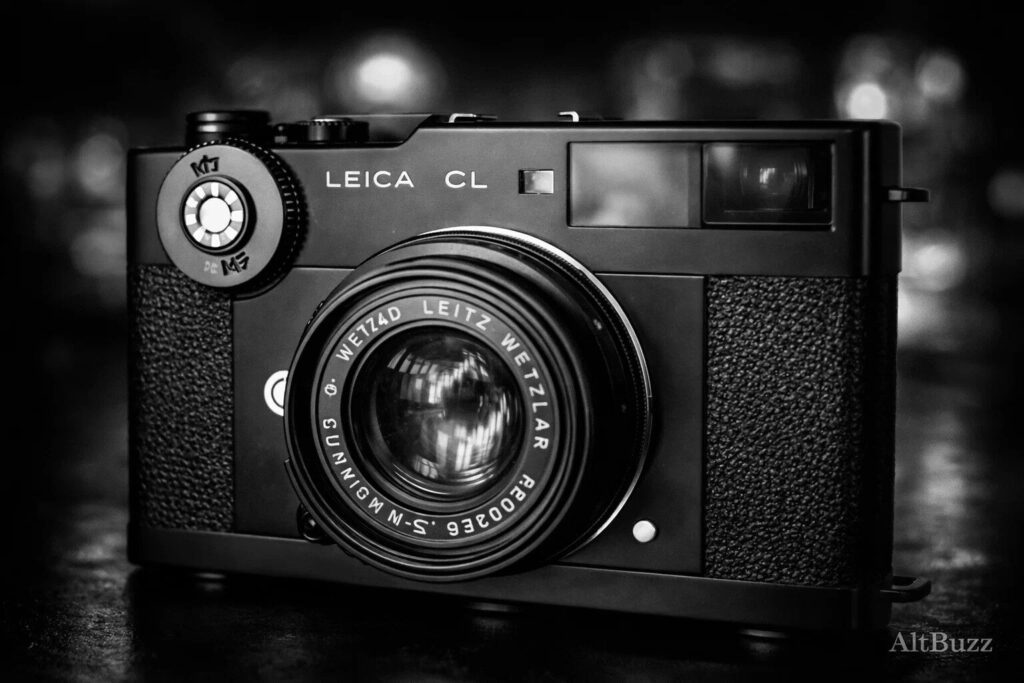
Overview
The Leica CL is a discontinued APS-C mirrorless camera that Leica stopped producing in 2022. This camera was released in 2017 as Leica’s entry into compact L-mount cameras. It targeted enthusiast photographers wanting Leica quality in a smaller package. However, Leica officially discontinued the entire CL system. The company cited declining sales of cameras with smaller sensors. They decided to focus exclusively on full-frame cameras going forward. This discontinuation makes the CL a risky purchase in 2026.
Why You Should NOT Buy It in 2026
The biggest reason to avoid the Leica CL is system discontinuation. Leica will not develop any new lenses or accessories for this camera. The APS-C L-mount system has no future with Leica. You’re buying into a dead system with zero manufacturer support. Firmware updates have stopped completely. New features will never arrive. The camera is frozen in time technologically.
Limited native lens selection was always a problem. Leica only released a handful of CL-specific APS-C lenses. The 18mm f/2.8, 23mm f/2, and zoom lenses were the main options. Third-party support from Sigma helps somewhat. However, most Sigma APS-C L-mount lenses are larger than the compact CL body. This defeats the purpose of a small camera system.
Resale value continues to decline as the discontinuation ages. Prices were actually lower three years ago than today. However, this temporary increase won’t last forever. As more modern cameras release, the CL becomes increasingly outdated. You’ll struggle to sell it when you want to upgrade.
Technical Limitations
The 24-megapixel APS-C sensor is decent but not exceptional. Image quality trails modern competitors from Sony and Fujifilm. The contrast-detection autofocus system feels sluggish compared to modern phase-detection systems. Subject tracking is unreliable for moving subjects. Video autofocus performance is particularly weak.
The camera lacks in-body image stabilization entirely. You rely solely on optical stabilization in lenses. Many third-party lenses don’t include stabilization at all. This limits handheld shooting in low light. Competing cameras offer excellent IBIS at similar price points.
Service and Repair Concerns
Leica committed to six years of service from purchase date. However, that window is closing for early adopters. Cameras purchased in 2017-2018 are approaching the end of support. After this period, repair availability becomes uncertain. Replacement parts will become increasingly scarce.
Third-party repair shops may not stock CL-specific components. Leica’s premium repair costs are well-documented. A simple repair could cost hundreds of dollars. For a discontinued camera, these costs don’t make financial sense.
Better Alternatives in 2026
The Sigma fp L offers full-frame quality in a compact body. It uses the same L-mount system with better lens options. The Fujifilm X-S20 provides superior autofocus and IBIS. Sony’s a6700 delivers cutting-edge technology at competitive prices. Even Panasonic’s Lumix G9 II offers better value with active development.
Specifications Overview
| Feature | Leica CL Specifications |
|---|---|
| Sensor | 24MP APS-C CMOS |
| Autofocus | Contrast-detection only |
| Stabilization | None (in-body) |
| Video | 4K 30p with crop |
| EVF | 2.36M-dot OLED |
| LCD | 3.0-inch fixed touchscreen |
| Battery Life | ~220 shots |
| Weight | 403 grams |
| Status | Discontinued 2022 |
Final Verdict on the Leica CL
The Leica CL was a nice camera when new. However, in 2026, it’s a dead-end investment. The discontinued system has no future. Limited lens options restrict creativity. Aging autofocus technology can’t compete with modern cameras. Service support is ending for early units. Better alternatives exist at every price point. Skip the CL and invest in cameras with active development.
2. Leica SL2
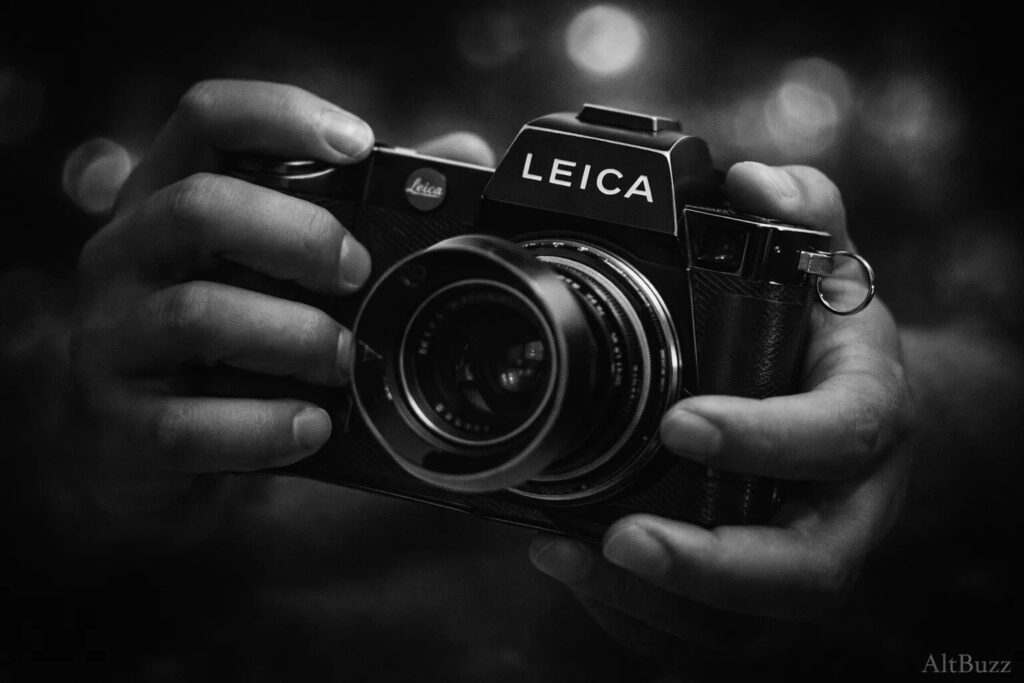
Overview
The Leica SL2 launched in November 2019 as Leica’s high-resolution full-frame mirrorless camera. It features a 47-megapixel sensor and premium build quality. The camera targeted professional photographers and serious enthusiasts. However, Leica has since released the SL3 in 2024 and SL3-S in 2025. These newer models make the SL2 outdated technology. The camera’s age and several significant issues make it a poor choice in 2026.
Why You Should NOT Buy It in 2026
The SL2 is now a two-generation-old camera. Technology has advanced significantly since 2019. The SL3 and SL3-S offer vastly superior features. These newer models have better autofocus, improved video, and modern connectivity. The SL2 feels ancient by comparison.
The camera suffers from documented battery issues during intensive use. Early models had serious power consumption problems. The battery would fail to power the camera during 4K recording. This happened even with 75% charge remaining. The issue became so severe that professional videographers avoided the camera entirely.
The Infamous Battery Power Problem
The SL2’s power management system has fundamental flaws. During 4K video recording, the camera frequently refuses to record. This happens with certain lenses and adapters. The Panasonic 50mm f/1.4 S lens triggers failures at 75% battery. Sigma lenses via the MC-21 adapter cause problems even at 100% charge. The camera simply won’t record high-resolution video reliably.
The issue relates to the compact battery design. Leica prioritized sleek aesthetics over functionality. The smaller battery can’t provide sufficient current draw. Intensive operations like 4K 60p exceed the power delivery capacity. Burst shooting also triggers similar problems.
Leica suggested using the vertical battery grip with two batteries. This doubles the available current and somewhat mitigates the issue. However, the grip is expensive and defeats the compact design. Firmware updates haven’t fully resolved the problem. Professional users simply can’t trust the camera for critical work.
Autofocus Limitations
The SL2’s autofocus system is dated by 2026 standards. Face and eye detection work but aren’t as reliable as competitors. Subject tracking struggles with erratic movement. The camera loses focus during critical moments. Video autofocus produces noticeable hunting in challenging conditions.
Modern cameras from Sony, Canon, and Nikon offer superior AF systems. Their subject detection includes animals, vehicles, and more. The tracking accuracy leaves the SL2 in the dust. For the premium price, you deserve better autofocus performance.
Ergonomic and Design Issues
Some users dislike the protruding strap lugs. They make the camera less comfortable to carry. The rear button layout changed from the original SL. Veterans of the SL found this frustrating. Only three rear buttons exist compared to four on the SL. The buttons have labels printed on them. This breaks Leica’s minimalist design philosophy.
The SL2 is significantly heavier than competitors. It weighs 835 grams with battery and card. Add a large Leica lens and the system becomes burdensome. All-day shooting becomes physically tiring. Lighter alternatives offer similar image quality with less strain.
Better Alternatives in 2026
The Leica SL3 offers everything the SL2 promised but actually delivers. It has reliable power management and modern autofocus. The Nikon Z8 provides exceptional value with cutting-edge technology. Canon’s EOS R5 Mark II dominates for hybrid photo/video work. Sony’s A7R V delivers 61 megapixels with reliable performance. Even the Panasonic S1R shares the same sensor with better implementation.
Specifications Overview
| Feature | Leica SL2 Specifications |
|---|---|
| Sensor | 47MP full-frame CMOS |
| Autofocus | Contrast-detection with DFD |
| Stabilization | 5-axis IBIS (5.5 stops) |
| Video | 5K 30p, 4K 60p |
| EVF | 5.76M-dot OLED |
| LCD | 3.2-inch tilting touchscreen |
| Battery Life | ~370 shots |
| Weight | 835 grams |
| Release | November 2019 |
Known Issues Summary
The battery power problem makes professional video work risky. Autofocus can’t compete with 2026 technology. The camera is two generations outdated. Pricing hasn’t dropped enough to justify the compromises. Service and support prioritize newer SL3 models. The protruding strap lugs annoy many photographers. Weight and size exceed modern competitors.
Final Verdict on the Leica SL2
The Leica SL2 had potential when new. However, serious power management flaws plagued the camera. These issues were never fully resolved through firmware. The autofocus system is outdated by 2026 standards. Two newer generations exist with vastly superior technology. Used prices remain too high for the outdated specs. Better cameras exist at every price point. Skip the SL2 and invest in the SL3, SL3-S, or competitors.
3. Leica M9
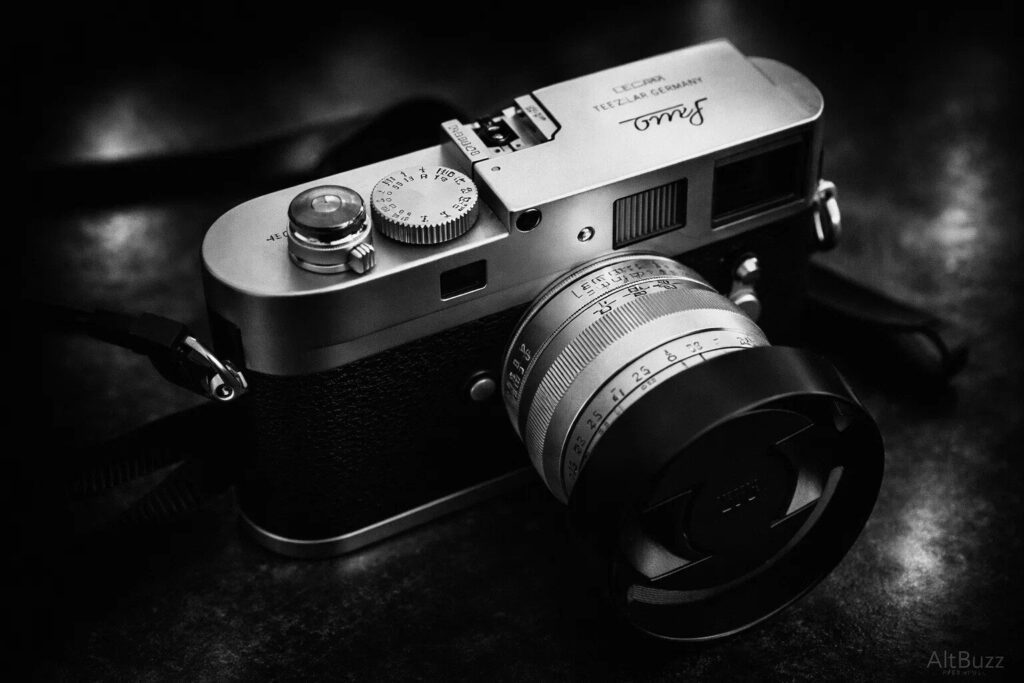
Overview
The Leica M9 was Leica’s first full-frame digital rangefinder camera. It launched in 2009 and remained in production until 2014. The camera revolutionized digital rangefinder photography. Its 18-megapixel Kodak CCD sensor delivered unique image rendering. Approximately 180,000 units were produced across various editions. However, the M9 has become infamous for catastrophic sensor failure. This single issue makes it the most dangerous Leica purchase in 2026.
Why You Should ABSOLUTELY NOT Buy It in 2026
The Leica M9 suffers from widespread sensor corrosion. This isn’t a minor issue affecting some cameras. It’s a design flaw that impacts virtually all M9 bodies eventually. The sensor cover glass corrodes over time. White spots appear in images that cleaning cannot fix. The camera becomes completely unusable.
Leica discontinued sensor replacement service in August 2020. No new replacement sensors are being manufactured. The production batch is completely exhausted. This means Leica cannot repair your corroded M9 sensor. The official support has ended permanently.
The Sensor Corrosion Disaster
The M9 uses a Kodak CCD sensor covered with Schott S8612 glass. This cover glass serves as the infrared cut filter. Leica fused this filter directly to the sensor assembly. This design saved space but created a catastrophic problem.
The glass used is a BG-type material prone to oxidation. Protective coatings that prevent corrosion were either inadequate or missing entirely. Independent analysis revealed Leica used uncoated BG glass. Experts called this decision “stupid, stupid, stupid.” The glass oxidizes when exposed to air over time.
Humidity accelerates the corrosion process dramatically. Cameras in tropical or humid climates failed within years. Even cameras in dry climates eventually developed corrosion. The white spots start small and multiply over time. Eventually, the entire sensor becomes covered in artifacts.
Leica’s Response and Failure
Leica first acknowledged the problem in 2014. They offered free sensor replacements as a goodwill gesture. However, replacement sensors used the exact same flawed design. Many replacement sensors developed corrosion again within years. The problem was never truly fixed.
From 2017, Leica began charging €982 for replacements. Later this increased to $1,600 in the United States. In August 2020, Leica discontinued the service entirely. No more CCD sensors were available. Owners were offered upgrade credits toward new cameras instead.
This means any M9 you buy today is a ticking time bomb. You cannot predict when corrosion will appear. Once it does, Leica cannot repair it.
Third-Party Repair Options
Kolari Vision offers sensor repair service for $999. They replace the corroded filter with corrosion-resistant BG60 glass. This permanently fixes the issue with superior materials. However, this service requires shipping to the United States. International shipping adds significant cost and time. The repair doesn’t include warranty coverage for other components.
LDP LLC also offered similar services for $1,500. However, these third-party options are expensive. Combined with the used camera cost, you’re paying nearly $3,000-4,000 total. For that money, much better cameras exist.
Other M9 Problems
Beyond sensor corrosion, the M9 has additional issues. The 18-megapixel resolution is low by 2026 standards. High ISO performance is poor compared to modern sensors. The camera tops out at ISO 2500. Noise becomes problematic above ISO 1600.
The M9 lacks live view entirely. You cannot preview exposure before shooting. Video recording is completely absent. The camera is strictly for still photography. The LCD screen is tiny at 2.5 inches. Battery life is mediocre at approximately 350 shots.
Affected Models
The sensor corrosion affects multiple M9 variants:
- Leica M9
- Leica M9-P
- Leica M Monochrom (original)
- Leica M-E
- All special editions based on these models
The $29,000 M9 Titanium is equally vulnerable. Price doesn’t protect against this fundamental design flaw. Every M9 eventually develops corrosion.
Specifications Overview
| Feature | Leica M9 Specifications |
|---|---|
| Sensor | 18MP full-frame CCD |
| ISO Range | 80-2500 |
| Autofocus | Manual focus only (rangefinder) |
| Stabilization | None |
| Video | None |
| LCD | 2.5-inch fixed screen |
| Battery Life | ~350 shots |
| Weight | 585 grams |
| Status | Discontinued 2014, no sensor support |
Better Alternatives in 2026
The Leica M10-R offers 40 megapixels without sensor corrosion. The M11 provides modern technology with 60-megapixel resolution. The M11 Monochrom delivers dedicated black-and-white excellence. Even used M10 models are safer purchases. For digital rangefinders, these options have manufacturer support.
If you love the CCD look, consider the M8. It has different sensor technology without the corrosion issue. The rendering is unique though resolution is only 10 megapixels.
The Cost Reality
Used M9 prices remain surprisingly high at $1,500-2,500. Add potential $999-1,500 for sensor repair. You’re investing $2,500-4,000 into outdated technology. The camera has no warranty and limited serviceability. Other components may fail with no replacement parts available.
For $2,500, you could buy an excellent used Leica M10. For $4,000, newer M11 bodies come within reach. These investments make infinitely more sense.
Final Verdict on the Leica M9
The Leica M9 is the worst Leica camera to buy in 2026. Sensor corrosion is not a question of if, but when. Leica cannot repair corroded sensors anymore. Third-party repairs are expensive and risky. The camera represents a dead-end investment. Image quality is outdated by modern standards. No video capability limits versatility. Battery life and ISO performance are weak. The M9 belongs in museums, not camera bags. Absolutely avoid this camera at any price.
Final Thoughts
These three Leica cameras share common problems. They’re all discontinued or outdated. They have serious technical issues or design flaws. Better alternatives exist at every price point. Support and repair options are limited or nonexistent.
The Leica CL is a dead system with no future. The Leica SL2 has power problems and outdated technology. The Leica M9 is a ticking time bomb with unfixable sensor corrosion.
In 2026, countless excellent cameras are available. Modern technology offers superior performance and reliability. Don’t waste money on these problematic Leicas. Invest in cameras with active development and manufacturer support.
If you want Leica quality, buy current models. The M11 series delivers exceptional rangefinder photography. The SL3 series provides professional mirrorless performance. The Q3 offers fixed-lens perfection. These cameras have support, updates, and bright futures.
Save your money. Avoid these three Leica cameras completely. Your photography deserves better equipment.
Read More from AltBuzz
Read more from AltBuzz for camera reviews, detailed specs, and expert insights. AltBuzz delivers trusted and easy-to-understand photography content. The site covers everything from entry-level cameras to professional equipment. Reviews are thorough, honest, and based on real-world testing. Comparison articles help readers make informed decisions. Tutorial content teaches photography and videography skills. AltBuzz stays current with the latest industry news and camera releases.
Subscribe AltBuzz YouTube Channel
Stay updated with camera reviews and comparisons. AltBuzz shares hands-on camera content regularly. The YouTube channel features detailed video reviews of new and used cameras. Comparison videos help viewers choose the right gear. Tutorials teach practical photography techniques. Behind-the-scenes content shows real-world usage scenarios.
Subscribe here: Subscribe AltBuzz
Disclaimer: This article is based on documented issues, user reports, and technical analysis. Always research thoroughly before purchasing any used camera equipment. Prices and availability vary by region and condition.