
Sony ZV-E1 Review: A Vlogging Camera Wearing a Cinema Camera’s Sensor
The Sony ZV-E1 arrived in 2023 with a genuinely unusual proposition. Rather than building another entry-level vlogging camera around a smaller sensor, Sony took the same full-frame imaging core found in the acclaimed a7S III and FX3, then wrapped it inside its smallest, most approachable ZV-series body yet. The result is a camera that looks like a beginner’s vlogging tool but shoots with the low-light sensitivity and dynamic range of a genuine cinema-grade sensor.
This article breaks down everything worth knowing about the Sony ZV-E1. We will cover its sensor and processing engine, video specifications, the AI-driven framing and subject tracking features that define its content-creator identity, stabilization, and physical design. We will also compare it against its closest sibling, the APS-C ZV-E10 II, and look honestly at who this camera serves best. By the end, you will understand exactly why Sony chose to put such capable internals into a camera this small.
What Is the Sony ZV-E1 and Why It Shares DNA With the a7S III
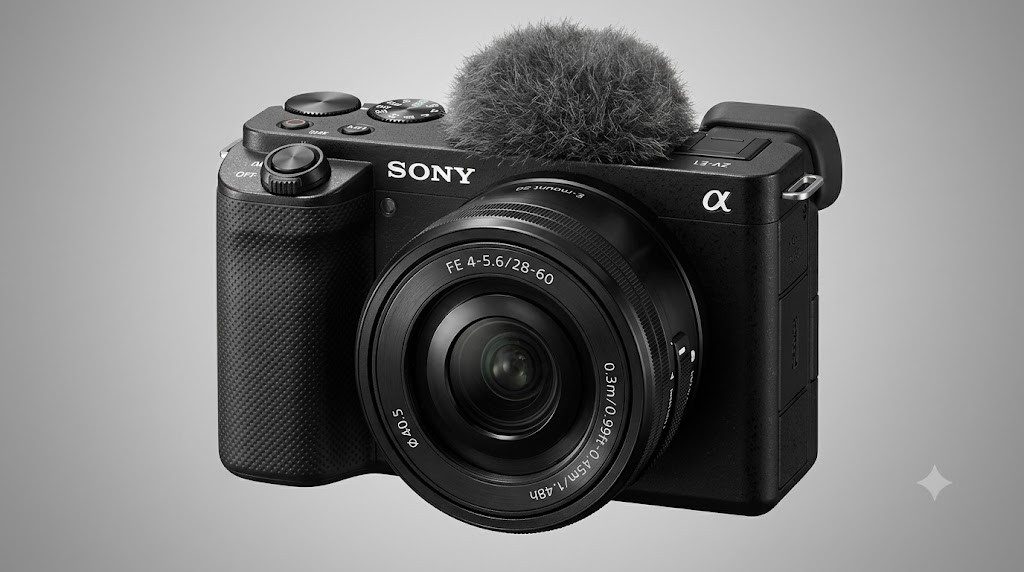
Understanding this camera starts with recognizing exactly which internal components Sony carried over from its acclaimed video-focused siblings.
The Same Sensor Found in the a7S III and FX3
According to specifications confirmed at the camera’s original announcement on Sony’s official product page, the ZV-E1 uses the same 12.1-megapixel full-frame back-illuminated Exmor R CMOS sensor found in both the a7S III and the FX3 cinema camera. This sensor’s deliberately modest resolution reflects a design philosophy prioritizing light-gathering capability and dynamic range over pixel count, the same tradeoff that made the a7S line famous among low-light videographers.
Extending the ZV Concept Into Full-Frame Territory
The ZV-E1 represents Sony’s first vlogging-focused camera to extend the ZV concept into the full-frame realm, according to coverage of the announcement. Previous ZV models, including the ZV-E10, relied on smaller APS-C sensors, making the ZV-E1 a genuine step up in imaging capability while retaining the same face-forward, creator-friendly design philosophy that defines the entire ZV lineup.
One of the Smallest Full-Frame Interchangeable Lens Cameras Available
According to retail product descriptions, the ZV-E1’s full-frame E-mount makes it one of the smallest cameras with an interchangeable lens mount currently on the market. Packing a sensor this capable into a body this compact required genuine engineering compromise elsewhere, a tradeoff this review will address directly in the sections that follow.
Sony ZV-E1 Sensor and Image Quality
The sensor represents the single biggest reason this camera generates so much interest despite its modest resolution figure.
A Deliberately Low Resolution for Maximum Light Gathering
The ZV-E1’s 12.1-megapixel sensor uses considerably larger individual photosites than a higher-resolution alternative would allow within the same full-frame sensor area. According to retail specifications, this design delivers 2.5 times the image size of an APS-C sensor while maintaining exceptional per-pixel light-gathering capability, the same fundamental tradeoff that has defined the a7S line’s low-light reputation since its introduction.
More Than 15 Stops of Dynamic Range
According to Sony’s own specifications, the ZV-E1 delivers more than 15 stops of dynamic range, a genuinely impressive figure that gives both photographers and videographers considerable latitude for recovering detail in shadows and highlights during post-production. This dynamic range performance directly reflects the sensor’s shared heritage with the a7S III and FX3.
An Extraordinary Extended ISO Range
According to official specifications, the ZV-E1 offers a standard ISO range of 80 to 102,400, expandable to an extended range of 80 through 409,600. This extreme sensitivity ceiling makes the camera genuinely capable in near-darkness, a scenario where its larger photosites and full-frame sensor area provide a meaningful advantage over smaller-sensor competitors in the same price range.
BIONZ XR Processing With a Dedicated AI Unit
According to retail product specifications, the ZV-E1 pairs its sensor with an updated BIONZ XR image processor alongside a new, dedicated AI processing unit. This separate AI chip handles the camera’s subject recognition and framing features independently from the main image processor, allowing genuinely sophisticated real-time scene analysis without compromising the camera’s core image processing performance.
Sony ZV-E1 Video Specifications
Video capability sits at the core of this camera’s identity, and its specifications reflect genuine ambition for a body this compact.
4K Recording Up to 120 Frames Per Second
According to official specifications, the ZV-E1 records UHD 4K video at up to 120 frames per second, alongside Full HD recording up to 240 frames per second for genuinely smooth slow-motion footage. Video recording uses direct pixel readout with 10-bit depth and 4:2:2 color sampling, according to retail product descriptions, supporting both Long GOP and All-Intra compression options depending on how much storage efficiency versus editing flexibility a given project demands.
Professional Color Profiles Built In
According to official specifications, the ZV-E1 includes S-Log3 and S-Gamut3 color profiles alongside S-Cinetone, a color science option originally developed for Sony’s professional Cinema Line cameras and specifically tuned to render natural, flattering skin tones. User LUT support gives videographers additional flexibility to apply custom color transforms directly in-camera during recording or playback.
The Cinematic Vlog Setting
According to retail product descriptions, the ZV-E1 includes a Cinematic Vlog Setting that provides an intuitive way to create footage resembling feature film production value. Users select a Look, such as the S-Cinetone profile, alongside a Mood option that emphasizes specific color characteristics, and an autofocus transition speed setting that determines how quickly focus shifts between subjects, letting even inexperienced creators approximate professional cinematography choices without manually configuring each parameter individually.
Sony ZV-E1 AI Auto-Framing and Subject Tracking
Perhaps the most genuinely novel aspect of this camera involves how it uses its dedicated AI processor to handle framing decisions that traditionally required a camera operator or a separate gimbal system.
AI-Based Auto Framing Explained
According to official product specifications, the ZV-E1 includes AI-based Auto Framing, a feature that uses the camera’s full sensor area to digitally track and reframe a subject even when shooting a cropped output resolution. This effectively simulates a camera operator panning and adjusting framing in real time, without any physical movement of the camera body itself.
Framing Stabilizer for Simulated Camera Movement
Working alongside Auto Framing, the Framing Stabilizer feature further smooths and stabilizes the simulated reframing motion, according to official specifications, helping the digitally cropped and repositioned output feel like genuinely smooth camera operation rather than an abrupt digital crop shifting between positions.
Multiple Face Recognition for Group Content
According to official specifications, the ZV-E1 supports Multiple Face Recognition, allowing the camera’s autofocus and framing systems to intelligently track and prioritize among several people in frame simultaneously. This benefits creators who regularly film interviews, collaborative content, or group vlogs where a single-subject tracking system would otherwise struggle to manage attention across multiple people.
Product Showcase Setting for Review Content
According to official specifications, the ZV-E1 retains the Product Showcase Setting first introduced on earlier ZV cameras, which prioritizes autofocus toward an object held up close to the camera rather than continuing to track the presenter’s face. This feature specifically serves product review and unboxing content creators who need the camera to shift focus seamlessly between themselves and an item they are demonstrating.
Sony ZV-E1 Stabilization and Handling
Given its compact size, stabilization performance matters enormously for a camera marketed specifically toward handheld and walking vlog content.
Five-Axis SteadyShot Image Stabilization
According to official specifications, the ZV-E1 includes 5-axis SteadyShot in-body image stabilization, compensating for camera shake across multiple axes of movement during both handheld stills photography and video recording. This stabilization becomes particularly important given the camera’s small, lightweight body, which offers less natural physical mass to dampen shake compared to larger camera bodies.
A Compact Body With Genuine Ergonomic Tradeoffs
According to retail product descriptions, the ZV-E1 is noted as being even smaller than the ZV-E10, reflecting Sony’s deliberate prioritization of portability and discretion for solo content creators. This compact size does introduce genuine handling tradeoffs compared to larger full-frame bodies, particularly for photographers accustomed to more substantial grip depth during extended handheld shooting sessions.
Dust and Moisture Resistant Housing
According to retail product descriptions, the ZV-E1 includes a dust and moisture resistant housing, giving content creators reasonable confidence shooting in varied outdoor conditions without requiring extensive additional weather protection, despite the camera’s compact and lightweight overall construction.
Sony ZV-E1 Sustainability and Accessibility Features
Sony specifically highlighted several design choices around environmental impact and accessibility during this camera’s original announcement.
Recycled Materials in Construction and Packaging
According to coverage of the camera’s original announcement, the ZV-E1 was developed with sustainability specifically in mind, featuring a newly developed windscreen using fibers made from recycled PET bottles. The outer packaging uses Sony’s Original Blend Material, combining bamboo, sugar cane, and recycled paper, while plant-based non-woven fabrics replace conventional materials in the product bags.
Built-In Accessibility Features
According to coverage of the announcement, the ZV-E1 includes accessibility features such as screen reader functionality specifically designed for visually impaired users, allowing a broader range of creators to operate the camera and manage shooting and playback independently.
Sony ZV-E1 vs the Sony ZV-E10 II
Understanding how the ZV-E1 compares against its APS-C sibling clarifies exactly what the full-frame sensor upgrade actually buys a content creator.
Full-Frame Versus APS-C Sensor Size
The ZV-E1’s 12.1-megapixel full-frame sensor prioritizes low-light performance and dynamic range, while the ZV-E10 II uses a 26-megapixel APS-C sensor instead, according to official specifications for both cameras. This represents a genuine philosophical difference rather than a simple resolution comparison, since the ZV-E10 II’s higher resolution suits detailed stills and cropping flexibility, while the ZV-E1’s larger photosites suit low-light video work and cinematic depth of field control.
A Significant Price Gap Between the Two Cameras
According to pricing at launch, the ZV-E10 II retailed for 999 dollars body-only, while the ZV-E1 launched considerably higher at 2,199.99 dollars body-only. This substantial price difference reflects the ZV-E1’s genuine cinema-grade internals rather than simply a premium placed on the ZV brand name itself.
Which Camera Actually Fits Your Content
Creators who primarily shoot in well-lit environments and want maximum resolution flexibility for both photos and video would likely find the ZV-E10 II delivers excellent value at a considerably lower price point. Creators who regularly work in challenging low-light conditions, prioritize cinematic full-frame depth of field, or specifically want the AI-driven framing tools paired with genuine cinema camera sensor performance represent the clearer audience for the ZV-E1’s premium price point.
Who Should Buy the Sony ZV-E1
Understanding the ideal buyer for this camera clarifies whether its premium price and specialized feature set genuinely fit your specific content creation needs.
Solo Creators Working in Challenging Light
YouTubers, documentary vloggers, and solo content creators who frequently shoot in dim interiors, at night, or in other challenging lighting conditions stand to benefit enormously from this camera’s exceptional high-ISO performance and dynamic range, capabilities most compact vlogging cameras simply cannot match.
Creators Who Work Without a Camera Operator
The combination of AI Auto Framing, Framing Stabilizer, and Multiple Face Recognition specifically serves creators who film alone or without a dedicated camera operator, letting the camera itself handle framing decisions that would otherwise require manual adjustment or a separate gimbal operator during a shoot.
Photographers and Videographers Who Need Maximum Resolution Should Look Elsewhere
Given its deliberately modest 12.1-megapixel resolution, photographers who need genuine cropping flexibility or large-format print capability should consider a higher-resolution alternative instead. This camera’s entire value proposition centers on video performance and low-light sensitivity rather than maximum stills resolution.
Real World Scenarios Where the ZV-E1 Genuinely Excels
Understanding exactly when this camera’s specific strengths translate into a genuinely better final result helps clarify whether it fits your particular content creation workflow.
Solo Interview and Podcast Style Content
Creators filming interviews or podcast-style conversations benefit directly from Multiple Face Recognition, letting the camera intelligently track attention between two or more people in frame without manual intervention. Combined with the camera’s strong low-light performance, this makes the ZV-E1 particularly well suited to indoor studio setups with modest or inconsistent lighting, a common scenario for creators without access to a fully equipped video studio.
Walking and Talking Vlog Content Without a Gimbal
The combination of 5-axis SteadyShot stabilization, AI Auto Framing, and the Framing Stabilizer feature specifically targets creators who film themselves walking and talking directly to camera. Rather than requiring a separate gimbal rig to maintain smooth, well-framed footage, the ZV-E1 handles a meaningful portion of this stabilization and framing work internally, simplifying the equipment a solo creator needs to carry during location shoots.
Night and Low-Light Documentary Work
Documentary creators covering nighttime events, dimly lit venues, or after-dark urban content stand to benefit enormously from the sensor’s extended ISO range and more than 15 stops of dynamic range. Where a typical vlogging camera would introduce visible noise or lose shadow detail entirely in these conditions, the ZV-E1’s full-frame sensor and larger photosites preserve considerably more usable detail.
Frequently Asked Questions About the Sony ZV-E1
Does the Sony ZV-E1 use the same sensor as the a7S III?
Yes. The ZV-E1 uses the same 12.1-megapixel full-frame back-illuminated Exmor R CMOS sensor found in both the Sony a7S III and the FX3 cinema camera, prioritizing low-light sensitivity and dynamic range over high resolution.
Is 12 megapixels enough resolution for stills photography?
For web use, social media, and standard print sizes, 12 megapixels remains genuinely sufficient for most casual and content-creation purposes. Photographers who need significant cropping flexibility or large-format prints should consider a higher-resolution camera instead, since this is not the ZV-E1’s core strength.
What is AI Auto Framing on the Sony ZV-E1?
AI Auto Framing uses the camera’s dedicated AI processing unit to digitally track and reframe a subject within the full sensor area, simulating the effect of a camera operator panning and adjusting framing in real time without any physical camera movement.
How does the Sony ZV-E1 compare to the ZV-E10 II?
The ZV-E1 uses a full-frame 12.1-megapixel sensor optimized for low light and video, while the ZV-E10 II uses a higher-resolution 26-megapixel APS-C sensor better suited to detailed stills and general-purpose shooting, at a considerably lower price point.
Does the Sony ZV-E1 have a mechanical shutter?
No. The ZV-E1 operates with no mechanical shutter, relying entirely on its electronic shutter, a design choice that contributes to the camera’s compact size and quiet operation.
Final Thoughts on the Sony ZV-E1
The Sony ZV-E1 represents a genuinely bold decision within Sony’s vlogging camera lineup, placing acclaimed cinema-grade sensor technology from the a7S III and FX3 into its smallest, most approachable creator-focused body. The result is a camera capable of genuinely cinematic low-light performance, backed by AI-driven framing tools that meaningfully reduce the need for a separate camera operator during solo content creation.
At 2,199.99 dollars body-only, the ZV-E1 asks a significant premium over Sony’s more affordable APS-C vlogging options, one justified specifically by its genuine cinema camera internals rather than cosmetic branding alone. For creators whose work depends on low-light performance and hands-free framing intelligence, that premium buys capability unavailable anywhere else in a body this compact.
Read More from Altbuzz
For more Sony coverage, check our Sony ZV-E10 II review, our Sony a7S III full review, and our best cameras for solo content creators buying guide for additional context on this competitive category.
Follow every Sony ZV series release and content creator camera update at altbuzzmedia.com.
Subscribe to Altbuzz YouTube Channel
Full hands-on impressions of the Sony ZV-E1, comparisons against the ZV-E10 II and a7S III, and ongoing Sony content creator camera coverage are live on the Altbuzz YouTube channel @AltBuzzMedia. Subscribe now for weekly camera reviews and gear breakdowns through the rest of 2026.