
Sony Alpha 1 II Review: Sony’s Flagship Camera Tested
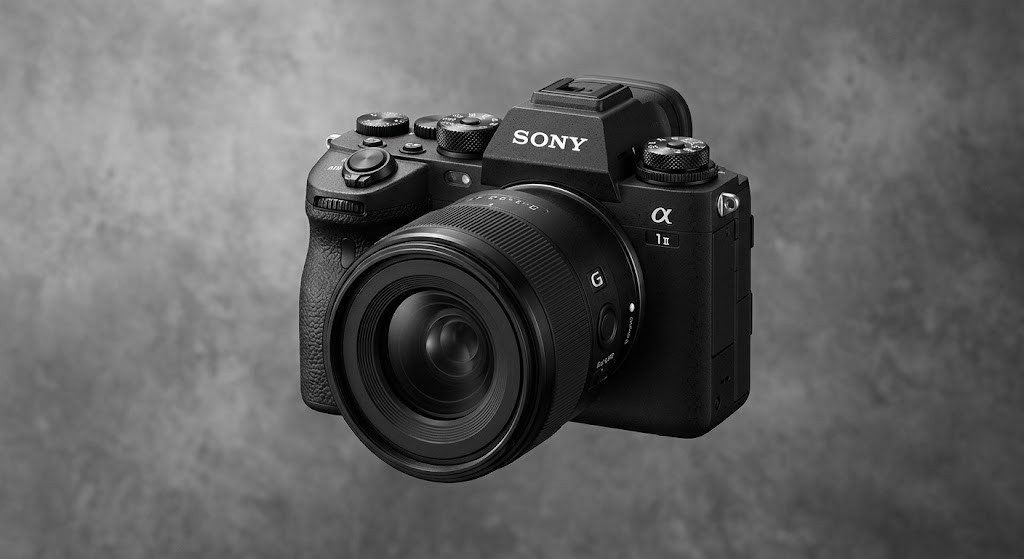
The Sony Alpha 1 II sits at the very top of Sony’s camera lineup. It costs 6,499.99 dollars for the body alone, and that price puts it out of reach for most photographers. This Sony Alpha 1 II review looks at what that money actually buys, and whether the camera earns its place at the top of the range in 2026.
Sony did not reinvent the camera with this update. Instead, the company refined nearly everything around an already excellent core. That refinement is the whole story of this review.
For more camera reviews and buying guides like this one, visit Alt Buzz and subscribe to the Alt Buzz YouTube channel.
Sony Alpha 1 II Specs Overview
The Alpha 1 II keeps the same 50.1MP full frame stacked sensor found in the original Alpha 1. Sony paired that sensor with a new AI processing unit, which handles subject recognition separately from the main image processor. That separation frees up processing power for other tasks and improves autofocus consistency across the board.
Key specs include:
- 50.1MP full frame Exmor RS stacked CMOS sensor
- Dedicated AI processing unit for subject recognition
- Blackout free continuous shooting up to 30fps
- AF and AE tracking calculated up to 120 times per second
- In body image stabilization rated at 8.5 stops in the center
- Pre capture function that saves images up to one second before you press the shutter
- 8K video recording with 10 bit 4:2:2 internal color
- 4K recording at up to 120fps
- Dual CFexpress Type A and SD card slots
- 4 axis multi angle LCD screen
- Deeper grip borrowed from the Sony Alpha 9 III
- New C5 custom button on the front of the body
On paper, this is one of the most capable cameras Sony has ever built. The real question is whether that capability translates into a better experience behind the camera.
Autofocus: The Biggest Real World Upgrade
The autofocus system is where the Alpha 1 II shows the clearest improvement over its predecessor. The new AI processing unit adds a genuine “Auto” subject recognition mode. The camera detects what kind of subject sits in the frame and switches tracking modes on its own. You no longer need to manually select between human, animal, bird, or vehicle tracking before you start shooting.
The camera also inherits human pose estimation from Sony’s more recent bodies. It recognizes a person’s head and torso even when they turn away from the lens, which keeps focus locked during unpredictable movement. For wedding photographers and event shooters, this single feature saves a lot of missed frames.
Wildlife shooters get real benefits here too. Field testers tracking birds in flight report confident, sticky autofocus even during fast takeoffs, and the pre capture function has already saved shots that would have been missed entirely under the old system.
Image Quality and Dynamic Range
Sony kept the same sensor from the original Alpha 1, so raw image quality stays close to what that camera already delivered. Dynamic range remains excellent, with performance that holds up well against the higher resolution A7R V in real world testing. Sony claims improved image quality at mid to high ISO settings thanks to the new processing engine, though those gains show up mainly in JPEG output rather than raw files.
At 50.1MP, files sit in a comfortable middle ground. You get plenty of resolution for cropping and large prints, without the massive file sizes that come with Sony’s 60 plus megapixel bodies. That balance is part of why professionals across so many genres reach for this camera instead of a dedicated high resolution body.
Sony has promised up to 15 stops of dynamic range at lower ISO settings, a figure the company also claimed for the original Alpha 1. Real world testing backs that claim up. Shooters who deliberately overexpose and underexpose images by several stops, then correct the brightness in post processing, get clean, usable files with minimal noise creeping in. That kind of latitude matters most in high contrast scenes, such as a bright sky over a shaded subject, where you need to protect both highlights and shadows in a single frame.
Noise performance at high ISO stays consistent with what you would expect from a 50MP sensor. It will never match the per pixel cleanliness of a lower resolution body at the same ISO, since more megapixels packed into the same sensor size means smaller individual photosites. In practice, this rarely matters. Oversample a 50MP file down to a smaller output size, and noise levels end up matching or beating lower resolution sensors from the same generation.
Sony Alpha 1 II vs the Original Alpha 1
The obvious question for existing Alpha 1 owners is whether the upgrade is worth it. The honest answer is that it depends entirely on how you shoot.
The sensor has not changed, so anyone expecting a resolution jump or a fundamentally different look from their files will be disappointed. What has changed is everything around that sensor. The autofocus system feels noticeably smarter thanks to the dedicated AI processing unit. The Auto subject recognition mode alone removes a step from your shooting workflow that the original Alpha 1 never offered. In body stabilization jumped from 5.5 stops to 8.5 stops in the center of the frame, which is a meaningful gain for handheld shooting in low light.
Ergonomics also improved in ways that matter more the longer you use the camera. The deeper grip, the new C5 button, and the fully articulating screen all address small annoyances that added up over years of professional use. None of these changes will show up dramatically in a spec sheet comparison, but they show up clearly in a full day of shooting.
For working professionals who lean on autofocus reliability and pre capture to get the shot, the upgrade makes sense. For photographers who mostly shoot static subjects and rarely push the autofocus system to its limits, the original Alpha 1 still performs at a very high level and may not justify the cost of trading up.
Sony Alpha 1 II vs the Competition
The Alpha 1 II does not compete in a vacuum. The Nikon Z8 and Canon EOS R5 Mark II both offer high resolution sensors, fast burst shooting, and strong autofocus systems for meaningfully less money. Both rivals can handle the vast majority of professional work that the Alpha 1 II is built for.
What separates the Alpha 1 II is less about outright specs and more about ecosystem depth and refinement. Sony’s lens lineup for professional work, particularly in telephoto glass for wildlife and sports, remains one of the deepest in the industry. The camera’s AI processing unit also edges ahead in specific tracking scenarios, particularly with erratic subjects like birds in flight or fast moving athletes.
For a photographer starting fresh with no existing lens investment, the price gap to the Z8 or R5 Mark II is hard to ignore. For someone already several lenses deep into the Sony E mount system, switching brands to save money on a single body rarely makes financial sense once you account for replacing that entire collection.
Video Performance
The Alpha 1 II records 8K video with 10 bit 4:2:2 internal color, along with 4K at up to 120fps for smooth slow motion work. Autofocus improvements carry over fully into video mode, and the new Dynamic Active Mode stabilization uses the AI chip to predict camera movement during handheld shooting. That makes a real difference during run and gun documentary style work.
That said, the video spec sheet has not moved dramatically since the original Alpha 1 launched back in 2021. There is no 8K60 recording option. There is no open gate recording. Internal RAW video recording is still missing, which puts the Alpha 1 II a step behind some rivals for pure video production work.
Handling and Ergonomics
This is where the Alpha 1 II feels like a genuine upgrade rather than a spec bump. The grip is deeper and more contoured, borrowing design language from the Sony Alpha 9 III. That extra surface area matters during long days shooting with heavy telephoto lenses, since it reduces hand fatigue and keeps the camera balanced instead of tipping forward.
The new C5 custom button sits within easy reach of your middle finger, and many shooters map it to the Speed Boost feature for quick bursts of extra frame rate when the moment demands it. The rear LCD now tilts on a 4 axis multi angle hinge, a feature photographers have requested for years across Sony’s lineup.
Build quality feels every bit as tough as you would expect from a flagship body. It handles dust, rain, and long professional shoots without complaint.
Price and Value
At 6,499.99 dollars for the body alone, the Alpha 1 II sits at the very top of the market. That price matches its predecessor, so at least Sony did not raise the cost of entry with this update. Still, rivals like the Nikon Z8 and Canon EOS R5 Mark II offer a lot of the same core capability for significantly less money.
That comparison matters, but it misses the point for the audience this camera actually serves. Most working Sony professionals are already invested in E mount lenses. Switching systems to save money on a single body rarely makes financial sense once you account for replacing an entire lens collection. For those photographers, the Alpha 1 II is simply the strongest tool available inside the system they already use.
Who Should Buy the Sony Alpha 1 II
This camera makes sense for a specific type of photographer. It fits professional wildlife shooters who need reliable tracking on fast, unpredictable subjects. It fits sports and photojournalism work where missed frames cost real money. It fits wedding and event photographers who need speed, resolution, and dependable autofocus in one body. It also fits hybrid shooters who move between stills and serious video work on the same job.
If you mostly shoot landscapes, travel, or everyday photography, this camera brings far more capability than you actually need. A camera like the Sony A7R V or a smaller full frame body will serve that kind of work better, and it will cost thousands of dollars less.
Sony Alpha 1 II Pros and Cons
Pros
- Excellent, confident autofocus with genuine automatic subject detection
- Blackout free 30fps shooting with reliable AF and AE tracking
- Pre capture function that recovers moments you would otherwise miss
- Improved grip and ergonomics for long shooting days
- Strong image quality and dynamic range at 50.1MP
- Capable 8K and high frame rate 4K video
Cons
- Very high price compared to capable rivals
- No internal RAW video recording
- No 8K60 or open gate video options
- Minimal upgrade to core video specs since the original Alpha 1
- CFexpress Type A cards remain expensive
Final Verdict
The Sony Alpha 1 II is not a revolution. It is a careful, deliberate refinement of an already excellent camera. The autofocus improvements alone justify the update for professionals who shoot fast, unpredictable subjects for a living. The improved ergonomics make long shooting days genuinely more comfortable, and the pre capture feature has already proven its worth in the field.
For working professionals already inside the Sony ecosystem, this is the obvious flagship choice. For enthusiasts and hobbyists, the price puts far more camera in your hands than your photography likely needs. Buy this camera because you know exactly what problem it solves for your work, not because it sits at the top of Sony’s lineup.
For more in depth camera reviews and comparisons, check out Alt Buzz and the Alt Buzz YouTube channel.