
Pentax is not trying to beat Sony or Canon at their own game in 2026. The brand has picked a different fight. It builds cameras for photographers who want an experience the rest of the market has quietly stopped offering.
That focus narrows the lineup fast. Out of everything Pentax sells right now, three cameras earn a real recommendation: one for film, one for the classic DSLR feel, and one for the files it still produces. Here is why each one made the cut, and who should actually buy it.
3. Pentax 17: The Film Camera That Makes You Slow Down
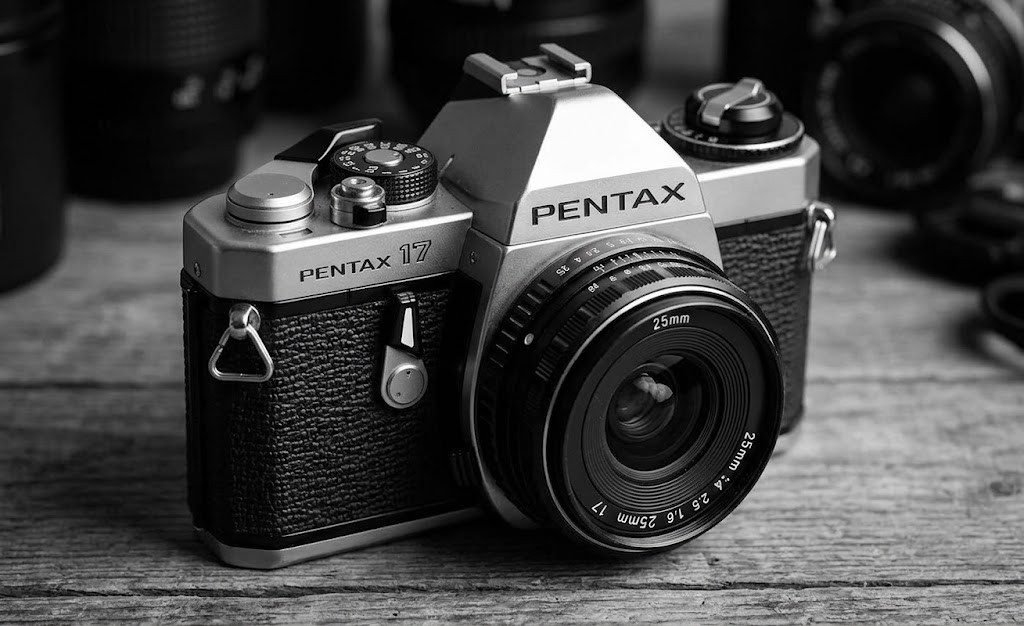
The Pentax 17 sits at number three, and resolution has nothing to do with it. This camera runs on standard 35mm film, but it cuts every frame in half. Each shot measures 24x17mm, captured through a fixed 25mm lens with a field of view close to 37mm equivalent.
There is no autofocus motor inside. You set distance by zone, wind the film by hand, and look through an optical viewfinder that shows only the scene in front of you. Nothing else.
That missing feedback is the whole point. You cannot check a screen. You cannot fix the exposure after the shot. You commit to the photograph before you know if it worked, and that one restriction changes how a person shoots. Every moment gets chosen more carefully, because there is no editing room fix waiting on the other end.
Ricoh still sells the 17 new for $499.95, and the price has held steady since launch. That kind of price stability says something about steady demand.
The math works in its favor too. Cutting the frame in half turns a standard 36-exposure roll into roughly 72 images. Film costs money. Developing costs money. Scanning costs money. Stretching every roll further is not a small perk. It is the difference between shooting film occasionally and shooting it often.
Who should buy the Pentax 17
This camera fits a street photographer, a traveler, or a digital shooter who wants a second body built purely for enjoyment rather than output. It is the wrong pick for anyone chasing maximum image quality per dollar, autofocus, or low running costs, since every roll still costs something. The 17 earns its spot by offering a different relationship with photography, not by replacing anything digital.
2. Pentax K-3 Mark III: The Last True DSLR Experience
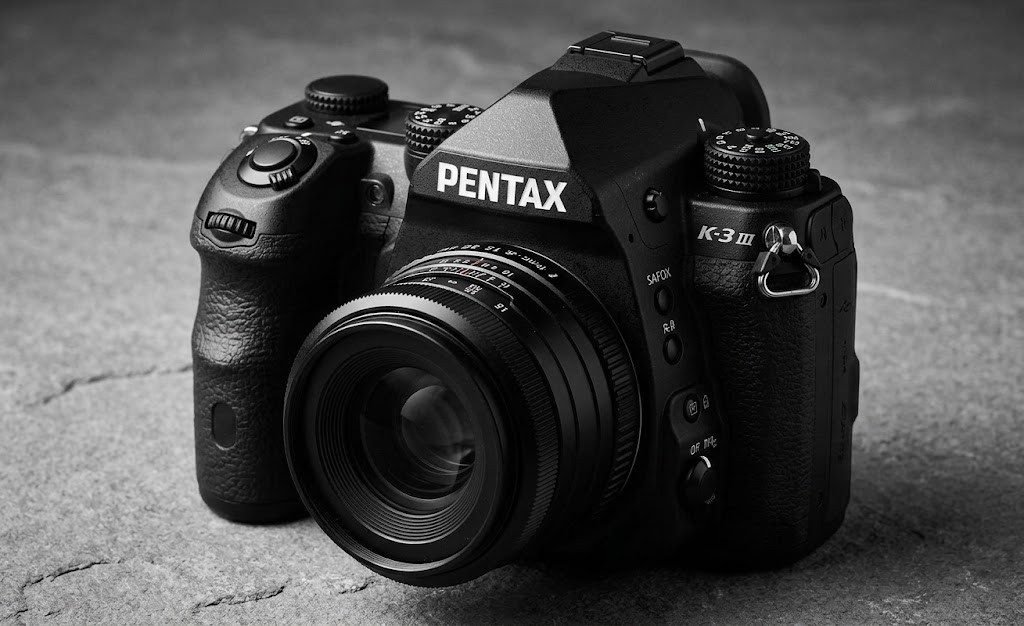
The Pentax K-3 Mark III holds the number two spot, and it exists for people who never stopped wanting a DSLR. This is not a camera that survived into the mirrorless era by accident. Pentax built it on purpose around a large 1.05x optical pentaprism viewfinder, a 25.7MP BSI APS-C sensor, a 101-point SAFOX autofocus system, and burst shooting up to roughly 12fps.
The body uses a magnesium alloy shell, seals against weather, and runs for an enormous number of shots on a single charge. A mirror and a prism simply draw less power than a screen.
That optical viewfinder tells the whole story. There is no refresh rate, no electronic rendering standing between your eye and the subject, and no lag when the light gets difficult. An electronic viewfinder is not automatically worse. But for photographers who specifically prefer seeing the world directly, the K-3 III offers one of the most refined versions of that experience Pentax has built.
Why current owners should care most
Five-axis in-body image stabilization does more than steady new lenses. It revives old ones. Decades of K-mount glass, some manual focus, some older than the sensor it now sits on, suddenly gain stabilization they never had at launch. That single feature keeps more photographers in this system than any autofocus marketing term ever could.
The body also runs Pixel Shift, nudging the sensor across several exposures to pull in extra detail and color on static subjects like landscapes and architecture. Point it at anything moving and that advantage disappears, so it should not be mistaken for a tracking system.
What buyers need to know before ordering
Ricoh discontinued the K-3 III in early 2025, and the Monochrome version followed in March 2026. Retailers still sell remaining stock, often at a real discount off the original price. A good body at a sensible price is worth buying. Paying a premium simply because stock is running out is not.
The autofocus cannot track the way modern mirrorless systems can. Live view is not a reason to own this camera. Video is an afterthought, and the rear screen does not move. Skip this one if the goal is video work or sports photography that depends on subject recognition. Buy it for the DSLR feel itself, not despite it.
1. Pentax K-1 Mark II: Full-Frame Files That Age Well
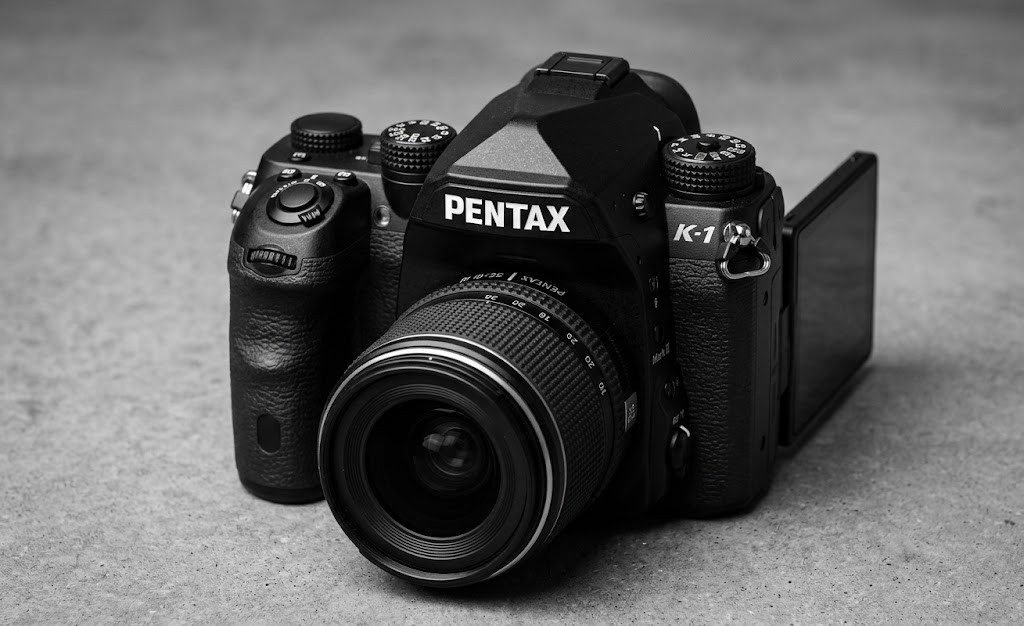
The Pentax K-1 Mark II takes the top spot for the reason that ages slowest of all: the files. Autofocus ages. Video ages. Processing tricks age out within a couple of product cycles. A well-built full-frame sensor, solid glass, and reliable stabilization do not age nearly as fast, and that argument still holds in 2026.
The camera shoots 36.4MP on a full-frame sensor with no anti-aliasing filter, so detail arrives uncompromised straight out of the box. Five-axis Shake Reduction stabilizes the body itself. Pixel Shift Resolution II gathers extra detail and color across multiple exposures when the scene holds still. The whole package sits inside a rugged, weather-resistant shell with a cross-tilt rear screen and built-in GPS.
None of that will impress anyone chasing subject-tracking autofocus. The K-1 II’s autofocus system belongs to an earlier generation, and its top burst speed of roughly 4.4fps will not keep up with fast action.
The genres where this camera wins
A landscape does not care whether a camera can recognize a bird. Architecture benefits far more from resolution and Pixel Shift than from tracking. Studio work gives a photographer control over the subject, which makes advanced autofocus almost irrelevant. Portraits lean on the files and on Pentax’s own distinctive lenses more than on focus speed. Astrophotography is where Pentax has quietly stayed ahead for years, thanks to GPS-assisted functionality built specifically for photographers pointing a camera at the sky.
This is a specialist’s tool, not a hybrid built to do everything, and it makes that trade-off honestly.
Why the timing matters right now
Existing K-mount glass makes the value case even stronger. In-body stabilization means older lenses gain support they were never built with, without needing optical stabilization inside the lens itself. Years of accumulated glass become an asset the spec sheet alone will not show.
Ricoh has confirmed the K-1 II discontinued across major Japanese retailers, following the K-3 III and the KF earlier in the year. That leaves Pentax with no DSLR in active production in its home market. New units remain available in the United States for now, priced around $1,796.95. Prices are not guaranteed to spike, and stock is not guaranteed to disappear tomorrow. But anyone who has been meaning to buy this camera new should check what remains before that changes.
Two Cameras That Didn’t Make the List
The Pentax KF still delivers solid APS-C image quality, weather sealing, and in-body stabilization. Next to the three cameras above, it does not carry a story distinctive enough to earn its own spot.
The K-3 III Monochrome is fascinating on its own terms, built entirely around black and white photography. It duplicates most of the color body and has become genuinely hard to find, which makes it a topic for its own dedicated review rather than a rushed mention here.
Which Pentax Camera Should You Buy?
The choice comes down to what a photographer actually wants from a camera.
Buy the Pentax 17 if photography should feel different again.
Buy the K-3 Mark III for one of the best modern DSLR experiences Pentax has ever built.
Buy the K-1 Mark II if full-frame files and the K-mount ecosystem matter more than tracking algorithms.
None of these three cameras were chosen to help Pentax out-spec Sony or Canon. They earned their place because Pentax still knows how to build experiences the rest of the industry has quietly stopped offering: delayed gratification on film, an unapologetic optical DSLR, and full-frame files from a company that still trusts glass and stabilization over gimmicks.
With the K-1 II now discontinued at home and rumors of a new DSLR reportedly in development, Pentax may be handing this identity to a successor. Or this could mark the end of the mirror-based camera as Pentax has always built it. Either way, 2026 is a good year to decide which of these three belongs in your bag.
Watch the full breakdown on the AltBuzz YouTube channel: youtube.com/@AltBuzzMedia
More camera deep dives and membership options: altbuzzmedia.com