
4 Worst Fujifilm Cameras to Avoid in 2026 (And What to Buy Instead)
If you are researching the worst Fujifilm cameras to avoid in 2026, you are probably staring at a shortlist and wondering which body actually deserves your money. Fujifilm makes some of the most desirable cameras on the market, but desirability and value do not always line up. Some models are simply outpriced by their own siblings. Others hold their value so well that the used market stops making sense. A few are built around a niche experience that only works for a specific kind of buyer.
Below are four Fujifilm cameras that photographers should think twice about buying right now, why each one earns a spot on this list, and what to buy instead if you want better value for the same budget.
Why Some Fujifilm Cameras Are Not Worth Buying in 2026
None of the cameras on this list are bad at taking photos. Fujifilm has not released a genuinely poor camera in years. The issue is positioning. A camera can have a fantastic sensor, excellent color science, and a beloved design, and still be the wrong purchase if a cheaper or newer body in the same lineup does more for less money.
That is the theme running through this entire list. Every camera here earns criticism not because of what it cannot do, but because of where it sits next to the rest of Fujifilm’s lineup and the current used market. Keep that distinction in mind as you read through each entry.
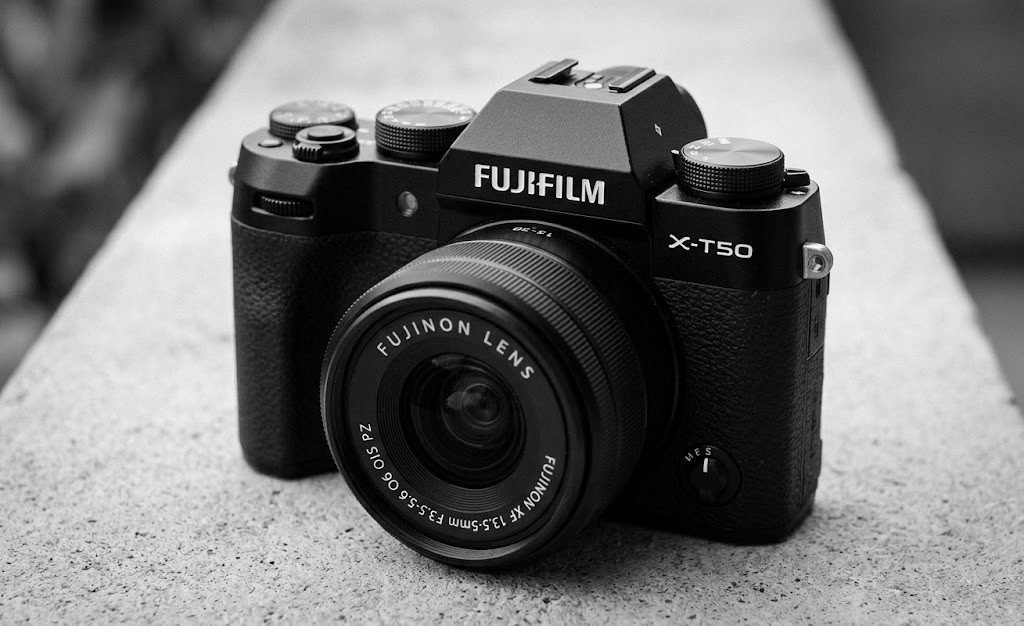
4. Fujifilm X-T50: A Great Camera Priced Against Itself
The Fujifilm X-T50 is the easiest camera on this list to defend, and that is exactly why it opens the countdown rather than closing it. There is very little technically wrong with it. It carries Fujifilm’s 40.2MP X-Trans CMOS 5 HR sensor, in-body image stabilization, strong autofocus, and Fujifilm’s signature film simulations, all packed into a body small enough to carry in a jacket pocket. On its own, it is one of the most complete compact cameras Fujifilm has ever built.
Where the X-T50 Runs Into Trouble
The problem shows up when you compare it with the rest of Fujifilm’s catalog rather than looking at it in isolation. The X-T50 sits around $1,600 body only, and a used Fujifilm X-T5 regularly lands in that same price range. Both cameras share the same sensor generation and deliver comparable image quality, but the X-T5 adds a larger viewfinder, dual card slots, proper weather sealing, longer battery life, and a body built for demanding shooting conditions rather than casual carry.
To be fair, the X-T50 is not simply a smaller X-T5 with a different badge on the front. It records 6.2K video, ships with Fujifilm’s newest film simulation recipes, and runs on a more modern processor. If video matters to your workflow, that gap is meaningful. It just is not large enough to outweigh the price overlap sitting right next to it.
What to Buy Instead of the X-T50
- If you want the same sensor and better durability for similar money, look at a used X-T5.
- If small size is the actual reason you want the X-T50, it still makes sense, and there is nothing wrong with prioritizing that.
- If you like the compact form factor but do not need everything the X-T50 offers, the cheaper Fujifilm X-T30 III covers similar ground for less money.
3. Fujifilm X-Pro3: The Cult Camera With a Stubborn Price Tag
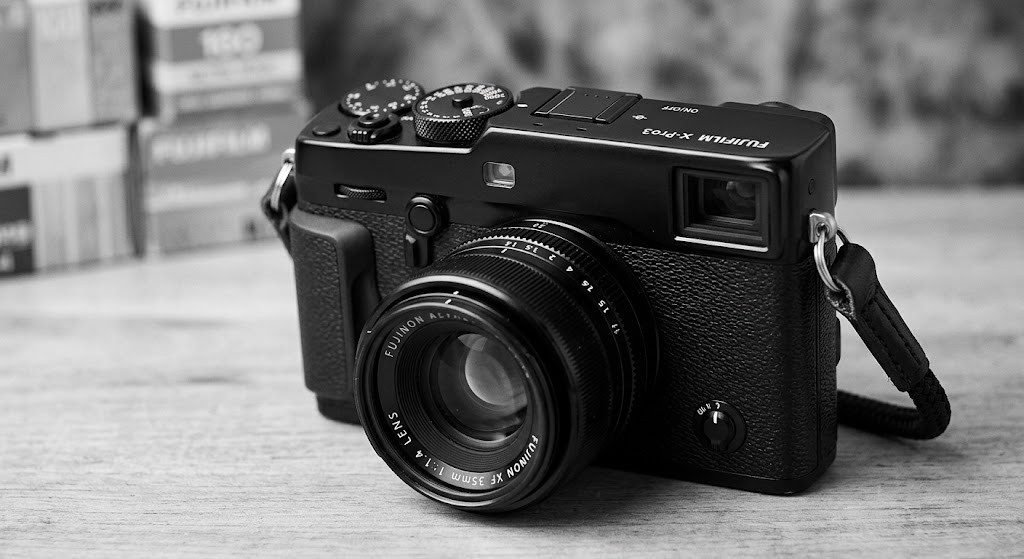
The Fujifilm X-Pro3 is probably the easiest camera on this list to fall in love with, which makes it harder to criticize than the others. It has a titanium body, a hybrid viewfinder that switches between optical and electronic modes, and rangefinder styling that changes how you shoot compared with any other Fujifilm camera. Then there is the screen, or rather the near absence of one. Fujifilm deliberately hid the rear LCD, pushing photographers to trust the shot instead of checking it after every frame. Some people find that approach freeing. Others find it frustrating. That divide is the entire point of the camera.
The X-Pro3 was never designed to win a spec sheet comparison. It was built for photographers who wanted a digital camera that felt like shooting film, and that philosophy built a genuinely loyal following. That same loyalty is what keeps the used market so stubbornly expensive.
Why the X-Pro3 Price Does Not Add Up Anymore
Used X-Pro3 units have stayed unusually high, often around $1,000 or more depending on condition, with Duratect editions going well past that mark. At that price, the X-Pro3 is no longer competing only with other cameras built around a similar 26.1MP sensor. It starts bumping into used X-T5 pricing, and even brushes against newer bodies like the Fujifilm X-E5. That is an unusual position for an older camera to hold, and it comes down almost entirely to demand rather than capability.
What to Buy Instead of the X-Pro3
- If the hybrid finder and hidden screen experience is the reason you want this camera, nothing else replicates it, and that is a legitimate reason to buy one anyway.
- If raw capability matters more than the experience, a used X-T5 offers stronger specs for similar or less money.
- If you want a more modern rangefinder-style camera, the X-E5 is worth considering, though it will not recreate the exact feel of the X-Pro3.
2. Fujifilm X half: Fun Concept, Limited Specs
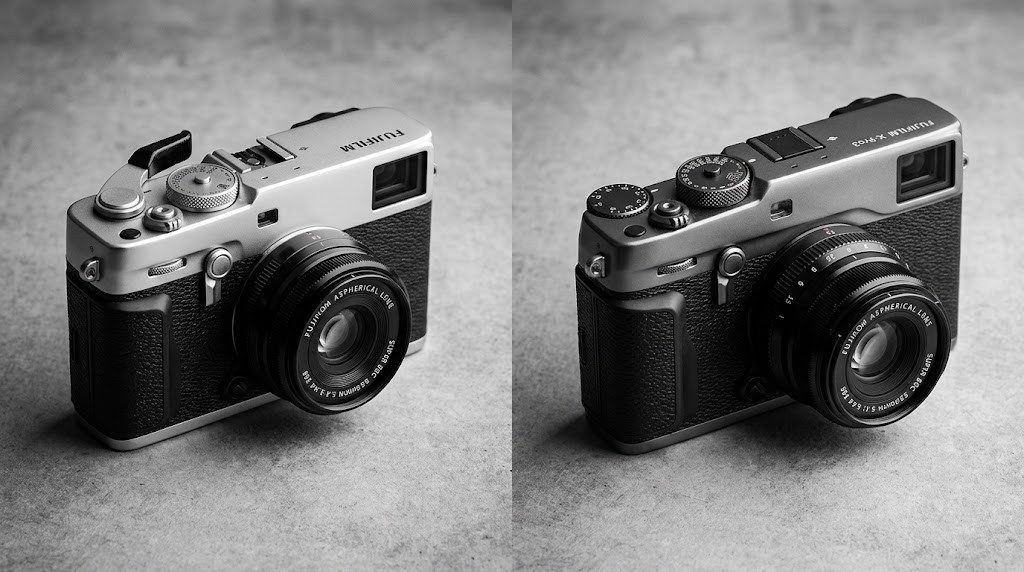
The Fujifilm X half barely fits into a normal camera comparison, and that is intentional. It pairs an 18MP sensor with a fixed 32mm equivalent F2.8 lens, an optical tunnel finder, and a physical film advance lever. It also shoots JPEG only, with no RAW support at all. Fujifilm built this camera around fun, vertical framing, and film-inspired limitations rather than enthusiast checklists.
That approach has real charm. The X half is small, social, and leans hard into Fujifilm’s film simulations. It even includes a Film Camera mode that locks you into a set roll length before you can review your shots, encouraging a slower, more deliberate style of shooting. It does not ask you to think like a technical photographer, and for some buyers, that is exactly the appeal.
Where the X half Falls Short
The lack of RAW support, a smaller sensor, no in-body stabilization, and fairly basic autofocus place a low ceiling on image quality compared with any Fujifilm interchangeable lens camera. Some reviewers have also noted inconsistent responsiveness, which matters if you expect a dependable second camera rather than an occasional novelty. Pricing has dropped since launch, which helps its case considerably, and buying one at a lower price point makes the decision much easier to justify.
What to Buy Instead of the X half
The Fujifilm X-M5 costs more but delivers a genuine X-Trans sensor, interchangeable lenses, full RAW support, modern autofocus, the X-Processor 5, and video that holds up to real use. These two cameras are not the same product at different price points. Buy the X half if the concept itself is what draws you in. Buy the X-M5 if you want a camera you can grow into as your skills develop.
1. Fujifilm X100V: The Hype Tax Camera
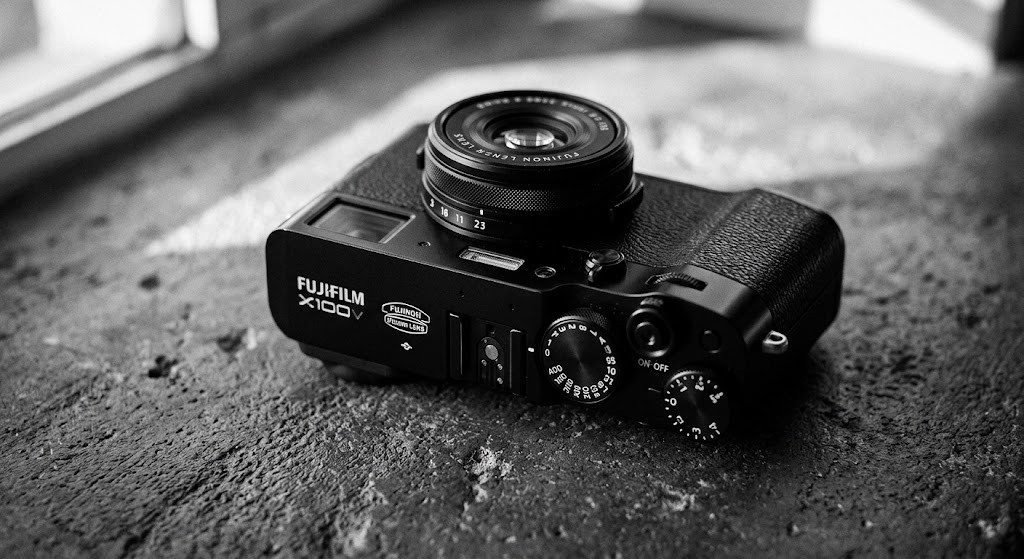
The Fujifilm X100V is not a bad camera. It might be the best camera on this entire list in terms of raw capability and shooting experience. It earns the top spot here for a different reason: what buyers are currently paying for it no longer reflects what the camera actually delivers.
The X100V built its reputation honestly. It pairs a 26.1MP X-Trans CMOS 4 sensor with a fixed 23mm F2 lens, giving a 35mm equivalent field of view, along with a hybrid viewfinder, classic control dials, and some of the best street and travel handling Fujifilm has ever produced. It did not just take strong photos. It made the act of shooting feel satisfying, which is a large part of why it became so popular in the first place.
The Real Problem With the X100V in 2026
Used X100V units have been selling anywhere from $1,500 to $2,000 depending on condition, while a new Fujifilm X100VI has been available around $1,800 when stock allows. That means the newer model, with a 40.2MP sensor, in-body stabilization, the X-Processor 5, sharper autofocus, and more cropping flexibility, can cost the same as or less than the camera it replaced. Paying X100VI pricing for an X100V makes little financial sense for most buyers.
The demand is understandable. The X100V carries genuine social media popularity, a design people fall for at first glance, and years of limited stock that turned ownership into something of a badge of patience. None of that desirability is manufactured. But wanting a camera and it being the smart purchase are two separate questions, and prices driven by hype do not automatically reflect actual value.
When the X100V Is Still Worth Buying
This is not a blanket warning against the X100V. Find a genuinely clean unit at a real discount below X100VI pricing, and it remains a fantastic camera, especially if in-body stabilization and extra resolution are not priorities for you. Around $1,400, the X100V is easy to justify. Closer to $2,000, it makes more sense to wait or buy the newer body instead.
Final Thoughts on the Worst Fujifilm Cameras to Avoid in 2026
None of these four cameras take bad photographs, and every one of them can produce results you would be proud of in the right hands. What changes the equation is the math surrounding each one. The X-T50 sits in a lineup that quietly outprices itself. The X-Pro3 is an older cult favorite that never got cheaper. The X half is a fun experiment charging close to full price for limited specs. The X100V is a legend so beloved that its price never fully returned to earth.
Fujifilm has not done anything wrong by building these cameras. Buyers have simply kept paying for reputation instead of asking what their money buys today. Before purchasing any of these four, compare the price against a sibling model in Fujifilm’s current lineup, and make sure you are paying for capability rather than hype.
Read More from Altbuzz
Looking for more honest breakdowns on which cameras are actually worth buying? Explore more Fujifilm buying guides and camera comparisons at altbuzzmedia.com.
Subscribe to Altbuzz YouTube Channel
For more straightforward video breakdowns on whether a popular camera is truly worth its price, subscribe to the Altbuzz YouTube channel and never miss a new upload.