
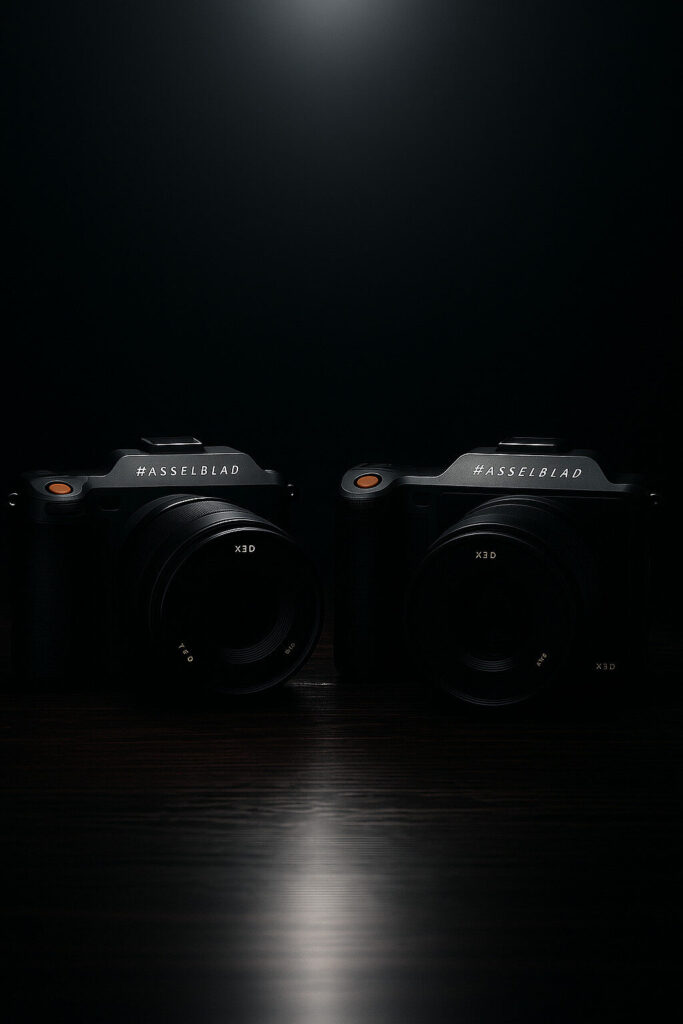
Hasselblad is one of the most respected names in photography. The company has built a strong legacy with its medium-format cameras. The Hasselblad X2D was released as a high-end camera that offered amazing image quality. Many professionals loved it because of its colors, detail, and sharpness. However, the X2D was not perfect, and some users wanted more.
The Hasselblad X2D II was later introduced as an updated version. It builds on the strengths of the X2D but also solves some of its weaknesses. Therefore, many photographers and creators are now asking one question: Should I buy the older Hasselblad X2D, or is the new X2D II the better choice?
In this blog, we will compare both cameras in detail. We will look at their specifications, features, image quality, video quality, and prices. In addition, we will explain who each camera is best suited for. Finally, we will give you a table for quick comparison, followed by a clear conclusion.
How Do Photos Look on Each Camera?
Image quality is where Hasselblad cameras shine, and both models deliver stunning results with their medium-format sensors.
Hasselblad X2D

The Hasselblad X2D produces excellent photos with its 100MP medium format sensor. Images are sharp, and colors look natural and rich. The camera also offers very good dynamic range, so shadows and highlights hold detail even in difficult lighting. Low-light performance is strong, but some noise appears at higher ISO levels. Still, the photos have the classic Hasselblad look, with smooth tones and a natural depth that many photographers value.
Hasselblad X2D II

The newer X2D II builds on these strengths and makes noticeable improvements. While it uses the same 100MP medium format sensor, it adds better processing and refined color calibration. As a result, the photos look even more natural and balanced. The dynamic range is slightly improved, making it easier to shoot in bright or dark scenes. Low-light performance is also stronger, with less noise at high ISO. In addition, textures like fabric and skin appear more refined, and the overall image quality feels more polished. Therefore, the X2D II gives photographers more flexibility and confidence in every situation.
Specs and Features
When comparing cameras, the specs are often the first thing people check. Both the X2D and the X2D II have strong technical specifications. Yet, the X2D II brings new upgrades in speed, handling, and design. Let us break down each part of the specs and features.
Sensor and Resolution
Both the Hasselblad X2D and the X2D II use a 100-megapixel medium format CMOS sensor. This is one of the largest and most detailed sensors in the market. It allows photographers to capture fine textures, smooth gradients, and a wide dynamic range. For still photography, the quality is world-class. However, the new X2D II combines this sensor with a faster processor. As a result, files are processed more quickly and colors appear richer.
Image Processor
The processor is the brain of the camera. In the X2D, the processor was good but not as fast as many modern cameras. The X2D II introduces a newer, more powerful processor. Therefore, it handles large 100MP files with greater efficiency. Image previews load faster, continuous shooting feels smoother, and overall operation is more responsive. This may not sound dramatic, but in real use, it makes the camera easier to work with.
Autofocus System
Autofocus is another area of difference. The X2D uses phase detection autofocus, which is accurate but can feel slow in some cases. The X2D II improves this system with more focus points and better algorithms. This makes it quicker to lock onto subjects, even in low light. In addition, the X2D II is better at tracking moving subjects. As a result, it is more reliable for events, street photography, and even some action shots.
In-Body Image Stabilization (IBIS)
Both cameras use a 5-axis in-body stabilization system. This helps reduce camera shake and allows handheld shooting with sharper results. The X2D II takes it a step further with an upgraded version. Photographers can now expect even steadier images, especially in low light or with longer lenses. Therefore, the X2D II is more forgiving if you do not always use a tripod.
Display and Usability
The display is another important feature. The X2D has a fixed touchscreen, which is bright and clear but not very flexible. The X2D II introduces a tilting screen with higher resolution. This change makes it easier to shoot from high or low angles. Also, the new screen is sharper and more responsive. This may sound like a small upgrade, but in everyday use, it helps a lot.
Video Capability
The X2D offers basic 4K video. However, it was clear that Hasselblad designed it mainly for stills. The X2D II improves the video functions with better frame rate support and refined color science. While it is not a cinema camera, it allows creators to capture short, high-quality videos with Hasselblad’s famous colors. This makes the X2D II a more versatile tool.
Build and Design
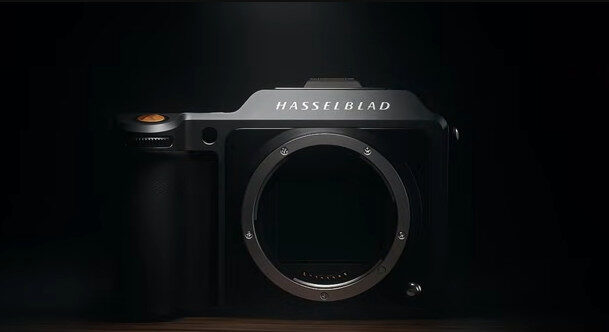
Both cameras look elegant, but their design details tell an even bigger story.
Overall Style
The Hasselblad X2D and X2D II both share a clean, minimalist look. The design is elegant, with smooth lines and a modern shape. Unlike other cameras that often include many buttons and switches, these models keep things simple. This makes them look professional and uncluttered. The style is not only about appearance, but also about function. Every part of the camera is designed with a purpose, which reflects Hasselblad’s focus on a premium user experience.
Materials and Finish
The bodies of both cameras are built with high-quality materials. The X2D already felt very solid and premium, with a smooth finish that gave confidence in use. The X2D II keeps the same strength but improves the finish slightly. It feels even smoother in the hand, and the design balance makes it easier to carry. Therefore, photographers will notice the difference during long hours of shooting.
Grip and Handling
The grip is one of the biggest differences between the two models. On the X2D, the grip was good but felt a little flat for some users. People with larger hands sometimes wished for a deeper curve. The X2D II improves this with a redesigned grip. The new grip feels more natural and comfortable to hold. As a result, the camera is easier to handle for long periods without causing strain. Small design changes like this improve the overall shooting experience.
Display Screen
The rear screen is another major difference. The Hasselblad X2D comes with a fixed touchscreen. It is bright, sharp, and very responsive, but it does not move. This made certain angles harder to shoot. On the other hand, the X2D II introduces a tilting screen. This feature allows photographers to compose images from high, low, or unusual angles with much greater ease. The screen itself is also brighter and sharper, which adds to the experience.
Button Layout and Controls
Both cameras keep a simple button and dial layout. The philosophy is to avoid clutter and focus only on the controls that matter most. The X2D II, however, makes slight improvements in button placement. Controls feel smoother and more natural to reach. In addition, the updated menu system is easier to navigate. These small refinements help photographers spend less time searching through options and more time focusing on their images.
Weather Sealing and Durability
Durability is also an important factor. The Hasselblad X2D already had a strong body, but the X2D II offers improved weather sealing. This means it is better protected against dust, light rain, and changing outdoor conditions. As a result, the newer camera is more reliable for travel, landscapes, and outdoor photography. Professionals who often shoot outside will find this improvement very valuable.
Overall, both cameras are luxurious and stylish. The X2D set the standard for beauty and strength, while the X2D II builds on that with smarter changes. A better grip, a tilting screen, and stronger weather protection make it more practical while keeping the same Hasselblad elegance.
Video Quality
The Hasselblad X2D was designed mainly for still photography, so its video features were basic. It could shoot at high resolution but lacked advanced options. The X2D II makes clear progress in this area. It offers better codecs, more frame rate choices, and improved stabilization. Therefore, it becomes more appealing for hybrid shooters who want both photo and video in one body.
Color science also plays a big role in video. Both cameras create natural and cinematic colors. However, the X2D II introduces better processing for smoother tones and less banding. As a result, the video looks more polished even without heavy editing. In fact, filmmakers who value color accuracy will find the X2D II more reliable for professional projects.
Low-light video has also improved. The original X2D could produce noise when recording in dark spaces, but the X2D II reduces this issue. With cleaner shadows and more stable highlights, the footage is stronger in different environments. In addition, the rolling shutter is better controlled, so fast movements or quick pans show less distortion.
While neither camera is built to replace a cinema camera, the X2D II makes medium-format video more usable. It bridges the gap between photography and filmmaking. Therefore, users who once ignored Hasselblad for video might now see it as a serious option.
The Cost Difference Between the Two Models
The Hasselblad X2D 100C was released for $8,199 for the body only. This price made it one of the most expensive medium-format cameras on the market. The cost reflected its premium build, high-resolution sensor, and the long history of Hasselblad as a luxury camera brand. Many photographers considered it a serious investment, and because of its unique image quality, it was often seen as worth the high cost.
The Hasselblad X2D II 100C, however, arrived at a surprising price of $7,399 for the body. This means that the new version is actually cheaper than the original model by about $800. This is unusual because most newer models are priced higher. Therefore, the X2D II becomes an even more attractive choice. Buyers get all the design improvements, updated features, and better performance at a lower entry price.
Of course, the final amount may be higher depending on where you live. Local taxes, import duties, and retailer prices can raise the total cost. Still, the fact that the new camera costs less at launch makes it appealing to both professionals and serious hobbyists. It shows that Hasselblad is trying to make medium format more accessible while keeping the same luxury feel.
Hasselblad X2D vs X2D II Comparison Table
| Feature | Hasselblad X2D 100C | Hasselblad X2D II 100C |
|---|---|---|
| Sensor | 100MP Medium Format | 100MP Medium Format |
| Image Quality | Excellent colors, sharp details | Improved colors, better tone balance, and less noise |
| Screen | Fixed touchscreen | Tilting touchscreen, brighter |
| Grip | Flat for some users | Improved, more comfortable |
| Video | Basic video options | Better codecs, smoother tones, and less rolling shutter |
| Weather Sealing | Strong but limited | Improved sealing, better for outdoors |
| Price (Body Only) | $8,199 | $7,399 |
| Best For | Studio photographers, controlled environments | Travel, outdoor, hybrid shooters, and professionals |
Here’s What We Learned
The Hasselblad X2D and X2D II both stand as premium medium-format cameras. The X2D started strong by offering incredible image quality and a luxury build. However, the X2D II takes these strengths and makes them even better. It adds a tilting screen, a better grip, and improved video features. As a result, the newer camera feels more modern and practical while still keeping the Hasselblad style.
In terms of price, the story is also surprising. Normally, a newer model costs more, but in this case, the X2D II is $800 cheaper than the original. Therefore, it gives photographers better value at launch. Still, some users may prefer the first X2D if they already own it and do not need video upgrades. On the other hand, new buyers will find the X2D II the smarter choice.
Ultimately, both cameras deliver the distinctive Hasselblad aesthetic. The colors are natural, the tones are soft, and the images have a depth that many other cameras cannot match. Overall, if you want elegance and flexibility, the X2D II is the clear winner. But if you already own the X2D, you may not feel pressure to upgrade unless you need the newer handling and video tools.
Read More
For more comparisons and reviews, explore our other blogs. We cover Hasselblad, Canon, Nikon, Sony, and Fujifilm. So stay updated and keep learning with us.