
The Top Ten Worst Cameras of 2025 represent some of the most disappointing releases in recent memory. These cameras are officially available but fail to meet modern standards. Poor value, outdated technology, and performance issues define this list.
Some cameras lack essential features. Others charge premium prices without justification. A few simply arrived too late to remain competitive.
This countdown reveals which cameras to avoid in 2025. We examine each model’s shortcomings objectively. The analysis covers image quality, autofocus, video capabilities, and real-world usability.
Surprisingly, the Canon EOS R1 claims the number one spot. This flagship model represents the biggest disappointment of the year. More details follow in the countdown below.
Budget-conscious buyers should take note. Professionals seeking reliable tools will also find this guide valuable. Let’s begin with number ten.👉 Watch Our Video Review
#10 Canon M200
Overview
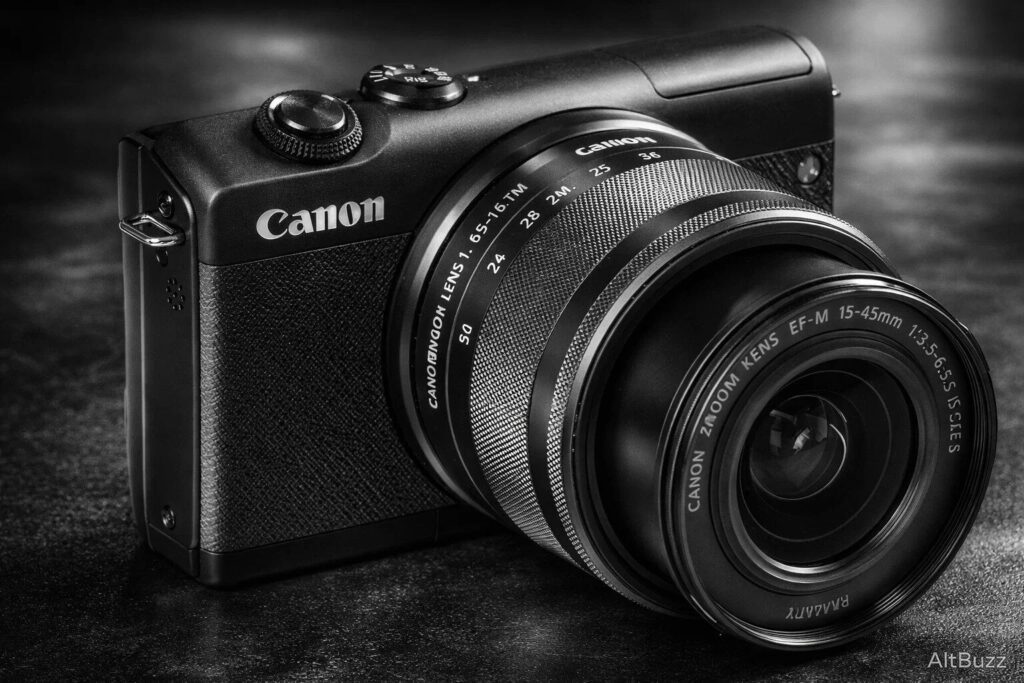
The Canon M200 makes the Top Ten Worst Cameras list primarily due to timing. This entry-level mirrorless camera belongs to a discontinued system. Canon abandoned the EF-M mount entirely. Consequently, buying into this ecosystem makes little sense in 2025.
The M200 still appears in stores. However, it represents a dead-end investment. Limited lens options and zero future support plague this model.
Market Position and Release Context
Canon originally released the M200 in 2019. The camera targeted beginners seeking affordable mirrorless options. Initially, it offered reasonable value for casual photography.
Fast forward to 2025, and the situation has changed dramatically. Canon officially ended EF-M development. The company now focuses exclusively on RF mount cameras. Therefore, the M200 exists as a relic from a discontinued era.
Retailers still stock this camera at reduced prices. Nevertheless, the lack of long-term viability makes it a poor choice. Buyers essentially purchase obsolete technology.
Canon M200 Specifications Table
| Specification | Details |
|---|---|
| Sensor | 24.1MP APS-C CMOS |
| Processor | DIGIC 8 |
| ISO Range | 100-25600 (expandable) |
| Autofocus Points | 143 Dual Pixel AF |
| Continuous Shooting | 6.1 fps |
| Video | 4K 24p (cropped), 1080p 60p |
| Screen | 3.0″ touchscreen (tilting) |
| Viewfinder | None |
| Battery Life | 315 shots (CIPA) |
| Weight | 299g (body only) |
| Price (2025) | $549 USD |
Image Quality Performance
The M200 produces decent images in good lighting. The 24.1MP sensor delivers adequate resolution for social media and small prints. Colors appear natural straight out of camera.
However, dynamic range falls short of modern standards. Highlights clip easily in high-contrast scenes. Shadow recovery proves limited compared to contemporary competitors.
Low-light performance disappoints equally. Noise becomes visible above ISO 3200. Images lose detail rapidly at higher sensitivities. Modern entry-level cameras outperform the M200 significantly in this area.
Autofocus Performance
Dual Pixel autofocus works reasonably well for static subjects. The system locks onto faces quickly in good light. Touch-to-focus functionality adds convenience for casual shooting.
Unfortunately, tracking moving subjects proves challenging. The autofocus struggles with erratic motion patterns. Sports and wildlife photography exceed the camera’s capabilities.
Additionally, low-light autofocus performance suffers. The system hunts frequently in dim conditions. Missed focus becomes frustratingly common during indoor events.
Video Capabilities
The M200 offers 4K video recording at 24 frames per second. This sounds impressive on paper. Unfortunately, severe cropping ruins the feature. The crop factor makes wide-angle shooting nearly impossible.
Full HD recording at 60fps provides better usability. However, modern smartphones often produce comparable video quality. The M200 offers minimal advantages for video creators.
Furthermore, the camera lacks essential video features. No headphone jack, no microphone input, and no manual exposure control during recording limit creative options. Serious videographers will find the M200 inadequate.
Design and Handling
The M200 features a compact, lightweight body. This makes it highly portable for travel photography. The simplified controls suit absolute beginners well.
However, the lack of a viewfinder proves problematic. Composing shots in bright sunlight becomes difficult. Relying solely on the rear screen feels limiting for serious photography.
The grip is minimal and somewhat uncomfortable. Extended shooting sessions cause hand fatigue. Larger hands will find the ergonomics particularly cramped.
Battery Life and Connectivity
Battery performance is mediocre at best. The camera manages only 315 shots per charge according to CIPA standards. Real-world usage often falls shorter. Carrying multiple batteries becomes necessary for day trips.
Connectivity options include Wi-Fi and Bluetooth. Transferring images to smartphones works smoothly through Canon’s app. This represents one of the few modern conveniences the M200 offers.
Real-World Limitations
The biggest limitation remains the discontinued lens ecosystem. Only a handful of native EF-M lenses exist. Third-party options are equally scarce. Serious photographers quickly outgrow the limited selection.
Adapting EF lenses adds bulk and defeats the compact design purpose. The resulting combination becomes awkward and unbalanced. This workaround feels like a compromise rather than a solution.
Pros and Cons
Pros:
- Compact and lightweight design
- Affordable entry price
- Decent image quality in good light
- Touch-screen interface is intuitive
- Wi-Fi and Bluetooth connectivity
Cons:
- Discontinued lens mount with no future
- No viewfinder
- Poor low-light performance
- Severely cropped 4K video
- Limited battery life
- Weak autofocus tracking
Verdict
The Canon M200 earns its place among the Top Ten Worst Cameras due to obsolescence. While the camera itself functions adequately, investing in a dead system makes no financial sense. Canon’s abandonment of the EF-M mount sealed this camera’s fate.
Beginners should look elsewhere. Numerous affordable alternatives offer better long-term value. The M200 represents a technological dead-end in 2025.
#9 Pentax K-3 Mark III

Overview
The Pentax K-3 Mark III claims spot number nine on the Top Ten Worst Cameras list. This DSLR arrives in a market that has largely moved beyond the format. Furthermore, Pentax’s shrinking lens ecosystem and limited third-party support create major obstacles.
The camera itself offers solid build quality. However, outdated technology and poor value proposition overshadow its strengths. Pentax enthusiasts may find appeal, but mainstream buyers should look elsewhere.
Market Position and Release Context
Pentax released the K-3 Mark III in 2021. The camera aimed to attract enthusiast photographers. It arrived years after most manufacturers shifted focus to mirrorless systems.
By 2025, DSLRs represent legacy technology. Mirrorless cameras dominate the market with superior autofocus and video capabilities. The K-3 Mark III feels like a product from another era.
Pentax’s parent company Ricoh shows minimal investment in the camera division. New lens releases are rare. This creates uncertainty about the system’s future viability.
Pentax K-3 Mark III Specifications Table
| Specification | Details |
|---|---|
| Sensor | 25.7MP APS-C CMOS |
| Processor | PRIME V |
| ISO Range | 100-1600000 |
| Autofocus Points | 101 (25 cross-type) |
| Continuous Shooting | 12 fps |
| Video | 4K 30p, 1080p 60p |
| Screen | 3.2″ touchscreen (tilting) |
| Viewfinder | Optical pentaprism |
| Battery Life | 800 shots (CIPA) |
| Weight | 735g (body only) |
| Price (2025) | $1,999 USD |
Image Quality Performance
The K-3 Mark III delivers excellent image quality in optimal conditions. The 25.7MP sensor produces sharp, detailed images. Colors render accurately with Pentax’s traditional processing style.
Dynamic range performs competently for an APS-C sensor. Highlight and shadow recovery capabilities satisfy most scenarios. The camera handles high-contrast scenes reasonably well.
However, the sensor technology lags behind current competitors. Sony and Canon sensors in the same price range offer superior performance. The gap becomes noticeable in demanding shooting conditions.
Autofocus Performance
The phase-detection autofocus system feels outdated in 2025. Only 101 autofocus points seem limited compared to modern mirrorless systems. Coverage across the frame is inadequate for many compositions.
Tracking moving subjects proves challenging. The autofocus struggles with fast, erratic motion. Sports and wildlife photographers will find the system frustrating. Modern mirrorless cameras dramatically outperform the K-3 Mark III in this critical area.
Low-light autofocus performance is mediocre. The system becomes unreliable in dim environments. Manual focusing often becomes necessary when light levels drop.
Video Capabilities
Video specifications look acceptable on paper. The camera records 4K at 30 frames per second. However, the implementation falls short of expectations.
Autofocus during video recording is slow and unreliable. The system hunts frequently, ruining footage. Manual focus becomes necessary for professional results.
Additionally, the camera lacks modern video features. No 4K 60fps, limited codec options, and poor rolling shutter performance disappoint video creators. Dedicated video cameras or modern mirrorless models offer vastly superior capabilities.
Design and Handling
Build quality represents one of the K-3 Mark III’s strengths. The weather-sealed magnesium alloy body feels robust and durable. Photographers working in harsh conditions will appreciate the construction.
Ergonomics follow traditional DSLR conventions. The deep grip provides comfortable handling for extended sessions. Physical controls are well-placed and intuitive for DSLR users.
However, the optical viewfinder lacks the advantages of modern electronic viewfinders. Real-time exposure preview, focus magnification, and overlays are absent. This feels limiting compared to contemporary alternatives.
Battery Life and Connectivity
Battery life is excellent at 800 shots per charge. This represents a clear advantage over most mirrorless cameras. Photographers can shoot all day without worrying about power.
Connectivity options include Wi-Fi but lack modern conveniences. No USB charging and slow transfer speeds frustrate users. The implementation feels dated compared to current standards.
Real-World Limitations
The biggest limitation is the shrinking K-mount ecosystem. Pentax releases new lenses infrequently. Third-party manufacturers have largely abandoned the system. Options for specialty lenses are severely limited.
Furthermore, the lack of professional support creates concerns. Repair services and accessories become harder to find. This raises questions about long-term reliability and support.
The camera also lacks modern computational photography features. In-body HDR, advanced scene detection, and AI-powered enhancements are absent. Competitors offer these features as standard.
Pros and Cons
Pros:
- Excellent build quality and weather sealing
- Good image quality in optimal conditions
- Outstanding battery life
- Comfortable ergonomics
- In-body image stabilization
- Affordable used lens options
Cons:
- Outdated DSLR technology
- Weak autofocus system
- Poor video performance
- Limited lens ecosystem
- Uncertain future support
- Overpriced for what it offers
Verdict
The Pentax K-3 Mark III earns its spot on the Top Ten Worst Cameras list primarily due to poor timing and value. While the camera functions adequately, investing $2,000 in a declining system makes little sense. Modern mirrorless alternatives offer superior performance at similar or lower prices.
Existing Pentax users may find value in upgrading within the system. However, new buyers should avoid this camera. The K-3 Mark III represents a questionable investment in 2025.
#8 Leica D-Lux 8
Overview
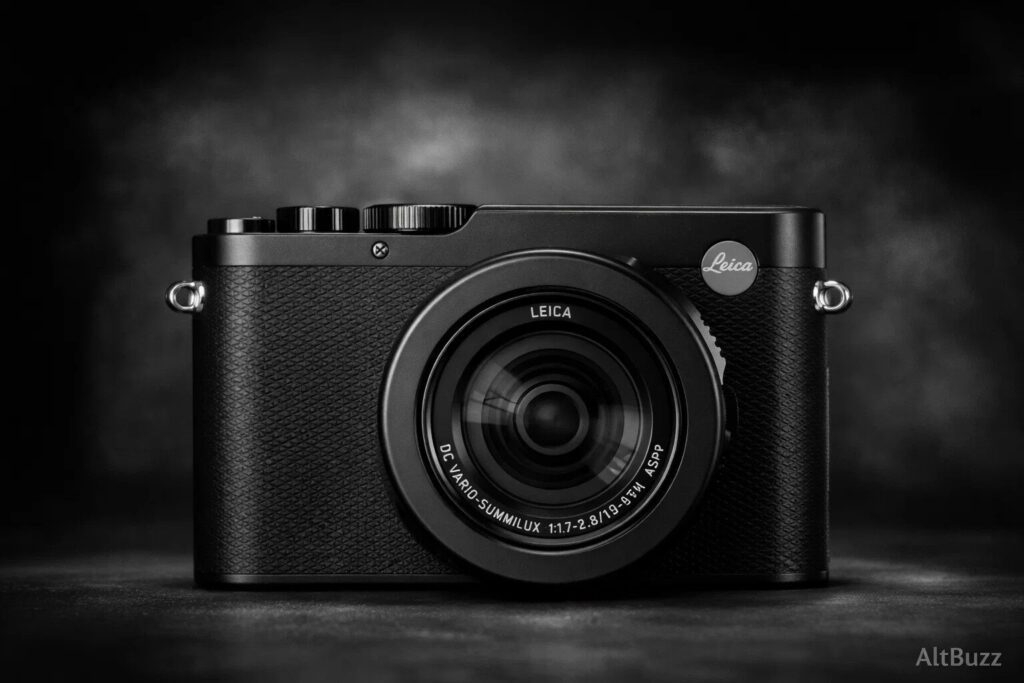
The Leica D-Lux 8 secures eighth place among the Top Ten Worst Cameras of 2025. This premium compact camera carries a luxury price tag without delivering proportional performance. Essentially, it’s a rebranded Panasonic camera with a Leica badge and significant markup.
The D-Lux 8 targets enthusiasts attracted to the Leica brand. However, smart buyers can purchase the nearly identical Panasonic LX100 II for much less. The premium feels unjustified given the minimal differences.
Market Position and Release Context
Leica introduced the D-Lux 8 in late 2023. The camera continues the company’s tradition of rebadging Panasonic compacts. This partnership allows Leica to offer a compact option without developing proprietary technology.
The premium compact camera market has shrunk dramatically. Smartphones have eliminated the need for basic compact cameras. Only premium models with exceptional performance justify their existence in 2025.
Unfortunately, the D-Lux 8 fails to offer compelling advantages over smartphones. The price-to-performance ratio makes it one of the worst values in the camera market.
Leica D-Lux 8 Specifications Table
| Specification | Details |
|---|---|
| Sensor | 17MP Four Thirds |
| Lens | 24-75mm f/1.7-2.8 equivalent |
| ISO Range | 200-25600 |
| Autofocus | Contrast-detect AF |
| Continuous Shooting | 11 fps |
| Video | 4K 30p |
| Screen | 3.0″ touchscreen (fixed) |
| Viewfinder | 2.76M-dot EVF |
| Battery Life | 340 shots (CIPA) |
| Weight | 392g |
| Price (2025) | $1,350 USD |
Image Quality Performance
The 17-megapixel Four Thirds sensor delivers acceptable image quality in good lighting. The fixed zoom lens is sharp across its range. Colors are pleasant, though not distinctly “Leica” in character.
However, the small sensor size limits performance significantly. Dynamic range is restricted compared to larger sensors. High-contrast scenes frequently show blown highlights or crushed shadows.
Low-light image quality disappoints given the premium price. Noise becomes problematic above ISO 1600. Modern smartphones often match or exceed the D-Lux 8’s low-light capabilities.
Autofocus Performance
The contrast-detect autofocus system feels slow and outdated. The camera struggles in low light and with low-contrast subjects. Hunting is common and frustrating during critical moments.
Tracking moving subjects proves nearly impossible. The autofocus cannot keep pace with even moderately fast action. Sports and wildlife photography lie completely outside this camera’s capabilities.
Face and eye detection work reasonably well for stationary portraits. However, the performance lags far behind modern phase-detect systems. Competitors at half the price offer superior autofocus.
Video Capabilities
The D-Lux 8 records 4K video at 30 frames per second. Quality is decent for casual use. However, serious videographers will find the limitations frustrating.
The autofocus during video recording is slow and unreliable. Constant hunting ruins otherwise stable shots. Manual focus becomes necessary for professional results.
Additionally, the camera lacks modern video features. No 4K 60fps, limited codec options, and basic color profiles restrict creative possibilities. Smartphones increasingly outperform this camera for video recording.
Design and Handling
The D-Lux 8 features attractive retro styling with premium materials. The metal body feels solid and well-constructed. Leica’s design language adds aesthetic appeal.
However, the ergonomics feel cramped for larger hands. The small grip provides minimal purchase. Extended shooting sessions become uncomfortable.
The built-in electronic viewfinder is a welcome feature. However, the fixed rear screen limits shooting angles. A tilting screen would significantly improve usability.
Battery Life and Connectivity
Battery performance is mediocre at 340 shots per charge. This falls short of expectations for a premium compact camera. Heavy users will need to carry spare batteries.
Connectivity includes Wi-Fi and Bluetooth for image transfer. The Leica FOTOS app works adequately but offers nothing special. Smartphone integration feels standard rather than premium.
Real-World Limitations
The biggest limitation is the unjustified price premium. The D-Lux 8 costs significantly more than the mechanically identical Panasonic LX100 II. Buyers pay hundreds of dollars extra solely for the red Leica badge.
Additionally, the camera offers minimal advantages over modern flagship smartphones. Computational photography on phones often produces superior results. The D-Lux 8 struggles to justify its existence in 2025.
The Four Thirds sensor also limits creative control. Achieving shallow depth of field proves difficult. Background blur remains modest even at maximum aperture.
Pros and Cons
Pros:
- Premium build quality and materials
- Attractive retro design
- Fast f/1.7-2.8 lens
- Built-in electronic viewfinder
- Compact and portable
- Good image quality in optimal light
Cons:
- Extremely overpriced for performance
- Small Four Thirds sensor limits quality
- Slow, outdated autofocus
- Fixed rear screen
- Poor low-light performance
- No advantage over flagship smartphones
- Limited creative control
Verdict
The Leica D-Lux 8 represents terrible value among the Top Ten Worst Cameras of 2025. While the camera functions adequately, the price premium is completely unjustified. Smart buyers can purchase the identical Panasonic model for hundreds less.
Furthermore, flagship smartphones now match or exceed the D-Lux 8’s capabilities in most scenarios. This camera fails to justify its existence in the current market. Only devoted Leica collectors should consider this purchase.
#7 Nikon Z30
Overview
The Nikon Z30 lands at number seven on the Top Ten Worst Cameras list. This entry-level mirrorless camera targets content creators and vloggers. However, critical missing features and poor value proposition undermine its appeal.
Nikon positioned the Z30 as a creator-focused camera. Unfortunately, the implementation falls short. Competitors offer superior features at similar or lower prices. The Z30 feels like a compromised product rushed to market.
Market Position and Release Context
Nikon released the Z30 in 2022 as its most affordable Z-mount camera. The camera aimed to attract younger creators switching from smartphones. It emphasized video capabilities and ease of use.
By 2025, the Z30 feels outdated and overpriced. Competitors have released superior models with better specifications. Nikon’s own Z50 II offers significantly better value for slightly more money.
The camera remains available but represents a poor choice for budget-conscious buyers. Better alternatives exist at every price point.
Nikon Z30 Specifications Table
| Specification | Details |
|---|---|
| Sensor | 20.9MP APS-C CMOS |
| Processor | EXPEED 6 |
| ISO Range | 100-51200 |
| Autofocus Points | 209-point hybrid AF |
| Continuous Shooting | 11 fps |
| Video | 4K 30p, 1080p 120p |
| Screen | 3.0″ vari-angle touchscreen |
| Viewfinder | None |
| Battery Life | 330 shots (CIPA) |
| Weight | 350g (body only) |
| Price (2025) | $709 USD |
Image Quality Performance
The Z30 produces decent images from its 20.9MP sensor. Colors are pleasing and accurate for most scenarios. Sharpness is adequate for web use and social media posting.
However, dynamic range is limited compared to competitors. The sensor struggles with high-contrast scenes. Highlight recovery is particularly weak, with clipping occurring easily.
Low-light performance disappoints equally. Noise becomes visible and problematic above ISO 3200. Modern sensors at similar price points offer superior high-ISO capabilities.
Autofocus Performance
The 209-point hybrid autofocus system works reasonably well. Face and eye detection function adequately for portraits and vlogs. The system locks on quickly in good lighting conditions.
However, tracking performance proves inconsistent. The autofocus struggles with fast or erratic subject movement. Animals and active children challenge the system’s capabilities.
Low-light autofocus is mediocre at best. The camera hunts frequently in dim environments. This limitation frustrates creators shooting in varied lighting conditions.
Video Capabilities
Video specifications initially appear impressive. The Z30 records 4K at 30fps and 1080p at 120fps for slow motion. These specs sound adequate for content creation.
Unfortunately, the 4K recording comes with significant limitations. A 1.5x crop severely restricts wide-angle shooting. Vloggers struggle to frame themselves properly without the crop.
Additionally, the camera suffers from severe overheating issues. Extended 4K recording sessions trigger automatic shutdowns. This fatal flaw makes the Z30 unreliable for serious video work.
The lack of in-body image stabilization is another major drawback. Handheld footage appears shaky without additional stabilization equipment. Competitors offer IBIS as standard at this price point.
Design and Handling
The Z30’s design emphasizes compactness and simplicity. The lightweight body suits travel and everyday carry. The simplified control layout welcomes absolute beginners.
However, the absence of a viewfinder is a significant limitation. Composing shots in bright sunlight becomes extremely difficult. The rear screen washes out easily outdoors.
The vari-angle touchscreen is well-implemented for vlogging. Flipping the screen forward for self-recording works smoothly. This represents one of the Z30’s few genuine strengths.
Battery Life and Connectivity
Battery life is disappointing at only 330 shots per charge. Video recording drains the battery even faster. Content creators will need multiple batteries for a full day’s work.
Connectivity includes Wi-Fi and Bluetooth for wireless transfers. The SnapBridge app works adequately but offers nothing exceptional. USB charging is convenient for travel.
The camera includes a microphone input, which is essential for content creators. However, the lack of a headphone jack prevents audio monitoring during recording. This oversight is unforgivable for a creator-focused camera.
Real-World Limitations
The most significant limitation is the severe overheating during 4K recording. This issue makes the camera unreliable for its intended purpose. Creators cannot depend on the Z30 for extended video sessions.
The cropped 4K video further restricts usability. Wide-angle vlogging requires additional equipment or acceptance of the crop. This defeats the camera’s portability advantage.
Furthermore, the lack of in-body stabilization is a major omission. Smooth handheld footage requires gimbal stabilization or lens stabilization. This adds cost and complexity for budget buyers.
Pros and Cons
Pros:
- Compact and lightweight design
- Vari-angle touchscreen for vlogging
- Decent autofocus for static subjects
- Microphone input included
- User-friendly interface
- 1080p 120fps slow motion
Cons:
- No viewfinder
- Severe 4K overheating issues
- Cropped 4K video (1.5x)
- No in-body image stabilization
- No headphone jack
- Poor battery life
- Limited dynamic range
Verdict
The Nikon Z30 earns its place among the Top Ten Worst Cameras due to critical flaws. The severe overheating issue alone disqualifies it as a reliable content creation tool. Combined with the cropped 4K and missing viewfinder, the Z30 offers poor value.
Budget creators should look at alternatives like the Sony ZV-E10 or Canon R50. These competitors address the Z30’s shortcomings while offering better overall value. The Z30 represents a missed opportunity from Nikon.
#6 Sony A7S III
Overview
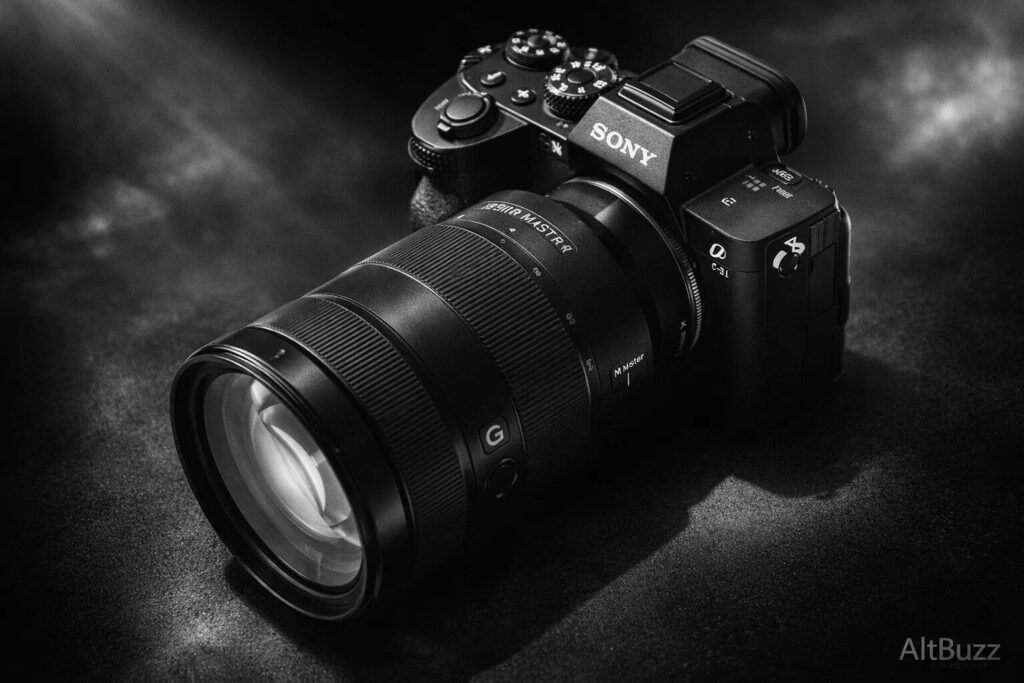
The Sony A7S III claims sixth place on the Top Ten Worst Cameras list, which may surprise many. This full-frame mirrorless camera offers exceptional video capabilities. However, its extremely high price and narrow specialization make it a poor choice for most buyers in 2025.
The A7S III excels exclusively at low-light video recording. Unfortunately, it sacrifices still photography performance and affordability. Few creators need its specific capabilities enough to justify the premium cost.
Market Position and Release Context
Sony released the A7S III in 2020 as a specialized low-light video camera. The camera targeted professional videographers and cinematographers. It commanded a premium price for its unique capabilities.
By 2025, the market has evolved significantly. Competitors now offer similar low-light performance at lower prices. Additionally, the A7S III’s 12-megapixel sensor feels increasingly limiting for hybrid shooters.
The camera remains available but represents questionable value. Most creators would benefit more from versatile hybrid cameras. The A7S III’s specialization has become a liability rather than an asset.
Sony A7S III Specifications Table
| Specification | Details |
|---|---|
| Sensor | 12.1MP full-frame CMOS |
| Processor | BIONZ XR |
| ISO Range | 80-409600 (expanded) |
| Autofocus Points | 759-point phase-detect |
| Continuous Shooting | 10 fps |
| Video | 4K 120p, 1080p 240p |
| Screen | 3.0″ vari-angle touchscreen |
| Viewfinder | 9.44M-dot OLED EVF |
| Battery Life | 600 shots (CIPA) |
| Weight | 614g (body only) |
| Price (2025) | $3,498 USD |
Image Quality Performance
The 12.1-megapixel sensor produces excellent image quality within its resolution limits. Low-light performance is truly exceptional. The camera maintains clean images at extraordinarily high ISO values.
However, the low resolution severely limits still photography applications. Twelve megapixels feels inadequate in 2025 when most cameras offer 24MP or more. Cropping flexibility is minimal, and large prints lack detail.
Dynamic range is excellent, as expected from Sony’s sensors. The camera handles high-contrast scenes beautifully. However, this advantage alone cannot compensate for the resolution limitation.
Autofocus Performance
The 759-point phase-detect autofocus system performs excellently. Coverage spans nearly the entire frame. Subject tracking is fast and reliable, even in extremely low light.
Real-time tracking for eyes, faces, and animals works superbly. The autofocus maintains lock even during rapid movements. This capability represents one of the A7S III’s genuine strengths.
However, for still photography, this advanced autofocus feels wasted on a 12MP sensor. Photographers who need this level of AF performance typically also need higher resolution.
Video Capabilities
Video performance is where the A7S III truly shines. The camera records 4K at up to 120 frames per second with no crop. Full HD recording reaches 240fps for dramatic slow motion.
Low-light video quality is unmatched in its class. The camera produces clean, usable footage in near-darkness. This capability justified the A7S III’s existence at launch.
However, by 2025, competing cameras offer similar low-light performance. The Canon R5 C, Sony FX3, and even the newer A7 IV provide comparable video quality. The A7S III’s advantage has diminished significantly.
Additionally, the camera records 10-bit 4:2:2 internally with various codec options. Professional features like S-Log3 and HLG are included. Heat management is excellent with no recording time limits.
Design and Handling
The A7S III features Sony’s refined ergonomics from the Alpha 7 series. The grip is comfortable for extended sessions. Physical controls are well-placed and customizable.
The vari-angle touchscreen proves invaluable for video work. Flipping configurations suit various shooting scenarios. However, the menu system remains Sony’s traditional complexity.
Build quality is excellent with comprehensive weather sealing. The camera feels robust and professional. However, the body size and weight are substantial for a 12MP camera.
Battery Life and Connectivity
Battery life is outstanding at 600 shots per charge. Video recording also benefits from excellent power efficiency. The Z battery provides reliable all-day performance.
Connectivity options are comprehensive. Dual card slots accept CFexpress Type A and SD cards. USB-C charging and tethering, Wi-Fi, and Bluetooth cover all modern needs.
The camera includes full-size HDMI, microphone input, and headphone jack. These professional connections justify the camera’s video-centric positioning. This is one area where the A7S III delivers as promised.
Real-World Limitations
The primary limitation is the 12-megapixel resolution for still photography. Hybrid shooters find this restriction severely limiting. Most modern workflows expect higher resolution for flexibility.
Additionally, the $3,498 price tag is difficult to justify. Competing cameras offer more versatility at similar or lower costs. The A7S III’s specialization means it sits unused unless specifically needed for low-light video.
Furthermore, newer cameras have closed the low-light performance gap. The A7S III’s primary selling point has become less unique. This erodes the camera’s value proposition significantly.
Pros and Cons
Pros:
- Exceptional low-light performance
- Outstanding video specifications
- Excellent autofocus system
- No recording time limits
- Great battery life
- Professional video features
- Comprehensive connectivity
Cons:
- Extremely limited 12MP resolution
- Vastly overpriced for most users
- Too specialized for hybrid work
- Competitors now match low-light capability
- Poor value for still photographers
- Heavy and bulky for the resolution
- Overkill for most video projects
Verdict
The Sony A7S III makes the Top Ten Worst Cameras list due to poor value and narrow appeal. While the camera excels at low-light video, this specialization severely limits its usefulness. Most creators need higher resolution and better versatility.
At $3,498, the A7S III is simply too expensive for what it offers. Hybrid shooters should choose cameras like the Sony A7 IV or Canon R6 Mark II instead. Only professional videographers with specific low-light requirements should consider the A7S III, and even they have better alternatives now.
#5 Panasonic Lumix GH5 II
Overview
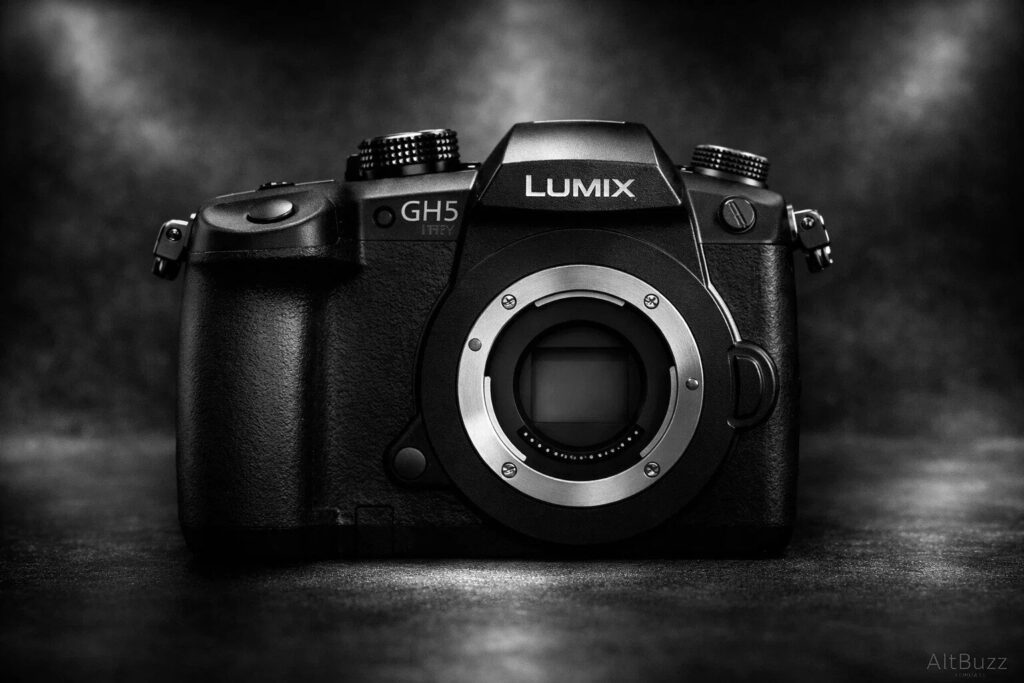
The Panasonic Lumix GH5 II occupies fifth place among the Top Ten Worst Cameras of 2025. This Micro Four Thirds camera represents a minor upgrade over its predecessor. Unfortunately, it arrived late to market with outdated technology and poor value.
Panasonic released the GH5 II as a refresh rather than a genuine advancement. The improvements feel incremental and insufficient. Meanwhile, competitors leapfrogged ahead with superior technology.
Market Position and Release Context
Panasonic introduced the GH5 II in 2021 as an evolution of the popular GH5. The camera targeted video creators who valued the GH5’s proven capabilities. Panasonic added livestreaming and modest improvements.
However, the release timing proved disastrous. The camera launched just months before the revolutionary GH6. This made the GH5 II immediately obsolete within Panasonic’s own lineup.
By 2025, the GH5 II represents terrible value. The original GH5 remains available at lower prices with similar capabilities. Meanwhile, the GH6 offers dramatically better performance for slightly more money. The GH5 II occupies an awkward middle ground with no compelling reason to exist.
Panasonic Lumix GH5 II Specifications Table
| Specification | Details |
|---|---|
| Sensor | 20.3MP Micro Four Thirds |
| Processor | Venus Engine |
| ISO Range | 200-25600 |
| Autofocus Points | 225-area DFD contrast-detect |
| Continuous Shooting | 12 fps (9 fps continuous AF) |
| Video | 4K 60p, 1080p 180p |
| Screen | 3.0″ vari-angle touchscreen |
| Viewfinder | 3.68M-dot OLED EVF |
| Battery Life | 410 shots (CIPA) |
| Weight | 727g (body only) |
| Price (2025) | $1,397 USD |
Image Quality Performance
The 20.3-megapixel Micro Four Thirds sensor delivers acceptable image quality. Colors are accurate and pleasing in typical shooting conditions. Sharpness is adequate for most applications.
However, the smaller sensor shows clear limitations compared to APS-C and full-frame alternatives. Dynamic range is restricted, particularly in high-contrast situations. Highlight recovery is limited compared to larger sensors.
Low-light performance disappoints significantly. The small sensor struggles above ISO 1600, with noise becoming problematic. Modern APS-C cameras dramatically outperform the GH5 II in low light.
Autofocus Performance
The contrast-detect autofocus system is the GH5 II’s Achilles heel. Depth-from-Defocus technology sounds advanced but performs poorly in practice. The system lacks the speed and reliability of phase-detect systems.
Face and eye detection work moderately well for static subjects. However, tracking moving subjects proves frustrating. The autofocus hunts frequently and loses subjects during critical moments.
Low-light autofocus is particularly weak. The system becomes nearly unusable in dim environments. This limitation severely restricts the camera’s versatility.
Video Capabilities
Video capabilities represent the GH5 II’s primary strength. The camera records 4K at 60 frames per second with 10-bit color. Internal recording options satisfy most professional requirements.
Additionally, unlimited recording time without overheating is a major advantage. The camera handles extended video sessions reliably. This capability appeals to event videographers and streamers.
However, the autofocus during video recording remains problematic. The contrast-detect system hunts visibly, ruining footage. Manual focus becomes necessary for professional results.
Furthermore, competitors now offer superior video specifications. Full-frame cameras provide better low-light performance and shallower depth of field. The GH5 II’s video advantages have diminished significantly by 2025.
Design and Handling
Build quality is excellent with comprehensive weather sealing. The magnesium alloy body feels robust and professional. Photographers working in harsh conditions appreciate the durability.
Ergonomics are well-developed and comfortable. The deep grip suits extended shooting sessions. Physical controls are abundant and well-placed for quick adjustments.
The vari-angle touchscreen is properly implemented for video work. Flipping configurations accommodate various shooting scenarios. The electronic viewfinder is sharp and responsive.
Battery Life and Connectivity
Battery life is mediocre at 410 shots per charge. Video recording drains power quickly, necessitating spare batteries. This falls short of competitor cameras in the same price range.
Connectivity includes Wi-Fi, Bluetooth, and wired livestreaming capabilities. The livestreaming feature represents one of the few genuine additions over the original GH5. However, dedicated streaming equipment often works better.
The camera includes microphone input, headphone jack, and full-size HDMI. Professional connectivity options are comprehensive. This aspect meets expectations for a video-focused camera.
Real-World Limitations
The biggest limitation is the outdated contrast-detect autofocus. Modern cameras universally employ phase-detect systems for superior performance. The GH5 II feels outdated in this critical area.
Additionally, the Micro Four Thirds sensor limits creative control. Achieving shallow depth of field proves difficult even with fast lenses. Full-frame cameras offer dramatically better background separation.
Furthermore, the pricing makes no sense. The GH5 II costs more than the superior GH6 on sale. It also costs more than many better APS-C alternatives. The value proposition is completely broken.
Pros and Cons
Pros:
- Excellent build quality and weather sealing
- Unlimited video recording time
- Good 4K video quality
- Professional connectivity options
- Comfortable ergonomics
- Livestreaming capability
- Dual card slots
Cons:
- Terrible value for money
- Outdated contrast-detect autofocus
- Small Micro Four Thirds sensor
- Poor low-light performance
- Immediately obsoleted by GH6
- Limited depth of field control
- Mediocre battery life
Verdict
The Panasonic Lumix GH5 II deserves its spot among the Top Ten Worst Cameras for multiple reasons. The camera launched with outdated technology and was quickly obsoleted by its successor. The pricing makes no sense when compared to alternatives.
Video creators should choose the superior GH6 or switch to full-frame alternatives. Still photographers should avoid Micro Four Thirds entirely in 2025. The GH5 II represents a poor choice at any price point.
#4 Zeiss ZX1
Overview
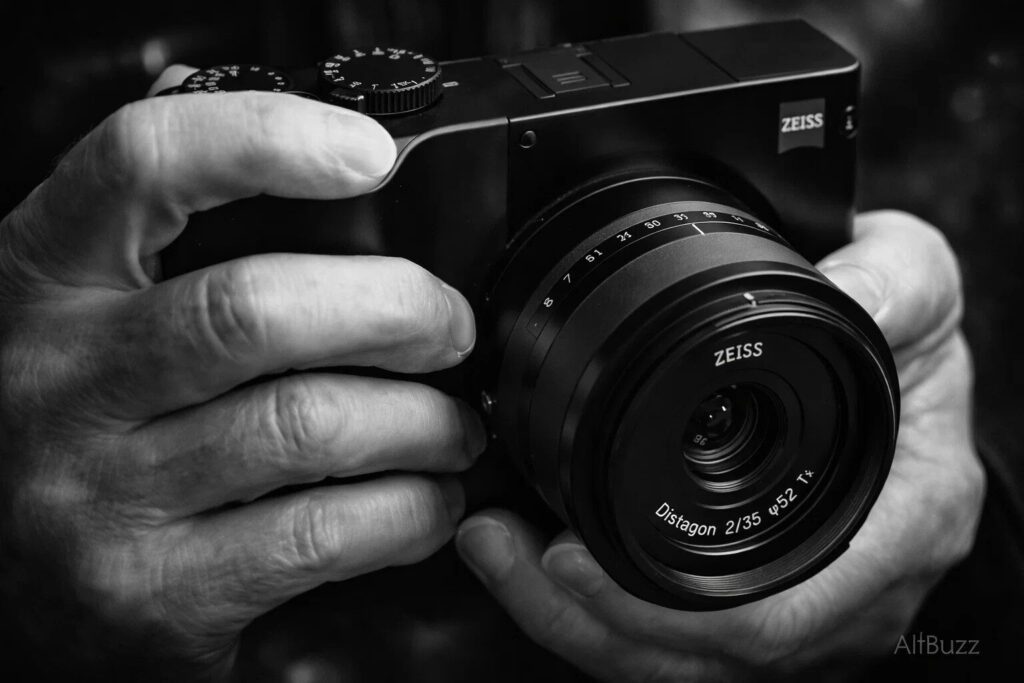
The Zeiss ZX1 claims fourth place on the Top Ten Worst Cameras list. This full-frame fixed-lens camera represents an ambitious but fundamentally flawed concept. Zeiss attempted to reimagine camera workflows with integrated Adobe Lightroom processing. Unfortunately, the execution fell dramatically short of the vision.
The ZX1 combines a full-frame sensor with a fixed 35mm lens and internal processing capabilities. On paper, this sounds innovative. In reality, the camera delivers terrible value, limited functionality, and disappointing performance.
Market Position and Release Context
Zeiss announced the ZX1 in 2018 but didn’t ship until 2020. The camera aimed to revolutionize photography workflows by integrating capture and editing. Built-in Adobe Lightroom would eliminate the need for computers.
However, the extended development time resulted in outdated hardware at launch. Furthermore, the integrated Lightroom proved slow and frustrating to use. The innovative concept failed in practical execution.
By 2025, the ZX1 feels like a relic from a failed experiment. The camera never gained market traction. Zeiss’s lack of camera expertise became painfully apparent. The ZX1 represents one of the industry’s most spectacular failures.
Zeiss ZX1 Specifications Table
| Specification | Details |
|---|---|
| Sensor | 37.4MP full-frame CMOS |
| Lens | Zeiss Distagon 35mm f/2 (fixed) |
| ISO Range | 80-51200 |
| Autofocus Points | 315-point phase-detect |
| Continuous Shooting | 5 fps |
| Video | 1080p 30p only |
| Screen | 4.3″ touchscreen (fixed) |
| Viewfinder | None |
| Battery Life | 150 shots (CIPA) |
| Weight | 811g |
| Price (2025) | $5,999 USD (discontinued) |
Image Quality Performance
The 37.4-megapixel sensor produces excellent image quality when conditions are optimal. Resolution is high and sharpness is outstanding. The fixed Zeiss lens delivers excellent optical performance.
However, dynamic range is merely average for a full-frame sensor. Sony and Canon sensors outperform the ZX1’s older sensor technology. The gap becomes apparent in challenging lighting situations.
Low-light performance is adequate but not exceptional. Noise control is acceptable up to ISO 6400. However, the slow lens (f/2) limits low-light capabilities compared to faster alternatives.
Autofocus Performance
The 315-point phase-detect autofocus system performs adequately for a fixed-lens camera. The system locks onto subjects quickly in good light. Face detection works reasonably well for portraits.
However, the autofocus lacks the sophistication of modern systems. No real-time tracking, limited subject detection, and mediocre low-light performance restrict usability. The AF feels several generations behind current standards.
Additionally, the fixed 35mm focal length limits autofocus utility. Close-up subjects and distant objects fall outside the camera’s optimal focusing range. This restriction feels particularly limiting given the premium price.
Video Capabilities
Video capabilities are shockingly poor for a camera costing nearly $6,000. The ZX1 records only 1080p at 30 frames per second. No 4K, no high frame rates, and basic codec options make this unacceptable.
Furthermore, the autofocus during video recording is slow and unreliable. The integrated Lightroom offers no video editing capabilities. The ZX1 is essentially unusable for any serious video work.
Modern smartphones record significantly better video than the ZX1. This represents perhaps the camera’s most embarrassing limitation. The video specifications feel like an afterthought.
Design and Handling
The ZX1 features a unique design with a large rear touchscreen. The 4.3-inch display dominates the back panel. Build quality is excellent with premium materials throughout.
However, the lack of a viewfinder is a critical omission. Composing shots in bright sunlight proves nearly impossible. The large touchscreen drains battery rapidly and washes out outdoors.
The fixed screen cannot tilt or articulate. This severely limits shooting angles and versatility. The ergonomics feel awkward and unbalanced. The camera is heavy and cumbersome for a fixed-lens model.
Battery Life and Connectivity
Battery life is catastrophically poor at only 150 shots per charge. The large touchscreen and integrated computer consume power rapidly. Multiple batteries are absolutely necessary for any serious shooting.
The 512GB internal storage sounds generous initially. However, this cannot be expanded or upgraded. Once filled, users must delete images or transfer to external storage. Cloud backup via Wi-Fi is painfully slow.
Connectivity is limited to Wi-Fi only. No Bluetooth, no USB-C for fast transfers, and no modern conveniences. The integration with Adobe Cloud works but feels clunky and slow.
Real-World Limitations
The integrated Adobe Lightroom represents the ZX1’s core concept. Unfortunately, editing on the camera proves frustratingly slow. The small screen makes precise adjustments difficult. Most photographers revert to traditional computer-based workflows.
The fixed 35mm lens severely limits versatility. No zoom, no lens changing, and no creative flexibility restrict the camera’s applications. This might work for dedicated street photographers, but few others.
Furthermore, the $5,999 price is absolutely absurd. Photographers can purchase a complete full-frame mirrorless system with multiple lenses for less money. The ZX1 offers no justification for its premium cost.
Pros and Cons
Pros:
- Excellent image quality in optimal conditions
- Outstanding fixed Zeiss lens
- High-resolution sensor
- Generous internal storage
- Unique integrated processing concept
- Premium build quality
Cons:
- Outrageously overpriced
- Fixed lens eliminates versatility
- Integrated Lightroom is slow and frustrating
- No viewfinder
- Catastrophic battery life
- Video capabilities are embarrassing
- No lens interchangeability
- Discontinued with no support
Verdict
The Zeiss ZX1 earns its place among the Top Ten Worst Cameras as a spectacular failure. The ambitious concept crashed against poor execution and absurd pricing. No photographer should ever consider purchasing this camera.
The fixed lens, terrible battery life, and laughable video specs disqualify the ZX1 immediately. Add the $6,000 price tag and the camera becomes indefensible. The ZX1 represents what happens when a lens company attempts camera manufacturing without proper expertise.
#3 Olympus OM-D E-M5 Mark III

Overview
The Olympus OM-D E-M5 Mark III secures third place among the Top Ten Worst Cameras of 2025. This Micro Four Thirds camera suffers from outdated technology, poor value, and an uncertain future. Olympus sold its imaging division to OM Digital Solutions, creating support concerns.
The E-M5 Mark III launched in 2019 with already-outdated specifications. By 2025, it represents a terrible investment. Buyers face limited lens options, questionable long-term support, and inferior performance compared to modern alternatives.
Market Position and Release Context
Olympus released the E-M5 Mark III in 2019 as a compact enthusiast camera. The camera targeted photographers who valued portability and in-body stabilization. It commanded a premium price within the Micro Four Thirds ecosystem.
However, Olympus sold its camera division to OM Digital Solutions in 2021. This created uncertainty about future product development and support. The brand transformation confused the market significantly.
By 2025, the E-M5 Mark III feels like a relic from a dying system. Micro Four Thirds has lost market share dramatically. The camera’s outdated specifications and questionable future make it one of the worst choices available.
Olympus OM-D E-M5 Mark III Specifications Table
| Specification | Details |
|---|---|
| Sensor | 20.4MP Micro Four Thirds |
| Processor | TruePic VIII |
| ISO Range | 200-25600 |
| Autofocus Points | 121-point contrast-detect |
| Continuous Shooting | 10 fps (6.5 fps continuous AF) |
| Video | 4K 30p, 1080p 60p |
| Screen | 3.0″ touchscreen (tilting) |
| Viewfinder | 2.36M-dot OLED EVF |
| Battery Life | 310 shots (CIPA) |
| Weight | 366g (body only) |
| Price (2025) | $1,199 USD |
Image Quality Performance
The 20.4-megapixel Micro Four Thirds sensor delivers acceptable image quality in optimal conditions. Colors are accurate and pleasing for everyday photography. Sharpness is adequate for web use and moderate-sized prints.
However, the small sensor shows clear limitations in demanding situations. Dynamic range is restricted compared to APS-C and full-frame sensors. Highlight and shadow recovery capabilities fall short of modern standards.
Low-light performance is the sensor’s greatest weakness. Noise becomes problematic above ISO 1600. Image quality degrades rapidly at higher sensitivities. Modern APS-C cameras vastly outperform the E-M5 Mark III in low light.
Autofocus Performance
The 121-point contrast-detect autofocus system feels ancient in 2025. The system lacks phase-detect capabilities, resulting in slower and less reliable performance. Hunting is common, especially in low light or with low-contrast subjects.
Face and eye detection work reasonably well for static portraits. However, tracking moving subjects proves frustrating and unreliable. The autofocus struggles with fast action and erratic movement patterns.
Additionally, the autofocus performance during continuous shooting drops significantly. The system cannot maintain focus reliably at higher frame rates. This severely limits sports and wildlife photography applications.
Video Capabilities
The E-M5 Mark III records 4K video at 30 frames per second. Quality is acceptable for casual use but falls short of professional standards. The Micro Four Thirds sensor limits depth of field control significantly.
However, the autofocus during video recording is problematic. The contrast-detect system hunts frequently, ruining otherwise stable shots. Manual focus becomes necessary for reliable results.
Furthermore, the camera suffers from severe recording time limits. 4K video recording is restricted to prevent overheating. This limitation makes the camera unreliable for extended video sessions.
Design and Handling
The E-M5 Mark III features a compact, retro-styled body. Build quality is excellent with comprehensive weather sealing. The camera feels solid and premium despite its small size.
Ergonomics are well-developed for the compact form factor. The grip is comfortable enough for extended shooting. Physical controls are abundant and well-placed for quick adjustments.
However, the small size creates handling challenges with larger lenses. The camera becomes front-heavy and unbalanced. This defeats the purpose of the compact body design.
Battery Life and Connectivity
Battery life is poor at only 310 shots per charge. The small battery cannot provide adequate power for serious shooting. Multiple spare batteries become essential for any extended photography session.
Connectivity includes Wi-Fi and Bluetooth for wireless image transfer. However, the implementation feels slow and outdated. Modern cameras offer faster and more reliable wireless capabilities.
The camera includes a microphone input but lacks a headphone jack. This omission limits its usefulness for video work. The connectivity options feel incomplete for a camera at this price point.
Real-World Limitations
The biggest limitation is the dying Micro Four Thirds ecosystem. Lens development has slowed dramatically. Third-party support is minimal compared to larger mounts. The system’s future viability is questionable.
Additionally, the ownership transition from Olympus to OM Digital Solutions creates uncertainty. Long-term support and service availability remain unclear. This adds risk to any investment in the system.
Furthermore, the small sensor fundamentally limits creative control. Achieving shallow depth of field requires fast, expensive lenses. Even then, results cannot match larger sensor systems.
Pros and Cons
Pros:
- Excellent in-body stabilization (5-axis)
- Compact and lightweight body
- Good weather sealing
- Comfortable ergonomics for size
- Decent image quality in good light
- Retro styling appeal
Cons:
- Outdated contrast-detect autofocus
- Poor low-light performance
- Small Micro Four Thirds sensor
- Dying lens ecosystem
- Uncertain future support
- Terrible battery life
- 4K recording time limits
- Overpriced for performance
Verdict
The Olympus OM-D E-M5 Mark III earns third place on the Top Ten Worst Cameras list for multiple reasons. The outdated technology, dying ecosystem, and uncertain future make it a terrible investment. The small sensor cannot compete with modern APS-C alternatives.
Photographers should avoid Micro Four Thirds entirely in 2025 unless already invested in the system. Better options exist at every price point. The E-M5 Mark III represents a dead-end investment with questionable long-term viability.
#2 Fujifilm X-S20

Overview
The Fujifilm X-S20 claims second place among the Top Ten Worst Cameras of 2025. This might shock Fujifilm enthusiasts, as the camera received positive reviews at launch. However, critical flaws and poor value positioning make it a bad choice compared to alternatives.
The X-S20 attempts to balance features, size, and price. Unfortunately, compromises in key areas undermine its appeal. Better options exist both within Fujifilm’s lineup and from competitors.
Market Position and Release Context
Fujifilm released the X-S20 in 2023 as a compact alternative to the X-H2 series. The camera targeted enthusiasts seeking advanced features in a smaller body. It positioned between the entry-level X-S10 and professional X-H2 models.
However, the X-S20’s positioning creates problems. It costs significantly more than the X-S10 without offering proportional improvements. Meanwhile, it lacks critical features found in the X-H2 models. The camera occupies an awkward middle ground.
By 2025, the X-S20 represents poor value. Savvy buyers can find better cameras at similar prices. The X-S20’s compromises feel unnecessary and frustrating.
Fujifilm X-S20 Specifications Table
| Specification | Details |
|---|---|
| Sensor | 26.1MP APS-C X-Trans CMOS 5 HR |
| Processor | X-Processor 5 |
| ISO Range | 160-12800 (expandable to 80-51200) |
| Autofocus Points | 425-point phase-detect |
| Continuous Shooting | 8 fps mechanical, 20 fps electronic |
| Video | 6.2K 30p, 4K 60p |
| Screen | 3.0″ vari-angle touchscreen |
| Viewfinder | 2.36M-dot OLED EVF |
| Battery Life | 800 shots (CIPA) |
| Weight | 491g (body only) |
| Price (2025) | $1,299 USD |
Image Quality Performance
The 26.1-megapixel X-Trans sensor delivers Fujifilm’s signature image quality. Colors straight out of camera are exceptional. Film simulations provide creative flexibility that competitors cannot match.
Dynamic range is excellent for an APS-C sensor. The camera handles high-contrast scenes beautifully. Highlight and shadow recovery capabilities satisfy demanding photographers.
However, the X-Trans sensor creates raw file processing challenges. Not all editing software handles X-Trans files optimally. Some photographers experience watercolor artifacts and false detail. This limitation frustrates users switching from Bayer sensors.
Low-light performance is good but not exceptional. Noise control is adequate up to ISO 6400. However, competitors like Sony’s latest APS-C sensors show superior high-ISO capabilities.
Autofocus Performance
The 425-point phase-detect autofocus system performs well in most situations. Subject detection for faces, eyes, animals, and vehicles works reliably. The system locks on quickly and tracks accurately.
However, the autofocus falls short of Fujifilm’s own X-H2 cameras. The X-S20 uses an older autofocus algorithm that occasionally struggles. Tracking performance, while good, shows noticeable gaps compared to Sony and Canon systems.
Low-light autofocus is merely adequate. The system becomes less reliable in dim conditions. Competitors offer superior performance in this critical area.
Video Capabilities
The X-S20 offers impressive video specifications on paper. 6.2K recording at 30fps and 4K at 60fps sound competitive. Internal 10-bit recording satisfies most video creators.
However, severe overheating issues plague the camera. Extended video recording sessions trigger automatic shutdowns. The camera cannot reliably record 4K 60fps for more than 20-25 minutes. This fatal flaw undermines the camera’s video credentials.
Additionally, the autofocus during video recording shows occasional hesitation. While generally reliable, it lacks the smoothness of Sony’s systems. The electronic stabilization also introduces noticeable crop.
Design and Handling
The X-S20 features a compact body that prioritizes portability. Build quality is good with limited weather sealing. The camera feels well-constructed but less premium than X-H2 models.
Ergonomics reveal significant compromises. The small grip feels cramped for larger hands. The camera becomes uncomfortable during extended shooting sessions. Larger Fujifilm lenses create an unbalanced combination.
The vari-angle touchscreen is well-implemented. However, the electronic viewfinder is smaller and lower resolution than competitors. The 2.36M-dot EVF feels outdated in 2025.
Battery Life and Connectivity
Battery life is surprisingly good at 800 shots per charge. The larger battery represents a significant improvement over the X-S10. However, video recording still drains power quickly.
Connectivity includes Wi-Fi and Bluetooth for wireless transfers. The Fujifilm app works adequately but feels less polished than competitors. USB-C charging is convenient for travel.
The camera includes microphone input and headphone jack. However, only a single SD card slot is available. This omission frustrates professional users who require backup recording.
Real-World Limitations
The most significant limitation is the severe video overheating. This issue makes the camera unreliable for video-centric workflows. Creators cannot depend on the X-S20 for extended recording sessions.
Additionally, the single card slot creates risk for professional work. No backup recording means potential data loss during critical shoots. This represents an unacceptable compromise.
Furthermore, the price positioning makes no sense. The X-S20 costs $1,299 while frequently discounted X-H2 models approach similar prices. The X-H2 offers dual card slots, better build quality, and superior autofocus. The X-S20’s value proposition collapses under this comparison.
Pros and Cons
Pros:
- Excellent image quality and film simulations
- Good autofocus for most situations
- Impressive video specs on paper
- Vari-angle touchscreen
- Great battery life for photos
- Compact and portable
- In-body stabilization
Cons:
- Severe video overheating issues
- Single card slot only
- Cramped ergonomics
- X-Trans processing challenges
- Lower-quality EVF
- Poor value vs. X-H2 on sale
- Limited weather sealing
- Autofocus trails competitors
Verdict
The Fujifilm X-S20 earns second place on the Top Ten Worst Cameras list due to critical compromises. The severe overheating makes it unreliable for video work despite impressive specifications. The single card slot eliminates professional applications.
Most frustratingly, the X-H2 offers dramatically better value when discounted. The X-S20’s positioning makes no sense. Buyers should either save money with the X-S10 or invest in the superior X-H2. The X-S20 occupies an unnecessary middle ground with no compelling advantages.
#1 Canon EOS R1
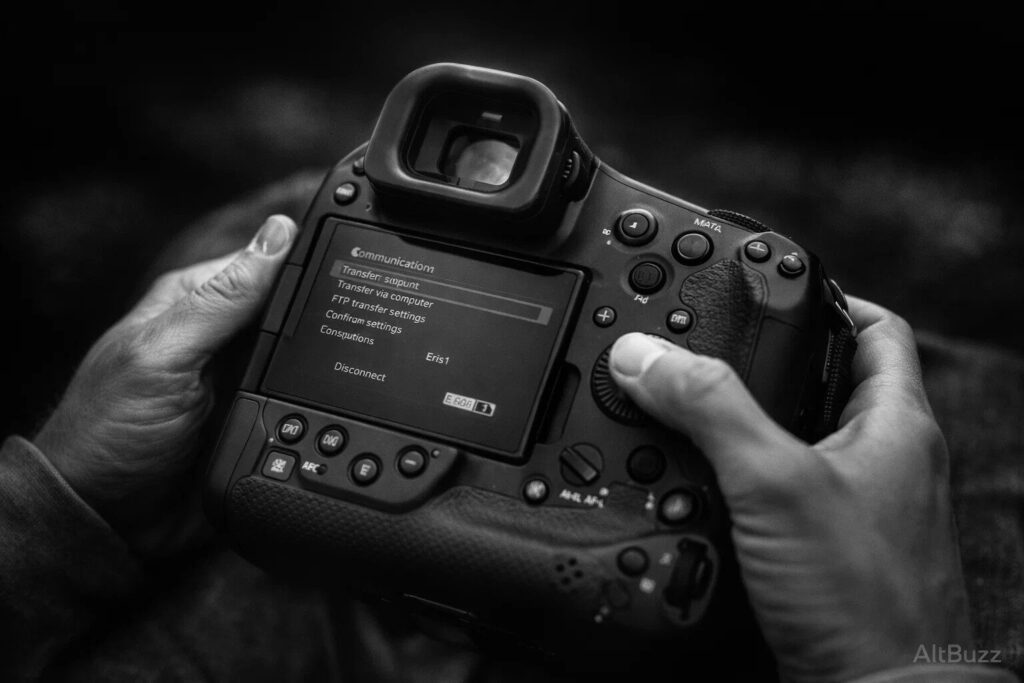
THE BIG REVEAL: The Canon EOS R1 claims the top position as the worst camera of 2025. This flagship professional camera represents Canon’s most expensive and anticipated release. However, it delivers shocking disappointment across multiple critical areas.
Overview
The Top Ten Worst Cameras countdown ends with the R1 for good reason. Canon charged premium flagship prices while delivering outdated technology, poor value, and inexcusable limitations. The camera fails to justify its existence in almost every meaningful way.
Market Position and Release Context
Canon announced the EOS R1 development in 2023, creating enormous anticipation. Professionals expected a revolutionary flagship that would compete with Sony’s A1 and Nikon’s Z9. The camera finally arrived in 2024 after extended delays.
Unfortunately, the R1 landed with specifications that felt outdated on arrival. Competitors had leapfrogged ahead during Canon’s development delays. The camera launched at $6,299, demanding flagship pricing without delivering flagship performance.
By 2025, the R1 represents Canon’s most embarrassing product failure in recent memory. Professional photographers rejected the camera almost universally. The R1 embodies everything wrong with modern camera development: overpricing, underdelivering, and ignoring customer needs.
Canon EOS R1 Specifications Table
| Specification | Details |
|---|---|
| Sensor | 24.2MP full-frame stacked CMOS |
| Processor | DIGIC X and DIGIC Accelerator |
| ISO Range | 100-102400 (expandable to 50-204800) |
| Autofocus Points | 4,897 manually selectable AF points |
| Continuous Shooting | 40 fps (electronic), 12 fps (mechanical) |
| Video | 6K RAW 60p, 4K 120p |
| Screen | 3.2″ vari-angle touchscreen |
| Viewfinder | 9.44M-dot OLED EVF |
| Battery Life | 2,100 shots (CIPA) |
| Weight | 1,015g (body only) |
| Price (2025) | $6,299 USD |
Image Quality Performance
The 24.2-megapixel full-frame sensor produces excellent image quality within its resolution limits. Colors are accurate and processing is refined. The stacked sensor design enables fast readout speeds.
However, 24 megapixels feels shockingly low for a flagship camera in 2025. Competitors offer 45-50MP sensors with similar speed capabilities. The R1’s resolution severely limits cropping flexibility and large print quality.
Canon claims the lower resolution benefits sports photographers. This reasoning insults professional intelligence. Modern high-resolution sensors deliver comparable speed without sacrificing resolution. The R1’s 24MP sensor represents a cost-cutting measure disguised as a feature.
Dynamic range is excellent but not exceptional. Sony and Nikon sensors show measurably superior performance. The R1 cannot claim any image quality advantages over competitors.
Low-light performance is good but again fails to lead the category. The stacked sensor design helps reduce noise, but the results don’t justify the premium price. Competitors deliver similar or better high-ISO performance at lower costs.
Autofocus Performance
The autofocus system represents the R1’s strongest feature. Canon’s Dual Pixel AF II covers nearly the entire frame. Subject detection works excellently for people, animals, and vehicles.
Tracking performance is outstanding in most situations. The system maintains lock even during chaotic action. Eye autofocus works reliably at a distance. This capability matches or slightly exceeds Sony’s acclaimed system.
However, the autofocus alone cannot justify the R1’s price premium. Similar autofocus performance is available in cameras costing $3,000 less. The R1 demands flagship pricing while offering midrange differentiation.
Video Capabilities
Video specifications sound impressive superficially. The R1 records 6K RAW internally at 60fps. 4K recording reaches 120fps for slow motion. These features target professional videographers and cinematographers.
However, severe limitations undermine the video capabilities. The 6K RAW recording creates enormous file sizes that quickly overwhelm storage. Practical usability suffers significantly.
Furthermore, Canon crippled the camera with artificial limitations. Recording times are restricted supposedly to prevent overheating. However, competing cameras record longer without issues. Canon’s restrictions feel like intentional product segmentation rather than technical necessity.
The rolling shutter performance, while improved, still trails competitors. The Nikon Z9 and Sony A1 show better performance. Canon’s stacked sensor design should deliver class-leading results but doesn’t.
Design and Handling
Build quality is exceptional, as expected from a professional flagship. The magnesium alloy body feels bombproof. Weather sealing is comprehensive and reassuring.
Ergonomics follow Canon’s professional DSLR heritage. The deep grip provides excellent handling even with massive telephoto lenses. Physical controls are abundant and logically placed.
However, the camera is unnecessarily large and heavy. At over 1 kilogram for the body alone, the R1 exceeds competitors without justification. Modern technology should enable smaller flagship cameras. The R1’s bulk feels outdated.
The vari-angle touchscreen is well-implemented. The electronic viewfinder is excellent with 9.44M-dot resolution. These features meet flagship expectations without exceeding them.
Battery Life and Connectivity
Battery life is excellent at 2,100 shots per charge. The high-capacity battery provides all-day shooting capability. This represents one area where the R1 genuinely excels.
Connectivity options are comprehensive. Dual CFexpress Type B card slots provide reliable backup recording. Wired and wireless networking capabilities suit professional workflows.
The camera includes full-size HDMI, multiple USB-C ports, and professional audio connections. These features meet expectations for a flagship camera. However, they don’t justify the premium pricing.
Real-World Limitations
The most shocking limitation is the 24-megapixel resolution. Professional photographers cannot accept this compromise in 2025. Cropping, large prints, and commercial applications demand higher resolution. The R1 fails this fundamental requirement.
Additionally, Canon’s artificial video recording limits infuriate users. Competitors prove that extended recording is technically possible. Canon’s restrictions serve only to protect their Cinema EOS line. This anti-consumer practice deserves condemnation.
Furthermore, the $6,299 price is completely unjustifiable. The Sony A1 offers 50 megapixels, similar speed, and better overall performance for less money. The Nikon Z9 delivers superior video capabilities at a comparable price. The Canon R1 loses every meaningful comparison.
The camera also suffers from limited lens availability in certain categories. While Canon’s RF mount is maturing, critical gaps remain. The R1 launched before its ecosystem was truly ready.
Pros and Cons
Pros:
- Excellent autofocus system
- Outstanding build quality
- Great battery life
- Fast continuous shooting
- Comprehensive connectivity
- Good low-light performance
- Professional ergonomics
Cons:
- Shockingly low 24MP resolution
- Outrageously overpriced at $6,299
- Artificial video recording limits
- Unnecessarily large and heavy
- Inferior to Sony A1 in most areas
- Inferior to Nikon Z9 for video
- Failed to meet flagship expectations
- Poor value at any price
Verdict
The Canon EOS R1 rightfully claims the number one spot on the Top Ten Worst Cameras list. This flagship represents Canon’s greatest product failure in years. The combination of outdated 24MP resolution, artificial limitations, and unjustifiable pricing creates an indefensible product.
Professional photographers expected a revolutionary flagship. Instead, Canon delivered a compromised camera that trails competitors in critical areas. The R1 offers no compelling reasons to choose it over the Sony A1 or Nikon Z9.
Most damningly, the R1 demonstrates Canon’s willingness to exploit customer loyalty. The company charges premium prices while delivering midrange value. Photographers deserve better from a manufacturer of Canon’s stature.
The Canon EOS R1 is not just the worst camera of 2025. It represents the worst flagship camera launch in recent memory. Buyers should avoid this camera completely and choose superior alternatives from Sony or Nikon.
Final Verdict
The Top Ten Worst Cameras of 2025 reveal important lessons about the camera market. These models fail for various reasons: obsolete technology, poor value, artificial limitations, and misguided product positioning.
The countdown revealed progressively worse decisions. The Canon M200 (#10) suffers from a discontinued ecosystem. The Pentax K-3 Mark III (#9) represents dying DSLR technology. The Leica D-Lux 8 (#8) charges luxury prices for standard performance.
Moving up the list, the Nikon Z30 (#7) overheats critically. The Sony A7S III (#6) costs too much for narrow specialization. The Panasonic GH5 II (#5) launched with outdated specifications.
The Zeiss ZX1 (#4) represented a spectacular failure of ambition. The Olympus E-M5 Mark III (#3) belongs to a dying ecosystem. The Fujifilm X-S20 (#2) suffers from critical compromises and poor positioning.
Finally, the Canon EOS R1 (#1) claims the top spot as the most disappointing camera of 2025. This flagship delivers outdated resolution, artificial limitations, and unjustifiable pricing. Canon’s most anticipated camera became their most embarrassing failure.
Smart buyers should avoid every camera on this list. Better alternatives exist at every price point and for every application. These Top Ten Worst Cameras serve as cautionary examples of what not to buy.
Research thoroughly before making camera investments. Read multiple reviews, compare specifications carefully, and consider long-term value. Avoid cameras with artificial limitations, dying ecosystems, or unjustifiable pricing.
The camera market offers many excellent options. Unfortunately, these ten models represent the absolute worst choices available in 2025.
Read More from AltBuzz
Read more from AltBuzz for camera reviews, detailed specs, and expert insights. AltBuzz delivers trusted and easy-to-understand photography content.👉 Visit AltBuzz Media
Subscribe AltBuzz YouTube Channel
Stay updated with camera reviews and comparisons. AltBuzz shares hands-on camera content regularly.👉 Subscribe to AltBuzz YouTube