
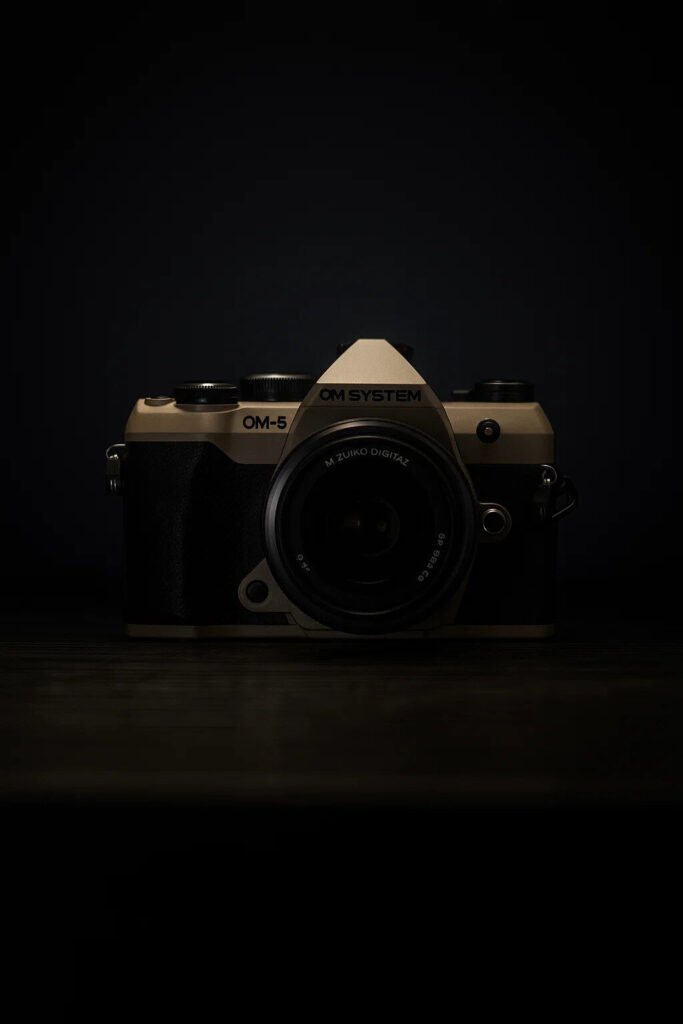
The OM System OM-5 Mark II has arrived, and people are already talking about it. At first, it may look small, but inside it carries surprising power. This camera feels light in the hand, yet it is strong enough to handle real work. It is made for travel, so it fits in a bag easily, but it can also take on tough weather and longer trips. Therefore, many photographers see it as a camera built for every place and every moment.
The design looks classic on the outside, but inside it feels fresh and modern. As a result, it brings balance between style and function. Why does the OM-5 Mark II matter so much? Because most cameras today are bigger and heavier, but this one dares to stay small. Still, it does not give up speed or useful features, so it stands apart in the crowded market.
Some even say that it hides secret upgrades, and those secrets could make it far more special than many expect. This is why people wonder what else might be inside and if it could become the new travel king. In the end, the story of the OM-5 Mark II is not only about size. It is also about freedom, and it is about power without the extra weight. Above all, it feels like a new path for modern cameras.
Specs of OM System OM-5 Mark II
The OM System OM-5 Mark II is packed with specs that show its power. These specs explain why it is more than just a small travel camera. They prove it can work for hobbyists and also for serious creators.
Sensor and Processor
At the heart of the OM-5 Mark II is a 20.4MP Live MOS Micro Four Thirds sensor. This sensor is known for detail and speed. It is not just about the megapixels. It also handles light well and keeps colors accurate. Because of its design, it balances sharpness with smooth tones.
The sensor works with the TruePic IX processor. This processor is faster than older versions. It reduces noise and improves autofocus tracking. It also supports the advanced computational modes, like High-Res Shot, Live ND, and Focus Stacking. Without this processor, these modes would be slow or impossible.
Together, the sensor and processor allow the camera to shoot up to 10 frames per second with continuous autofocus. With the electronic shutter, it can reach 30 frames per second. They also help with video, allowing smooth 4K capture with better dynamic range. The pair ensures that both stills and video keep high quality.
As a result, the sensor and processor work as a team. The sensor captures clean light, while the processor polishes the image. This combination gives the OM-5 Mark II speed, detail, and reliability for many styles of shooting.
Image Stabilization
The 5-axis in-body stabilization is one of its strongest specs. It can give up to 6.5 stops of shake reduction. When paired with certain lenses, Sync IS can push this up to 7.5 stops. That means you can shoot handheld at slower shutter speeds and still get sharp results.
Autofocus System
The autofocus system has 121 cross-type phase detection points. These cover most of the frame. The points work with contrast detection to improve accuracy. Faces and eyes are tracked better. Even moving animals or subjects stay sharp most of the time.
Shooting Speed
The OM-5 Mark II can shoot up to 10 frames per second with continuous AF. For even faster action, the electronic shutter can reach 30 frames per second. Sports and wildlife shooters will find this useful.
ISO Range
The ISO range of the OM System OM-5 Mark II goes from 200 to 25,600. It can also expand down to ISO 64. This range makes the camera flexible in many places. In bright daylight, you can use the lower ISO values to keep the image clean. Lower ISO also helps get richer colors and finer detail. On the other hand, in darker scenes, you can push the ISO higher.
At ISO 3200 or 6400, noise appears, but the camera still gives usable photos. With the TruePic IX processor, noise reduction is better than before. The colors stay stable, and shadows hold more texture. Because the 5-axis stabilization allows slower shutter speeds, you don’t always need to raise ISO too high. This balance is helpful for handheld night photos, indoor events, or street shots. Therefore, the ISO range is wide enough to make the camera work for both bright and dark environments.
Viewfinder and Screen
The electronic viewfinder is OLED with 2.36 million dots. It is sharp and has good contrast. The rear screen is 3 inches with 1.04 million dots. It is a vari-angle design, so it flips out for vlogging or selfies. Touch control makes it easier to use menus and settings.
Video Specs
This camera records 4K video at up to 30p. It also records Full HD slow motion up to 120p. OM-Log400 and OM-Cinema profiles give more dynamic range for editing. Video shooters get better grading flexibility.
Build and Design
The OM-5 Mark II is designed to be compact yet strong. Its size is small, but it still feels premium in hand. The body measures 125.3 × 85.2 × 52.0 mm, and the weight is 418 grams with battery and card. This makes it light for travel, but it does not feel fragile.
The design has deep grips, so the camera feels secure while shooting. Buttons and dials are placed within easy reach. The vari-angle touchscreen flips in many directions. This helps with vlogging, selfies, and creative angles. The electronic viewfinder is sharp and clear, with 2.36 million dots. Together, the screen and EVF make it easy to compose shots.
Weather sealing is another strong point. The OM-5 Mark II is rated at IP53. This means it can handle dust, splashes, and freezing temperatures down to –10°C. Many compact cameras skip weather protection, but this one is safe for rain, snow, or desert trips. As a result, it is a reliable camera for outdoor travel and adventure.
The design also includes USB-C charging, so you can charge the battery on the go. The single UHS-II SD card slot is fast enough for both bursts and 4K video. Every detail in the design makes it a tool built for creators who move often.
Battery and Storage
The BLS-50 battery lasts about 310 shots. It supports USB-C charging, which is convenient on the go. Storage is through one UHS-II SD card slot, which is fast enough for bursts and video.
Image Quality of OM System OM-5 Mark II

Sharpness and Detail
The OM System OM-5 Mark II gives very sharp images. The 20.4MP sensor captures fine textures in clothes, leaves, and buildings. Even when you crop the photo, the details remain clear. The TruePic IX processor also helps sharpen edges without making them look fake. As a result, images look crisp but natural. The High-Res Shot mode adds even more detail. With this mode, the camera shifts the sensor slightly and blends frames. The result is a 50MP handheld shot or an 80MP tripod shot. This level of detail is amazing for printing large posters or for professional work.
Color Rendering
Colors from this camera look balanced. Reds are rich but not too strong. Blues are deep but still look natural. Greens in nature shots appear fresh and full of life. Skin tones are also handled well. Faces look smooth, not too red or yellow. The camera is designed to deliver colors that are pleasing without heavy editing. At the same time, if you want to edit later, the files hold enough information to adjust tones. Therefore, both beginners and experts will find the colors useful.
Low-Light Performance
Low light is a challenge for many small cameras, but the OM-5 Mark II does well. Its ISO range goes up to 25,600, and noise reduction is improved by the processor. At ISO 3200 or 6400, images remain usable with good detail. Shadows stay controlled, and colors remain accurate. The 5-axis image stabilization helps here as well. You can shoot at slower shutter speeds without blur, which means you don’t need to push ISO too high. This is very helpful for night street shots, indoor events, or handheld cityscapes.
Dynamic Range
Dynamic range is how well a camera captures both bright and dark parts of a scene. The OM-5 Mark II does this well. In bright daylight, skies hold detail while shadows keep texture. You do not lose important information in highlights or dark areas. When shooting landscapes, you can see detail in clouds while trees and mountains still have depth. For video, the OM-Log400 profile expands dynamic range even more. This gives editors more room to adjust brightness and contrast during color grading.
Lens Pairing
The camera uses the Micro Four Thirds mount, which has many lens options. Sharp prime lenses can push the image quality to the next level. Wide-angle lenses make landscapes shine with edge-to-edge clarity. Telephoto lenses keep wildlife shots sharp, even when zoomed in far. Macro lenses bring out tiny textures in flowers or insects. Because the camera body is so stable with IBIS, even smaller and lighter lenses produce very good results. Therefore, lens choice plays a big role, and the system supports almost every shooting style.
Features of OM System OM-5 Mark II
The OM System OM-5 Mark II is not only about numbers on a spec sheet. It is about the tools that make real shooting easier and more fun. Every button, every mode, and every small detail feels designed with purpose. Some features help you save time. Others push creativity to the next level. And a few are hidden gems that even bigger cameras do not offer. Because of this, the OM-5 Mark II feels like more than just a camera. It feels like a smart partner that knows what creators need in the moment.
Compact and Travel-Ready
The OM System OM-5 Mark II is made for people who want to travel light. The camera body is small, yet it feels solid in the hand. You can put it in a small bag without trouble, and it never feels heavy on long trips. Many cameras that are small cameras lose durability, but this one is built with strength in mind. Because of the weather sealing, you can carry it in rain, snow, or even dusty deserts. It becomes a reliable companion in many places where larger cameras are difficult to use.
Computational Photography Button
A new CP button has been added to this model, and it changes the speed of shooting. Before, you had to dig into menus to use creative features. Now, with one press, you can switch on tools like Live ND, High-Res Shot, Focus Stacking, or HDR. These modes used to take time to find, but now they are ready right away. Therefore, the CP button saves time and makes shooting smoother. For people who want to try creative effects quickly, this button is very useful.
High-Res Shot Mode
The High-Res Shot mode is one of the strongest tools in this camera. In this mode, the camera moves its sensor slightly between shots and then blends the images into one. When handheld, you can get 50MP files. On a tripod, you can reach 80MP. The result is sharp photos with very fine details. Textures in landscapes, buildings, or products look amazing. With this feature, the camera works like a much higher-resolution system. For travel and nature, this becomes a major upgrade.
Live ND Filter
The Live ND feature works like a built-in neutral density filter. You do not need to carry extra filters in your bag. Instead, the camera slows the shutter speed digitally. Moving water looks silky and soft. Clouds look dreamy as they move across the sky. The best part is that you see the effect live on the screen before you take the photo. As a result, you can adjust your shot until it looks just right. For long-exposure lovers, this feature makes the process simple and fun.
Live Composite and Multiple Exposure
Night photography often needs special tricks, and this camera provides them. Live Composite builds an image step by step as new light enters. This makes fireworks, star trails, and city lights easy to capture. You do not have to worry about overexposure, because the camera only adds new light. Multiple Exposure, on the other hand, blends two or more photos. This feature allows for artistic images without editing software. Together, these modes give creative power right inside the camera.
Starry Sky AF and Night Vision
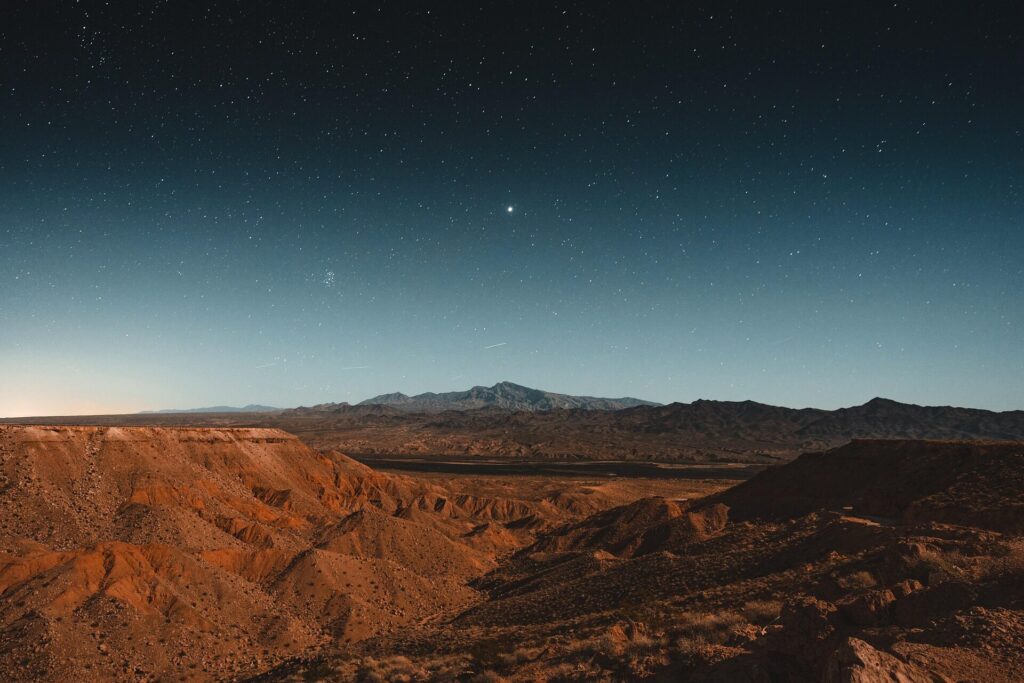
Astrophotography is hard for most small cameras. Stars are tiny, and autofocus often fails. The Starry Sky AF mode solves this. It locks focus even on very small points of light. Because of this, you can capture the night sky with more ease. Night Vision is another smart feature. It brightens the screen so you can frame your shot, even when your eyes cannot see much. These tools make the OM-5 Mark II strong for shooting under the stars.
Touchscreen and Menus
The vari-angle touchscreen is not just flexible but also easy to use. You can flip it around for vlogs, selfies, or overhead shots. It rotates smoothly, and the display quality is sharp. Menus are updated and easier to read. With touch control, you can change settings faster. For beginners, this makes the camera friendlier. For experts, it simply saves time in the field.
Video Tools
The OM-5 Mark II is not only a still camera. It has video tools that make it stand out. Vertical video recording is built in, so you can make content for social media without extra editing. A red tally frame around the screen shows that the camera is recording, which prevents mistakes. OM-Cinema profiles add color options that make footage look more professional. With these tools, the camera gives both casual and serious creators better control over video.
Connectivity
In today’s world, fast sharing is important. The OM-5 Mark II has Wi-Fi and Bluetooth for quick connections. You can send photos to your phone within seconds. You can also control the camera remotely from a mobile app. This is useful for group shots, time-lapse setups, or even wildlife shooting. The connection is stable, and the app is simple to use. Because of this, the camera fits well into the modern workflow of instant sharing.
Weather Sealing
The weather sealing in the OM-5 Mark II is a major feature. It is rated at IP53, which means it protects against dust and water splashes. It can also handle cold down to –10°C. Many small cameras avoid strong sealing to save weight, but this one keeps it. As a result, you can shoot in rain, snow, or dusty roads without fear. This makes the OM-5 Mark II a tough tool for adventure photographers and travelers
OM System OM-5 Mark II Price
The OM System OM-5 Mark II is priced at around $1,199 body only. With a kit lens, the price moves closer to $1,499. This price makes it more affordable than many larger systems. Yet, it still offers pro-level tools in a compact body. Because of this, it sits at a point where hobbyists and serious travelers can both find value.
How It Stacks Up Against Rivals
The OM-5 Mark II has its own place in the camera world. Other mirrorless models in this price range focus on bigger sensors or more megapixels. However, they often miss strong weather sealing, compact size, or advanced creative tools. The OM-5 Mark II balances these factors. It is lighter, it is tougher, and it includes special features like Live ND and High-Res Shot that rivals do not always have.
Why It Stands Out for Travelers
The OM-5 Mark II is built for people who move often. It is small, yet it feels strong in the hand. You can charge it with a power bank while on the road. It also slips easily into a travel bag without adding much weight. Because it is weather-sealed, you can use it in rain, snow, or sand without worry. Many cameras need extra care in tough weather, but this one keeps shooting. That is why travelers and explorers find it a good match.
Creative Tools That Go Beyond Basics
This camera is more than just a device for normal pictures. It gives creative power in the field. The Live ND tool makes flowing water look soft and smooth without a filter. The Live Composite mode builds light trails step by step, so you see results as they grow. Multiple Exposure allows you to blend images in-camera for artistic effects. With these tools, the camera feels like a small creative studio in your hands.
Read More from Us
We share deep looks into cameras, lenses, and the world of photography. Some articles cover new releases, while others compare systems and upgrades. Each piece aims to guide you, whether you are choosing your first camera or looking for your next big step. Keep supporting us by reading, and please leave a comment. Even if you agree or disagree, your thoughts help us make every article better.