
Top 5 Premium Cameras Worth Every Penny in 2026
Premium cameras occupy a category where ordinary rules do not apply. These are not cameras you buy because they are affordable. You buy them because you need the absolute best and you are willing to pay for it. They carry high price tags. They demand serious investment. And when used by photographers and filmmakers who understand their capabilities, they produce results that justify every dollar.
This is a list for photographers and cinematographers who operate at the highest level. Each camera on this list costs significantly more than a typical consumer mirrorless body. Each one earns that premium through genuine performance advantages that cheaper cameras cannot replicate.
If you are ready to invest in equipment that matches your ambitions, this is the list you have been looking for.
What Defines a Truly Premium Camera?
A premium camera is not simply an expensive camera. Many expensive cameras do not deserve the premium label. A genuine premium camera must deliver exceptional performance across multiple key areas. It must be built to professional standards that consumer bodies cannot match. It must offer features or capabilities that are unavailable elsewhere at lower price points. And it must hold its value and relevance over an extended professional career.
Every camera on this list meets all of these standards without compromise.
Premium Cameras at a Glance: 2026 Rankings
| Rank | Camera | Category | Price |
|---|---|---|---|
| 1 | Sony A9 III | Ultimate Speed and Action | USD 5,999 |
| 2 | Canon EOS R3 | Professional Sports and Speed | USD 5,999 |
| 3 | Nikon Z9 | Flagship All-Round Excellence | USD 5,499 |
| 4 | Fujifilm GFX 100 II | Maximum Medium Format | USD 7,499 |
| 5 | Leica Q3 | Premium Compact Prestige | USD 5,995 |
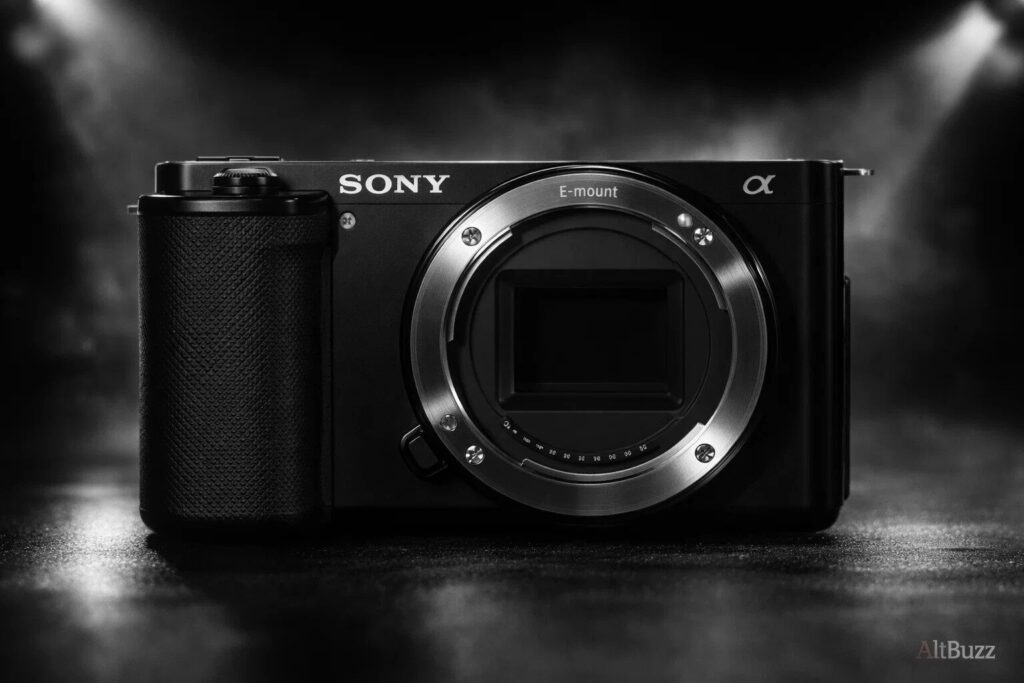
1. Sony A9 III: The Most Technologically Advanced Premium Camera Available
The Case for the Top Spot
No camera in the world currently offers the technology packed into the Sony A9 III. The global shutter sensor is not a minor upgrade over conventional sensors. It is a completely different approach to image capture that eliminates limitations that photographers have accepted as unavoidable for decades. Rolling shutter distortion is gone. Flash sync at any shutter speed, even above 1/8000s, is possible. Banding under artificial lighting is eliminated.
For photographers who work in fast action, sports, entertainment, and news environments, the A9 III represents a fundamental advancement in what a camera can do.
Understanding the Global Shutter Advantage
Traditional cameras read pixel data from the sensor row by row, from top to bottom. This sequential reading takes time. When subjects move during the reading process, horizontal distortion appears in the image. This is rolling shutter. At very high shutter speeds, the shape of fast-moving subjects can appear warped or skewed.
The A9 III reads every pixel on the sensor simultaneously. There is no sequential reading. There is no time gap between the first and last pixel being captured. This means that no matter how fast your subject moves, how quickly you pan the camera, or how rapidly you fire the shutter, the image geometry is always perfectly accurate.
For motorsport photographers shooting cars at 200 mph, for basketball photographers panning across a fast break, and for news photographers working under stadium fluorescent lighting, this matters enormously.
Specifications
| Feature | Sony A9 III |
|---|---|
| Sensor | 24.6MP Full-Frame Global Shutter CMOS |
| Processor | BIONZ XR + Dedicated AI Unit |
| ISO Range | 250 to 12800 (ext. 125 to 51200) |
| Autofocus | 759-Point Phase-Detect with AI |
| Burst Rate | 120fps with Full AF and AE |
| Flash Sync | Any Shutter Speed (up to 1/80000s) |
| Video | 4K 120fps, 6K Oversampled |
| Stabilization | 8-Stop 5-Axis IBIS |
| Weather Sealing | Professional Grade |
| Battery Life | Approx. 530 Shots |
| Price | USD 5,999 |
Image Quality and Trade-offs
The global shutter sensor produces excellent images with natural color rendering and strong detail. The trade-off compared to Sony’s BSI CMOS sensors is a modest reduction in dynamic range at base ISO. For action photography, this rarely presents a practical problem. For landscape or studio work, where dynamic range is critical, the A9 III is not the ideal choice.
High ISO performance is very good up to ISO 6400, with acceptable results to ISO 12800. Beyond that, noise increases noticeably, which reflects the engineering trade-offs of the global shutter design.
Autofocus at 120fps
The A9 III’s autofocus while shooting 120 frames per second with full subject tracking is the single most impressive action photography capability available from any camera in 2026. The AI subject recognition covers people, animals, vehicles, trains, and aircraft. Eye detection works reliably on athletes moving at full speed. The system maintains lock through obstructions and complex backgrounds with a consistency that professional sports photographers have described as career-changing.
Video Performance
4K at 120fps with a global shutter sensor produces slow-motion footage without any rolling shutter artifacts. This is genuinely valuable for sports videographers, cinematographers who shoot action sequences, and commercial directors who need extreme slow-motion with perfect image geometry.
Who Should Buy the Sony A9 III
Professional sports photographers, motorsport photographers, news and editorial photographers, wildlife action specialists, entertainment photographers who work under artificial lighting at high shutter speeds, and commercial cinematographers who need rolling-shutter-free video.
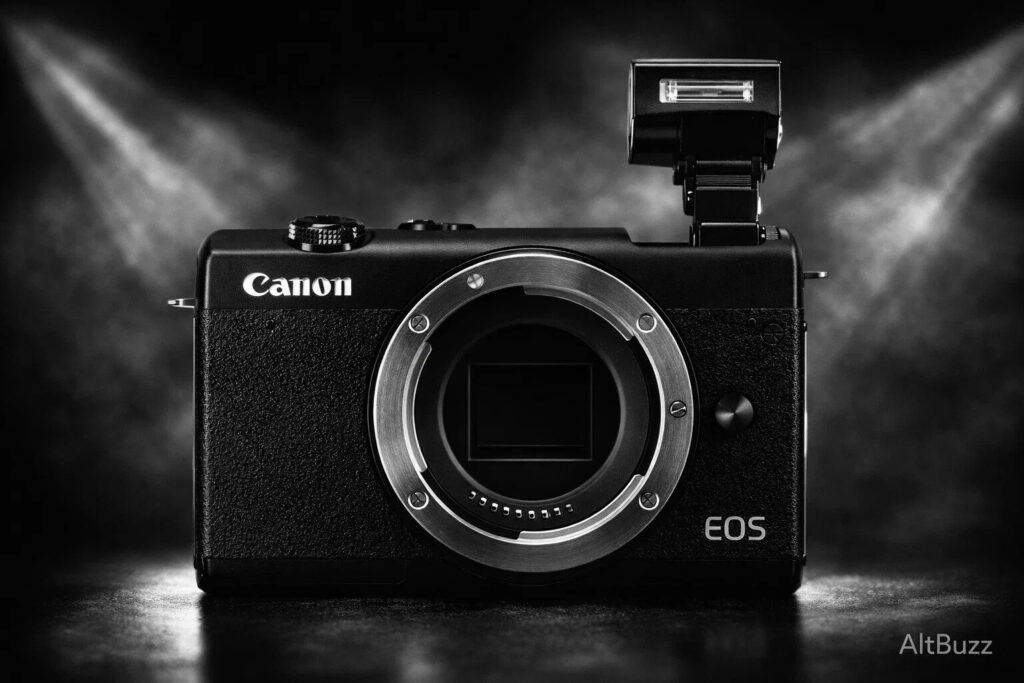
2. Canon EOS R3: The Professional Standard for Speed and Reliability
Why It Belongs on the Premium Camera List
The Canon EOS R3 was built for one specific purpose: to be the most reliable professional camera available to Canon photographers who shoot demanding subjects in demanding environments. Canon designed it in direct conversation with professional sports and news photographers working at the Olympic Games, major sporting events, and high-stakes editorial assignments.
The result is a camera that prioritizes reliability, speed, and professional workflow tools over any other consideration. When your livelihood depends on every shot being sharp, properly exposed, and in focus, the R3 delivers.
The Stacked Sensor Advantage
The Canon EOS R3 uses a back-illuminated stacked CMOS sensor. The stacked architecture places processing circuitry directly behind the photodiode layer, which dramatically reduces the time required to read sensor data. The result is very fast readout speeds, reduced rolling shutter compared to conventional sensors, and the ability to shoot at very high frame rates with full autofocus and auto exposure processing.
The R3 can fire at 30fps with the mechanical shutter and up to 195fps in RAW burst mode (with reduced resolution). These speeds exist not for gimmick value, but because professionals covering unpredictable subjects need every possible frame to capture the decisive moment.
Specifications
| Feature | Canon EOS R3 |
|---|---|
| Sensor | 24.1MP Full-Frame Stacked BSI CMOS |
| Processor | DIGIC X |
| ISO Range | 100 to 102400 (ext. 50 to 204800) |
| Autofocus | Dual Pixel CMOS AF II with Eye Control AF |
| Burst Rate | 30fps Mechanical, 195fps RAW Burst |
| Video | 6K 60fps RAW, 4K 120fps |
| Stabilization | 8-Stop 5-Axis IBIS |
| Weather Sealing | Professional Grade (Extensive Sealing) |
| Vertical Grip | Integrated |
| Battery Life | Approx. 860 Shots |
| Price | USD 5,999 |
Eye Control AF: A Genuinely Unique Feature
Canon’s Eye Control AF, exclusive to the R3, uses an infrared sensor inside the viewfinder to detect where you are looking. The camera uses your gaze direction to select the autofocus point. You look at your subject. The camera activates AF at that point. You shoot.
In practice, for photographers who have trained themselves to use it effectively, Eye Control AF allows faster and more intuitive subject selection than any other method. Sports and wildlife photographers who need to quickly select between multiple subjects within the frame have found it transformative.
Build Quality and Weather Sealing
The EOS R3 features Canon’s most extensive weather sealing ever applied to a mirrorless camera body. The integrated vertical grip means there are no gaps in the sealing where a grip attachment would normally create vulnerability. The body is magnesium alloy throughout, with reinforced mount construction.
The 860-shot battery life from the integrated grip is one of the best figures among professional cameras. A full day of heavy professional shooting is realistic on a single charge.
Video Capability
6K RAW at 60fps and 4K at 120fps place the R3’s video specifications firmly in professional territory. For editorial and broadcast clients who demand 4K professional-grade video alongside high-resolution stills, the R3 handles both without compromise.
Who Should Buy the Canon EOS R3
Olympic and professional sports photographers, news and editorial photojournalists, wildlife professionals who cover fast-moving subjects in extreme environments, commercial photographers who need absolute reliability at high shooting frequencies.
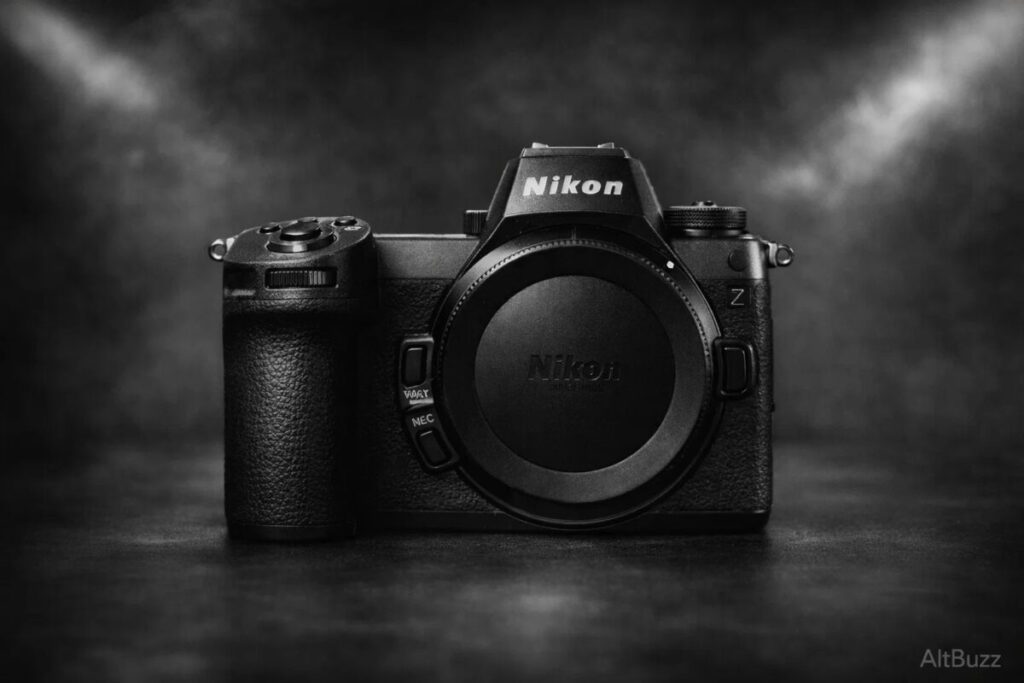
3. Nikon Z9: The Flagship That Proved Nikon Was Back
Why It Belongs on the Premium Camera List
The Nikon Z9 was the camera that announced Nikon’s return as a serious competitor at the professional flagship level. When it launched, it was the first mirrorless camera to completely eliminate the mechanical shutter, relying entirely on a stacked sensor with fast enough readout to make a mechanical shutter unnecessary.
That decision was bold and correct. The Z9’s stacked sensor reads fast enough that rolling shutter is no longer a meaningful concern for most professional use cases. The elimination of the mechanical shutter removes a mechanical component that can wear out, reducing one potential point of failure in a professional camera body.
The No Mechanical Shutter Approach
Removing the mechanical shutter from a professional camera might seem like a risk. In practice, Nikon demonstrated that the Z9’s sensor readout is fast enough to eliminate the rolling shutter concerns that made electronic-only shutters impractical on earlier cameras.
Professional sports photographers at major international sporting events adopted the Z9 in significant numbers. Its performance under real-world professional conditions validated Nikon’s engineering decisions.
Specifications
| Feature | Nikon Z9 |
|---|---|
| Sensor | 45.7MP Full-Frame Stacked BSI CMOS |
| Processor | EXPEED 7 |
| ISO Range | 64 to 25600 (ext. 32 to 102400) |
| Autofocus | 493-Point Phase-Detect with Subject Recognition |
| Burst Rate | 20fps RAW, 120fps JPEG |
| Video | 8K 60fps RAW, 4K 120fps |
| Stabilization | 6-Stop 5-Axis IBIS |
| Weather Sealing | Professional Grade |
| Vertical Grip | Integrated |
| Battery Life | Approx. 740 Shots |
| Price | USD 5,499 |
Image Quality
The 45.7-megapixel stacked sensor produces beautiful images across the full ISO range. Dynamic range is excellent. Color rendering from Nikon’s image pipeline is warm, natural, and particularly pleasing for portrait, fashion, and nature work. High ISO performance is strong, with clean and usable images at ISO 6400 and good results at ISO 12800.
For a camera that can shoot 20fps in RAW, the image quality in each individual frame is remarkable. Stacked sensor cameras sometimes sacrifice static image quality for speed, but the Z9 manages both with impressive balance.
Video Excellence
8K RAW at 60fps from the Z9 is a cinema-grade specification. Nikon’s implementation of N-RAW and ProRes RAW options gives filmmakers meaningful choices for post-production workflows. 4K at 120fps slow-motion rounds out an exceptional video package. The Z9 was adopted quickly by commercial and documentary filmmakers who needed a single camera for professional stills and cinema-quality video.
Who Should Buy the Nikon Z9
Professional sports and action photographers, commercial photographers who need high-resolution combined with high speed, wildlife photographers who need reliable performance in extreme environments, professional filmmakers who want a stills camera that also delivers cinema-quality video.
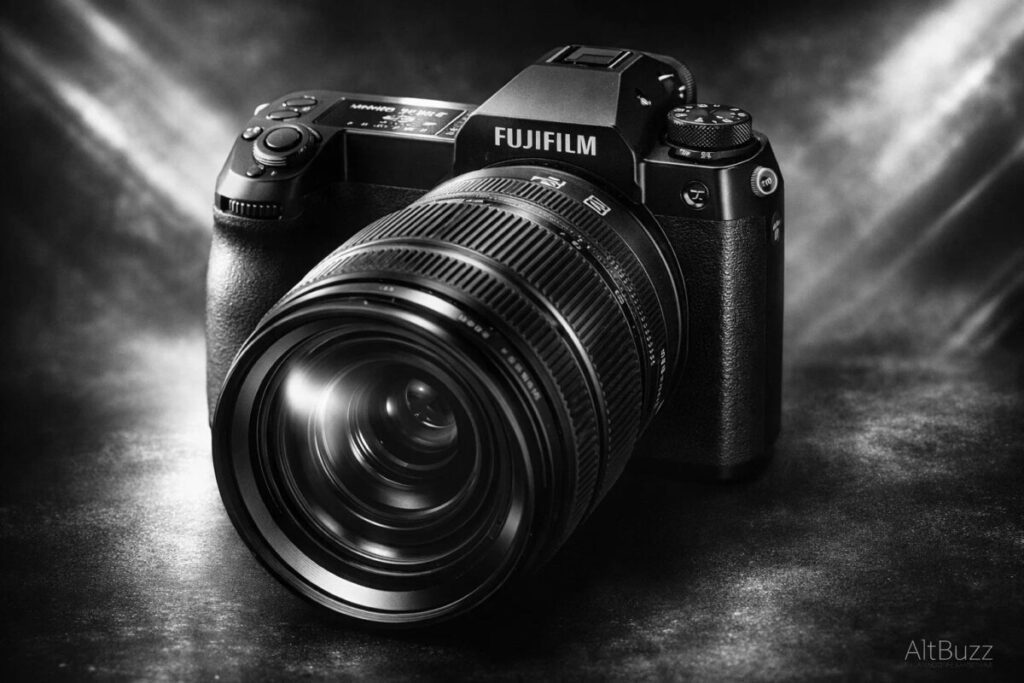
4. Fujifilm GFX 100 II: The Premium Camera for Those Who Demand the Absolute Most
Why It Belongs on the Premium Camera List
The Fujifilm GFX 100 II sits at a different level from every other camera on this list. It is a medium format camera. Its sensor is significantly larger than any full-frame sensor. Its 102-megapixel output captures a level of detail and tonal quality that full-frame cameras cannot replicate. For photographers who work in fashion, advertising, fine art, and luxury commercial photography, this is the camera that clients notice.
It is the most expensive camera on this list. It is also the most capable in terms of raw image quality.
The Medium Format Difference
The Fujifilm GFX 100 II sensor measures 43.8mm by 32.9mm. A standard full-frame sensor measures 36mm by 24mm. The GFX sensor has approximately 70 percent more surface area. This difference in sensor size translates directly into a difference in the quality of light information captured in every frame.
Tonal gradations in portrait images are smoother. Texture rendering in product and still life work is more precise. The three-dimensional quality of images, the sense of depth and presence, is more pronounced and immediate. Fashion art directors, advertising clients, and gallery collectors notice this difference immediately.
Specifications
| Feature | Fujifilm GFX 100 II |
|---|---|
| Sensor | 102MP Medium Format BSI CMOS |
| Sensor Size | 43.8mm x 32.9mm |
| Processor | X-Processor 5 |
| ISO Range | 80 to 12800 (ext. 40 to 102400) |
| Autofocus | Phase-Detect with Subject Recognition |
| Burst Rate | 8fps |
| Video | 8K 30fps, 4K 60fps |
| Stabilization | 8-Stop 5-Axis IBIS |
| Weather Sealing | Yes |
| Battery Life | Approx. 540 Shots |
| Price | USD 7,499 |
Image Quality at 102 Megapixels
Writing about 102-megapixel medium format image quality in purely technical terms does not fully capture the experience. The files from the GFX 100 II are simply extraordinary. Skin tones in portrait work have a depth and naturalness that photographers who switch from full-frame describe almost universally as a revelation. Fine texture rendering in fabric, jewelry, and architectural work is unlike anything achievable with a smaller sensor.
Fujifilm’s Film Simulation modes interact with the larger sensor in ways that produce color rendering with genuine character. Classic Chrome, Velvia, and Acros on the GFX 100 II look different from the same simulations on APS-C Fujifilm bodies. The larger sensor resolves more tonal information and renders the film character with greater richness.
Autofocus and Practical Handling
The GFX 100 II improved Fujifilm’s autofocus significantly compared to the original GFX 100. Subject and face detection now work reliably for portrait and fashion sessions. For landscape, architectural, and product work, the autofocus is more than adequate.
However, this is not a fast-tracking action camera. For sports, wildlife, or any fast-moving subject, the GFX 100 II is the wrong tool. For controlled sessions, commercial shoots, and creative photography where the subject cooperates or is stationary, it is exceptional.
8K Video at Medium Format
8K video from a 102-megapixel medium format sensor is visually breathtaking. The cinematic quality of GFX 100 II video is immediately apparent. For high-end fashion films, luxury brand campaigns, and fine art video work, no other camera produces anything comparable at this price.
Who Should Buy the Fujifilm GFX 100 II
Fashion photographers, advertising photographers, fine art and gallery photographers, luxury product photographers, studio portrait professionals, and high-end commercial cinematographers. This is a specialist tool for specialists who need the absolute maximum in image quality.
5. Leica Q3: The Premium Compact Camera That Stands Alone
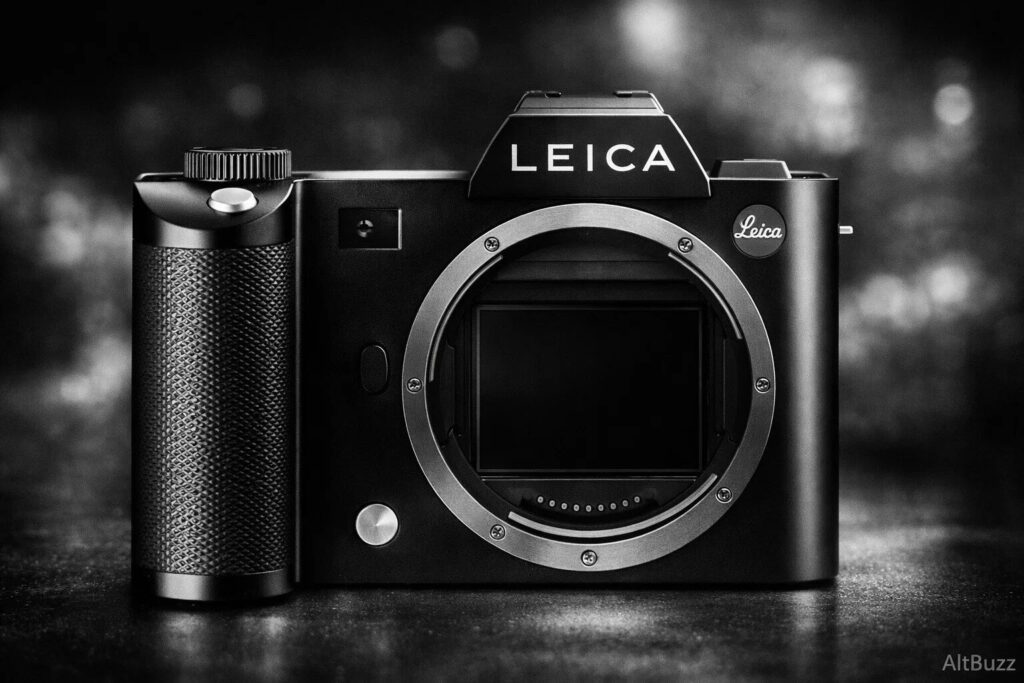
Why It Belongs on the Premium Camera List
The Leica Q3 occupies a category that no other camera on this list touches. It is a compact, fixed-lens camera. It does not accept interchangeable lenses. It does not offer the highest burst rate or the most advanced autofocus system. It will not be chosen by sports photographers or wildlife shooters who need specialized tools.
And yet it belongs on this premium camera list because it delivers something no other camera can offer: the combination of a full-frame 60-megapixel sensor, a hand-crafted Summilux 28mm f/1.7 lens, German engineering of the highest order, and the singular shooting experience that only a Leica provides.
The Leica Philosophy
Leica cameras are not for everyone. They are not designed to be. Leica believes in simplicity, precision, and a deep connection between photographer and subject. The Q3 reflects that philosophy absolutely. There are no unnecessary controls. The interface is clean and deliberate. The camera asks you to be intentional about your photography. In return, it produces images of extraordinary quality.
The Leica Q3 costs nearly six thousand dollars for a camera with a single fixed lens. That price is either absurd or entirely justified, depending entirely on your values as a photographer and what you want from the experience of making images.
Specifications
| Feature | Leica Q3 |
|---|---|
| Sensor | 60MP Full-Frame BSI CMOS |
| Lens | Leica Summilux 28mm f/1.7 ASPH (Fixed) |
| Processor | Maestro IV |
| ISO Range | 50 to 100000 |
| Autofocus | Contrast and Phase-Detect Hybrid |
| Burst Rate | 15fps |
| Video | 8K 30fps, 4K 60fps |
| Stabilization | 7.5-Stop 5-Axis IBIS |
| Weather Sealing | IP52 Certified |
| Battery Life | Approx. 380 Shots |
| Price | USD 5,995 |
The Summilux 28mm Lens
The Leica Summilux 28mm f/1.7 ASPH lens permanently mounted to the Q3 is one of the finest wide-angle lenses ever made for full-frame photography. It is designed and manufactured by Leica’s optical engineers in Germany to the same standards as their finest interchangeable lenses.
The sharpness from the center of the frame to the extreme corners is extraordinary. The f/1.7 maximum aperture allows beautiful background separation even at 28mm, which is usually too wide a focal length for meaningful subject isolation. The rendering character of the lens, particularly the quality of out-of-focus areas, has a distinctive warmth and dimensionality that Leica photographers recognize immediately.
Leica also includes crop mode frames within the camera for 35mm, 50mm, and 75mm equivalent fields of view, using the 60-megapixel sensor’s resolution to allow effective cropping without meaningful quality loss.
Image Quality
The 60-megapixel full-frame sensor combined with the Summilux lens produces image quality that rivals or exceeds many interchangeable lens systems at similar or higher prices. The color rendering is warm and dimensional. Tonal gradations in portrait work are smooth. Dynamic range is strong, with excellent shadow recovery in RAW files.
The camera produces DNG RAW files that respond beautifully in post-processing software. Leica Q3 files from experienced photographers working with appropriate subjects consistently produce images that feel different from those produced by mass-market cameras. That difference is real, and it is part of why photographers who can afford the Q3 choose it over more technically versatile alternatives.
Video
8K video from the Q3 is a welcome addition. The fixed wide-angle lens makes it a natural choice for documentary, street, and travel video work where a 28mm perspective is ideal. The image stabilization produces smooth handheld footage in typical shooting conditions.
The Experience of Using a Leica Q3
Photography is not only about specifications. It is about the experience of making images. The Leica Q3 offers a tactile, focused shooting experience that many photographers describe as freeing. Without the ability to change lenses, you work with what you have. You move your feet. You find your perspective. You commit to the frame.
For photographers who find that other cameras offer too many choices and distractions, the Q3 provides clarity. It is a camera that encourages a particular kind of careful, deliberate photography. And it rewards that approach with images of remarkable quality.
Who Should Buy the Leica Q3
Street photographers, travel photographers, documentary photographers, fine art photographers who appreciate the 28mm perspective, professionals who want a premium compact camera as a personal or secondary body, and photographers who value the Leica experience and heritage as part of why they make photographs.
Choosing the Right Premium Camera: Final Guide
Each camera on this premium list serves a distinct type of photographer. None of them is the wrong choice for the right person.
The Sony A9 III belongs with photographers who need the most technically advanced action imaging system in existence. The Canon EOS R3 belongs with professional sports and news photographers who need absolute reliability in demanding environments. The Nikon Z9 belongs with photographers who want flagship all-round excellence from a camera that proved the mechanical shutter is no longer necessary. The Fujifilm GFX 100 II belongs with photographers who need the absolute maximum in image quality and work primarily in controlled or creative environments. The Leica Q3 belongs with photographers who value precision, simplicity, and a deeply intentional shooting experience over technical versatility.
Every one of these cameras costs more than most people spend on photography equipment in a lifetime. Every one of them justifies that cost through genuine capability that less expensive cameras cannot replicate.
If you have the means and the professional need, investing in a premium camera is one of the most meaningful decisions you can make for your photography. Choose the one that fits your work, your style, and your ambitions. Then go out and create something worthy of the tool in your hands.
Read More from AltBuzz
Read more from Altbuzz for camera reviews, rumors, and detailed specs. AltBuzz delivers trusted and easy-to-understand photography content for professionals and enthusiasts who demand the best.
Subscribe to the AltBuzz YouTube Channel
Follow along with premium camera reviews, professional field tests, and in-depth comparisons. AltBuzz covers the cameras that serious photographers care about most. Subscribe Altbuzz and invest in your photography knowledge today.