
Canon EOS R3 Mark II Rumors: Expected Specs, Features and Release
The Canon EOS R3 Mark II is coming. And the photography world is already losing its mind over it.
This is not just another camera upgrade. This is Canon preparing to fire its most powerful weapon yet at the professional mirrorless market. The Canon EOS R3 Mark II has not been officially announced. However, the leaks are flowing. The whispers from industry insiders are growing louder. The speculation from seasoned camera analysts is reaching fever pitch. Every few weeks, a new detail surfaces. Every new detail raises the excitement even higher.
The original Canon EOS R3 launched in September 2021. It was a game-changer. Sports photographers loved it. Photojournalists swore by it. Wildlife shooters trusted it in the most punishing conditions on the planet. Now Canon is preparing to top itself. The Canon EOS R3 Mark II is expected to take everything that made the first model legendary and push it into a completely different league.
This camera targets a very specific kind of professional. It is built for photographers who shoot the Olympics. Also, it is made for the photographers who chase cheetahs across the Serengeti. It is designed for the press photographers who stand on the sidelines of a Champions League final. These professionals do not tolerate failure. They do not accept average. They demand the absolute best. Canon knows this. That is exactly why the Canon EOS R3 Mark II reportedly arrives with specs that sound almost impossible.
Expected Release Date and Market Position
Let us talk about timing first. Patience is required here.
The Canon EOS R3 Mark II does not yet have a confirmed release date. Canon has stayed completely silent on the subject. That silence is very deliberate. Canon always guards its flagship releases with extraordinary secrecy. However, the rumor community has been doing the detective work. Most credible sources point toward a late 2026 announcement. Some analysts push the timeline slightly further into early 2027.
Think about the original Canon EOS R3 for a moment. It launched in September 2021. Canon has historically given its pro-tier bodies a longer development cycle. The company invests deeply in engineering these cameras. Rushing a flagship product makes no sense for a brand like Canon. Therefore, a five-year gap between the R3 and the R3 Mark II aligns perfectly with Canon’s historical patterns.
Market positioning is equally important to understand. The Canon EOS R3 Mark II will not compete with the R5 or R6. It lives in a completely different universe. This camera sits at the very pinnacle of Canon’s mirrorless system. It aims directly at the Sony A1 III, challenges the Nikon Z9 II. It competes against the absolute elite of professional mirrorless cameras. Naturally, the expected price reflects that elite status. Most leaks suggest a price between $6,000 and $6,500 USD. That sounds steep. For professionals who depend on their gear to earn a living, however, that price is a tool investment. Not a luxury purchase.
Rumored Specifications Table
| Feature | Rumored Details |
|---|---|
| Sensor Type | Full-Frame BSI Stacked CMOS |
| Resolution | 24MP to 30MP |
| Processor | DIGIC X III |
| ISO Range | 100 to 102400 (expandable to 819200) |
| Autofocus System | Eye Control AF 2.0 with Deep AI Subject Detection |
| Stabilization | 8+ stops IBIS |
| Video Recording | 6K RAW, 4K 120p, 8K up to 30p |
| EVF | 9.44M dot OLED |
| LCD Screen | 4.15-inch Fully Articulating Touchscreen |
| Burst Shooting | 40fps Electronic, 20fps Mechanical |
| Battery | LP-E19 with Vertical Grip Integration |
| Storage | Dual CFexpress Type B |
| Connectivity | Wi-Fi 6, Bluetooth 5.2, USB 3.2 Gen 2, Ethernet |
| Weight | Approx. 850g Body Only |
| Expected Price | $6,000 to $6,500 USD |
Canon EOS R3 Mark II Sensor and Image Quality (Rumored)
Here is where things get genuinely interesting. The Canon EOS R3 Mark II is rumored to carry a brand-new full-frame BSI stacked CMOS sensor. This is not a recycled chip from a previous generation. Canon reportedly designs this sensor from the ground up specifically for the Mark II.
Resolution sits between 24MP and 30MP based on current leaks. Some photographers immediately question this number. In a world chasing 45MP, 60MP, and beyond, why does Canon stay restrained? The answer is strategic brilliance. Canon built the original R3 around the philosophy that professional action photographers need speed above resolution. A 24MP file from a stacked sensor with blazing fast readout is infinitely more useful than a 60MP file plagued by rolling shutter and buffer limitations. The Canon EOS R3 Mark II follows exactly the same logic.
Moreover, the BSI stacked architecture changes everything about how this sensor performs. Stacked sensors place the processing circuitry directly behind the imaging layer. This shortens the distance that data must travel. As a direct result, readout speeds become dramatically faster. Rolling shutter becomes almost negligible. This matters enormously when photographing fast-moving athletes or wildlife in full sprint.
Leaks also suggest Canon engineers work extensively on the new sensor’s dynamic range. Sources indicate a meaningful improvement over the original R3. More dynamic range means photographers retain more highlight and shadow detail. Additionally, high ISO performance is reportedly exceptional. Some insiders claim the Mark II produces usable files at ISO 51200. Others push that claim even higher. For indoor sports photographers and photojournalists working under artificial stadium lighting, this kind of low-light capability is transformative.
Furthermore, Canon reportedly develops a completely new color science for the Mark II. The color rendering from the original R3 was already outstanding. The Mark II apparently improves skin tone accuracy and color transitions significantly. Combined with the raw processing power of the rumored DIGIC X III processor, the Canon EOS R3 Mark II could deliver the most lifelike images Canon has ever produced at this resolution class.
Canon EOS R3 Mark II Autofocus System (Rumored)
Stop everything. This section demands full attention.
The Canon EOS R3 Mark II autofocus system is shaping up to be genuinely historic. Canon does not take autofocus lightly at this level. Every generation brings meaningful advances. The Mark II appears to bring revolutionary ones.
Eye Control AF was the defining feature of the original Canon EOS R3. Photographers move their eye to look at a subject. The camera detects where their eye is pointing. It locks focus on that exact spot. The concept sounds simple. The execution was remarkable. The Canon EOS R3 Mark II reportedly delivers Eye Control AF 2.0. Canon engineers apparently rebuild the entire system from scratch. The new version is faster to calibrate. It responds more accurately to subtle eye movements. It works reliably even with glasses. These improvements address every complaint photographers raised about the first generation system.
Beyond Eye Control, the deep learning AI subject detection is equally exciting. Canon reportedly trains the Mark II system on a significantly expanded subject library. The original R3 handled humans, animals, and vehicles. The Mark II reportedly adds specialized tracking for small birds in complex foliage. It adds motorsport vehicles at extreme speeds. It handles athletes in team sports where multiple subjects overlap constantly. Canon’s engineers apparently use millions of training images to build this expanded capability.
Additionally, the dual pixel CMOS AF III system delivers phase detection across the entire sensor frame. No more hunting. No more edge-of-frame focus misses. Every pixel on the sensor participates in the autofocus calculation. Furthermore, low-light autofocus sensitivity is expected to reach minus six EV. That is near-total darkness territory. The Canon EOS R3 Mark II can apparently lock focus where the human eye can barely see anything at all.
Tracking consistency is another rumored strength. Canon reportedly redesigns the predictive tracking algorithm. The system anticipates subject movement rather than simply reacting to it. For bird photographers shooting a peregrine falcon in a full hunting dive, this predictive capability is the difference between a sharp shot and a blurred miss. Overall, the Canon EOS R3 Mark II autofocus system looks absolutely extraordinary based on current leaks.
Canon EOS R3 Mark II Video Capabilities (Expected)
The Canon EOS R3 Mark II is not just a stills camera. Not even close.
Canon appears to position the Mark II as a genuine cinema-grade hybrid. The video specifications leaked so far are staggering. Sources suggest internal 6K RAW recording comes standard. This was previously the territory of dedicated cinema cameras costing three or four times as much. The Canon EOS R3 Mark II reportedly brings 6K RAW directly to a professional mirrorless body.
Furthermore, 4K recording at 120 frames per second is strongly expected. Slow motion at this resolution opens extraordinary creative possibilities. Sports highlight reels, wildlife behavioral footage, and high-end commercial work all benefit dramatically from 4K 120p capability. Some sources push the rumor further and suggest 8K video at up to 30 frames per second is also included.
Heat management receives major attention in the Mark II. The original R3 handled heat reasonably well. However, sustained video recording always placed a ceiling on continuous capture. Canon reportedly addresses this directly with a redesigned internal cooling architecture. Some leakers mention a passive heat dissipation system significantly more efficient than the first generation. Consequently, videographers can expect much longer continuous recording windows without thermal shutdown.
Canon Cinema RAW Light format support is also expected. This format balances file quality with manageable file sizes. It gives video editors tremendous flexibility in post-production. Additionally, 10-bit 4:2:2 color recording is expected across all major video formats. For colorists working on high-end productions, 4:2:2 color sampling provides exceptional grading latitude.
Timecode synchronization is strongly rumored for multi-camera productions. Waveform and vectorscope display are also expected directly in the camera. The Canon EOS R3 Mark II clearly aims to serve professional video operators as seriously as it serves stills photographers.
Canon EOS R3 Mark II Design and Build (Expected)
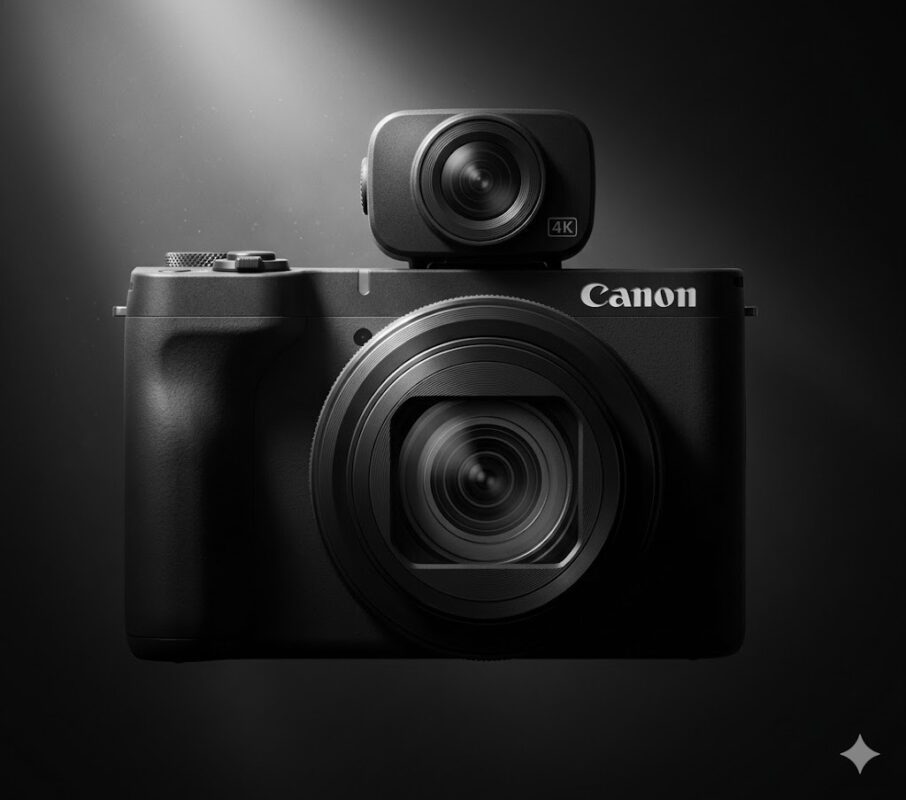
Professional photographers are demanding people. Their cameras must survive conditions that would destroy ordinary equipment.
The Canon EOS R3 Mark II design reportedly stays true to its predecessor’s philosophy. The integrated vertical grip remains. This is not negotiable for many professional photographers. Sports and wildlife shooters often spend hours with the camera in portrait orientation. A built-in grip eliminates adapter bulk and maintains perfect balance with large telephoto lenses.
The body material is expected to be premium magnesium alloy throughout. Canon reportedly adds reinforcements at key stress points based on feedback from professional users of the original R3. Weather sealing reaches professional level protection against dust, moisture, and extreme temperatures. Canon tests these cameras in genuinely brutal environmental conditions. Field photographers working in monsoon rain or sub-zero mountain environments can trust this level of sealing completely.
Ergonomics receive careful attention in the Mark II. Canon reportedly refines the grip shape based on extensive feedback from working professionals. The thumb rest is reportedly repositioned slightly for better natural hand alignment. Button placement stays largely familiar to existing R3 users. Canon understands that muscle memory matters enormously to working professionals. Radical redesigns create relearning time. Refined evolution serves professionals far better.
The EVF is rumored to be an upgraded 9.44M dot OLED panel. This represents a dramatic improvement over the original R3’s already impressive viewfinder. OLED technology delivers perfect blacks, extraordinary color accuracy, and zero motion blur during fast subject tracking. For a sports photographer tracking a sprinter through the EVF, this clarity is essential.
The rear LCD is expected to measure 4.15 inches with full articulation and touchscreen capability. This larger display helps video operators monitoring exposure and framing. Touch-to-focus capability through the LCD is also expected. Additionally, improved anti-reflective coating makes the display more usable in direct sunlight. The Canon EOS R3 Mark II design builds on perfection and makes it even better.
Canon EOS R3 Mark II Battery and Connectivity (Rumored)
Professional photographers cannot afford dead batteries mid-assignment. Canon takes this absolutely seriously at the R3 level.
The Canon EOS R3 Mark II is expected to use the legendary LP-E19 battery. This is the same high-capacity battery that powers Canon’s flagship EOS-1D X series. The LP-E19 is simply enormous compared to the LP-E6NH used in lower-tier Canon bodies. Leaks suggest the Mark II delivers approximately 1,000 shots per charge under standard shooting conditions. Heavy burst shooting and video use will reduce this figure. However, 1,000 shots represents a full and demanding professional shooting day.
USB Power Delivery charging is also expected. Photographers can therefore top up the battery from a power bank between shooting sessions. Furthermore, dual battery configuration with an optional booster grip is rumored. This would theoretically push endurance to near-unlimited levels for marathon shooting assignments like 24-hour motorsport events.
Connectivity is equally professional in scope. Canon reportedly includes Wi-Fi 6 for fast wireless image transfer. The built-in Ethernet port is perhaps the most important connectivity feature for working photojournalists. Direct FTP file transfer over Ethernet allows photographers to send images from the camera to a remote editor within seconds of capture. For breaking news coverage, this capability is invaluable.
Bluetooth 5.2 enables seamless pairing with smartphones for remote control and basic image transfer. USB 3.2 Gen 2 delivers fast wired data transfer to external storage. Canon also reportedly builds compatibility with professional wireless media systems used in stadium and arena broadcasting environments. The Canon EOS R3 Mark II connectivity ecosystem looks built for the fastest and most demanding professional workflows on earth.
Real-World Use Cases
Understanding where the Canon EOS R3 Mark II truly excels helps professionals evaluate its fit.
Olympic and Elite Sports Photography: The 40fps burst speed combined with Eye Control AF 2.0 and predictive subject tracking makes this camera a dream tool for peak-action freezing at professional sporting events. No other combination of features serves elite sports photography better.
Conflict and Breaking News Photojournalism: Fast file transfer via Ethernet, extreme weather sealing, and reliable autofocus in low ambient light conditions make the Canon EOS R3 Mark II a trustworthy partner in the most unpredictable and challenging journalism environments.
Professional Wildlife Photography: Expanded subject recognition for birds and animals in complex environments gives wildlife photographers the autofocus accuracy needed for decisive-moment captures. Additionally, the high ISO capability handles low-light dawn and dusk shooting superbly.
High-End Commercial Photography: Dynamic range improvements and advanced color science deliver files with extraordinary post-production latitude. Studio photographers and commercial clients benefit equally from this image quality ceiling.
Cinema and Broadcast Video: 6K RAW internal recording, 4K 120p, and Cinema RAW Light support make the Canon EOS R3 Mark II a legitimate B-camera or even A-camera option for high-end video productions.
Wedding Photography: Reliable autofocus in dark ceremony venues, fast burst capability for key moments, and outstanding high-ISO performance make the Mark II an exceptional choice for demanding wedding photographers.
Pros and Cons Based on Rumors
Pros:
- Extraordinary 40fps electronic burst shooting
- Groundbreaking Eye Control AF 2.0 system with deep AI tracking
- Exceptional expected low-light performance up to ultra-high ISO values
- 6K RAW internal video recording
- Professional-grade weather and environmental sealing
- Integrated vertical grip for professional ergonomics
- Built-in Ethernet for professional FTP file transfer workflows
- Expanded AI subject recognition across more categories
- Rumored 8K video capability at up to 30fps
- LP-E19 battery for all-day professional endurance
Cons:
- Expected price of $6,000 to $6,500 USD places it out of reach for many photographers
- Moderate 24MP to 30MP resolution disappoints landscape and studio photographers who prioritize pixel count
- Large integrated body size makes it impractical for travel or casual photography
- All specifications remain unverified rumors until Canon officially announces the camera
- Release timeline extending into 2027 demands considerable patience from eager photographers
- Heavy body weight of approximately 850 grams creates fatigue during very long hand-held shooting sessions
Final Thoughts
The Canon EOS R3 Mark II represents Canon’s clearest statement of professional intent.
Everything about this camera, based on current leaks and rumors, says that Canon understands exactly what professional photographers need. Speed matters. Reliability matters. Autofocus precision matters. Image quality in the worst light conditions on earth matters. The Canon EOS R3 Mark II appears to deliver on every single one of these fronts simultaneously.
This is not a camera for hobbyists browsing camera shops on weekends. This is a precision instrument designed for photographers who depend on their gear in the most demanding and highest-stakes shooting environments imaginable. The price reflects that. The specifications reflect that. The entire design philosophy reflects that.
Yes, the resolution sits below what some might expect at this price point. But professionals who have used the original R3 understand why Canon makes that choice. Speed and reliability at moderate resolution beats high resolution with compromised performance every single time in the field.
The Canon EOS R3 Mark II is coming. It is going to be remarkable. Start saving now.
Read More from AltBuzz
Read more from Altbuzz for camera reviews, rumors, and detailed specs. AltBuzz delivers trusted and easy-to-understand photography content.
Subscribe AltBuzz YouTube Channel
Stay updated with camera reviews, rumors, and comparisons. Subscribe Altbuzz shares regular camera content every week.