
DJI Ronin 4D 8K II: Everything We Know About the Rumored Cinema Camera
Filmmakers rarely stay patient for five years. Right now, thousands of them are doing exactly that. They keep waiting for one camera. That camera is the DJI Ronin 4D 8K II.
The original Ronin 4D changed how solo filmmakers and small crews approach stabilized cinema footage. It merged a full-frame cinema sensor, a four-axis gimbal, and LiDAR autofocus into a single body. No other manufacturer had tried anything quite like it. Five years later, DJI still has not announced a true successor, and the filmmaking community has started asking louder and louder questions.
This guide breaks down everything currently known, guessed, and hoped about the DJI Ronin 4D 8K II. You will get the full backstory on the original 4D platform. You will get rumored specs pulled from community wishlists and industry patterns. You will also get pricing chatter, a full comparison against the current Ronin 4D 8K, and a look at how this camera would need to compete against real rivals like the Canon C400 and Sony Burano. Nothing here comes confirmed by DJI. But the demand behind this rumor keeps growing every month.
Grab a coffee. This one covers a lot of ground.
A Short History of the DJI Ronin 4D Platform
Understanding the Ronin 4D 8K II rumor means understanding where this whole platform came from.
DJI built its reputation on drones first. The company then expanded into gimbals and handheld stabilizers through the Ronin lineup. Filmmakers loved DJI’s stabilization technology, but they still had to bolt a separate cinema camera onto every rig. That extra step added weight, cost, and setup time to every shoot.
DJI changed that formula in October 2021. The company announced the Ronin 4D, the first camera to combine a four-axis gimbal directly with a full-frame cinema sensor in one integrated body. Most gimbals stabilize three axes. DJI added a fourth axis specifically to cancel out the vertical bounce that happens naturally when an operator walks. That single addition let solo shooters capture footage that once required a full Steadicam operator and a second crew member.
The camera launched in two sensor configurations. The Ronin 4D 6K shipped first, built around the Zenmuse X9-6K camera module. DJI always planned an 8K version too, built around the Zenmuse X9-8K module, but that version did not actually ship until December 2023, more than two years after DJI first announced it. The delay became something of a running joke inside filmmaking forums, yet DJI eventually delivered a genuinely capable camera once it arrived.
The Ronin 4D quickly found real work on real productions. Crews used it on major projects, including high-profile film and television productions that needed smooth, dynamic camera movement without a full grip and electric department. That track record built serious credibility for a camera platform that started as a genuinely unusual idea.
DJI then made a surprising move in April 2025. The company slashed the price of the Ronin 4D 6K by 1,800 dollars, dropping it to 4,999 dollars. DJI also cut the price of the ProRes RAW license from 979 dollars down to just 1 dollar. That combination effectively made RAW recording almost free for new buyers. Many filmmakers read this move as inventory clearing ahead of a new announcement. NAB 2026 came and went without that announcement ever arriving.
That gap has never closed. Filmmakers keep asking DJI publicly when a true second-generation 4D might appear. DJI has not confirmed any such project. Yet the question keeps returning, which tells you exactly how much this camera platform still matters to working filmmakers.
What Exactly Is the DJI Ronin 4D 8K II?
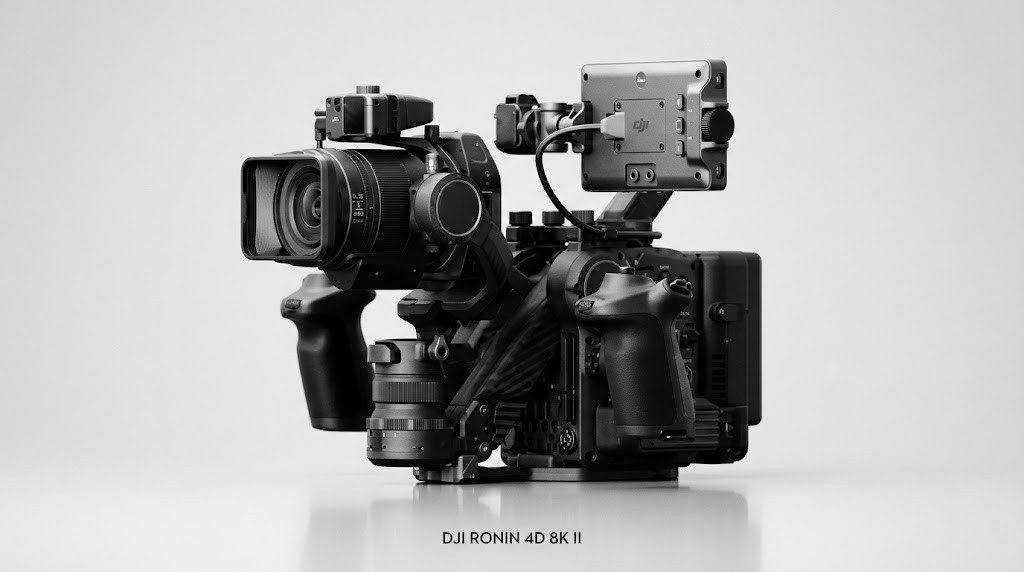
The DJI Ronin 4D 8K II describes a rumored second-generation successor to the current Ronin 4D 8K. The original platform remains one of the most genuinely innovative cinema cameras released in the past decade. DJI built it around a simple idea. Combine a cinema sensor with active four-axis stabilization and remove the need for a separate gimbal rig entirely.
Filmmakers have requested a true successor for years now. Recent community polls run by respected filmmaking outlets show strong demand for exactly this camera. When asked what they wanted most from a next-generation 4D, the largest group of respondents specifically asked for a direct Mark II successor, ahead of alternate ideas like a lighter travel body or a modular add-on unit. The name Ronin 4D 8K II has become informal shorthand across enthusiast and professional circles for this dream upgrade.
DJI has already proven it understands this specific market segment. The original 4D created real demand where none existed before, and competitors still have not released a direct copycat five years later. That gap gives DJI a genuine first-mover advantage it has not fully capitalized on yet, which adds real weight to the idea that a second generation model sits somewhere on the roadmap.
Why Filmmakers Keep Talking About the Ronin 4D 8K II
Stabilized, all-in-one cinema cameras solve a real production problem. Traditional cinema rigs require a camera body, a separate gimbal, a focus puller, and often a dedicated stabilizer operator. That setup costs money and takes time to build for every single shot. The original Ronin 4D collapsed most of that workflow into one integrated system that a single operator can run confidently.
The Ronin 4D 8K II rumor taps directly into that same appeal while promising real fixes to the current model’s known weaknesses. Independent filmmakers and small production companies have used the original 4D on genuine professional projects for years now, and their feedback has become remarkably consistent. They want stronger lens support for heavier glass. They want reduced operator fatigue during long handheld sessions. They want more reliable autofocus, ideally paired with face detection. They want faster, more flexible storage options.
A refreshed 4D that addresses these specific points would land perfectly with an audience that already trusts the platform. This is not a rumor built on hype for an entirely new idea. It is a rumor built on real users asking for a mature, refined version of a camera they already rely on.
DJI Ronin 4D 8K II Rumored Specifications in Detail
No official spec sheet exists yet. However, patterns from DJI’s release history, combined with detailed community feedback collected through recent filmmaker polls, point toward a reasonable outline. Treat every point below as informed speculation rather than confirmed fact.
Sensor
The current Ronin 4D 8K uses the Zenmuse X9-8K module, a full-frame sensor capable of 8K recording at up to 60fps, or 75fps in a cropped aspect ratio. Most speculation expects the Ronin 4D 8K II to retain a full-frame 8K sensor while improving dynamic range and low light sensitivity through a newer sensor design. DJI would likely keep the dual native ISO approach that already earns strong praise on the current model.
Lens Support
This ranks among the most requested fixes across filmmaker feedback. The current 4D struggles with heavier and longer lenses, since the gimbal motors need to counterbalance additional weight and length in real time. A second-generation model would likely ship with stronger gimbal motors specifically built to handle heavier cinema glass without sacrificing stabilization quality.
Autofocus and LiDAR
The original LiDAR Range Finder system remains one of the 4D’s signature features, offering autofocus even on fully manual lenses. Filmmakers consistently request more reliable tracking performance, especially paired with proper face and eye detection. Expect the Ronin 4D 8K II to pair its existing LiDAR hardware with a more advanced subject recognition algorithm, likely borrowed from DJI’s drone and Osmo camera lineups where face tracking already performs well.
Storage
The current 4D relies on DJI’s proprietary PROSSD storage system. Community feedback specifically calls for CFexpress Type B support, which would let filmmakers use industry-standard cards already common across the cinema camera world. Adding CFexpress compatibility alongside or instead of proprietary storage would meaningfully improve workflow flexibility for working crews.
Weight and Ergonomics
Operator fatigue shows up repeatedly in filmmaker feedback about the current model. A four-axis gimbal system inherently carries more weight and bulk than a standard camera body. Expect DJI to focus real engineering effort on reducing weight and improving grip ergonomics for long handheld sessions, possibly through a lighter body shell or a redesigned battery configuration.
Video Specifications
Expect the Ronin 4D 8K II to retain full-frame 8K recording at 60fps as a baseline, while pushing higher frame rate options in cropped or Super 35 modes. ProRes RAW support would almost certainly continue given DJI’s recent move to make that license nearly free. A refreshed CineCore processing chipset would likely handle these higher data rates more efficiently than the current generation.
Built-In ND Filters
The current model already includes nine stops of built-in mechanical ND filtering, a feature filmmakers genuinely appreciate. Expect this feature to carry over directly, since it already works well and removes the need for external filter kits on most shoots.
Lens Mount Compatibility
The current Ronin 4D supports DJI’s own DL mount alongside third-party options including Leica M, with adapter support for other systems. A second-generation model would likely keep this same flexible approach, possibly expanding official adapter support for popular cinema mounts like PL and RF.
Price Point
Pricing remains one of the more uncertain rumored specs. The current 8K combo sells for over 12,000 dollars, while the 6K version now starts around 4,999 dollars after DJI’s 2025 price cut. A second-generation model would likely launch above that discounted 6K price point but could land anywhere depending on which sensor configuration ships first.
Where These Rumors Actually Come From
Unlike many flagship camera rumors built purely on patent filings, much of the Ronin 4D 8K II speculation comes from DJI’s own pricing behavior combined with sustained community demand. The dramatic April 2025 price cut on the existing 6K model reads to many industry watchers as inventory clearing ahead of a new announcement, a pattern DJI and other manufacturers have used before.
Respected filmmaking publications have also run detailed community polls asking working filmmakers exactly what they want from a next-generation 4D. These polls draw genuine engagement from actual owners and users of the current platform, which gives the resulting wishlist real credibility compared to speculation built purely on rumor forums.
DJI’s broader product cadence adds another layer of context. The company continues actively developing its Ronin gimbal line for standard cameras, alongside regular updates across its Osmo Action and Pocket camera lines. That continued investment in stabilization technology suggests DJI has not abandoned the underlying 4D concept, even without a direct successor announcement yet.
DJI Ronin 4D 8K II vs Ronin 4D 8K: What Would Change?
The original Ronin 4D 8K earned its reputation by proving that a single operator could achieve dolly-smooth footage without a full stabilization crew. It paired genuinely impressive image quality with real limitations around lens support, weight, and storage flexibility.
A Ronin 4D 8K II needs to preserve everything that already works while directly addressing those specific pain points. Here is how the two compare on paper.
| Feature | DJI Ronin 4D 8K | DJI Ronin 4D 8K II (Rumored) |
|---|---|---|
| Sensor | Full-frame, 8K up to 60fps | Full-frame 8K, improved dynamic range (rumored) |
| Autofocus | LiDAR Range Finder | LiDAR plus improved face and eye tracking (rumored) |
| Storage | Proprietary PROSSD | CFexpress Type B support added (rumored) |
| Heavy Lens Support | Limited with longer glass | Stronger gimbal motors expected (rumored) |
| ND Filters | 9 stops built-in | Likely retained |
| Weight | Notable operator fatigue reported | Reduced weight targeted (rumored) |
| Launch Price | Around 12,838 dollars (8K combo) | Uncertain, likely tiered by sensor option |
The rumored changes focus heavily on refinement rather than reinvention. Filmmakers do not want DJI to abandon what already works. They want the rough edges smoothed out.
DJI Ronin 4D 8K II vs Cinema Camera Rivals
DJI does not compete in a vacuum here. Canon’s C400 and Sony’s Burano both compete for similar productions that value full-frame image quality paired with strong autofocus and flexible mount options. Neither camera integrates a four-axis stabilized gimbal directly into the body the way the Ronin 4D does, which remains DJI’s clearest differentiator in this entire category.
The Canon C400 brings a full-frame 6K sensor, triple base ISO, and Canon’s well-regarded Dual Pixel autofocus system into a compact body built for RF mount lenses. It has earned real trust as a documentary and narrative B-camera specifically because of its reliable autofocus performance, an area where the current Ronin 4D still draws some criticism from users.
Sony’s Burano competes at a similar tier, bringing Sony’s cinema color science and lens ecosystem into a body aimed at high-end production work. Both rivals rely on traditional gimbal rigs when operators need stabilized movement, which adds cost and complexity that the Ronin 4D avoids entirely by design.
A Ronin 4D 8K II does not need to beat these rivals on autofocus sophistication alone. It needs to close that gap meaningfully while keeping its single biggest advantage fully intact: genuinely stabilized, dolly-smooth footage without a separate gimbal operator on set.
What DJI Needs to Get Right
A rumor only becomes a worthwhile product when the execution actually matches real demand. Here is what DJI needs to prioritize if the Ronin 4D 8K II ever reaches production sets.
Fix Heavy Lens Support
Cinematographers want the freedom to mount serious cinema glass without fighting the gimbal’s stabilization limits. Stronger motors and better weight distribution would directly address the most common complaint from current owners.
Improve Autofocus Reliability
LiDAR focusing already impressed reviewers back in 2021, but five years of competitor progress has raised the bar significantly. Pairing the existing LiDAR hardware with modern face and eye tracking would keep the Ronin 4D 8K II competitive against rivals with genuinely strong autofocus systems.
Add Standard Storage Options
Proprietary storage locks buyers into DJI’s own ecosystem and limits workflow flexibility on set. Adding CFexpress Type B support would remove a real friction point for working crews who already carry these cards for other cameras.
Reduce Operator Fatigue
A four-axis gimbal system will always weigh more than a standard cinema body. Even modest weight reduction and improved grip ergonomics would meaningfully extend how long an operator can comfortably run the camera during long handheld sessions.
Keep Pricing Competitive
The original Ronin 4D earned attention partly because it offered genuinely unique capability at a price well below comparable cinema rigs once you factor in the gimbal cost savings. DJI should resist pushing a second-generation model into territory that erases that value advantage.
Rumored Release Date and Price
Nothing official exists yet regarding timing. NAB 2026 came and went without any Ronin 4D announcement, despite widespread speculation heading into the show. Some industry watchers now expect a possible reveal around NAB 2027 or a standalone DJI event later in the year, though this remains pure speculation without any confirmed signal from DJI.
Price speculation stays fairly wide given the uncertainty around which sensor configurations DJI might launch first. Given the current 6K model’s discounted 4,999 dollar price point and the 8K combo’s position above 12,000 dollars, a second-generation model would likely launch somewhere across that same broad range depending on configuration, possibly with a lower entry price to match DJI’s recent pricing strategy shift.
Treat every date and price figure mentioned here as speculation only. DJI has not confirmed a name, a spec sheet, or a launch window of any kind.
Should You Wait for the DJI Ronin 4D 8K II?
This question depends heavily on your current production needs and how soon you need new gear on set.
If you have paying work lined up now, the existing Ronin 4D 8K already delivers genuinely impressive results for solo and small-crew productions. Waiting on an unconfirmed rumor makes little sense when real deadlines exist.
Filmmakers specifically frustrated by the current model’s lens weight limits, autofocus reliability, or proprietary storage have a reasonable case for waiting, assuming DJI does eventually ship a true second-generation model. Just remember that five years have already passed without an announcement, and DJI has given no confirmed timeline for when that might change.
Consider your budget too. The recent price cut on the 6K model already makes the current platform far more accessible than it once was. Buyers chasing genuine value today should strongly consider the existing camera rather than waiting indefinitely for a rumored refresh.
Potential Pros and Cons of the Ronin 4D 8K II
Every rumored camera carries both promise and real risk. Weighing both sides helps set realistic expectations before DJI says anything official.
Potential strengths:
- Stronger lens support would open up serious cinema glass that the current model struggles to stabilize properly
- Improved autofocus with face and eye tracking would close a real gap against rivals like the Canon C400
- Standard CFexpress storage would remove a genuine workflow friction point for working crews
- DJI’s proven track record with the original 4D reduces the risk of a fundamentally flawed second attempt
Potential weaknesses:
- Five years without an announcement raises real questions about whether DJI still prioritizes this platform
- A crowded high-end cinema camera market means the 4D II needs a clearly differentiated identity
- Rivals like Canon and Sony have not stood still, and the autofocus gap may prove difficult to fully close
- DJI may choose to focus resources on its drone and consumer camera lines instead of a niche cinema product
None of these points confirm or deny anything specific about the Ronin 4D 8K II. They simply reflect patterns seen across the camera industry whenever a genuinely innovative product goes years without a direct successor.
How Community Demand Has Shaped This Rumor
Working filmmakers have driven nearly all of the current Ronin 4D 8K II conversation. Respected industry publications have run detailed polls asking actual owners and users what they want from a next-generation model, and the response volume itself surprised many observers given how niche this camera remains compared to mainstream mirrorless bodies.
The specificity of that feedback matters enormously here. Respondents did not simply ask for vague improvements. They named exact pain points, including heavier lens support, reduced operator fatigue, more reliable autofocus with face detection, and CFexpress Type B storage. That level of detail suggests genuine hands-on frustration rather than speculative wishlist thinking from people who have never actually used the camera.
High-profile productions that have already used the original Ronin 4D add real credibility to this demand too. Crews on major film and television projects have proven the platform works for serious professional work, which raises the stakes considerably for what a second-generation model needs to deliver.
Why This Rumor Matters, Even for a Niche Cinema Camera
Flagship consumer camera rumors get most of the online attention, but niche professional cinema rumors like this one matter enormously to the working filmmakers who actually rely on this gear daily. The Ronin 4D created an entirely new camera category five years ago, and competitors still have not released a direct copycat.
A genuine Ronin 4D 8K II launch would pressure Canon, Sony, and other cinema camera makers to take integrated stabilization more seriously as a core feature rather than an afterthought handled by separate gimbal purchases. That pressure benefits filmmakers across every brand, not just DJI’s existing customer base.
Frequently Asked Questions
Is the DJI Ronin 4D 8K II a real, confirmed camera? No. The DJI Ronin 4D 8K II remains unconfirmed by DJI. It exists as a demand-driven rumor based on the aging original 4D platform and extensive filmmaker feedback.
What camera would the Ronin 4D 8K II replace? The rumor centers on the current DJI Ronin 4D 8K, a full-frame cinema camera with an integrated four-axis stabilized gimbal, first announced in 2021 and released in its 8K configuration in December 2023.
When will the DJI Ronin 4D 8K II release? No official date exists. NAB 2026 passed without an announcement. Some speculation points toward NAB 2027 or a standalone DJI event, though nothing is confirmed.
How much will the DJI Ronin 4D 8K II cost? No official price exists. Given current pricing on the existing 6K and 8K models, a second-generation camera would likely launch somewhere between 5,000 and 13,000 dollars depending on configuration.
Will the DJI Ronin 4D 8K II fix the current model’s lens weight limits? Rumors suggest yes, based on strong and specific community demand for stronger gimbal motors capable of handling heavier cinema glass.
Does the current Ronin 4D support autofocus? Yes. The existing model uses a LiDAR Range Finder system that provides autofocus even on fully manual lenses, though users consistently request more reliable tracking and face detection.
Will the DJI Ronin 4D 8K II compete with the Canon C400 and Sony Burano? Yes, though the Ronin 4D’s integrated four-axis gimbal remains its clearest differentiator against both rivals, which rely on separate gimbal rigs for stabilized movement.
Where can I follow updates on the DJI Ronin 4D 8K II? Enthusiast filmmaking outlets, industry publications, and YouTube channels like Alt Buzz track leaks, pricing moves, and community polls as they develop.
Should I buy the current Ronin 4D 8K while I wait? That depends on your production timeline. The existing camera already delivers strong professional results today, and nothing about a second-generation model carries any confirmed release date.
Does DJI still support the original Ronin 4D platform? Yes. DJI continues offering the 6K and 8K versions for sale, alongside accessories like the Ronin 4D Flex extension system, suggesting the platform remains active even without a confirmed successor.
Final Thoughts
The DJI Ronin 4D 8K II remains a rumor, not a promise. But the pieces line up in a genuinely compelling way. DJI already proved the four-axis integrated gimbal concept works on real professional productions. Filmmakers already know exactly what they want fixed. Competitors still have not matched what the original platform accomplishes.
Whether DJI eventually ships a camera called the Ronin 4D 8K II, or something wearing a different name entirely, the demand signal stays remarkably clear. Working filmmakers want the same stabilized, all-in-one workflow they already trust, refined with better lens support, smarter autofocus, and more flexible storage. DJI built the category once already. Smart money says the company wants to define it again.
Bookmark this page and check back often. Cinema camera announcements often arrive without much warning, sometimes timed around major industry events like NAB or IBC. Following along now means you will not miss the moment DJI finally breaks its silence on a true Ronin 4D successor.
Want more cinema camera coverage like this? Visit Alt Buzz for the latest camera reviews, rumor roundups, and buying guides covering every major brand.
Prefer video breakdowns instead of reading? Subscribe to the Alt Buzz YouTube channel for hands-on camera coverage, rumor discussions, and gear comparisons published every week.