
Best Cameras to Buy in 2027: 10 Top Picks Ranked by Real Value
Choosing the best cameras to buy in 2027 is not about the biggest sensor or the longest spec sheet. Some of the smartest buys cost under $1,000. Meanwhile, several expensive flagships give most photographers power they will never use. So we ranked ten cameras that justify their price. The winner is not the most powerful camera here. It is the one we would recommend to the most people.
This guide comes from the Altbuzz team. We rank cameras by what they are worth to you. We explain the money instead of reciting specs. Prices below are approximate and change with promotions, so always check the current price at an official store or a major retailer such as B&H Photo before you buy.
How We Ranked the Best Cameras to Buy in 2027
Our last video and article showed how camera money goes wrong. Buyers pick old hardware, dead systems and scarcity-priced bodies. This list runs the opposite test. Each camera here matches its price, its lens system and its buyer. Therefore, you can stop searching once you find your match.
The Four Questions Behind Every Pick
We asked the same four questions about every camera:
- Is the hardware current, or does it only look cheap because it is old?
- Does the lens mount have a healthy future?
- Does the price match what the buyer will actually use?
- Does the camera leave the buyer with a reason to regret the purchase?
A camera that passes all four earns a slot. In short, this is a ranking of buying confidence, not raw power.
Quick Picks: Best Cameras to Buy in 2027 at a Glance
| Rank | Camera | Approx. price | Best for |
|---|---|---|---|
| 10 | Canon EOS R50 | $700 | Beginners and family photos |
| 9 | Fujifilm X-M5 | $899 | Compact creator video |
| 8 | Nikon Z50 II | $957 | Traditional APS-C starter |
| 7 | Ricoh GR IV | $1,597 | Street and everyday carry |
| 6 | Sony a6700 | $1,498 | High-end APS-C hybrid |
| 5 | Nikon Z5 II | $1,597 | Full-frame stills value |
| 4 | Panasonic Lumix S5II | $1,598 | Full-frame hybrid and video value |
| 3 | Canon EOS R6 Mark III | $2,799 | Enthusiasts and professionals |
| 2 | Nikon Z8 | Low $3,000s | Stacked-sensor value |
| 1 | Sony A7 V | $2,898 | Best overall for most serious buyers |
10. Canon EOS R50: The Cheapest Way Into a Healthy System

The Canon EOS R50 opens the list because it settles an argument early. Among the best cameras to buy in 2027, “best” does not have to mean expensive. For roughly $700, depending on the promotion, the R50 puts a beginner into a current system instead of a dead end. That matters more than it sounds.
Why the Canon EOS R50 Makes the Cut
The EOS M mount is not where Canon builds its future anymore. Buying into it today means buying into the past. The R50 uses the RF mount, which Canon actively develops. As a result, a first-time buyer gets lenses and upgrades that will stay available for years.
Inside, you find a 24.2MP APS-C sensor, the DIGIC X processor and Dual Pixel CMOS AF II. In plain words, the autofocus belongs to the current generation. A beginner cannot see that on a spec sheet. However, they notice it within a week. The camera also records oversampled 4K30 video. Its body is small enough to disappear into a travel bag.
Who Should Buy It
This camera suits family photos, holidays and anyone ready to leave a phone behind. It also suits people who want room to grow. You can add better RF lenses later, and you can upgrade the body without changing systems.
Where the Canon EOS R50 Falls Short
The compromises are honest ones:
- There is no in-body image stabilization (IBIS).
- The controls are small.
- The battery is small.
- The RF-S lens range still trails some rivals.
At a higher price, those flaws would sink it. At this price, they are fair trades. A beginner gets the part that is hardest to fix later, which is a healthy system. The R50 is not the cheapest camera that exists. Still, it is one of the cheapest we would confidently tell a beginner to build around.
Canon EOS R50 Key Specs
| Feature | Detail |
|---|---|
| Sensor | 24.2MP APS-C |
| Processor | DIGIC X |
| Autofocus | Dual Pixel CMOS AF II |
| Video | Oversampled 4K30 |
| Mount | Canon RF (RF-S lenses) |
| Stabilization | None in body |
| Approx. price | $700 |
Canon EOS R50 Pros and Cons
Pros:
- Current RF mount with an active future
- Modern autofocus that helps beginners nail focus
- Small and light enough to carry everywhere
- Low entry price
Cons:
- No IBIS
- Small controls and a small battery
- Fewer RF-S lens choices than some rivals
Why the RF Mount Matters More Than the Body
Most beginners compare bodies. Experienced shooters compare systems. A body lasts a few years, but lenses can last a decade or more. Therefore, the mount you choose shapes every purchase after this one.
The EOS M line looks tempting on a clearance shelf. However, a cheap body on a fading mount costs more in the long run. You will eventually rebuy lenses or stay stuck with a small selection. The R50 avoids that trap. Because it uses RF, every future Canon lens and every future Canon body stays within reach.
Real-World Use: What the R50 Does Well
The R50 shines in everyday shooting. Picture a family trip. You carry the camera in a small bag all day. Dual Pixel CMOS AF II keeps faces sharp as kids run around. Later, you shoot a few 4K clips and share them online. The camera handles all of it without asking you to learn a complicated menu system.
It also works as a quiet upgrade for phone shooters. Phone photos look fine on a small screen. A dedicated sensor with a real lens gives you cleaner files, better low light and natural background blur. You see the difference the first time you print a photo or view it on a large monitor.
Tips Before You Buy the R50
- Check whether your bundle includes a kit lens. Kit bundles often cost less than buying the body and lens separately.
- Plan for a second battery if you travel. The battery is small, so a spare makes sense.
- Pick up a fast prime lens later. That one purchase changes your portraits more than any body upgrade could.
The Verdict on the R50
The R50 earns its place by solving the right problem. It does not chase specs. Instead, it gives a new photographer a healthy system, solid autofocus and a fair price. For the best cameras to buy in 2027 under $1,000, it is a safe and sensible start.
Check the price: Canon EOS R50 at B&H Photo
9. Fujifilm X-M5: The Compact Camera for Creators

The Fujifilm X-M5 asks a different question. What if the camera exists mostly for making things? About $899 buys a 26.1MP APS-C sensor, the X-Processor 5, modern subject detection and a body that barely registers in a bag. For a creator, that last point is not a footnote. The camera you carry is the camera you use.
Video Is the Real Argument
The X-M5 records 6.2K open gate video. That means it uses more of the sensor and leaves room to reframe afterward. It also records internal 10-bit video, which gives you more flexibility in editing. Few cameras near this price match that combination.
Then there are Fujifilm Film Simulations. Many buyers want a good-looking file straight out of the camera. Film Simulations deliver that look, so a fast social workflow becomes easy. This is a camera with current processing. It is not an older body that only looks cheap because of scarcity.
What Holds the X-M5 Back
There is no electronic viewfinder (EVF) and no IBIS. Because of that, it is not Fujifilm’s best stills camera, and we will not pretend otherwise. Photographers who love composing through a viewfinder should look at the next pick instead.
Yet the job is specific enough to earn the slot. It is a smart, current, compact creator body under $1,000. It also proves that a small body can be enough. So number eight asks what happens when a beginner wants something that feels like a traditional camera for almost the same money.
Fujifilm X-M5 Key Specs
| Feature | Detail |
|---|---|
| Sensor | 26.1MP APS-C |
| Processor | X-Processor 5 |
| Video | 6.2K open gate, internal 10-bit |
| Viewfinder | None |
| Stabilization | None in body |
| Signature feature | Fujifilm Film Simulations |
| Approx. price | $899 |
Fujifilm X-M5 Pros and Cons
Pros:
- Excellent video features for the price
- Very small and easy to carry
- Film Simulations give a finished look in camera
- Modern subject detection
Cons:
- No EVF
- No IBIS
- Not the best Fujifilm choice for serious stills work
What Open Gate Video Means for Creators
Open gate recording uses more of the sensor area than a standard video crop. That gives you extra pixels to work with. As a result, you can shoot once and export in several shapes. You might need a wide frame for YouTube, a vertical frame for short clips and a square frame for a feed post. With open gate footage, you can reframe each version without losing quality.
Internal 10-bit video adds another benefit. It records more color information than 8-bit files. Consequently, you can color grade without banding and push the footage further in editing. Few cameras at this price give creators that kind of flexibility.
Film Simulations Save Editing Time
Film Simulations deserve more credit than they usually get. Many photographers spend hours adjusting color on every file. Fujifilm bakes in looks that many shooters love. You pick a simulation, shoot, and share. For a creator who posts often, that workflow saves real time.
The Carry Factor
A camera that stays in your bag is a camera that makes images. The X-M5 is small enough to join you on every outing. Vloggers, travel creators and street shooters all benefit from that. You can slip it into a jacket pocket with a small lens and go.
Who Should Skip the X-M5
If you love a viewfinder, skip it. If you shoot fast action, look at a camera with stronger stabilization and a more traditional body. Likewise, if stills matter most, other Fujifilm bodies suit you better. The X-M5 is a creator tool first.
The Verdict on the X-M5
The X-M5 is a focused, current and affordable creator camera. It does not pretend to be a flagship. Instead, it gives video-minded buyers exactly what they need at a fair price.
Check the price: Fujifilm X-M5 at B&H Photo
Want help finding the right stopping point instead of automatically spending more? Subscribe to Altbuzz on YouTube.
8. Nikon Z50 II: The First Camera That Feels Like a Camera
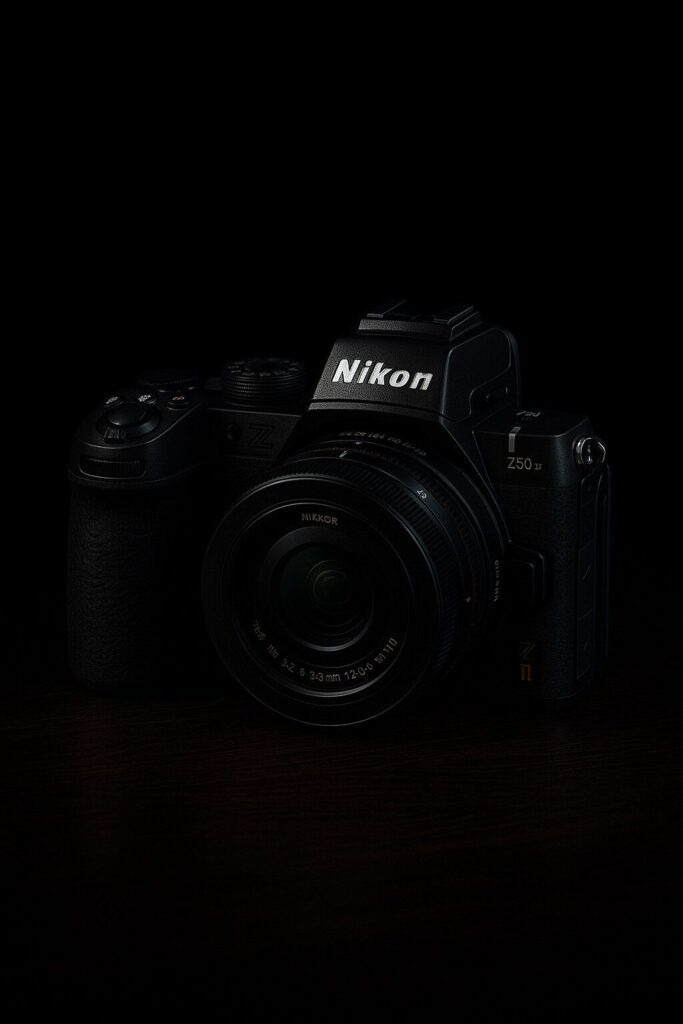
The Nikon Z50 II shows its difference the second you pick it up. It has a proper grip. It also has a built-in viewfinder. At about $957, it suits the person who wants a first camera that feels like a camera, not a small creator tool.
What You Get Inside the Nikon Z50 II
The camera uses a 20.9MP APS-C sensor and EXPEED 7 processing. Subject detection comes from Nikon’s newer generation. So when you follow a kid, a dog or a cyclist, the Z50 II uses Nikon’s current approach, not an older one. It also shoots 4K60 video, which widens its appeal beyond stills. Even so, stills are clearly where its heart lies.
Why It Ranks Among the Best Cameras to Buy in 2027
For a first-time serious photographer, this is the most complete starting point so far on our list. You get Nikon handling. You get a clear path into the Z mount. You also get a viewfinder that makes composing feel natural. Most beginners value those three things more than any spec.
The Lens Limitation
Nikon’s DX-specific lens selection is not the deepest, and you should know that before you buy. However, the Z50 II is not a dead end. Full-frame Z lenses work on it. When the day comes to upgrade the body, your lenses move with you. In other words, the mount stays with you even if the camera does not.
The rule is simple. Choose the X-M5 for a compact, creator-first camera. Choose the Z50 II for handling that feels like photography.
Nikon Z50 II Key Specs
| Feature | Detail |
|---|---|
| Sensor | 20.9MP APS-C |
| Processor | EXPEED 7 |
| Video | 4K60 |
| Viewfinder | Built-in EVF |
| Handling | Proper grip |
| Mount | Nikon Z (DX and full-frame lenses) |
| Approx. price | $957 |
Nikon Z50 II Pros and Cons
Pros:
- Comfortable grip and a built-in viewfinder
- Current-generation subject detection
- 4K60 video
- Full-frame Z lenses work on it
Cons:
- DX lens selection is limited
- Lower resolution than some rivals
Why Handling Matters
Specs do not tell you how a camera feels after two hours. A grip that fits your hand reduces fatigue. A viewfinder helps you compose in bright sun. These details seem small in a store. However, they decide whether you enjoy shooting or avoid it.
The Z50 II gives you that traditional experience. You hold it like a camera, look through a viewfinder and feel in control. Many beginners find that this feeling pushes them to practice more. In turn, more practice makes them better photographers.
Autofocus for Real Subjects
Beginners shoot moving subjects more often than they expect. Kids, pets, cyclists and sports all demand reliable tracking. The Z50 II uses Nikon’s newer subject detection, so it follows these subjects with confidence. You spend less time worrying about focus and more time choosing the moment.
Build a Lens Plan Around the Z Mount
The Z50 II works best when you plan your lenses. Start with a kit zoom for flexibility. Then add a prime lens for portraits and low light. Later, when you want a full-frame body, those Z lenses move with you. Although the DX range is limited, the wider Z catalog gives you room to grow.
Z50 II vs Fujifilm X-M5
The two cameras cost almost the same, yet they serve different people. The X-M5 wins for compact video and a fast social workflow. The Z50 II wins for stills, grip and viewfinder comfort. Pick the one that matches how you want to shoot, not the one with the longer feature list.
The Verdict on the Z50 II
The Z50 II is the most complete starter camera on the list so far. It feels like photography, it focuses well and it leads into a proper full-frame future.
Check the price: Nikon Z50 II at B&H Photo
7. Ricoh GR IV: The Pocket Specialist

The Ricoh GR IV is the first camera here that refuses to be everything. It is a specialist. The only question that matters is whether the specialization holds together. In this case, it does.
A Current-Generation Answer
We recently looked at the GR IIIx Urban Edition. The criticism was that its buying logic had aged by 2027. The GR IV is the current-generation answer. It has an approximately 25.7MP APS-C BSI sensor. It has a redesigned 28mm equivalent F2.8 lens. It adds five-axis stabilization and newer autofocus than the GR III generation. All of that arrives at about $1,597, and all of it fits in a pocket.
Because the GR IV is a current platform, the replacement worry that hung over the older model is far smaller here.
The Everyday Carry Argument
That is the whole case. On a street walk or an everyday carry, a larger and more versatile camera loses to the GR IV. The bigger camera simply stays at home. A serious APS-C sensor in your pocket beats a better camera that you left on the shelf.
Who Should Skip It
The limits are real:
- There is no EVF.
- The lens is fixed.
- The screen is fixed.
- The camera is stills-first.
It will not replace an interchangeable-lens system, and it should not try. It ranks because it does one thing better than anything bigger can. Pay for that, and you pay for something coherent. The GR IV suits the buyer who already knows what an everyday carry means to them. That clarity is worth more than a longer feature list.
Ricoh GR IV Key Specs
| Feature | Detail |
|---|---|
| Sensor | Approx. 25.7MP APS-C BSI |
| Lens | 28mm equivalent F2.8, fixed |
| Stabilization | Five-axis |
| Viewfinder | None |
| Focus | Newer autofocus than the GR III generation |
| Approx. price | $1,597 |
Ricoh GR IV Pros and Cons
Pros:
- Pocketable body with a serious APS-C sensor
- Five-axis stabilization in a tiny camera
- Sharp, purpose-built 28mm lens
- Current platform with a longer useful life
Cons:
- Fixed lens and fixed screen
- No EVF
- Stills-first design
- Premium price for a specialist tool
Why a Fixed 28mm Lens Works
A fixed lens sounds like a limit. In practice, it frees you. You stop swapping lenses and start walking, looking and framing. The 28mm equivalent view is wide enough for streets, interiors and travel scenes. It is also tight enough to keep a subject in focus. Many street photographers favor this field of view for exactly that reason.
Because the lens is built for the sensor, Ricoh can tune the optics and the body together. That produces sharp results from a very small package. You carry less, yet you lose very little image quality.
Five-Axis Stabilization Changes the Game
Small cameras often struggle in dim light because they cannot hold steady at slow shutter speeds. The GR IV answers that with five-axis stabilization. You can drop to slower shutter speeds when the light fades. As a result, you keep ISO lower and files cleaner. For evening streets and indoor scenes, that is a real advantage.
Who Should Buy the GR IV
- Street photographers who want to stay unnoticed
- Travelers who hate carrying a heavy bag
- Enthusiasts who want a second camera that always comes along
- Anyone who prefers a simple, stills-only workflow
Who Should Skip It
Skip the GR IV if you need zoom, video power or a viewfinder. Likewise, skip it if this will be your only camera and you shoot varied subjects. A system camera handles that range better. The GR IV works best as a focused partner, or as a main camera for people with a clear, simple style.
The Verdict on the GR IV
The GR IV is not the cheapest or the most flexible camera here. Even so, it makes the most sense for pocket-sized photography. If a camera in your hand beats a better camera at home, this is the one.
Check the price: Ricoh GR IV at B&H Photo
6. Sony a6700: APS-C Without the Starter Ceiling

The Sony a6700 is where the list stops asking whether an affordable camera is enough. Instead, it asks whether you need full frame at all. The a6700 is APS-C without the starter camera ceiling, and it is one of the best cameras to buy in 2027 for people who want power in a small body.
Specs That Go Well Beyond Entry Level
The a6700 has a 26MP sensor, the BIONZ XR processor and Sony’s subject-recognition autofocus. It adds IBIS and records video up to 4K120. At about $1,498, this body sits far above entry level. It suits wildlife, travel and hybrid content, which are all mixed-shooting jobs.
The E-Mount Advantage
The E-mount lens catalog is the other half of the story. Sony, Sigma, Tamron and others all supply glass. As a result, you are rarely stuck waiting for the lens you need. The mount also keeps a door open. A buyer who wants full-frame E-mount later can move up without starting over.
Honest Edges
The small body can feel awkward under large lenses. In addition, 4K120 comes with trade-offs. Slow motion is something you plan around, not a switch you flip for free.
Still, the a6700 proves that APS-C can be a destination and not just a stepping stone. If your work already fits inside it, a bigger sensor means a bigger bill, not automatically a better photograph. The next camera tests that idea. It costs almost the same and changes the sensor.
Sony a6700 Key Specs
| Feature | Detail |
|---|---|
| Sensor | 26MP APS-C |
| Processor | BIONZ XR |
| Stabilization | IBIS |
| Video | Up to 4K120 |
| Autofocus | Sony subject recognition |
| Mount | Sony E |
| Approx. price | $1,498 |
Sony a6700 Pros and Cons
Pros:
- Strong autofocus with subject recognition
- IBIS in a compact body
- 4K120 for slow motion
- Huge E-mount lens catalog, including Sigma and Tamron
- Clear upgrade path to full-frame E-mount
Cons:
- Small body can feel awkward with big lenses
- 4K120 comes with trade-offs
Why APS-C Still Makes Sense
APS-C offers a smart balance. Lenses are smaller and cheaper. Bodies are lighter. Reach is longer, since the crop factor extends your telephoto lenses. For wildlife and travel, those traits matter more than a slight low-light edge.
The a6700 shows how far APS-C has come. Its autofocus, stabilization and video tools match what many full-frame cameras offered only a few years ago. Therefore, buyers no longer need to accept a feature compromise to stay with a smaller sensor.
Hybrid Shooting Without Carrying Two Cameras
The a6700 suits people who switch between photo and video in the same day. You can shoot a wildlife morning, record a travel clip and take portraits in the evening. IBIS helps handheld video look smooth. Subject recognition helps you keep animals, people and vehicles sharp.
Plan Slow Motion Carefully
4K120 looks great on a spec sheet. Still, it needs planning. You must think about how you will use the footage and what settings you give up. Treat slow motion as a creative tool you prepare for. Do not treat it as a free switch.
Lens Strategy for the a6700
Start with a versatile zoom. Add a fast prime for portraits. If you shoot wildlife, consider a long telephoto from Sony or a third-party maker. Because the E-mount is so open, you can pick glass at many price levels. That keeps total system cost under control.
The Verdict on the a6700
The a6700 is proof that APS-C can be a destination. If your work already fits inside it, you gain nothing by paying more for full frame.
Check the price: Sony a6700 at B&H Photo
Like comparisons that challenge the idea that full frame is automatically the upgrade? Subscribe to Altbuzz on YouTube.
5. Nikon Z5 II: Full Frame Without the Compromise Feeling

Now we reach full-frame territory with the Nikon Z5 II. It costs about $100 more than the a6700, at roughly $1,597. That small gap is the whole point. Because the price barely moves, the real question becomes whether you prefer the APS-C hybrid or a proper full-frame stills body. The Z5 II is where affordable full frame stops sounding like a compromise category.
What the Nikon Z5 II Offers
You get a 24.5MP full-frame sensor with EXPEED 7 processing. You also get IBIS, modern subject recognition and a strong viewfinder. Everything sits inside conventional Nikon ergonomics. Dual card slots add serious practicality for stills work.
Think portraits, landscapes, travel, family days and events. That is a long list of ordinary and valuable work, and this camera is built around it. A buyer in that world gets a modern full-frame body. Nobody steers them toward an old-generation one. That matters because a cheaper full-frame camera with outdated guts is exactly the trap our last video warned about.
Who Should Not Buy the Z5 II
Its weaknesses are real, and they point to who should look elsewhere:
- The 4K60 mode is cropped.
- The sensor reads out more slowly than Nikon’s higher-end bodies.
If your work depends on motion or demanding video, those limits will matter. If it does not, they mostly will not. The Z5 II is a photography camera, not Nikon’s action or video specialist. Knowing exactly what it is makes it easier to recommend.
A Note on Switching Systems
For the stills-first buyer, this is the full-frame price where you can stop. If you already shoot Nikon, you have no reason to look elsewhere for this kind of camera. Equally, we would not tell a Canon or Sony owner to switch for a small body-price difference. Lenses cost more than bodies. They are also the part of a system you cannot move.
Nikon Z5 II Key Specs
| Feature | Detail |
|---|---|
| Sensor | 24.5MP full-frame |
| Processor | EXPEED 7 |
| Stabilization | IBIS |
| Cards | Dual slots |
| Video | 4K60 (cropped) |
| Mount | Nikon Z |
| Approx. price | $1,597 |
Nikon Z5 II Pros and Cons
Pros:
- Modern full-frame sensor and processing
- IBIS and strong subject recognition
- Good viewfinder and classic Nikon handling
- Dual card slots for safer shooting
Cons:
- Cropped 4K60
- Slower sensor readout than higher-end Nikon bodies
- Not built for fast action or heavy video work
Why Full Frame Helps
A full-frame sensor collects more light. That can improve low-light results and give you smoother tones. It also gives shallower depth of field, which helps portraits and subject separation. Landscape shooters value the wide dynamic range and the clean detail.
However, the benefit depends on what you shoot. Calm subjects and slower scenes reward full frame most. Fast action depends more on readout speed and autofocus. This is why the Z5 II works well for stills and not for sports.
Dual Card Slots Matter
Dual card slots seem like a minor detail. For paid work and events, they are not. You can record to two cards at once. If one fails, the other keeps your photos safe. Even for family days and travel, that peace of mind has real value.
Z5 II vs Sony a6700
The two cameras cost almost the same. The a6700 gives you a smaller body, 4K120 and better video options. The Z5 II gives you a larger sensor, a stronger viewfinder and a more traditional stills experience. Choose by subject. Fast, hybrid and compact work favors the a6700. Portraits, landscapes and events favor the Z5 II.
Why Camera Age Matters in Full Frame
Cheap full-frame cameras tempt many buyers. Some use older sensors, older processors and older autofocus. They cost less for a reason. The Z5 II avoids that trap. Its EXPEED 7 processing and modern subject recognition put it in the current generation. You pay a fair price and you get current technology.
The Verdict on the Z5 II
The Z5 II is the full-frame stills camera for people who want to stop searching. It does the ordinary things very well, and ordinary things make up most photography.
Check the price: Nikon Z5 II at B&H Photo
4. Panasonic Lumix S5II: The Hybrid Full-Frame Value King

We placed the Panasonic Lumix S5II right after the Z5 II for a reason. The two cameras cost almost exactly the same, since the S5II sells for about $1,598. So the best-value full-frame camera has two answers. The right one depends on what you shoot.
Video Depth That Surprises Buyers
The S5II has a 24.2MP full-frame sensor and phase-detect autofocus. It also delivers excellent stabilization. However, the video side is what surprises people. Lumix video-assist tools run deep. With 6K-class recording and an open-gate-friendly workflow, the headroom goes far beyond what most buyers expect at this price.
Aggressive pricing keeps the S5II relevant even after the newer S1 bodies arrived. That is rare. Usually a newer sibling drags the older camera into irrelevance. Here, the new models make the S5II a sharper deal.
Z5 II or S5II: The Clean Rule
The rule is simple:
- Choose the Z5 II if you put photography first.
- Choose the S5II if you put hybrid or video work first.
Neither camera beats the other for everyone. If you shoot stills only and never touch video, most of what makes the S5II special will sit unused. In that case, the Nikon is the more sensible purchase.
Now picture a solo creator who shoots stills on weekends and video all week. For that person, the S5II is the easier yes. The part of the camera they will use most is the part Panasonic invested in. We have already called the S5II an important Lumix body. This ranking reinforces that view while staying clear about who does not need it.
Panasonic Lumix S5II Key Specs
| Feature | Detail |
|---|---|
| Sensor | 24.2MP full-frame |
| Autofocus | Phase-detect |
| Stabilization | Excellent in-body stabilization |
| Video | 6K-class, open-gate-friendly workflow |
| Approx. price | $1,598 |
Panasonic Lumix S5II Pros and Cons
Pros:
- Deep video tools at a full-frame price
- Phase-detect autofocus
- Excellent stabilization for handheld work
- Aggressive pricing keeps it relevant
Cons:
- Many strengths go unused by stills-only shooters
- Smaller photography ecosystem story than Nikon or Canon for some buyers
Why Video Shooters Love the S5II
Video is not an afterthought on this camera. Panasonic built its Lumix line around video users. As a result, you get assist tools, flexible recording options and strong stabilization in one body. A solo creator can shoot interviews, travel clips and short films without adding much gear.
Headroom matters too. Open gate-friendly recording and 6K-class capture give you room to crop, reframe and stabilize in post. You can deliver in several formats from a single clip. Few cameras at this price give that much freedom.
Why the Price Gets Better With Newer Bodies
Normally, a newer camera makes the old one look outdated. The S5II shows the opposite pattern. Newer S1 bodies pushed the market upward, and the S5II stayed at an attractive price. Consequently, you get strong full-frame hybrid features without paying for the latest tier.
Who Should Choose the S5II
- Solo creators who shoot both stills and video
- YouTubers and filmmakers who want full-frame depth
- Hybrid shooters who value stabilization and recording options
Who Should Choose the Z5 II Instead
Photographers who rarely record video should lean toward the Z5 II. They would leave much of the S5II’s strength unused. A camera should match your habits, not your imagination.
The Verdict on the S5II
The S5II is the hybrid buyer’s full-frame value pick. It asks you to know what you shoot, and it rewards you when you do.
Check the price: Panasonic Lumix S5II at B&H Photo
Before we hit the top three, a quick thank you. Altbuzz has ten channel members right now, and we thank all ten of them. Core membership costs $5 and Elite costs $10. The join link sits in the description of our YouTube channel. Member support pays for the deeper, market-aware research behind rankings like this one.
3. Canon EOS R6 Mark III: The First Real Stopping Point
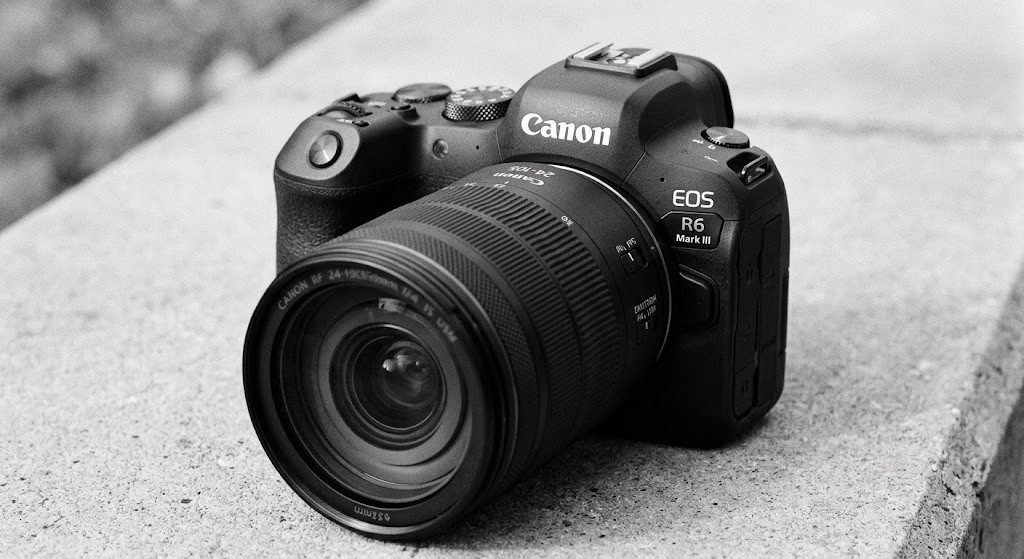
The Canon EOS R6 Mark III is the first real stopping point for a serious photographer. Its 32.5MP full-frame sensor gives it a stronger all-round stills balance than lower-resolution bodies built mainly for speed. It also shoots 40 frames per second with the electronic shutter and tracks subjects well. That combination is what weddings and events quietly demand. You need enough resolution to crop and enough speed to catch the moment.
Pro-Level Reach Without R5-Class Money
Strong stabilization and high-end hybrid video tools, including 7K-class recording, widen its reach even further. Portraits, wildlife, sports and serious hybrid production all fit. At about $2,799, the R6 Mark III is not cheap. Even so, it costs far less than a flagship. It also gives a working photographer very little to apologize for.
Wedding days, events and wildlife share one problem. The moment does not repeat, so the camera must be ready for it. The R6 Mark III is built around that problem.
The Question That Decides Your Upgrade
This camera raises a question we keep coming back to. Once the R6 Mark III gives you this much speed, resolution and video capability, what real problem does the next $1,000 to $2,000 solve? For many serious Canon buyers, the answer is nothing. They should stop here unless their work can name the exact feature the R5 tier adds. If you can name it, spend the money. If you cannot, keep it.
The Honest Limit Is Cost
The R6 Mark III sits about $1,200 above the full-frame value bodies before it. If you shoot calm subjects at modest speeds, you will not use what that money buys. In that case, drop down to the Z5 II or the S5II.
Canon EOS R6 Mark III Key Specs
| Feature | Detail |
|---|---|
| Sensor | 32.5MP full-frame |
| Electronic shutter speed | 40 frames per second |
| Autofocus | Strong subject tracking |
| Video | High-end hybrid tools, 7K-class recording |
| Stabilization | Strong in-body stabilization |
| Approx. price | $2,799 |
Canon EOS R6 Mark III Pros and Cons
Pros:
- High resolution with fast burst shooting
- Strong subject tracking
- Serious hybrid video features
- Costs far less than a flagship
Cons:
- About $1,200 above the full-frame value bodies
- Overkill for calm subjects and slow shooting
Resolution and Speed Together
Many cameras force a trade. Some offer high resolution and slower bursts. Others offer speed and lower resolution. The R6 Mark III gives you both in a balanced way. 32.5MP lets you crop in on distant subjects or print large. 40 frames per second helps you catch a smile, a kiss, a bird in flight or a tackle.
Weddings, Events and Wildlife
These jobs share a cruel feature. The moment passes and never returns. Strong autofocus and fast bursts reduce the chance that you miss it. In addition, stabilization helps in dim venues. For working photographers, those traits turn into more keepers and fewer apologies.
The Hybrid Video Side
The R6 Mark III also appeals to people who shoot video for clients. 7K-class recording and high-end hybrid tools give you room to grow. You can deliver event highlights, interviews and promo clips from the same camera that shoots stills.
Do You Need to Go Higher?
Canon sells higher-tier bodies. Before you pay more, ask one question. Which exact feature do you miss? If you can name a resolution target, a video format or a durability need, the higher tier may help. If you cannot name it, you probably do not need it. Keeping the extra $1,000 to $2,000 often buys you a better lens, which improves your photos more than a body upgrade would.
The Verdict on the R6 Mark III
The R6 Mark III is the stopping point for many serious Canon shooters. It is strong, versatile and fairly priced for what it delivers.
Check the price: Canon EOS R6 Mark III at B&H Photo
Want to know where upgrades stop changing your photographs enough to justify the money? Subscribe to Altbuzz on YouTube.
2. Nikon Z8: The Biggest Shock on the List
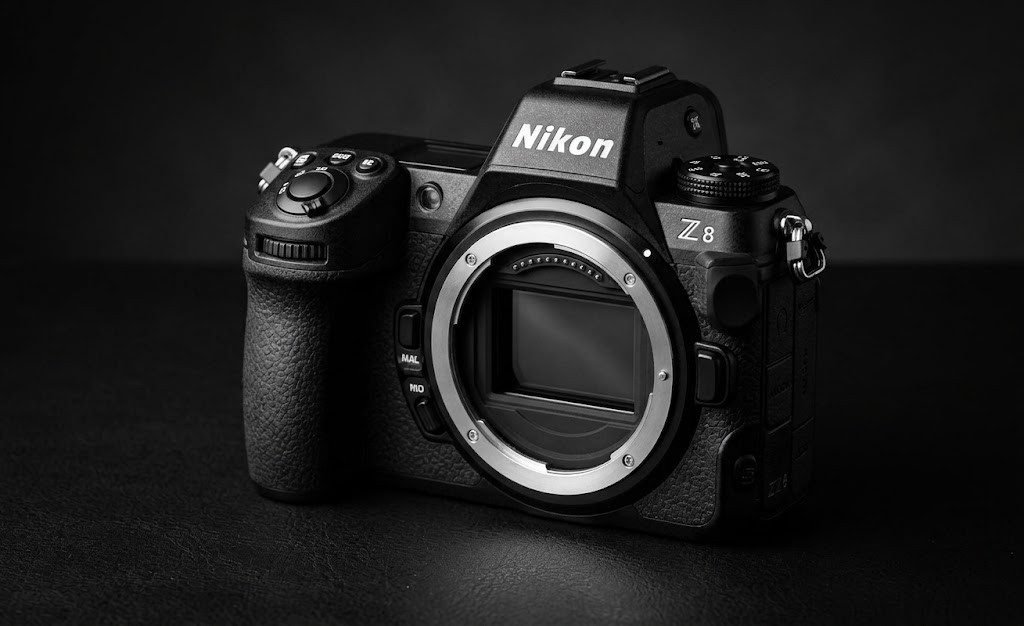
The Nikon Z8 delivers the biggest shock in this ranking. It has a 45.7MP stacked sensor. It shoots at 20 frames per second with RAW and high-speed JPEG options. It offers strong subject detection, 8K-class internal RAW video and 4K120. In short, it carries much of the Z9 imaging proposition without the integrated vertical grip body.
The Price Changes the Value Argument
Now look at the price. On the current promotion, the Z8 sits in the low $3,000 range. That is only about $400 more than the A7 V and roughly $500 more than the R6 Mark III. Stacked-sensor, high-resolution professional capability used to feel like a separate price universe. Right now it sits just above the serious-photographer tier.
Promotions move, so check the price before you buy. While it holds, this is the strongest capability-per-dollar story among the best cameras to buy in 2027.
Why the Z8 Is Not Number One
We need to be careful here. This is not advice to sell your Canon, Sony or Lumix system because Nikon has a good promotion. A lens investment can outweigh a body price gap by miles. The Z8 ranking is for an unattached buyer or an existing Nikon shooter.
It also is not number one because it is more camera than many buyers need. The capability-to-price ratio is exceptional. Even so, the audience that truly benefits from stacked-sensor 45MP performance is narrower than the audience for our winner. Consider two examples:
- A wedding shooter who never needs 8K would pay for capacity that stays idle.
- A travel photographer who never needs 20 frames per second would do the same.
A commercial photographer who knows exactly why resolution and speed matter is a different story. For that buyer, the Z8 is the most direct way to get both without paying for a full flagship body. So if the Z8 is the shock, number one must answer a different question.
Nikon Z8 Key Specs
| Feature | Detail |
|---|---|
| Sensor | 45.7MP stacked |
| Burst speed | 20 frames per second (RAW and high-speed JPEG options) |
| Video | 8K-class internal RAW, 4K120 |
| Autofocus | Strong subject detection |
| Body style | No integrated vertical grip |
| Approx. price | Low $3,000s on promotion |
Nikon Z8 Pros and Cons
Pros:
- Stacked sensor with 45.7MP resolution
- 20fps with RAW
- Top-tier video options
- Much of the Z9 proposition at a lower cost
Cons:
- More camera than many buyers need
- Price depends on promotions
- Best for existing Nikon users or unattached buyers
What a Stacked Sensor Means
A stacked sensor reads data faster than a standard design. That helps with burst speed, autofocus performance and video capture. For moving subjects, faster readout reduces distortion and keeps more frames usable. Until recently, this performance sat in a different price tier. The Z8 brings it closer to the serious-photographer range.
Resolution Without Slowing Down
45.7MP is high resolution. You can crop heavily and still keep detail. Large prints look sharp. At the same time, 20 frames per second keeps action shooters in the game. Rarely do you get this much of both in one body.
Who Truly Benefits
- Commercial photographers who sell large images
- Wildlife and sports shooters who need speed and cropping room
- Filmmakers who need RAW video and high frame rates
- Existing Nikon owners who want a pro-level body
Who Should Not Buy the Z8
Skip it if you shoot calm subjects at modest speeds. Skip it if you already own a deep Canon, Sony or Panasonic lens collection. Also skip it if the price has returned to its higher level. A great promotion is not a reason to pay for features you will not use.
The Verdict on the Z8
The Z8 is the strongest capability-per-dollar camera on the list. It misses number one only because its audience is narrower.
Check the price: Nikon Z8 at B&H Photo
The most capable value body on this list may not be the camera we would recommend to the most people. Subscribe to Altbuzz on YouTube so you do not miss the full story.
1. Sony A7 V: The Best Camera to Buy in 2027 for Most Serious Buyers
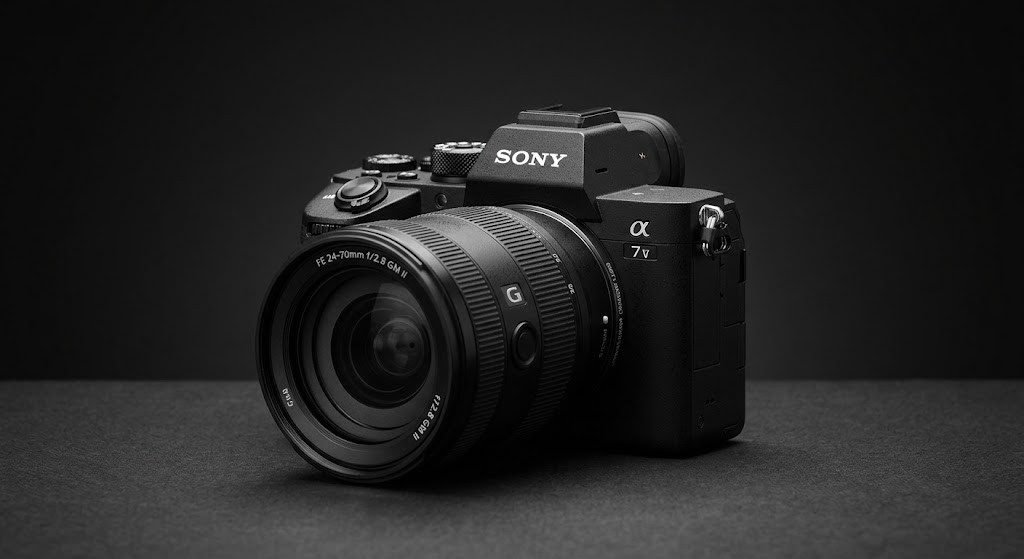
The Sony A7 V takes the top spot, and we want to be clear about what that means. The A7 V does not win because it is the most capable camera here. It wins the buying test.
What Makes the Sony A7 V Special
Start with the sensor. It is a 33MP partially stacked full-frame design. That gives you a practical balance of resolution and speed. You get up to 30 frames per second of blackout-free shooting and strong pre-capture tools. For action, that means you are less likely to lose the frame you were waiting for.
Sony’s mature subject-recognition autofocus tracks dependably. Over a long career, that matters more than any single headline number. The video is serious 10-bit hybrid work without turning the body into a cinema specialist. Battery life is strong. Dual card slots make it practical for real jobs.
The E-mount lens catalog is one of the broadest on the market. Native and third-party options both abound. Because of that, the A7 V is easy to build a system around and easy to live with.
Why Buyer’s Regret Matters More Than Specs
At about $2,898, the A7 V stays under flagship territory. Yet it covers an unusually wide range of serious work. That is the part people miss. A flagship removes technical compromises. The A7 V removes buyer’s regret.
Think of a buyer who shoots a family event on Saturday, a wildlife morning on Sunday and a paid portrait job on Monday. Nothing in that week exposes a weakness. The camera does not ask them to choose between photography and video. It does not force a choice between speed and resolution. It also does not make them pick between today and the lens they will want next year.
The Credibility Check
Every rival here beats the A7 V at something:
- The R6 Mark III may offer deeper video tools for certain users.
- The Z8 has more resolution and higher-end professional capability.
- The S5II gives more value to a video-heavy buyer.
- The Z5 II costs much less.
That is exactly why the A7 V wins. It gives the broad, serious-buyer audience the fewest reasons for regret. It is powerful enough for demanding work, and it does not make specialization the price of admission. It is also a natural landing spot for the a6700 buyer who eventually wants full frame.
That is what a winner looks like when the ranking rests on buying confidence. It is not dramatic. It is the camera you stop thinking about after the purchase. That is the feeling this whole list has been chasing.
Sony A7 V Key Specs
| Feature | Detail |
|---|---|
| Sensor | 33MP partially stacked full-frame |
| Burst speed | Up to 30 frames per second, blackout-free |
| Autofocus | Mature subject recognition |
| Video | 10-bit hybrid video |
| Cards | Dual slots |
| Mount | Sony E |
| Approx. price | $2,898 |
Sony A7 V Pros and Cons
Pros:
- Balanced resolution and speed
- Reliable subject-recognition autofocus
- Strong battery life and dual card slots
- One of the broadest lens catalogs available
- Fewest reasons for buyer’s regret
Cons:
- Not the best at any single task
- Costs more than the full-frame value bodies
What Partial Stacking Delivers
A partially stacked sensor sits between a standard sensor and a fully stacked one. It reads faster than a conventional design, yet it costs less than a fully stacked model. That balance gives you speed for action and resolution for crops. For most photographers, it is the practical middle ground.
Pre-Capture and Blackout-Free Shooting
Pre-capture tools record frames before you fully press the shutter. That helps when you react a moment late. Blackout-free shooting at up to 30 frames per second keeps the subject visible in the viewfinder. Together, those features make action easier to follow and easier to capture.
Why the E-Mount Seals the Deal
The Sony E-mount has a deep catalog from Sony and third-party makers. You can find lenses for portraits, wildlife, travel, video and macro at many price levels. That variety lowers your system cost and widens your options. It also means you will rarely face a gap in your kit.
Matching the A7 V to Real Weeks
Imagine three busy workdays. Saturday, you shoot a family event. Sunday, you chase wildlife. Monday, you deliver a paid portrait session. The A7 V handles all three without asking for a second body. That kind of range is what makes it a smart buy for working hobbyists and professionals.
Who Should Look Elsewhere
Video-first shooters may prefer the Lumix S5II. Buyers who need maximum resolution and speed may prefer the Nikon Z8. Budget-conscious photographers may prefer the Z5 II. Choose the A7 V when you want the widest safe answer.
The Verdict on the A7 V
The A7 V is not the flashiest camera on the list. It is the one least likely to disappoint you. For the best cameras to buy in 2027, that is the right way to win.
Check the price: Sony A7 V at B&H Photo
Which of the Best Cameras to Buy in 2027 Fits You?
The fast version is simple. Match the camera to your real problem, not to the badge or the price tag.
| If you are… | Buy this | Why |
|---|---|---|
| A beginner, a family shooter or a first-time interchangeable-lens buyer | Canon EOS R50 | Current RF system at a low price |
| A creator who needs a compact video body under $1,000 | Fujifilm X-M5 | 6.2K open gate and Film Simulations |
| A traditional APS-C starter who wants a grip and viewfinder | Nikon Z50 II | Real handling and a path into the Z mount |
| A street or everyday-carry shooter | Ricoh GR IV | Serious APS-C sensor in a pocket |
| A high-end APS-C hybrid shooter | Sony a6700 | IBIS, 4K120 and the E-mount catalog |
| A photography-first full-frame buyer | Nikon Z5 II | Modern full frame at a fair price |
| A hybrid or video-first full-frame buyer | Panasonic Lumix S5II | Deep video tools at the same price |
| A serious enthusiast or professional | Canon EOS R6 Mark III | 32.5MP, 40fps and strong hybrid video |
| A high-end buyer who needs stacked-sensor power | Nikon Z8 | 45.7MP and 20fps near R6-tier money |
| A serious buyer who wants one answer | Sony A7 V | The fewest reasons for regret |
Three Rules for Smart Camera Buying
A good purchase is not the cheapest camera or the most capable one. It is the camera that fully solves your real problems at a price you can defend. Keep these three rules in mind:
- Beginners should not buy an old system. Do not chase a full-frame or brand-name badge on a dead mount.
- Enthusiasts should not automatically move to full frame. An a6700-class APS-C camera may already do the work.
- Professionals should pay for extras only when the job explains why. That applies to stacked sensors, high resolution and cinema workflows.
Our last video showed where camera money leaks out. This one shows where it makes sense. Together they give you a rule you can reuse long after these ten prices change.
Best Cameras to Buy in 2027 by Budget
Budget shapes every camera decision. Here is how the ten picks group by price, so you can see where each dollar goes.
Under $1,000: Start Smart
The Canon EOS R50, Fujifilm X-M5 and Nikon Z50 II live here. All three give you a current system and modern autofocus. They do not give you flagship features, and they do not try. Choose the one that matches your style. The R50 suits family and travel. The X-M5 suits creators. The Z50 II suits photographers who want classic handling.
$1,400 to $1,700: The Value Sweet Spot
The Sony a6700, Nikon Z5 II, Panasonic Lumix S5II and Ricoh GR IV sit in this range. This tier has the widest variety on the list. You can pick a pocket specialist, a high-end APS-C hybrid or two different full-frame value bodies. Because the prices are so close, your choice should come down to what you shoot, not what you can afford.
$2,800 and Up: Serious Tools
The Canon EOS R6 Mark III, Sony A7 V and Nikon Z8 live at the top. These cameras suit people who earn money from photography or who shoot at a demanding level. Spend here only when your work can explain why. Otherwise, a cheaper pick above will serve you just as well.
Common Camera Buying Mistakes to Avoid
Many buyers lose money by repeating the same errors. Avoid these five:
- Buying a dead system. A cheap body on an abandoned mount leaves you stuck with limited lens choices.
- Paying for specs you will never use. 8K video and 20 frames per second mean little if you shoot calm portraits.
- Ignoring lens cost. Lenses often cost more than the body and last longer.
- Switching brands for a small price gap. A promotion rarely justifies rebuying your whole lens collection.
- Assuming full frame is always better. APS-C cameras like the a6700 handle a huge range of work.
Spend on Lenses, Not Just Bodies
A good lens improves every photo you take. A new body improves the features around the photo. For many shooters, a better lens makes a bigger visible difference than a body upgrade. Therefore, plan your budget around both. A sensible split gives you a capable body and enough room for one quality lens.
Great Cameras We Left Off This List
We left some excellent cameras off, including the Fujifilm X-T5, the Fujifilm X100VI and the Panasonic Lumix GH7. The reasons come down to timing, availability and focus. Quality had nothing to do with it. You can explore them on the official Fujifilm and Panasonic sites.
This ranking covers what deserves your money right now. It does not cover what removes the most compromises. For the same reason, the biggest flagships stayed out. They win capability tests, but this guide is about buying value.
Notice what that does to the list. The cheaper cameras are not consolation prizes. The expensive ones are not trophies. Each one is the right answer for a different person.
Best Cameras to Buy in 2027: Frequently Asked Questions
What is the best camera to buy in 2027 overall?
The Sony A7 V is our best overall pick. It is not the most powerful camera on the list. However, it leaves the fewest serious buyers with a reason to regret the purchase.
What is the best cheap camera to buy in 2027?
The Canon EOS R50 is the best low-cost starting point on this list. At roughly $700, it puts a beginner into the active RF mount instead of a dead end.
Is full frame always better than APS-C?
No. The Sony a6700 shows that APS-C can be a destination. If your work already fits inside APS-C, a bigger sensor means a bigger bill, not automatically a better photograph.
Should I choose the Nikon Z5 II or the Panasonic Lumix S5II?
Choose the Z5 II if you shoot mostly stills. Choose the S5II if video or hybrid work matters most. Both cost about $1,600.
Is the Nikon Z8 a smarter buy than the Sony A7 V?
It can be, but only for the right buyer. The Z8 offers more resolution and speed. Yet many shooters would never use that extra capacity. Also, the Z8 price depends on a promotion, so check it first.
Do prices in this guide change?
Yes. All prices are approximate and shift with promotions and regional pricing. Check an official manufacturer store or a major retailer like Adorama or B&H Photo for the current price.
Final Verdict: The Smartest Camera to Buy in 2027
Our verdict is simple. If you want one camera and one answer, buy the Sony A7 V. It does not beat everything here. It simply leaves the fewest serious buyers with a reason to regret the purchase.
If your budget is smaller, stopping at the R50, the X-M5 or the Z50 II is not settling. Those cameras give you a current system at a fair price. If your work is specific, the GR IV, the S5II or the Z8 earns its slot by solving exactly that problem. And if no camera on this list makes spending more feel necessary, you have already found yours.
The smartest camera purchase in 2027 is not the last camera on the price list. It is the first one that makes spending more difficult to justify.
Join the Conversation
Which camera here would you have ranked first? Is the Z8 secretly the smarter buy than our number one? Tell us in the comments on our YouTube channel.
Read More from Altbuzz
Want more camera buying advice that explains the money? Explore the latest reviews, rumors and rankings at altbuzzmedia.com. Our guides cover camera reviews, rumor coverage and photography content for every kind of buyer.
Subscribe to the Altbuzz YouTube Channel
If this guide saved you from a bad purchase, support the channel with the Super Thanks button under the video. Then subscribe to Altbuzz on YouTube so our next ranking finds you. You can also visit altbuzzmedia.com for more.