
OM-1 Mark III: What We Know About OM System’s Next Flagship Camera
The OM-1 Mark III has become one of the most anticipated cameras among wildlife and outdoor photographers heading into 2026. OM System has stayed quiet on new mirrorless bodies for almost two years, and that silence has only fueled speculation about what comes next for the brand’s flagship line. With 2026 marking the 90th anniversary of the OM camera lineage, expectations are running high for a release that honors that milestone properly.
This article walks through everything currently rumored about the OM-1 Mark III. We will cover the expected sensor, autofocus upgrades, stabilization performance, and build quality, then compare it against the current OM-1 Mark II and the wider field of wildlife-focused cameras. By the end, you should have a clear picture of what to realistically expect and whether waiting makes sense for your own photography.
Why the OM-1 Mark III Matters for OM System’s 90th Anniversary
A flagship refresh always carries weight, but this one arrives at a particularly symbolic moment for OM System.
A Brand Still Proving Itself After Olympus
OM System emerged from Olympus’s imaging division after a 2021 sale to Japan Industrial Partners, and the brand has spent the years since proving it can survive as an independent specialty player. According to a recent Fstoppers analysis, the company has built a real product roadmap and a loyal customer base, even though it has not yet returned to consistent profitability. The OM-1 Mark II, released in February 2024, remains widely regarded as one of the best wildlife cameras available today, and a properly executed OM-1 Mark III would reinforce that reputation heading into the brand’s tenth anniversary as a standalone company.
CP+ 2026 and the Rumor Timeline
OM System has historically used the CP+ trade show in Japan to time major announcements, and CP+ 2026 ran from February 26 through March 1. Rumor coverage from 43Rumors suggested the OM-1 Mark III was unlikely to debut at that exact show, with a new Tough rugged compact considered the more probable near-term release. That timeline pushes realistic expectations for the OM-1 Mark III later into 2026, possibly tied more closely to the actual anniversary date than to the CP+ calendar.
OM-1 Mark III Rumored Sensor and Image Quality
Sensor speculation sits at the center of every OM-1 Mark III conversation, mostly because the current generation has already proven itself so capable.
Sticking With the Stacked Micro Four Thirds Sensor
The OM-1 Mark II uses a 20.4-megapixel stacked BSI Live MOS sensor paired with the TruePic X processor, a combination that delivers genuinely fast readout speeds and minimal rolling shutter distortion. Most rumor sources expect the OM-1 Mark III to retain this same sensor generation rather than introduce a completely new chip, since no obviously superior stacked Micro Four Thirds sensor currently exists on the market. Forum discussions tracked by DPReview echo this same expectation, with experienced users predicting incremental refinements rather than a resolution jump.
Could OM System Push Resolution Higher
Some speculation points toward a 25 to 30 megapixel sensor as a possible upgrade path, though insiders quoted across rumor sites remain doubtful given budget constraints at OM System. A resolution increase would help with cropping flexibility for distant wildlife subjects, but it would also demand a redesigned sensor and processing pipeline, a costly undertaking for a company still working to reach sustainable profitability. Most signs point toward OM System prioritizing computational features and processing speed over a raw resolution increase this generation.
AI Upscaling and Computational Photography
One of the more interesting rumors involves AI-driven upscaling for the existing sensor resolution. Reports referenced by 43Rumors mention OM System exploring AI upscaling specifically to address concerns about lower native resolution compared to full-frame competitors. If implemented well, this kind of computational approach could let OM System keep its proven sensor while still producing larger, more detailed final images, similar to approaches other manufacturers have started experimenting with across the industry.
OM-1 Mark III Lens Ecosystem and What It Means for Buyers
A flagship body only matters as much as the lenses built around it, and this is an area where OM System already holds a real advantage. The current M.Zuiko PRO lineup covers everything from ultra-wide angles to super-telephoto reach, and the OM-1 Mark III would launch directly into that mature ecosystem rather than starting from scratch. According to the official OM System OM-1 Mark II product page, every M.Zuiko lens works seamlessly with the camera body, ensuring consistent autofocus and stabilization performance across the entire range.
This compatibility matters more than it might seem at first glance. Photographers switching systems often discover that a flagship body means little without a complete set of lenses supporting it. OM System avoided that pitfall by building out its lens lineup steadily over the years, so anyone purchasing the OM-1 Mark III would inherit immediate access to specialist glass like the 150-400mm f/4.5 TC Pro, a lens already beloved among bird photographers for its built-in teleconverter and remarkably manageable weight.
Third-party lens support remains more limited within the Micro Four Thirds system compared to larger mounts like Sony E or Nikon Z, though Panasonic’s Lumix lenses do offer some cross-compatibility. Photographers considering a long-term investment in the OM-1 Mark III should weigh this more limited third-party ecosystem against the benefit of a smaller, lighter, and more specialized lens lineup built specifically around wildlife and outdoor use cases.
OM-1 Mark III Autofocus and Burst Shooting Expectations
Autofocus performance has always been a major selling point for the OM-1 line, particularly among bird and wildlife photographers who depend on reliable subject tracking.
Building on the OM-1 Mark II’s AI Subject Detection
The OM-1 Mark II already includes AI subject detection capable of recognizing humans alongside its established animal and vehicle tracking modes. Rumors point toward the OM-1 Mark III refining this system further, with improved accuracy in cluttered scenes and faster subject acquisition when an animal moves unpredictably through dense foliage. These kinds of software-driven improvements tend to come more easily than hardware changes, making them a likely focus area for this generation.
Buffer Depth and Continuous Shooting Speed
The OM-1 Mark II already offers up to 50 frames per second shooting with continuous autofocus, alongside a notably deeper buffer than its predecessor. Expect the OM-1 Mark III to push these numbers further still, since buffer depth and burst speed remain easy wins for OM System to highlight in marketing materials. Wildlife photographers in particular tend to value buffer depth heavily, since a deep buffer means fewer missed moments during unpredictable action sequences like a bird taking flight.
OM-1 Mark III Image Stabilization and Build Quality
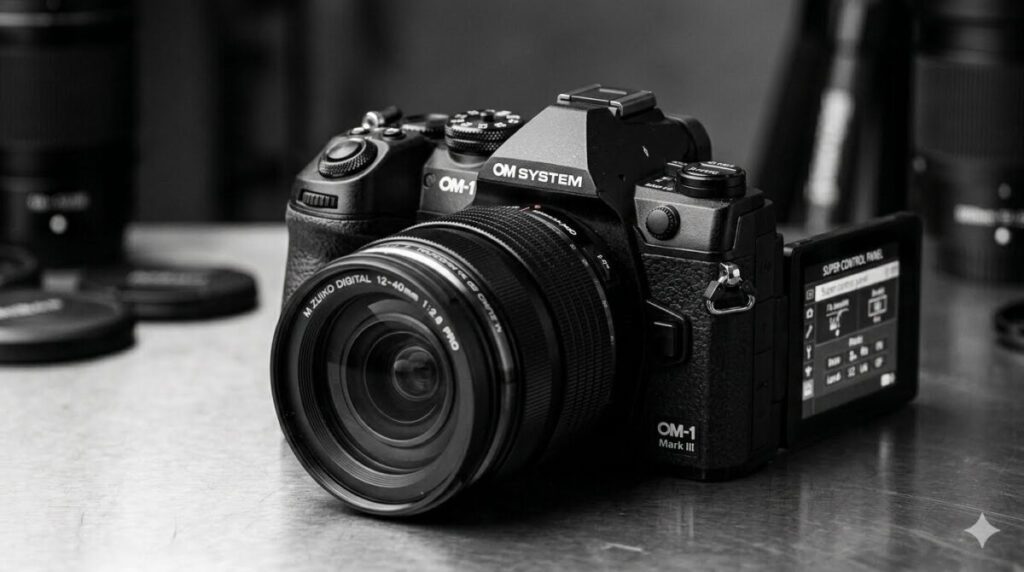
Stabilization performance has become something of a signature feature for OM System, and the OM-1 Mark III rumors suggest the company has no plans to slow down here.
Chasing Even Higher Stabilization Ratings
The OM-1 Mark II already delivers an industry-leading 8.5 stops of in-body stabilization under CIPA testing conditions, a figure that currently outpaces nearly every full-frame competitor on the market. Pushing this number even higher would require meaningful engineering progress, since 8.5 stops already sits near the practical ceiling for current stabilization technology. Even a modest improvement here would help OM System maintain its reputation as the brand best suited for handheld telephoto wildlife work.
IP53 Weather Sealing and Rugged Design
Durability remains central to the OM-1 identity. The current model carries IP53 certified weather sealing, a rating most competitors do not officially test for or guarantee, and OM System has built real marketing credibility around this distinction. Expect the OM-1 Mark III to maintain or improve this same level of ruggedness, since outdoor and wildlife photographers depend heavily on a camera that survives rain, dust, and rough handling in remote locations.
How the OM-1 Mark III Compares to the Current OM-1 Mark II
Understanding what changes and what stays the same helps set realistic expectations for current OM-1 Mark II owners weighing an upgrade.
What Likely Stays the Same
Based on current rumors, the core sensor, the Micro Four Thirds mount, and the overall body design will probably carry over largely unchanged. OM System has historically favored incremental refinement over dramatic redesigns within its flagship line, a pattern visible across the original OM-1 and its Mark II successor. Photographers already comfortable with the existing menu system and control layout should expect a familiar experience rather than a steep relearning curve.
What Could Actually Change
Autofocus algorithms, buffer management, and possible AI upscaling features represent the most likely areas of genuine improvement. Battery life and connectivity could also see modest updates, following a pattern common across most camera generations. Anyone expecting a dramatically different camera from the OM-1 Mark III will likely be disappointed, while anyone hoping for a more polished, more capable version of an already excellent camera has good reason for optimism.
OM-1 Mark III vs Full-Frame Wildlife Cameras
No discussion of a Micro Four Thirds flagship feels complete without addressing the full-frame comparison directly.
The Size and Weight Advantage
A Micro Four Thirds sensor carries a 2x crop factor compared to full-frame, which means a 300mm lens on the OM-1 Mark III delivers the same field of view as a 600mm lens on a full-frame body, at a fraction of the weight and cost. This advantage explains why so many wildlife photographers tolerate a smaller sensor in exchange for genuinely handholdable super-telephoto reach. A photographer carrying the OM-1 Mark II alongside the 150-400mm f/4.5 Pro lens already achieves up to 1,000mm of effective reach in a package that remains light enough to carry all day.
Where Full Frame Still Wins
Full-frame sensors still hold a clear advantage in dynamic range and high ISO performance, particularly in challenging low-light conditions. A wildlife photographer shooting at dawn or dusk, when animals are often most active, may notice more visible noise from a Micro Four Thirds sensor compared to a full-frame equivalent at the same ISO setting. This tradeoff has narrowed significantly in recent years, but it has not disappeared entirely, and the OM-1 Mark III will need to manage expectations accordingly.
Who Should Be Excited About the OM-1 Mark III
Not every photographer needs to pay close attention to this rumor, but certain groups have real reason for excitement.
Wildlife and Bird Photographers
Bird photographers, in particular, represent the core audience for this camera. The combination of extreme telephoto reach, fast burst shooting, and reliable animal eye detection makes the OM-1 line genuinely difficult to beat for this specific use case. An OM-1 Mark III that refines autofocus further would only strengthen that position among a dedicated and vocal fan base.
Travel and Outdoor Shooters Who Want to Pack Light
Beyond dedicated wildlife shooters, the OM-1 Mark III should also appeal to travel and outdoor photographers who want serious capability without a heavy bag. Weather sealing rated for real outdoor conditions, combined with a genuinely complete M.Zuiko lens ecosystem covering everything from ultra-wide to super-telephoto, gives this camera system broad appeal beyond its wildlife photography reputation alone.
A Day in the Field With the OM-1 Mark III
Specifications only tell part of the story. It helps to picture how a camera like this would actually perform across a real day of wildlife and outdoor shooting.
Early Morning Birding and Low Light Tradeoffs
Bird activity tends to peak around dawn, exactly when light is at its weakest. A photographer relying on the OM-1 Mark III would need to lean on the camera’s stabilization advantage to compensate for higher ISO noise compared to a full-frame body. With stabilization already rated near 8.5 stops on the Mark II, handheld shots at slower shutter speeds remain genuinely usable, letting photographers keep ISO lower than they otherwise could.
Midday Trail Shooting and Pack Weight
By midday, many wildlife photographers shift toward hiking deeper into a trail system to find less crowded shooting locations. This is where the size and weight advantage of Micro Four Thirds becomes most obvious. A 150-400mm equivalent lens that would weigh several kilograms on a full-frame mount stays genuinely portable on the OM-1 system, letting photographers cover more ground without the physical toll that heavier full-frame telephoto setups demand.
Fast Action and Buffer Depth in Practice
Wildlife rarely cooperates on a predictable schedule, and sudden bursts of activity, like a bird taking flight or a mammal sprinting across an open field, test a camera’s buffer and burst speed immediately. A deeper buffer on the rumored OM-1 Mark III would mean fewer dropped frames during these critical moments, directly translating into more usable shots from any single encounter.
End of Day Durability Check
Field conditions rarely stay clean and dry for an entire shooting day. Dust, light rain, and rough handling inside a backpack all take a toll on camera gear over time. The IP53 weather sealing rumored to carry over from the OM-1 Mark II gives photographers real confidence that their equipment will survive these conditions without requiring constant babying, a meaningful advantage for anyone spending consecutive days in remote outdoor locations.
Frequently Asked Questions About the OM-1 Mark III
Is the OM-1 Mark III an official OM System product?
No. OM System has not confirmed this camera. Every detail discussed here comes from rumor sites and informed speculation rather than an official announcement, as outlined in ongoing coverage from Daily Camera News.
Will the OM-1 Mark III use a new sensor?
Most rumors suggest OM System will retain the existing stacked Micro Four Thirds sensor rather than introduce a completely new chip, though some speculation points toward AI upscaling as a workaround for resolution concerns.
How does the OM-1 Mark III compare to the OM-3?
The OM-3, reviewed in detail by Cameralabs, shares the same sensor and processor as the OM-1 Mark II but in a smaller, more affordable body with fewer pro-level features like dual card slots. The OM-1 Mark III would sit above the OM-3 as the true flagship, offering a more complete feature set for professional wildlife and outdoor work.
When will OM System announce the OM-1 Mark III?
No official date exists yet. Current rumors point toward a release later in 2026, likely timed around the brand’s 90th anniversary rather than the earlier CP+ trade show window.
Should current OM-1 Mark II owners upgrade immediately?
Given how closely the rumored improvements track with the existing Mark II, most current owners have little urgent reason to upgrade right away. Waiting for confirmed specifications and independent reviews remains the safer approach.
OM-1 Mark III Release Date and Price Expectations
OM System has not confirmed a release date, and current rumors suggest a launch later in 2026 rather than alongside the CP+ show in early March. The 90th anniversary framing gives OM System a natural marketing moment to build toward throughout the year, which could push an announcement toward the second half of 2026.
Pricing will likely land close to the OM-1 Mark II’s original launch price, somewhere in the 2,400 to 2,700 dollar range for the body alone. OM System has generally avoided aggressive price increases across generations, partly because the brand needs to remain competitive against larger manufacturers with greater economies of scale. Treat any specific figure as speculation until OM System confirms pricing officially.
Should You Buy the OM-1 Mark II Now or Wait for the OM-1 Mark III
This question matters most for photographers actively shopping right now rather than casually following the rumor mill. The OM-1 Mark II remains an outstanding camera today, with proven autofocus, industry-leading stabilization, and a mature lens ecosystem already built around it. Waiting for unconfirmed improvements carries real opportunity cost if you need a capable wildlife camera for an upcoming trip or shooting season.
If your current gear still performs well and you simply want the newest technology available, waiting for the OM-1 Mark III makes more sense. Given how closely rumors suggest the two cameras will resemble each other, current OM-1 Mark II owners should not feel pressured into an immediate upgrade once the Mark III eventually arrives. The improvements appear evolutionary rather than essential, which means existing owners can comfortably wait for real-world reviews before deciding.
Final Thoughts on the OM-1 Mark III
The OM-1 Mark III represents OM System staying true to what already works rather than chasing a dramatic reinvention. Refined autofocus, deeper buffers, possible AI upscaling, and continued industry-leading stabilization all point toward a camera built for photographers who already trust this system and want it to keep getting better. The rugged build quality and complete lens lineup only reinforce that focus on practical, real-world wildlife and outdoor photography.
Nothing here is official yet, and OM System has stayed notably quiet compared to competitors like Nikon, which is dealing with its own wave of compact camera rumors this year. We will continue tracking every update on the OM-1 Mark III as new details emerge throughout 2026.
Read More from Altbuzz
For more 2026 flagship and rumor coverage, check our OM System OM-3 review, our Nikon Z4 rumored compact camera breakdown, and our best wildlife photography lenses guide for additional context on this category.
Follow every OM-1 Mark III leak and Micro Four Thirds update at altbuzzmedia.com. For dedicated OM System rumor tracking, follow 43Rumors at 43rumors.com.
Subscribe to Altbuzz YouTube Channel
Full hands-on impressions of the current OM-1 Mark II, side-by-side comparisons against full-frame wildlife cameras, and ongoing OM-1 Mark III rumor coverage are live on the Altbuzz YouTube channel @AltBuzzMedia. Subscribe now for weekly camera rumor breakdowns and gear analysis through the rest of 2026.