
Top 3 Most Anticipated Camera Rumored to release in 2027
The top 3 most anticipated camera rumors of 2027 are already generating intense discussion across the photography industry.
That may sound surprising. After all, none of these cameras officially exist yet.
However, the camera market has always been driven by anticipation. Photographers constantly look ahead. Professionals want to know where technology is heading. Content creators want to determine whether they should invest now or wait for the next generation.
Recent years have delivered remarkable cameras. We have seen stacked sensors become mainstream. Artificial intelligence has transformed autofocus systems. Video capabilities have reached levels that once belonged exclusively to cinema cameras.
Yet many photographers believe something bigger is approaching.
The next wave of cameras will likely focus on three key areas.
First, manufacturers are pushing sensor technology beyond traditional limits.
Second, artificial intelligence is becoming deeply integrated into autofocus and image processing systems.
Third, brands are attempting to create more specialized cameras rather than pursuing a one-size-fits-all approach.
Several rumored cameras could arrive during 2027. Among them, three stand out because they have the potential to reshape their respective categories.
Those cameras are:
- Leica M12
- Sony A7S IV
- Canon EOS R7 Mark II
Each targets a different audience.
Each addresses a different challenge.
Most importantly, each could influence the direction of photography for years to come.
Quick Comparison Table
| Feature | Leica M12 | Sony A7S IV | Canon EOS R7 Mark II |
|---|---|---|---|
| Camera Type | Rangefinder | Video-Centric Mirrorless | APS-C Hybrid Mirrorless |
| Sensor Size | Full Frame | Full Frame | APS-C |
| Expected Resolution | 60-80MP | 12-16MP | 40-45MP |
| Processor | New Leica Processor | Next BIONZ XR | Next DIGIC X |
| Target User | Street Photographers | Filmmakers | Wildlife & Sports |
| Video Focus | Moderate | Extremely High | High |
| Autofocus Priority | Moderate | Very High | Very High |
| Expected Price | $8,000+ | $3,500-$4,500 | $1,800-$2,300 |
| Rumor Confidence | Medium | High | High |
Why 2027 Could Become a Defining Year for Camera Technology
The camera industry rarely changes overnight.
Major technological shifts usually happen gradually.
Manufacturers refine existing technologies. They improve performance. They address weaknesses. Eventually those small improvements combine to create a significant leap forward.
That process appears to be happening right now.
Several trends suggest that 2027 may become one of the most important years for camera development since the widespread adoption of mirrorless systems.
Artificial Intelligence Is Becoming Central
Five years ago, autofocus systems primarily recognized eyes and faces.
Today’s cameras identify birds, animals, aircraft, trains, motorcycles, and numerous other subjects.
The next step seems obvious.
Future cameras will likely predict movement more accurately. They may recognize complex scenes. Some industry observers believe cameras could eventually optimize settings automatically based on subject behavior.
Sensor Development Is Accelerating
Sensor technology remains the foundation of every camera.
Manufacturers continue pursuing:
- Faster readout speeds
- Higher dynamic range
- Better low-light performance
- Reduced rolling shutter
- Greater power efficiency
These improvements affect every aspect of image quality.
Video Expectations Continue Rising
Video creators now expect features that once belonged exclusively to professional cinema equipment.
Internal RAW recording.
Advanced codecs.
High frame rate recording.
Sophisticated cooling systems.
Professional monitoring tools.
Manufacturers must continue evolving to meet those expectations.
Against this backdrop, the three cameras on this list stand out as potential industry leaders.
3. Canon EOS R7 Mark II Rumors
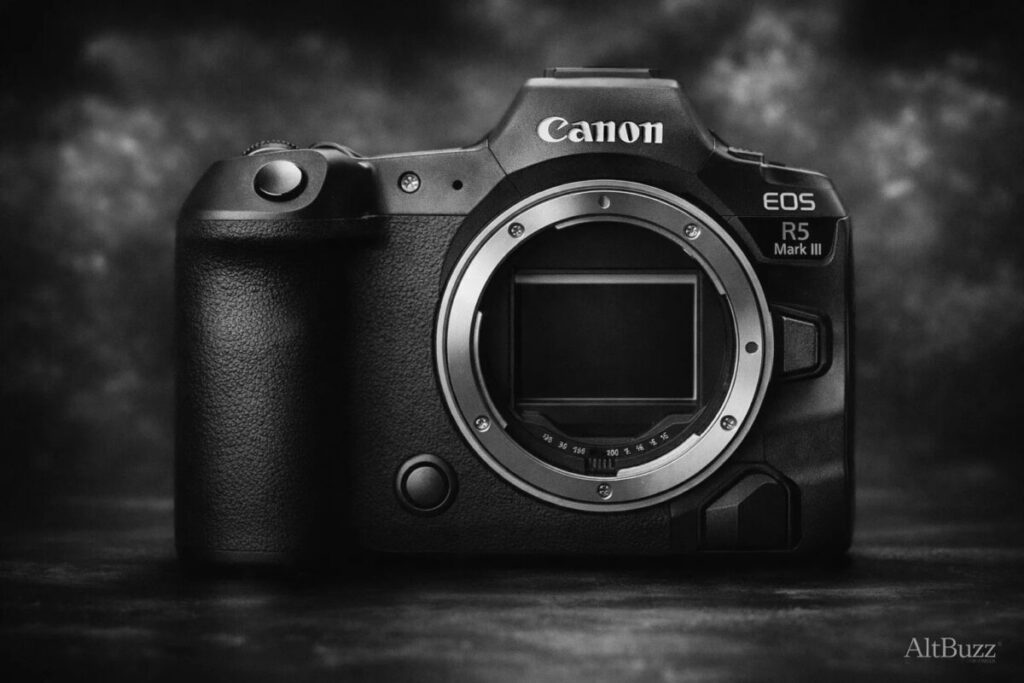
Why The EOS R7 Mark II Matters More Than Many Full Frame Cameras
Many photographers obsess over full frame cameras.
That focus often overshadows one important reality.
APS-C remains incredibly relevant.
Wildlife photographers, aviation enthusiasts, sports shooters, and outdoor photographers frequently prefer APS-C systems because of their effective reach advantage.
Canon understood this when it introduced the original EOS R7.
The camera quickly developed a reputation for speed, versatility, and strong value.
Now attention is shifting toward its rumored successor.
If Canon executes this upgrade correctly, the EOS R7 Mark II could become one of the most important enthusiast cameras of the decade.
Rumored Specifications
| Feature | Rumored EOS R7 Mark II |
| Sensor | APS-C BSI CMOS |
| Resolution | 40-45MP |
| Processor | DIGIC X2 |
| Burst Rate | 40-60 fps |
| Autofocus | Dual Pixel AF III |
| Video | 8K30, 4K120 |
| IBIS | Up to 8 Stops |
| EVF | 5.76M Dot |
| Storage | Dual UHS-II |
| Connectivity | Wi-Fi 7 |
Sensor Analysis
The sensor may represent the most significant upgrade.
Industry observers increasingly expect Canon to adopt a backside illuminated APS-C design.
A BSI architecture would improve light gathering efficiency.
That improvement could provide several benefits.
Higher dynamic range.
Cleaner shadows.
Better low-light performance.
Faster readout speeds.
These advantages would make the camera especially attractive for wildlife photographers.
Many wildlife photographers crop heavily. A high-resolution APS-C sensor offers additional flexibility without requiring extremely expensive telephoto lenses.
Potential Resolution Advantage
Rumors suggest a resolution between 40 and 45 megapixels.
That number may seem excessive for APS-C.
However, it could prove extremely valuable in practical situations.
Bird photographers often work with distant subjects.
Even slight cropping flexibility can make a dramatic difference.
A 45MP APS-C sensor would provide extraordinary detail when paired with quality RF lenses.
Autofocus Expectations
Canon currently operates one of the strongest autofocus systems in the industry.
The next generation could become even more sophisticated.
Expected improvements include:
- Faster subject acquisition
- Better bird tracking
- Improved eye detection
- Enhanced vehicle recognition
- More reliable tracking in cluttered environments
Sports photographers would likely benefit significantly from these changes.
Video Potential
The original EOS R7 already offered strong video capabilities.
Its successor could move much closer to professional territory.
Potential features include:
- Oversampled 4K
- Internal 10-bit recording
- 8K capture
- Improved thermal management
- Advanced log profiles
Hybrid creators would likely find tremendous value here.
Lens Ecosystem Advantages
One factor often overlooked in rumor discussions is lens support.
Canon’s RF ecosystem continues expanding rapidly.
Wildlife shooters already have access to excellent telephoto options.
The EOS R7 Mark II would benefit from that growing lens lineup immediately.
Who Should Be Excited?
The EOS R7 Mark II could become a dream camera for:
- Wildlife photographers
- Sports shooters
- Aviation photographers
- Nature enthusiasts
- Hybrid content creators
Among all rumored cameras on this list, it may ultimately deliver the strongest value proposition.
2. Sony A7S IV Rumors
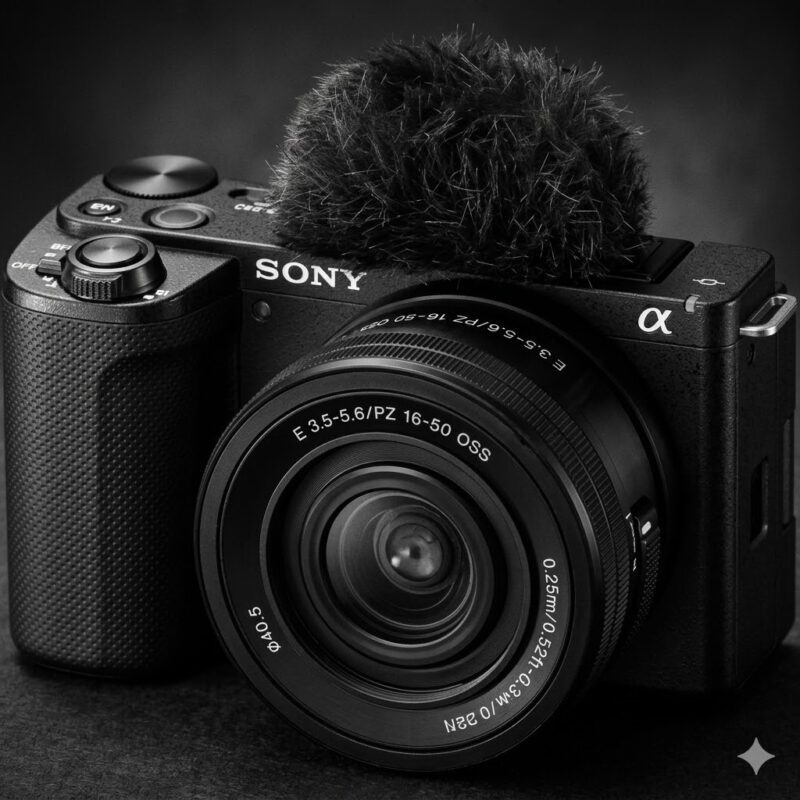
The Camera Filmmakers Have Been Waiting For
Few cameras have achieved the legendary status of the A7S series.
Sony created a product line that prioritized video performance above megapixel marketing.
That strategy worked.
Filmmakers embraced the A7S family because it excelled where it mattered most.
Low light.
Dynamic range.
Video quality.
Reliability.
Now expectations for the rumored Sony A7S IV are reaching extraordinary levels.
Rumored Specifications
| Feature | Rumored Sony A7S IV |
| Sensor | Full Frame Stacked CMOS |
| Resolution | 12-16MP |
| Processor | New BIONZ XR |
| Video | 8K Recording |
| Frame Rates | Up to 4K240 |
| Dynamic Range | 15+ Stops |
| Cooling | Active Cooling System |
| Storage | CFexpress Type A |
| Autofocus | AI Subject Recognition |
| Connectivity | Professional Streaming Features |
Why Sony May Keep Resolution Low
Many consumers mistakenly associate higher resolution with superior performance.
Professional video creators understand the tradeoffs.
Lower-resolution sensors often provide:
- Faster readout speeds
- Better low-light capability
- Reduced rolling shutter
- Improved thermal efficiency
Sony appears committed to that philosophy.
A 12-16MP sensor could remain the ideal balance for video production.
Stacked Sensor Possibilities
The most exciting rumor involves a potential stacked sensor architecture.
Stacked sensors dramatically improve data throughput.
This affects:
- Autofocus performance
- Burst rates
- Video readout
- Rolling shutter behavior
For filmmakers, rolling shutter reduction alone would represent a substantial upgrade.
Fast camera movements often reveal sensor limitations.
A stacked design could minimize those issues.
Dynamic Range Expectations
Dynamic range remains one of the most important image quality metrics.
Professional cinematographers value highlight retention and shadow recovery.
Sony’s sensor technology already performs exceptionally well.
Many analysts expect the A7S IV to push performance even further.
If true, filmmakers could gain additional flexibility during color grading.
Codec and Recording Improvements
Modern creators demand extensive recording options.
Possible additions include:
- Internal RAW
- ProRes Recording
- Advanced XAVC Formats
- Higher Bitrates
- Expanded Color Sampling
These features would strengthen Sony’s position in professional production environments.
Thermal Management
Heat remains one of the most difficult engineering challenges in modern cameras.
High-resolution video creates enormous processing demands.
The A7S IV could incorporate a more advanced active cooling system.
Such a design would appeal to:
- Documentary filmmakers
- Wedding videographers
- Commercial production teams
- Event videographers
Long recording reliability often matters more than headline specifications.
The Competitive Landscape
Sony faces strong competition.
Manufacturers continue improving aggressively.
The A7S IV cannot simply match existing capabilities.
It must establish new benchmarks.
That requirement explains why anticipation remains so high.
1. Leica M12 Rumors
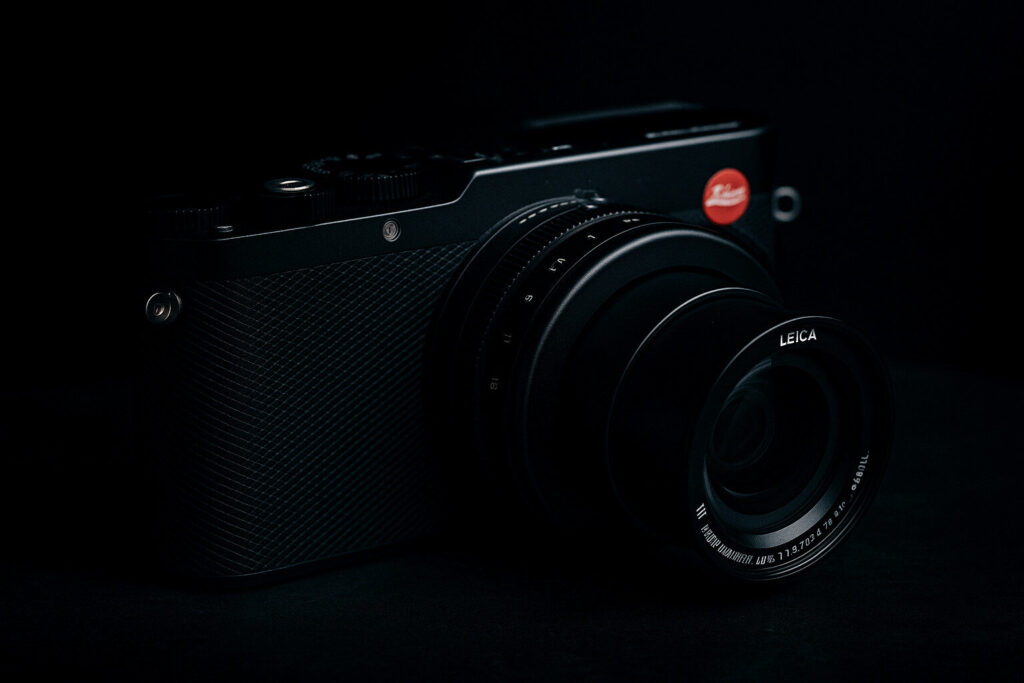
The Most Fascinating Camera Rumor of 2027
No camera on this list generates stronger emotional reactions than the Leica M12.
The reason extends beyond specifications.
Leica represents something increasingly rare.
A photographic philosophy.
While many manufacturers focus on automation, Leica continues emphasizing the photographer’s involvement in the creative process.
That approach has earned remarkable loyalty.
The rumored M12 could become one of the most significant Leica releases in years.
Rumored Specifications
| Feature | Rumored Leica M12 |
| Sensor | New Full Frame BSI CMOS |
| Resolution | 60-80MP |
| Dynamic Range | Improved Performance |
| ISO Range | Expanded Sensitivity |
| Processor | New Leica Imaging Engine |
| Storage | Dual Storage |
| Connectivity | Advanced Wireless Features |
| Battery | Higher Capacity |
| Construction | Premium Metal Body |
Why Leica Cameras Remain Unique
Most modern cameras pursue speed and automation.
Leica takes a different approach.
The M series encourages deliberate photography.
Users focus on composition.
Timing.
Observation.
Patience.
That philosophy continues attracting photographers despite rapid technological change.
Sensor Expectations
Sensor rumors have generated intense discussion.
Some reports suggest Leica may introduce one of its most advanced sensors ever.
Potential improvements include:
- Higher dynamic range
- Better shadow recovery
- Improved highlight retention
- Cleaner high ISO files
- Faster readout speeds
For landscape photographers, these enhancements could prove especially valuable.
Resolution Rumors
Resolution speculation ranges from 60 to 80 megapixels.
Such figures may sound excessive.
However, Leica users often demand exceptional detail.
Many produce large exhibition prints.
Others rely on significant cropping flexibility.
Higher resolution aligns naturally with those requirements.
The Rangefinder Experience
No discussion of Leica is complete without addressing the rangefinder.
The M system offers an experience unavailable elsewhere.
Photographers view the world differently through a rangefinder.
Many users describe it as more immersive and intentional.
The M12 will likely preserve that identity.
Design Philosophy
Leica rarely redesigns successful products dramatically.
Instead, engineers focus on refinement.
Potential improvements could include:
- Better ergonomics
- Improved weather sealing
- Enhanced battery life
- Faster startup times
- More efficient menu systems
These changes may appear minor individually.
Collectively, they could significantly improve usability.
Lens Compatibility
One of Leica’s greatest strengths is continuity.
Many lenses remain usable across multiple generations.
This protects long-term investments.
It also reinforces Leica’s reputation for system longevity.
The M12 would almost certainly continue that tradition.
Market Positioning
The Leica M12 will not target mainstream consumers.
It does not need to.
Leica serves a specialized audience willing to prioritize craftsmanship, heritage, and photographic experience.
That niche remains remarkably strong.
Why The M12 Could Become The Most Important Leica In Years
The M11 established a strong foundation.
The M12 has an opportunity to refine every aspect of that formula.
If Leica successfully balances tradition with modern technology, the camera could become a landmark release.
Head-to-Head Comparison
| Category | Leica M12 | Sony A7S IV | Canon EOS R7 Mark II |
| Best For | Street Photography | Filmmaking | Wildlife Photography |
| Resolution | Highest | Lowest | Medium |
| Video Capability | Moderate | Outstanding | Strong |
| Autofocus | Moderate | Excellent | Excellent |
| Portability | Excellent | Very Good | Very Good |
| System Cost | Highest | Medium | Lowest |
| Learning Curve | High | Medium | Low |
| Professional Potential | Very High | Very High | Very High |
Which Rumored Camera Should You Wait For?
The answer depends entirely on your needs.
Choose the Leica M12 if you value the photographic experience above everything else.
Choose the Sony A7S IV if video production defines your workflow.
Choose the Canon EOS R7 Mark II if you want exceptional reach, speed, and versatility.
Each camera targets a different audience.
Each solves different problems.
That diversity makes this rumored lineup particularly exciting.
Final Thoughts
The top 3 most anticipated camera rumors of 2027 reveal an industry moving in several fascinating directions simultaneously.
Canon appears focused on maximizing APS-C performance.
Sony continues pursuing video excellence.
Leica remains dedicated to the art of photography itself.
None of these cameras are officially announced.
Specifications may change.
Release dates may shift.
Some rumors may prove inaccurate.
Even so, these three models currently represent the most compelling possibilities on the horizon.
If even half of the rumored improvements become reality, photographers could be looking at one of the most exciting years in recent camera history.
Read More from AltBuzz
Read more from AltBuzz for camera reviews, rumors, and detailed specs.
AltBuzz delivers trusted and easy-to-understand photography content.
Altbuzz: https://altbuzzmedia.com
Subscribe AltBuzz YouTube Channel
Stay updated with camera reviews, rumors, and comparisons.
AltBuzz shares regular camera content.
Subscribe Altbuzz: https://www.youtube.com/@AltBuzzMedia