
Canon EOS C300 Mark IV: A Technical Look at What Could Come Next
No credible source has reported a Canon EOS C300 Mark IV in active development. The current Mark III launched back in 2020, and it now shows as discontinued on Canon’s own official store listing, replaced in availability by newer stock rather than a confirmed successor. Searching through every major cinema camera rumor tracker turns up no leaked specification sheet, no registered model filing, and no insider report pointing toward an imminent Mark IV announcement.
This article takes a technical, evidence-based approach rather than reporting a fabricated leak. Since no genuine rumor exists, we will build a grounded picture of what a Canon EOS C300 Mark IV would realistically need to include, based on three real sources of information. First, the actual sensor architecture, dynamic range, and codec depth of the current Mark III. Second, Canon’s own modular Cinema EOS design philosophy, visible across the C300, C500, and C700 lines. Third, genuine technical wishlist discussion from working cinematographers who have publicly outlined what they want from this exact camera. Consider this a technical projection, not rumor coverage.
Why No Genuine C300 Mark IV Leak Currently Exists
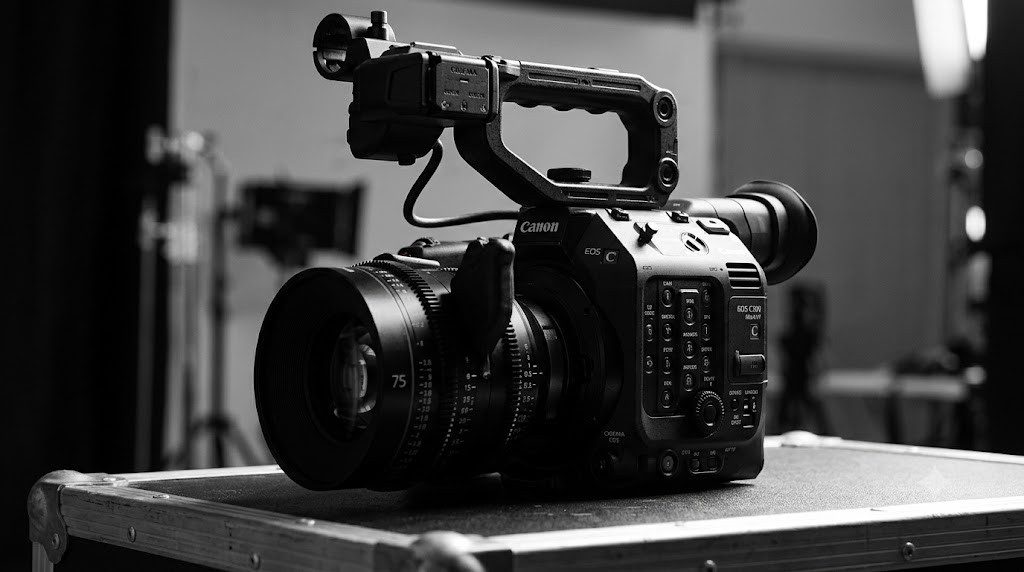
Before speculating on specifications, it helps to understand why this camera has generated so little real rumor activity despite the Mark III’s aging platform.
The Mark III Already Shows Discontinued Status
According to retail listings tracking Canon’s Cinema EOS lineup, the EOS C300 Mark III now appears as no longer available for new orders, with retailers directing customers toward similar current products instead. This discontinued status typically signals a manufacturer is either preparing a successor or consolidating its lineup around adjacent models, though Canon has not clarified which scenario applies here specifically.
Canon’s Pandemic-Era Cinema EOS Delays Set a Precedent
Cinema EOS development has faced genuine disruption before. Coverage from Canon-focused rumor trackers around 2021 and 2022 described planned Cinema EOS updates, including new modules for the C300 Mark III and C500 Mark II, that were delayed by pandemic-related production issues and the broader semiconductor shortage affecting the entire camera industry. This history shows Canon’s cinema line has previously experienced multi-year gaps between planned and actual releases, a pattern that could easily explain the current silence around any Mark IV development.
A Genuine Fan Wishlist Exists, But No Leak
Working cinematographers have publicly discussed what they want from a Mark IV successor on cinematography-focused forums, proposing everything from higher resolution sensors to modular accessory improvements. This kind of detailed wishlist discussion reflects genuine professional interest in an eventual successor, but it represents community speculation rather than any confirmed information from Canon itself.
Understanding the Current C300 Mark III’s Technical Architecture
Any realistic projection of a Mark IV must start from a clear technical understanding of what the current camera already delivers.
The Dual Gain Output Sensor Explained
The C300 Mark III uses Canon’s Super 35mm Dual Gain Output sensor, a genuinely clever piece of engineering that reads each pixel using two different amplifier gains simultaneously. According to Canon’s own official product materials, this DGO sensor combines a saturation-prioritizing amplifier for bright highlight detail with a separate noise-prioritizing amplifier for shadow detail, then merges both readings into a single image with exceptional dynamic range and low noise across the entire tonal range.
Dynamic Range and Dual Log Gamma Support
Canon rates the DGO sensor at more than 16 stops of dynamic range when using Canon Log 2, according to official specifications, with Canon Log 3 offering a slightly reduced but still strong 14-stop range in exchange for faster color grading turnaround. This dual gamma option gives cinematographers genuine flexibility depending on production timeline pressure, choosing maximum dynamic range for feature film work or faster Log 3 processing for tighter broadcast deadlines.
Internal Codec Architecture
The Mark III records Canon Cinema RAW Light internally to dual CFexpress card slots, according to official Canon specifications, alongside 10-bit 4:2:2 XF-AVC recording for productions that do not require full RAW workflow overhead. This internal RAW capability, without needing an external recorder, represented a genuine workflow simplification when the Mark III launched, removing a piece of production hardware that earlier Cinema EOS bodies typically required for RAW capture.
Modular Body Design Shared With the C500 Mark II
According to Canon’s official product information, the C300 Mark III shares its body architecture directly with the C500 Mark II, giving both cameras access to the same expansion module ecosystem. This modularity lets cinematographers reconfigure the camera for handheld documentary work, studio production, or gimbal-mounted cinematography using the same core body, a genuinely flexible approach that has become a signature of Canon’s higher-end Cinema EOS design philosophy.
What Cinematographers Have Publicly Requested From a Successor
Beyond Canon’s own engineering direction, genuine professional wishlist discussion offers useful insight into what working cinematographers actually want from this camera’s next generation.
Higher Resolution With Flexible Subsampling
Cinematography forum discussion has specifically requested resolution comparable to Sony’s Burano, currently sitting around 8.6K, paired with clean subsampled output at intermediate resolutions like 6K, 4K, and 1080p rather than requiring a physical sensor crop to access lower resolutions. This kind of flexible subsampling architecture would let cinematographers match resolution to specific delivery requirements without sacrificing field of view or introducing an additional crop factor.
Full Frame, Super 35, and Super 16 Crop Modes
Professional wishlist discussion has also requested selectable full-frame, Super 35mm, and Super 16mm crop modes accessible directly through the camera’s touch controls. This kind of flexible sensor cropping would let a single camera body serve productions with dramatically different lens ecosystems, from vintage Super 16 glass prized for its distinctive character to modern full-frame cinema primes designed for maximum resolving power.
Improved Menu and Multi-Camera Control
Cinematographers have specifically requested resolving a longstanding Cinema EOS ergonomic limitation, where pressing the camera’s joystick control does not directly access ISO or shutter speed selection the way it does on Canon’s original C100 body. Beyond this specific control refinement, wishlist discussion also envisions deeper multi-camera control integration, allowing one camera body to monitor and adjust settings across an entire multi-camera array without requiring a separate mobile control app.
Technical Specifications a Canon EOS C300 Mark IV Would Likely Need
Building on the Mark III’s existing architecture and genuine professional demand, several technical upgrade paths seem plausible for an eventual successor.
Advancing Beyond the Current Dual Gain Output Design
Given how well the DGO sensor architecture has performed across the Mark III’s production lifespan, a Mark IV would likely refine this same dual-gain approach rather than abandoning it entirely. A meaningful upgrade path would involve extending dynamic range further while maintaining or improving noise performance at higher ISO settings, since low-light capability remains a genuine differentiator for documentary and narrative productions working in challenging available-light conditions.
A Resolution Increase Without Sacrificing Readout Speed
Any resolution increase beyond the Mark III’s current 4K-oriented sensor would need to preserve fast sensor readout to avoid introducing rolling shutter artifacts during handheld or gimbal-mounted work. Following the technical logic already visible in Sony’s Burano and Venice 2 platforms, a stacked or partially stacked sensor architecture would likely accompany any genuine resolution jump, prioritizing readout speed alongside the higher pixel count itself.
Continued Modular Compatibility With Existing Accessories
Given how deeply Canon’s expansion module ecosystem has become embedded in professional Cinema EOS workflows, a Mark IV would almost certainly need to maintain backward compatibility with existing C300 Mark III and C500 Mark II accessories, or risk alienating productions and rental houses that have invested heavily in this modular hardware over multiple camera generations.
Expanded Internal Codec Options
Building on the existing Cinema RAW Light implementation, a successor would likely introduce either improved compression efficiency at the same quality level or an additional higher bit-depth codec option, reducing storage burden on long-form documentary and episodic television productions without compromising the grading flexibility that makes RAW capture valuable in the first place.
Why Canon Would Likely Approach a Mark IV Conservatively
Understanding Canon’s broader Cinema EOS philosophy helps explain why any eventual Mark IV would probably prioritize refinement over dramatic reinvention.
Protecting an Established Production Standard
The C300 Mark III has earned formal approval for Netflix productions, according to Canon’s own official product materials, a certification that reflects rigorous technical validation against strict streaming platform delivery standards. Sony has strong incentive to preserve whatever specific technical characteristics earned this certification, meaning a Mark IV would likely maintain core color science and codec behavior rather than risk losing this hard-earned production approval status through an aggressive redesign.
A Deliberate Release Cadence Across the Cinema EOS Line
Canon’s Cinema EOS lineup has historically moved through multi-year development cycles between major sensor architecture changes, reflecting the genuine engineering complexity involved in developing new sensor technology alongside extensive production validation testing. A Mark IV built with this same deliberate pacing would likely arrive only once its underlying sensor technology has been thoroughly proven internally, rather than rushing to market ahead of full validation.
Balancing Cinema EOS Against Canon’s Broader R Series
Canon’s mirrorless R series cinema-adjacent bodies, including the EOS R5 C, have increasingly absorbed some hybrid stills-and-video demand that might otherwise fall to smaller Cinema EOS bodies. This dynamic gives Canon genuine flexibility in how aggressively it needs to push Cinema EOS development, since overlapping capability across product lines reduces pressure to rush any single camera to market purely to satisfy competitive concerns.
Should Productions Wait for a Canon EOS C300 Mark IV
Given the complete absence of any confirmed development timeline, this question carries real practical weight for productions currently planning camera packages.
The Case for Continuing With Available Cinema EOS Bodies Now
Productions with an immediate need for Cinema EOS capability should not delay equipment decisions based on unconfirmed speculation. The C500 Mark II, sharing core architecture with the discontinued C300 Mark III, remains genuinely available and capable, offering a similar DGO sensor and modular design without requiring speculation about an unconfirmed successor.
The Case for Monitoring Canon’s Broader Roadmap
Productions planning multi-year equipment investments may benefit from watching how sensor and processing technology evolves across Canon’s broader mirrorless and cinema lineup, since meaningful engineering advances often appear first in adjacent product lines before eventually migrating into a dedicated Cinema EOS refresh.
Frequently Asked Questions About the Canon EOS C300 Mark IV
Is the Canon EOS C300 Mark IV an officially confirmed camera?
No. There is currently no credible leak, registration filing, or insider report confirming a C300 Mark IV exists in development. Everything in this article represents technically grounded speculation based on the Mark III’s existing architecture and Canon’s broader Cinema EOS strategy.
Why does the C300 Mark III show as discontinued?
Retail listings currently show the Mark III as no longer available for new orders. Canon has not officially clarified whether this reflects lineup consolidation around the related C500 Mark II or preparation for a genuine successor.
What is a Dual Gain Output sensor?
A Dual Gain Output sensor reads each pixel using two different amplifier gains simultaneously, combining a saturation-prioritizing reading for highlights with a noise-prioritizing reading for shadows into one image with expanded dynamic range and lower noise.
Would a Mark IV use a global shutter sensor?
No confirmed information exists on this point. Given Canon’s conservative approach to Cinema EOS sensor changes, a fast stacked sensor design seems more plausible than a full global shutter, following patterns already visible in other manufacturers’ cinema-tier cameras.
What resolution might a Canon EOS C300 Mark IV offer?
Professional wishlist discussion has specifically requested resolution in the range of Sony’s Burano, around 8.6K, though no confirmed information exists regarding Canon’s actual target resolution for any eventual successor.
Final Thoughts on the Canon EOS C300 Mark IV
No confirmed rumor, leak, or insider report currently points toward a Canon EOS C300 Mark IV in active development. What does exist is a technically coherent picture built from the Mark III’s proven Dual Gain Output architecture, Canon’s established modular Cinema EOS design philosophy, and genuine professional wishlist discussion from cinematographers who have publicly outlined what they want from this exact camera’s next generation. Based on this evidence, a future Mark IV would likely prioritize refined dynamic range, careful resolution increases without sacrificing readout speed, and continued modular compatibility over dramatic reinvention.
Whether Canon moves forward with this successor in the near term remains genuinely uncertain, particularly given the Mark III’s current discontinued retail status without any official successor announcement. We will continue monitoring Canon’s Cinema EOS roadmap for any genuine signal that this development has begun.
Read More from Altbuzz
For more cinema camera coverage, check our Sony VENICE 3 technical speculation, our Canon EOS C500 Mark II versus C300 Mark III comparison, and our complete guide to Canon’s Cinema EOS lineup for deeper context on this professional camera category.
Follow every Canon Cinema EOS update and production camera news at altbuzzmedia.com.
Subscribe to Altbuzz YouTube Channel
Full technical breakdowns of the Canon EOS C300 Mark III, comparisons against the C500 Mark II and Sony’s Burano, and ongoing coverage of Canon’s Cinema EOS roadmap are live on the Altbuzz YouTube channel @AltBuzzMedia. Subscribe now for weekly cinema camera analysis and gear breakdowns through the rest of 2026.