
Top 5 Upcoming Cameras in 2027: What Photographers Should Watch For
Several of the camera industry’s biggest names have quietly pushed their most anticipated releases into 2027, and the pattern behind these delays tells its own story. Rather than rushing flagship technology to market, Nikon and Canon in particular appear to be taking extra time to integrate genuinely new capabilities rather than shipping incremental updates on a rigid schedule.
This article rounds up the five upcoming cameras in 2027 generating the most credible rumor activity right now. We will cover what pushed each camera into next year, what technology each one is expected to bring, and why these delays might actually benefit photographers willing to wait. Every camera on this list remains unconfirmed, so we will be upfront about what counts as informed speculation versus manufacturer confirmation throughout.
1. Nikon Z9 II: A Flagship Delayed by RED Integration

Nikon’s professional flagship successor tops this list, largely because its delay carries a genuinely fascinating explanation behind it.
Why the Z9 II Slipped Into 2027
Nikon’s original Z9 launched in December 2021, and industry speculation initially expected a successor to arrive around the Winter Olympics in Milan, following the flagship camera industry’s traditional pattern of timing major releases around the Olympic calendar. That timeline has since shifted, with current rumor coverage now pointing toward a 2027 release instead, driven specifically by heavy RED technology integration that requires additional development time.
RED Technology as the Centerpiece
Nikon’s 2024 acquisition of RED Digital Cinema continues reshaping the company’s flagship product roadmap in ways that extend well beyond its dedicated Cinema camera lineup. According to Nikon’s official RED acquisition announcement, the deal specifically aimed to accelerate value creation by integrating RED’s image processing and compression technologies across Nikon’s broader imaging business. The Z9 II represents the first major stills-focused flagship expected to genuinely showcase this integration, rather than simply carrying the RED name as a marketing footnote.
What This Means for Professional Photographers
Professional sports and wildlife photographers who rely on the current Z9 should not expect an imminent replacement. Given how directly this delay ties to genuine engineering integration rather than simple scheduling conflicts, the eventual Z9 II likely represents a more substantial technological leap than a typical mid-cycle refresh, making the wait considerably more justifiable than a delay caused by mere market timing.
Expected Sensor and Processing Improvements
Beyond the RED integration itself, speculation around the Z9 II points toward meaningful sensor and processing improvements building on the original Z9’s already strong foundation. The current Z9 uses a 45.7-megapixel stacked sensor paired with Nikon’s EXPEED 7 processor, a combination that already delivers class-leading autofocus and burst performance. Any successor would need to advance meaningfully beyond this baseline, likely through improved readout speed, expanded dynamic range, or genuinely new computational photography features drawing on RED’s image processing expertise.
How the Olympic Calendar Once Shaped Flagship Timing
Understanding why photographers originally expected the Z9 II around the Winter Olympics requires looking at how flagship camera releases have historically aligned with major sporting events. Camera manufacturers traditionally timed flagship launches to coincide with the Olympics, since these events generate enormous professional demand and press attention simultaneously. The shift away from this traditional timing, driven specifically by RED integration requirements, shows how genuine technology development can override even deeply established industry release patterns.
2. Canon EOS R7 Mark II: The Most Delayed Camera of Its Generation

Few cameras have tested photographer patience quite like the Canon EOS R7 Mark II, which has now slipped through three consecutive expected release years.
A Three Year Journey From Rumor to Reality
The R7 Mark II generated significant rumor activity throughout 2025, then appeared to shift toward a 2026 release window, and current industry chatter now places its actual announcement in 2027 instead. This repeated delay has made it arguably the most anticipated but least materialized camera of its entire generation, testing the patience of APS-C shooters who have watched Canon prioritize other product lines in the meantime.
Matching Fujifilm’s Resolution Benchmark
According to industry rumor coverage, the R7 Mark II is expected to become Canon’s first APS-C camera to match the 40-megapixel resolution benchmark Fujifilm’s X-series bodies have already established. This resolution jump reportedly comes paired with an 8K video upgrade, though limited specifically to UHD resolution at 7680 by 4320 rather than full DCI 8K, apparently to avoid overlapping too closely with the capabilities Canon reserves for its EOS R5 Mark II.
A Physically Larger Body for Heat Management
Speculation suggests the R7 Mark II will adopt a physically larger body, reportedly comparable in size to the EOS R5, a change likely necessary to accommodate a proper heat dispersion system capable of sustaining 8K recording without overheating. This size increase would represent a meaningful departure from the original R7’s more compact form factor, trading some portability for genuinely sustained high-resolution video performance.
What Existing R7 Owners Should Expect
Photographers currently shooting with the original EOS R7 should understand that any eventual Mark II would represent a considerably different camera in terms of size and handling, not simply an internal specifications refresh. The reported jump to an R5-comparable body means current R7 owners accustomed to a smaller, lighter wildlife and sports setup would need to adjust their expectations around portability, even while gaining substantially improved resolution and video capability in exchange.
Autofocus and Burst Rate Expectations
Beyond resolution and video improvements, rumor coverage consistently points toward meaningful autofocus refinements accompanying the R7 Mark II’s launch, likely drawing on AI-driven subject detection technology already proven across Canon’s more recent full-frame releases. Wildlife and sports photographers who chose the original R7 specifically for its combination of APS-C reach and strong autofocus tracking would likely find these improvements particularly valuable, given how much this camera’s core audience depends on reliable subject tracking for fast-moving action.
3. Canon EOS R1 Successor: The Next Flagship Leap

Canon’s current flagship EOS R1 has occupied the top of Canon’s mirrorless lineup since its release, and industry speculation now points toward a genuine successor arriving in 2027.
Following Canon’s Established Flagship Cadence
According to industry analysis tracking Canon’s overall roadmap, 2026 is shaping up as a year of refinement and trickle-down technology across the R5, R8, and R7 lines, while 2027 is expected to deliver Canon’s next genuine flagship leap. This pattern mirrors how Canon has historically staged its releases, refining mid-tier bodies first before channeling accumulated engineering improvements into a new flagship generation.
What a Successor Would Need to Address
Given how recently the current EOS R1 established Canon’s flagship mirrorless direction, a genuine successor would need to deliver meaningful advances in autofocus sophistication, processing speed, and video capability to justify photographer investment in an upgrade. Canon’s own pattern of refining R5 and R7 technology throughout 2026 suggests much of that refined technology could eventually filter upward into this next flagship generation.
A Possible Refreshed R6 Alongside the Flagship
Current speculation also suggests Canon could pair this flagship successor with a refreshed EOS R6, alongside a possible niche creative model rounding out the 2027 announcement wave. This pattern would follow Canon’s established strategy of clustering related announcements together, giving photographers across multiple price tiers reason to pay attention to the same announcement window.
Learning From the Current EOS R1’s Reception
Understanding how the current EOS R1 has performed within Canon’s professional lineup offers useful context for what a genuine successor would need to accomplish. The R1 established Canon’s flagship mirrorless direction with strong autofocus performance and processing speed, though professional feedback has continued to push for further refinement in specific areas like buffer depth and continued autofocus reliability under extreme conditions. Any successor would need to address these specific professional concerns directly rather than simply iterating on existing specifications.
Video Capability Expectations for a Flagship Successor
Given how heavily competing flagship cameras from Sony and Nikon have pushed video capability in recent years, a genuine EOS R1 successor would likely need to match or exceed these rivals on video specifications alongside its core stills photography strengths. Professional sports and news photographers increasingly need hybrid capability from a single flagship body, making video performance a genuinely important consideration even for a camera primarily associated with stills photography excellence.
4. Canon EOS R5 Mark III: A 60 Megapixel Hybrid Contender
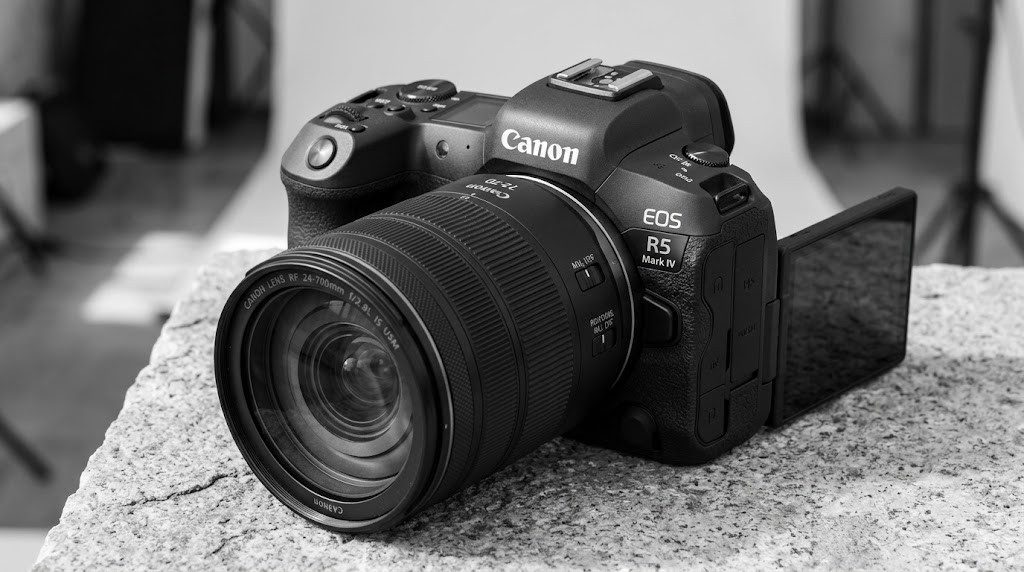
Canon’s high-resolution hybrid flagship represents another genuinely significant 2027 rumor, building directly on the R5 line’s established reputation.
Building on an Influential Camera Line
The original Canon EOS R5 has remained one of the most influential hybrid cameras since its 2020 release, combining high-resolution stills capture with genuinely advanced video capabilities in a single body. Its direct successor, the R5 Mark II, already refined autofocus, processing speed, and thermal performance considerably, extending the line’s relevance well into the current camera generation.
Rumored Resolution and Autofocus Improvements
Current speculation points toward a sensor exceeding 60 megapixels for the R5 Mark III, alongside advanced AI-driven autofocus improvements and continued 8K video capability. This resolution figure would push the R5 line meaningfully ahead of its current specifications, positioning it more directly against high-resolution rivals from other manufacturers while maintaining the hybrid stills-and-video versatility that has defined this camera line since its introduction.
Why This Camera Matters for Working Professionals
Wedding, commercial, and portrait photographers who have built their workflow around the R5 line represent the core audience most invested in this rumor. A genuine resolution and autofocus upgrade would meaningfully benefit photographers who need maximum cropping flexibility for client deliverables alongside strong video capability for increasingly hybrid client requests.
Storage and Workflow Implications of Higher Resolution
A jump beyond 60 megapixels would meaningfully increase file sizes compared to the current R5 Mark II, a consideration working photographers should factor into their equipment planning well before any eventual purchase. Larger raw files demand faster memory cards, increased storage capacity, and more powerful editing computers to maintain an efficient workflow, costs that extend well beyond the camera body’s own purchase price and deserve genuine consideration alongside the exciting resolution figures themselves.
Positioning Against Sony and Nikon’s High Resolution Rivals
A 60-megapixel-plus sensor would position the R5 Mark III more directly against high-resolution rivals like Sony’s a7R series and Nikon’s Z8, cameras that have already established strong reputations specifically around maximum resolution capture. Canon’s challenge with this rumored update involves matching that resolution benchmark while still preserving the hybrid stills-and-video versatility that has always distinguished the R5 line from more resolution-focused, stills-only competitors.
5. Nikon’s Fixed-Lens Compact Full-Frame Camera
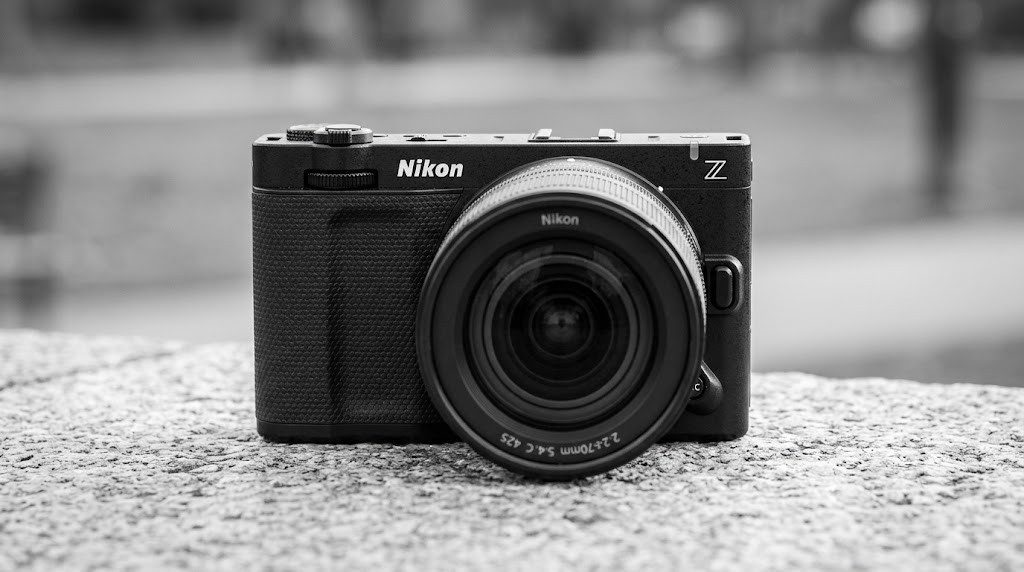
Rounding out this list is a genuinely different kind of camera entirely, representing Nikon’s push into an entirely new product category.
A New Direction Following the Canceled DL Series
According to industry rumor coverage, Nikon is developing a compact full-frame fixed-lens camera without a built-in viewfinder, designed specifically for photography rather than hybrid video use. This represents Nikon’s most serious attempt at a premium compact camera since the ill-fated Coolpix A and the canceled DL series, both of which failed to establish a lasting presence in Nikon’s lineup.
Sharing DNA With the Nikon ZR
Speculation suggests this rumored camera would borrow design language from the Nikon ZR mirrorless cinema camera, though reworked specifically for stills photographers rather than video creators. This connection suggests Nikon intends to leverage engineering work already completed for the ZR platform, potentially accelerating development compared to building an entirely new camera concept from scratch.
Entering a Genuinely Crowded Market
This rumored camera would launch into one of the most competitive compact camera segments in recent memory, competing directly against the Fujifilm X100VI, Ricoh GR IV, Sony RX1R III, and Leica Q3. Nikon’s absence from this category has been notable for years, and a genuine entry here would signal the company’s recognition that compact fixed-lens cameras represent a meaningfully growing market rather than a declining niche.
Lessons From the Coolpix A and DL Series Failures
Understanding why this rumored camera carries genuine significance requires acknowledging Nikon’s previous struggles in this exact category. The Coolpix A launched back in 2013 with an APS-C sensor and a premium price point, but ultimately failed to establish meaningful market traction against competitors. The subsequent DL series never even reached retail shelves, canceled during development due to a combination of technical challenges and a compact camera market that had not yet experienced its current resurgence. A successful 2027 entry would need to learn genuinely from both failures, likely benefiting from the full-frame sensor size advantage and the dramatically improved compact camera market conditions that did not exist during either previous attempt.
Market Timing Finally Favors This Category
Unlike Nikon’s previous compact camera attempts, this rumored 2027 release would launch during a period of genuine renewed enthusiasm for premium compact cameras, driven largely by younger photographers and content creators seeking dedicated cameras with genuine character rather than smartphone convenience alone. This shifted market context substantially improves the odds that a well-executed Nikon compact camera could finally succeed where the Coolpix A and DL series both struggled.
Honorable Mentions Worth Watching Alongside the Top Five
Beyond the five cameras covered in detail above, several additional 2027 rumors deserve at least brief mention for photographers tracking the broader industry landscape.
A Refreshed Canon EOS R6
Speculation suggests Canon could pair its rumored flagship successor with a refreshed EOS R6, giving enthusiast photographers a more accessible option built around technology trickling down from the flagship development process. This pairing strategy would follow Canon’s established pattern of clustering related announcements to maximize attention across multiple price tiers simultaneously.
A Possible Niche Creative Model From Canon
Industry chatter also hints at a possible niche creative camera rounding out Canon’s 2027 announcement wave, though details remain considerably vaguer than the flagship and R6 rumors. This kind of speculative addition often emerges alongside major flagship launches as manufacturers test appetite for more experimental product categories without committing significant marketing resources upfront.
Nikon’s Continued APS-C Development
Beyond the Z9 II and the rumored compact fixed-lens camera, Nikon’s broader roadmap also points toward continued APS-C development, potentially including a new high-end DX model. Given how much attention Nikon’s flagship and compact camera rumors have absorbed, this APS-C development thread has received comparatively less public attention despite representing a genuinely important part of Nikon’s overall 2027 strategy.
How These 2027 Cameras Could Reshape Lens Ecosystems
Beyond the camera bodies themselves, several of these rumored releases carry meaningful implications for how photographers invest in lenses over the coming years.
RED Technology’s Potential Ripple Effect on Nikon Glass
If the Nikon Z9 II genuinely showcases deep RED technology integration as expected, this could signal broader changes to how Nikon approaches lens and sensor pairing across its entire Z-mount lineup. Photographers investing heavily in Nikon glass today should watch closely for any indication that RED’s compression and processing technology influences future lens design requirements, since a genuinely transformed sensor architecture sometimes demands corresponding optical adjustments.
Canon’s Growing 8K Lens Demands
As Canon pushes both the rumored R7 Mark II and R5 Mark III toward genuine 8K video capability, lens resolving power becomes an increasingly important consideration for photographers planning long-term system investments. Older RF lenses that performed admirably at lower resolutions may reveal their limitations more clearly once paired with these higher resolution, 8K capable bodies, potentially accelerating demand for Canon’s newest RF lens designs.
A New Lens Category for Nikon’s Compact Camera
Since Nikon’s rumored fixed-lens compact camera would use a permanently attached optic rather than an interchangeable lens system, this camera exists somewhat separately from broader Z-mount lens ecosystem considerations. However, its success or failure could meaningfully influence whether Nikon pursues additional fixed-lens concepts in the future, following a similar pattern to how Fujifilm’s X100 series success encouraged that company to continue developing complementary fixed-lens models.
Why So Many Flagship Cameras Are Landing in the Same Year
Looking across this entire list, a clear pattern emerges regarding why 2027 has become such a concentrated landing point for major camera announcements.
Genuine Technology Integration Takes Time
Several cameras on this list, particularly the Nikon Z9 II and Canon’s rumored flagship successor, trace their delays directly to substantial technology integration rather than simple scheduling conflicts. RED’s compression and processing technology reportedly requires meaningful engineering work to properly integrate into Nikon’s existing platform, while Canon’s flagship cadence suggests genuine architectural advances rather than incremental refinement.
A More Deliberate Approach to Flagship Releases
Camera manufacturers appear increasingly willing to delay flagship releases rather than rush incomplete technology to market, a shift that likely benefits photographers in the long run even if it tests patience in the short term. Rather than releasing a flagship camera annually regardless of genuine technological readiness, this more deliberate approach suggests manufacturers are prioritizing meaningful generational leaps over predictable release schedules.
What This Means for Current Equipment Owners
Photographers currently using the existing Z9, R5 Mark II, or R1 should feel confident these cameras remain genuinely competitive tools rather than aging equipment desperately awaiting replacement. The extended development timelines behind their eventual successors suggest current flagship bodies will continue receiving strong support and remain relevant well into 2027, rather than becoming obsolete the moment a successor eventually arrives.
Should You Wait for These 2027 Cameras or Buy Now
This question carries genuine weight for photographers currently planning significant equipment investments.
The Case for Buying Current Flagship Bodies Now
Professionals with an immediate need for flagship-level capability should not delay purchases indefinitely based on unconfirmed 2027 speculation. Current flagship bodies from both Nikon and Canon remain genuinely excellent tools, and waiting years for an unconfirmed successor carries real opportunity cost for photographers who need reliable equipment for paying work today.
The Case for Waiting on Specific Categories
Photographers specifically interested in Nikon’s rumored compact fixed-lens camera, a genuinely new product category rather than an incremental update, have reasonable grounds to wait and see how this camera actually materializes, since no direct Nikon alternative currently exists in this space. Similarly, APS-C shooters who have already waited through multiple delayed R7 Mark II timelines may find the extra patience required for 2027 worthwhile given the genuine resolution and video improvements reportedly involved.
Frequently Asked Questions About Upcoming Cameras in 2027
Are any of these 2027 cameras officially confirmed?
No. Every camera covered in this roundup remains unconfirmed by its respective manufacturer. Everything discussed here represents informed industry speculation based on rumor coverage, patent filings, and established manufacturer release patterns rather than official announcements.
Why have so many flagship cameras been delayed into 2027?
Several cameras on this list, particularly the Nikon Z9 II and Canon’s rumored flagship successor, trace their delays to genuine technology integration challenges rather than simple scheduling issues. Nikon’s RED acquisition specifically requires meaningful engineering work to properly integrate compression and processing technology into existing camera platforms.
Which 2027 camera represents the biggest departure from existing technology?
Nikon’s rumored compact fixed-lens full-frame camera stands out as the most genuinely new product category on this list, representing an entirely different market segment compared to the flagship successors and refinements found elsewhere in this roundup.
Should I delay a camera purchase to wait for these 2027 releases?
Photographers with an immediate professional need should not delay purchases indefinitely based on unconfirmed speculation. Current flagship bodies from Nikon and Canon remain genuinely competitive tools, and several cameras on this list have already slipped from earlier rumored release windows.
How reliable are rumors about the Canon EOS R7 Mark II specifically?
The R7 Mark II has already slipped through multiple previously rumored release windows, moving from 2025 to 2026 and now to 2027. While rumor coverage around its expected specifications remains fairly consistent across sources, its actual release timing has proven genuinely difficult to predict accurately.
What sensor resolution is rumored for the Nikon Z9 II?
Specific resolution figures for the Z9 II remain less certain than its RED integration timeline, though any successor would likely build meaningfully on the current Z9’s 45.7-megapixel stacked sensor rather than pursuing a dramatic resolution jump, given the flagship’s continued emphasis on speed and autofocus performance.
Will Nikon’s rumored compact camera have interchangeable lenses?
No. Current speculation describes this camera as a fixed-lens design, similar to competitors like the Fujifilm X100VI and Ricoh GR IV, rather than an interchangeable lens system like Nikon’s broader Z-mount lineup.
How does the Canon EOS R5 Mark III compare to Sony and Nikon’s high-resolution cameras?
If the rumored 60-megapixel-plus sensor materializes as expected, the R5 Mark III would compete more directly against Sony’s a7R series and Nikon’s Z8, while still maintaining the hybrid stills-and-video versatility that has always distinguished Canon’s R5 line from more resolution-focused rivals.
Why did Nikon’s previous compact camera attempts fail?
The 2013 Coolpix A struggled to establish market traction despite its APS-C sensor and premium positioning, while the subsequent DL series was canceled entirely before reaching retail shelves due to development challenges and a compact camera market that had not yet experienced its current resurgence in popularity.
Is Canon planning to release its 2027 flagship and R5 Mark III at the same time?
Current speculation does not clearly indicate simultaneous releases. Canon’s established pattern typically staggers major announcements across the year, though both cameras are expected within the same general 2027 timeframe based on current industry roadmap analysis.
What happens if these cameras slip further into 2028?
Given how many cameras on this list have already experienced multiple delays, further slippage into 2028 remains a genuine possibility for any single entry. Photographers should treat every date discussed in this roundup as a current best estimate rather than a firm commitment from any manufacturer.
Final Thoughts on the Top Upcoming Cameras in 2027
The cameras generating the most credible 2027 rumor activity share a common thread. Each one represents either substantial technology integration, like Nikon’s RED-powered Z9 II, or Canon’s methodical flagship cadence building toward genuine generational leaps rather than predictable annual refreshes. Nikon’s rumored compact fixed-lens camera stands apart as a genuinely new product category rather than a successor to existing technology, reflecting the company’s recognition that premium compact cameras represent real, growing demand.
Nothing on this list is officially confirmed, and delays across this entire category have already proven common, with several of these cameras having already slipped from their originally rumored timelines. We will continue tracking every update across this list as new details emerge throughout 2026 and into 2027.
Read More from Altbuzz
For more camera rumor coverage, check our Nikon Z4 rumored compact camera breakdown, our Canon EOS R5 Mark II review, and our best APS-C mirrorless cameras buying guide for additional context on these upcoming releases.
Follow every 2027 camera rumor and flagship release update at altbuzzmedia.com.
Subscribe to Altbuzz YouTube Channel
Full breakdowns of every camera on this list, ongoing coverage of the Nikon Z9 II and Canon’s flagship roadmap, and continued camera rumor tracking are live on the Altbuzz YouTube channel @AltBuzzMedia. Subscribe now for weekly camera rumor breakdowns through the rest of 2026 and into 2027.