
Sony a7S IV: Why This Long-Awaited Camera Splits Opinion Right Down the Middle
The Sony a7S IV has become one of the most anticipated cameras in the entire Alpha lineup, largely because photographers have waited an unusually long time for it. The a7S III launched back in July 2020, and Sony typically refreshes its camera lines every four to five years. That timeline has already stretched well past the usual cycle, fueling increasingly detailed speculation about what direction Sony will finally take with this long-overdue video specialist.
This article breaks down everything currently circulating about the Sony a7S IV. We will cover the central debate dividing rumor sources, the sensor resolution question at the heart of that debate, expected video capabilities, and why this particular camera carries so much weight for Sony’s reputation among professional videographers. We will also look at realistic timing given how long this camera has already been delayed. By the end, you will understand exactly why the a7S IV rumor mill has become so genuinely contentious.
Why the Sony a7S IV Has Taken So Long
Understanding the current rumor landscape requires first acknowledging just how unusual this extended wait has become.
A Five Year Gap and Counting
According to Sony’s official a7S III specifications, the current model launched in July 2020, meaning the a7S IV rumor has now stretched across a genuinely unusual gap even by Sony’s own standards. Industry analysts tracking Sony’s typical four to five year refresh cycle have watched multiple expected announcement windows pass without confirmation, including a widely speculated late 2025 timeframe that came and went without any official word from Sony.
NAB Show 2026 as a Realistic Announcement Window
Professional trade shows have historically influenced Sony’s camera announcement timing, and NAB Show 2026, held in April, represents one of the more plausible windows currently being discussed for an eventual a7S IV reveal. Product launches timed around major industry trade shows allow Sony to maximize press coverage and professional attention, a pattern the company has followed consistently across its Cinema Line and Alpha releases alike.
The Central Debate: 24 Megapixels or Stay True to Low Light Roots
No single question divides current a7S IV speculation more than what resolution Sony will ultimately choose for this camera’s sensor.
The Case for a 24 Megapixel Jump
Prominent camera industry commentary has argued Sony should abandon its traditionally ultra-low megapixel approach for the A7S line and move toward something closer to 24 megapixels, giving users considerably more flexibility without sacrificing core video performance. This perspective suggests Sony should prioritize resolution flexibility for hybrid shooters who want strong stills capability alongside video performance, rather than continuing to serve an increasingly narrow low-light specialist niche.
The Case for Preserving the Low-Light Identity
A competing school of thought argues Sony should preserve exactly what made the A7S line legendary in the first place. Speculation around a 16-megapixel partially stacked sensor, a genuine step up from the a7S III’s 12-megapixel chip, represents a middle path that still preserves the large-photosite philosophy responsible for the A7S series’ exceptional low-light reputation while offering modest resolution gains.
Why This Debate Matters So Much
This resolution question genuinely matters because it defines whether Sony intends to keep the A7S line as a specialized low-light tool or transform it into a more broadly appealing hybrid camera. Community reaction to this debate has been genuinely split, with some photographers welcoming more resolution flexibility while others worry that chasing higher megapixel counts would dilute the exact specialization that built this camera line’s reputation over multiple generations.
Sony a7S IV Rumored Sensor Technology
Beyond the resolution debate itself, several specific sensor technology rumors have emerged with genuine consistency across multiple sources.
A New Partially Stacked Sensor Design
Current speculation points toward a partially stacked sensor architecture rather than the fully stacked design found in Sony’s fastest cameras. This approach would still meaningfully improve readout speed and reduce rolling shutter compared to the a7S III, without the cost and complexity of a fully stacked sensor that a video-focused camera may not strictly require.
Dual-Layer Transistor Pixel Technology
Some rumor coverage mentions dual-layer transistor pixel technology potentially appearing in the new sensor, a design that better separates the photodiode from the readout circuit at the pixel level. This architectural improvement would theoretically increase dynamic range and improve noise performance across the sensor’s entire ISO range, addressing two areas where even the excellent a7S III has room for meaningful improvement.
An Extreme ISO Ceiling
Speculation suggests an expected ISO range reaching from 80 all the way up to 409,600, an extraordinary ceiling that would set a new industry standard for extreme low-light capability. More practically relevant than this extreme maximum figure is where the camera delivers genuinely clean, professional-grade footage, with community analysis suggesting usable results as high as ISO 51,200 based on the rumored sensor architecture.
Sony a7S IV Rumored Video Capabilities
Video specifications represent the area photographers scrutinize most closely, given the A7S line’s entire identity centers on video performance.
The 6K Versus 4K Question
Alongside the resolution debate, a parallel discussion has emerged around whether the a7S IV will finally push into 6K recording or maintain a 4K-focused architecture more aligned with the series’ low-light heritage. Some speculation suggests full-frame 4K at 60 frames per second with 6K oversampling, eliminating the APS-C crop that a7S III users have tolerated for years without introducing a full 6K recording mode outright.
Addressing a Longstanding Autofocus Criticism
One consistent criticism of the a7S III involved autofocus performance lagging behind Sony’s more stills-focused camera bodies. Current speculation suggests meaningful autofocus improvements represent a genuine priority for the a7S IV, likely drawing on AI-driven subject recognition technology already proven across Sony’s more recent Alpha releases.
Storage and Connectivity Expectations
Rumor coverage points toward dual CFexpress Type A and SD UHS-II card slots, giving videographers both a high-bitrate primary recording option and a more cost-effective backup or proxy recording slot. USB-C 3.2 Gen 2 connectivity would support fast wired data offload, tethered shooting, and in-field charging from portable power banks, a genuinely important practical benefit for documentary work in remote locations without reliable wall power access.
Who the Sony a7S IV Would Actually Serve
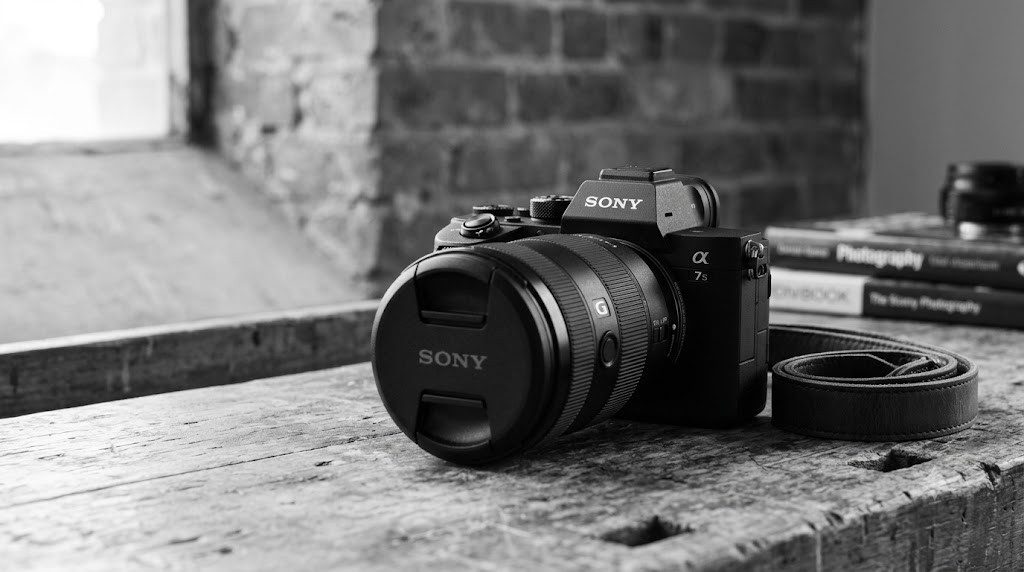
Understanding the intended audience helps clarify why this resolution and video architecture debate carries so much weight.
Wildlife and Nocturnal Documentary Filmmakers
Documentary filmmakers working in near-darkness or dimly lit interiors represent the core audience this camera would need to serve above all else. Wildlife documentary work in particular often involves waiting hours for nocturnal animals to appear, and when that moment finally comes, low light, fast movement, and distance all conspire against image quality simultaneously. The rumored sensor and autofocus improvements would directly address exactly this demanding use case.
Live Event and Concert Videographers
Concert and live performance venues present genuinely extreme lighting challenges, with dramatic contrast between stage lighting and deep shadows between spotlights. Low-light performance remains the single most important camera characteristic in this specific context, making the a7S IV a natural first choice for professional live performance videography if the rumored sensor improvements materialize as expected.
Hybrid Shooters Weighing the Resolution Tradeoff
Photographers and videographers who want genuine hybrid capability, shooting both stills and video from the same body, represent the audience most directly affected by the ongoing resolution debate. A jump toward 24 megapixels would serve this hybrid audience considerably better than maintaining the current ultra-low resolution approach, even if it means a modest tradeoff in absolute low-light performance compared to a more specialized sensor design.
How the a7S IV Relates to Sony’s Broader Cinema Line Strategy
This rumor does not exist entirely in isolation from Sony’s other current camera development.
A Shared Sensor With the Rumored FX3 Mark II
Current speculation suggests the rumored FX3 Mark II would share the a7S IV’s updated sensor and cooling system, reflecting Sony’s established pattern of distributing sensor technology across multiple product lines rather than developing entirely separate architectures for each camera. This shared development approach likely accelerates both cameras toward release once the underlying sensor technology reaches production readiness.
Sony’s Broader 2026 Strategy of Calculated Refinement
Rather than pursuing bold experimental categories, current industry analysis suggests Sony’s overall 2026 approach favors refining proven sensor technology and extending it across multiple camera bodies once thoroughly validated. This calculated, low-risk strategy suggests Sony feels little pressure to rush the a7S IV to market before its underlying sensor technology has been fully proven internally.
Real World Scenarios Where the a7S IV Rumors Matter Most
Beyond the spec sheet debate, it helps to understand exactly how these rumored improvements would change practical, everyday production work.
Run and Gun Documentary Shooting
Documentary crews working in unpredictable, fast-moving situations depend heavily on a camera that performs reliably without extensive setup time. Improved autofocus tracking, if the rumored AI-driven subject recognition materializes as expected, would meaningfully reduce missed focus during handheld run-and-gun shooting, a genuine limitation photographers have noted with the current a7S III when compared to Sony’s more stills-focused camera bodies.
Multi-Camera Production Environments
Productions using multiple camera bodies simultaneously benefit enormously from consistent sensor technology and color science across every unit in the array. A shared sensor architecture between the a7S IV and the rumored FX3 Mark II would let productions mix and match bodies more freely, maintaining consistent image characteristics across an entire multi-camera setup without requiring extensive color matching in post-production.
Remote and Off-Grid Filming Locations
Wildlife and nature documentary work frequently takes place far from reliable power infrastructure, making the rumored USB-C 3.2 Gen 2 charging support a genuinely practical benefit rather than a minor convenience. Crews working multi-day expeditions in remote locations depend heavily on the ability to recharge equipment from portable power banks, and this connectivity detail alone could meaningfully influence purchasing decisions for documentary specialists.
Frequently Asked Questions About the Sony a7S IV
Is the Sony a7S IV officially confirmed?
No. Sony has not announced this camera. Every detail in this article represents informed speculation based on industry sources, patent filings, and Sony’s established development patterns rather than an official announcement.
Why has the Sony a7S IV taken so long to arrive?
The a7S III launched in July 2020, already stretching past Sony’s typical four to five year refresh cycle. Multiple speculated announcement windows, including late 2025, have passed without confirmation, making this one of the longest waits in the Alpha lineup’s recent history.
Will the Sony a7S IV increase resolution significantly?
This remains genuinely contested. Some speculation points toward a jump to approximately 24 megapixels for greater hybrid flexibility, while other sources suggest a more modest 16-megapixel partially stacked sensor that preserves the series’ traditional low-light specialization.
Will the Sony a7S IV support 6K video recording?
This also remains uncertain. Current speculation leans toward full-frame 4K at 60fps with 6K oversampling rather than a dedicated 6K recording mode, though sources disagree on whether Sony will ultimately push further into true 6K capture.
When might the Sony a7S IV be announced?
No official date exists. NAB Show 2026 in April has emerged as one of the more plausible announcement windows currently being discussed, given Sony’s historical pattern of timing major announcements around professional trade shows.
Should Videographers Wait for the Sony a7S IV
Given how long this rumor has already stretched, this question carries genuine practical weight for videographers currently planning equipment purchases.
The Case for Buying the a7S III Now
Videographers with an immediate professional need should not continue waiting indefinitely for an unconfirmed successor. The a7S III remains a genuinely excellent low-light camera today, and its price has likely become more accessible as Sony’s broader lineup has expanded around it.
The Case for Waiting a Little Longer
Given how consistently NAB Show 2026 has emerged as a plausible announcement window, videographers who can comfortably delay a purchase for a few more months may benefit from waiting to see how Sony resolves the ongoing resolution and video architecture debate before committing to either the aging a7S III or a considerably more expensive alternative system entirely.
Final Thoughts on the Sony a7S IV
The Sony a7S IV represents one of the most genuinely contested camera rumors currently circulating, torn between photographers who want Sony to modernize the A7S line with more resolution and hybrid flexibility, and those who want the company to preserve the extreme low-light specialization that built this camera line’s legendary reputation in the first place. Whichever direction Sony ultimately takes, the decision will meaningfully shape how documentary filmmakers, concert videographers, and low-light specialists approach their next equipment investment.
Nothing here is officially confirmed, and Sony has given no indication of a specific launch date. Given how long this camera has already been delayed, we will continue tracking every update on this story closely as new details emerge throughout 2026.
Read More from Altbuzz
For more Sony coverage, check our Sony a7S III review, our Sony a9 IV rumor breakdown, and our best low-light video cameras buying guide for additional context on this competitive category.
Follow every Sony Alpha release and Cinema Line update at altbuzzmedia.com.
Subscribe to Altbuzz YouTube Channel
Full hands-on impressions of the Sony a7S III, ongoing coverage of the rumored a7S IV, and continued Sony Alpha lineup breakdowns are live on the Altbuzz YouTube channel @AltBuzzMedia. Subscribe now for weekly camera rumor breakdowns and gear analysis through the rest of 2026.