
Fujifilm GFX100RF: The Camera That Made Medium Format Genuinely Portable
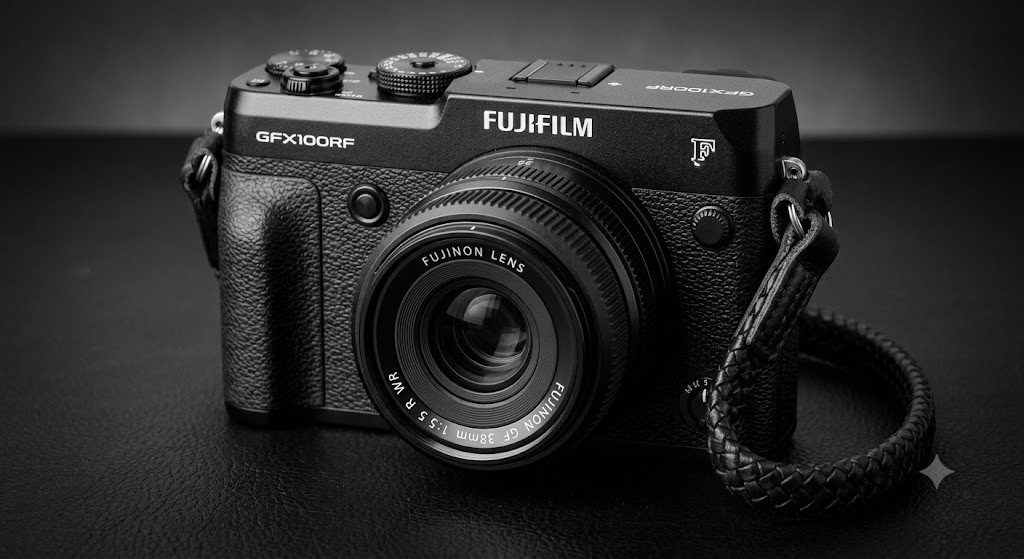
The Fujifilm GFX100RF changed what people expect from medium format photography the moment Fujifilm announced it on March 20, 2025. For the first time in GFX history, Fujifilm built a fixed-lens camera around its large-format sensor, creating something that had never really existed before. A genuinely pocketable, rangefinder-style body carrying the same resolution and image quality that once required a bulky interchangeable lens system.
This article breaks down everything worth knowing about the Fujifilm GFX100RF. We will cover the sensor, the custom-built lens, the unique Aspect Ratio Dial, and the video capabilities packed into this surprisingly light body. We will also compare it against the GFX100S II it shares a sensor with, alongside rivals like the Leica Q3 and X100VI. By the end, you will understand exactly why this camera has become such a talking point among street, travel, and landscape photographers who never thought medium format belonged in their bag.
What Is the Fujifilm GFX100RF and Why It Matters
Understanding the significance of this camera requires looking at what came before it within Fujifilm’s own medium format lineup.
The First Fixed-Lens Camera in GFX History
According to Fujifilm’s own official announcement, the GFX100RF is the first digital camera with a fixed lens in the history of the GFX System. Every previous GFX camera required photographers to choose and mount a separate lens, adding bulk and cost to an already premium system. The GFX100RF broke that pattern entirely, pairing a purpose-built lens directly to the body in a way no GFX camera had attempted before.
Redefining Portability for Medium Format
Fujifilm’s own marketing language captures the ambition behind this release directly. According to the same official announcement, Victor Ha, vice president of FUJIFILM North America’s Electronic Imaging division, described the GFX100RF as redefining portability for the GFX System, bridging the company’s Straight Out of Camera philosophy with the GFX System’s resolution advantage in a small, easy-to-carry package.
An Achievement in Industrial Design
Coverage from Jonas Rask Photography, a photographer who tested early prototypes ahead of launch, describes the GFX100RF as barely bigger than an X-Pro3, calling it an incredible achievement to fit a medium format sensor into such a compact housing. This comparison matters enormously, since the X-Pro3 is an APS-C camera, making the GFX100RF’s footprint genuinely remarkable given the much larger sensor sitting inside it.
Fujifilm GFX100RF Sensor and Image Quality
At the heart of this camera sits the same resolution advantage that has defined the entire GFX lineup since its introduction.
A 102 Megapixel Medium Format Sensor
The GFX100RF uses the GFX 102MP CMOS II HS sensor, according to Fujifilm’s official specifications, delivering a sensor area approximately 1.7 times larger than a standard 35mm full-frame sensor. This same sensor architecture already powers the GFX100S II, meaning the GFX100RF inherits a genuinely proven imaging foundation rather than launching with unproven technology.
The X-Processor 5 Handles Every Calculation
Processing duties fall to Fujifilm’s X-Processor 5, the same high-speed engine found across the company’s current X Series and GFX cameras. According to Macfilos, this processing power supports genuinely useable images across nearly any crop or aspect ratio the camera offers, since the sensor’s base resolution provides enormous headroom even after significant cropping.
Real World Cropping Flexibility
According to CineD’s coverage of the announcement, even a quarter crop from the GFX100RF’s native resolution still delivers a 25-megapixel final image, more than enough for most professional and personal use cases. Macfilos further details this flexibility, noting that cropping from the native 35mm equivalent focal length to roughly 80mm still yields a 20-megapixel image, while a crop to 45mm produces 62 megapixels and a crop to 63mm delivers 31 megapixels.
Fujifilm GFX100RF Lens: A Custom Built 35mm f/4
Since this camera introduced a fixed lens format to the GFX System, Fujifilm needed to design something entirely new rather than adapting an existing interchangeable option.
Engineering a Genuinely Compact Medium Format Lens
According to Fujifilm’s official Japanese press release, the company developed an entirely new 35mm f/4 lens exclusively for the GFX100RF, equivalent to a 28mm field of view in 35mm full-frame terms. By adopting a leaf shutter system instead of a traditional focal plane shutter, Fujifilm shortened the lens’s back focus distance, freeing up space that allowed for significant size reduction across the entire lens assembly.
Optical Construction and Coating Technology
The lens uses a configuration of 10 elements across 8 groups, including two aspherical elements, according to Fujifilm’s official specifications. A newly developed nano-GI coating, optimized specifically for lenses with pronounced curvature, suppresses light reflection even toward the lens’s peripheral areas, contributing directly to the sharp, high-resolution performance the camera delivers across its frame.
A Genuine Pancake Lens Despite Medium Format Constraints
Macfilos describes the resulting lens as a masterpiece of miniaturization, extending only 30 millimeters from the camera body despite covering a medium format image circle. This achievement becomes even more impressive considering the physical constraints medium format optics typically demand, where larger image circles usually require correspondingly larger and heavier glass.
A Built-In Neutral Density Filter
According to CineD’s announcement coverage, the GFX100RF includes a built-in 4-stop ND filter, giving photographers direct control over exposure in bright conditions without needing to carry or attach a separate physical filter. This feature proves particularly useful for wide aperture shooting in daylight, a genuine convenience that fixed-lens cameras rarely offer at this level of integration.
The Aspect Ratio Dial: A Genuinely Novel Control
Perhaps no single feature defines the GFX100RF’s personality more than its dedicated physical dial for switching image aspect ratios.
A Direct Nod to Large Format Photography History
According to Fujifilm’s official announcement, the GFX100RF is the first camera to feature an Aspect Ratio Dial, allowing users to switch between nine different shooting formats derived directly from photographic and large format film history. CineD’s coverage counts these options at eight distinct aspect ratios, including familiar formats like 4:3 and 1:1 alongside more unusual panoramic options like 65:24.
The 65:24 Panoramic Format Deserves Special Mention
Macfilos highlights the 65:24 panoramic aspect ratio as a genuine standout, noting this format still produces 50-megapixel images, twice the resolution of a full-frame camera’s standard 24-megapixel output. According to Macfilos, Fujifilm modeled this specific aspect ratio after the historic TX1 camera, giving photographers direct access to a beloved panoramic format that has otherwise remained largely unavailable in modern digital cameras.
Physical Control Over Digital Convenience
This dedicated dial stands in sharp contrast to how most modern cameras handle aspect ratio selection. Macfilos specifically compares this to the Fujifilm X100VI, noting that camera offers fewer aspect ratio choices and requires navigating into a menu system to change them, rather than providing instant physical access through a dedicated control.
Fujifilm GFX100RF Design and Build Quality
Beyond its technical specifications, the GFX100RF represents a genuine design achievement that photographers and reviewers have consistently praised.
Remarkably Light for a Medium Format Camera
According to Fujifilm’s own specifications, the GFX100RF weighs approximately 735 grams including battery and SD card, making it the lightest camera in the entire GFX lineup. CineD’s coverage frames this weight in relatable terms, noting it weighs no more than a Leica Q3, a full-frame fixed-lens camera with a considerably smaller sensor.
Machined Aluminum Construction
The camera’s body is milled from a single 500-gram block of aluminum, according to CineD’s reporting, contributing to both its durability and its distinctive tactile quality. Jonas Rask Photography’s early hands-on impressions specifically note how Fujifilm transferred design language from the X100VI onto this new GFX camera, sharpening the body’s edges further thanks to new possibilities unlocked by this aluminum milling process.
A Minimalist, Dial Driven Interface
Jonas Rask’s coverage emphasizes that despite its technical sophistication, the GFX100RF maintains a minimalist design focused on presenting core photographic functionality through classic dial-based operation rather than burying controls in touchscreen menus. This design philosophy appeals directly to photographers who value tactile, deliberate shooting over software-driven interfaces.
Fujifilm GFX100RF Autofocus and Stabilization
While medium format cameras have historically lagged behind smaller formats in autofocus speed, the GFX100RF pushes this capability further than any previous GFX camera.
AI Driven Subject Detection
According to CineD’s coverage, Fujifilm improved autofocus considerably on the GFX100RF, introducing an AI-driven system capable of detecting faces, eyes, animals, birds, vehicles, and airplanes. This breadth of subject recognition brings the GFX100RF’s autofocus capability much closer to what photographers already expect from Fujifilm’s X Series cameras, addressing a longstanding weakness across medium format systems generally.
Five Axis Digital Stabilization
Since the GFX100RF’s compact body could not accommodate traditional in-body mechanical stabilization, Fujifilm instead implemented five-axis digital stabilization, according to CineD’s reporting. This system helps photographers capture sharper handheld images and smoother handheld video, compensating for the absence of mechanical IBIS through computational processing instead.
Fujifilm GFX100RF Video Capabilities
Though positioned primarily as a stills camera, the GFX100RF includes genuinely capable video specifications worth understanding.
4K Recording With Strong Dynamic Range
According to Fujifilm’s official Japanese press release, the GFX100RF supports smooth 4K30P recording at 4:2:2 10-bit color depth, alongside F-Log2 support delivering over 13 stops of dynamic range for flexible color grading in post-production. This combination gives videographers genuine creative latitude despite the camera’s primary focus on photography.
Frame.io Integration for Cloud Workflows
The GFX100RF supports Fujifilm’s Camera to Cloud service through Frame.io compatibility, according to the official press release, allowing both video and still image files to upload directly to cloud storage during a shoot. This integration significantly speeds up the workflow between capture and editing, a genuinely valuable feature for working professionals managing tight deadlines.
Fujifilm GFX100RF vs the GFX100S II
Since both cameras share core sensor technology, understanding their differences clarifies exactly who each camera actually serves.
Shared Sensor, Completely Different Philosophy
According to Jonas Rask Photography, the GFX100RF uses the same 44x33mm 102-megapixel CMOS II sensor found in the GFX100S II, meaning image quality potential remains essentially identical between the two cameras. The real distinction lies entirely in form factor and intended use case, with the GFX100S II offering full interchangeable lens flexibility against the GFX100RF’s fixed 35mm f/4 optic.
Choosing Between Flexibility and Portability
Photographers who need multiple focal lengths for varied assignments should lean toward the GFX100S II and its interchangeable lens system. Photographers who prioritize genuine portability, spontaneous street shooting, or simply want the lightest possible entry into medium format photography will find the GFX100RF’s fixed lens design considerably more appealing, especially given the substantial weight and bulk savings it delivers.
Fujifilm GFX100RF vs the Leica Q3 and Fujifilm X100VI
Positioning the GFX100RF within the broader premium fixed-lens camera market reveals both its unique advantages and its genuine tradeoffs.
A Genuine Size and Weight Rival to the Leica Q3
As CineD’s coverage notes directly, the GFX100RF weighs no more than the Leica Q3, despite carrying a considerably larger medium format sensor compared to the Q3’s full-frame chip. This places the GFX100RF in a genuinely unusual position, offering a meaningful resolution and sensor size advantage over a camera it matches almost exactly on portability.
Where the Fujifilm X100VI Still Has an Edge
The Fujifilm X100VI remains a smaller, lighter, and considerably more affordable option within Fujifilm’s own lineup, using an APS-C sensor rather than medium format. Photographers prioritizing pure portability and budget over maximum resolution will likely still prefer the X100VI, while those specifically chasing medium format image quality in a compact body have no real alternative to the GFX100RF within Fujifilm’s current catalog.
Fujifilm GFX100RF Pricing and Special Editions
Understanding the camera’s actual cost and its ongoing product story helps complete the picture of where it sits in the market today.
Launch Pricing and Availability
According to Fujifilm’s official North American announcement, the GFX100RF became available in late April 2025 at a Manufacturer’s Suggested Retail Price of 4,899.95 dollars in the United States and 6,999 Canadian dollars in Canada. European pricing, according to Fuji Addict, landed at 5,499 euros.
The Fragment Edition Limited Release
Fujifilm expanded the GFX100RF’s story further in late 2025 with a genuinely striking limited edition variant. According to Fuji Addict’s coverage, the GFX100RF Fragment Edition launched in collaboration with Hiroshi Fujiwara’s fragment design studio, featuring anodized aluminum on the top case polished to a mirror-like shine and a deep, lustrous black finish distinct from the standard model’s more subdued appearance.
Real World Battery Life and Handling Notes
Long-term testing reveals practical details that matter considerably for photographers considering this camera for everyday use.
Genuinely Strong Battery Performance
According to Macfilos’s extended long-term test, the GFX100RF uses the same 2200mAh NP-W235 battery found across Fujifilm’s interchangeable lens GFX cameras, with Fujifilm claiming approximately 820 shots per charge. Macfilos reports comfortably exceeding 500 shots in real world use without particularly conservative power management, a genuinely strong result for a camera carrying this much processing power.
A Notable Power Switch Quirk
Despite strong overall battery performance, Macfilos identifies one genuine annoyance worth knowing about. The camera’s power lever can be nudged accidentally while stored in a bag, and the camera has a tendency to wake itself repeatedly even when it should power down automatically after a couple of minutes of inactivity. Photographers should develop a habit of double-checking the power switch before placing the camera into a bag to avoid unexpected battery drain.
Who Should Buy the Fujifilm GFX100RF
Understanding the ideal buyer for this camera helps clarify whether it deserves a place in your own kit.
Street and Travel Photographers Chasing Maximum Detail
The GFX100RF’s combination of genuine portability and enormous resolution makes it an outstanding choice for street and travel photographers who want maximum image quality without carrying a bulky interchangeable lens system. The fixed 35mm equivalent focal length suits a wide range of everyday shooting scenarios, from candid street scenes to expansive travel landscapes.
Landscape Photographers Who Value the Aspect Ratio Dial
Landscape photographers stand to benefit enormously from the dedicated Aspect Ratio Dial, particularly the 65:24 panoramic option that Macfilos singled out as a personal favorite for capturing scenes where both sky and foreground dominate the composition.
Photographers Who Do Not Need Interchangeable Lenses
Given its fixed lens design, the GFX100RF makes the most sense for photographers who have already decided a single, versatile focal length suits their shooting style. Those who need multiple lenses for varied assignments should look toward the interchangeable lens GFX100S II instead.
Final Thoughts on the Fujifilm GFX100RF
The Fujifilm GFX100RF represents a genuine milestone in medium format photography, proving that Fujifilm’s large-format sensor technology could fit into a body barely bigger than an APS-C rangefinder camera. A 102-megapixel sensor, a purpose-built 35mm f/4 lens, and the genuinely novel Aspect Ratio Dial all combine to create a camera unlike anything else currently available. Strong autofocus, capable 4K video, and battery life that holds up to real world demands round out a package that has earned enthusiastic praise from reviewers who tested it extensively.
At 4,899.95 dollars, the GFX100RF remains a significant investment, but one that delivers a genuinely unique combination of resolution and portability unavailable anywhere else in the current camera market.
Read More from Altbuzz
For more Fujifilm medium format coverage, check our Fujifilm GFX100S II review, our Fujifilm GFX 180 rumor breakdown, and our Leica Q3 versus Fujifilm X100VI comparison for additional context on this growing fixed-lens category.
Follow every Fujifilm GFX release and medium format update at altbuzzmedia.com. For dedicated Fujifilm coverage, follow Fuji Addict at fujiaddict.com.
Subscribe to Altbuzz YouTube Channel
Full hands-on impressions of the Fujifilm GFX100RF, comparisons against the GFX100S II and Leica Q3, and ongoing medium format coverage are live on the Altbuzz YouTube channel @AltBuzzMedia. Subscribe now for weekly camera reviews and gear breakdowns through the rest of 2026.