
Nikon Z50 II Review: Nikon’s Entry-Level Camera Finally Gets Flagship Autofocus
The Nikon Z50 II arrived on November 7, 2024, and it changed what photographers should expect from an entry-level APS-C camera. Rather than delivering a modest spec bump over the original Z50, Nikon dropped its flagship EXPEED 7 processor into this budget-friendly body, bringing autofocus technology previously reserved for the Z9 and Z8 down to a camera costing a fraction of the price. That single decision reshapes nearly everything this camera can do.
This article breaks down everything worth knowing about the Nikon Z50 II. We will cover the sensor, the EXPEED 7 powered autofocus system, video specifications, physical design changes, and where this camera genuinely shines compared to its predecessor. We will also look honestly at where it still falls short, since no camera at this price point gets everything right. By the end, you will understand exactly why this camera has become such a strong recommendation for photographers and content creators entering Nikon’s Z-mount system.
What Is the Nikon Z50 II and Why the Processor Change Matters
Understanding this camera starts with recognizing exactly what Nikon changed, and just as importantly, what it deliberately left alone.
The Same Sensor, A Completely Different Processor
According to Nikon’s official product page, the Z50 II retains the same 20.9-megapixel DX-format CMOS sensor found in the original Z50, an unchanged component Nikon clearly considered still competitive within this segment. The genuine transformation comes from pairing that familiar sensor with the EXPEED 7 image processor, the same chip found inside the Z9, Z8, Z6III, Z5II, and Zf. This processor delivers roughly ten times the processing speed of the EXPEED 6 chip used in the original Z50.
A Camera Built for Rising Creators
Nikon’s own marketing positions the Z50 II specifically for photographers and video creators just starting to move beyond smartphone photography. According to Nikon USA’s official overview page, the camera pairs its sensor and EXPEED 7 processor with easy-to-use features like Skin Softening, Portrait Impression Balance, and face and eye-detection autofocus for both people and animals, reflecting a clear focus on accessibility alongside genuine technical capability.
Nikon Z50 II Autofocus: Flagship Technology at an Entry-Level Price
The autofocus system represents the single biggest leap forward this camera offers over its predecessor, and it deserves detailed attention.
Subject Detection Across Nine Categories
According to Nikon’s official specifications, the Z50 II can automatically detect and track nine distinct subject types, including people, dogs, cats, birds, and vehicles, alongside dedicated modes specifically for birds and airplanes. This breadth of subject recognition puts the Z50 II’s autofocus intelligence on genuinely equal footing with Nikon’s professional-grade cameras, a remarkable achievement for a camera priced under 1,000 dollars.
209 Point Phase Detection Coverage
The autofocus system uses 209 selectable phase-detection points, expandable to 231 points in automatic area selection, covering approximately 87 percent of the frame horizontally and 85 percent vertically. Low-light focus sensitivity reaches down to negative 9 EV, a figure that actually surpasses the negative 7 EV rating found on Nikon’s own flagship Z9 and Z8 cameras, a genuinely surprising detail for an entry-level body to outperform its professional siblings in any specification.
Pre-Release Capture for Decisive Moments
One of the most practically useful features EXPEED 7 unlocks is Pre-Release Capture, according to Nikon’s official product materials. This feature begins recording frames the moment the shutter button is half-pressed, retaining up to a full second of images captured before the shutter was fully released. For photographers chasing unpredictable moments, whether wildlife taking flight or a child’s fleeting expression, this feature genuinely reduces the chance of missing a shot entirely.
Nikon Z50 II Video Capabilities
Video represents an area where Nikon made some of its most significant improvements over the original Z50, positioning this camera as a genuine hybrid option.
4K60 Recording With a Meaningful Crop Tradeoff
The Z50 II now supports 4K UHD recording at up to 60 frames per second, a first for Nikon’s APS-C lineup and a clear upgrade over the original Z50’s 30fps ceiling. This upgrade comes with a real tradeoff worth understanding. Shooting 4K60 introduces an additional 1.5x crop stacked on top of the existing 1.5x DX crop factor, resulting in a combined 2.25x crop when using this specific frame rate. Standard 4K30 recording remains oversampled from 5.6K with no additional crop applied.
10-Bit N-Log and RED LUT Support
According to Nikon’s official specifications, the Z50 II supports 10-bit N-Log video recording, giving videographers genuine color grading flexibility in post-production. The camera also supports RED LUTs directly, a capability made possible following Nikon’s acquisition of RED, alongside standard Nikon LUTs and waveform monitoring for more precise exposure control during recording.
Extended Recording Time and Professional Video Features
Maximum video recording duration increased substantially from the original Z50’s 30-minute limit to more than two hours on the Z50 II. The camera also gained a headphone jack for audio monitoring, a tally light to indicate active recording, built-in electronic vibration reduction, and a dedicated video self-timer feature that starts recording automatically after a brief countdown.
Nikon Z50 II Design and Physical Changes
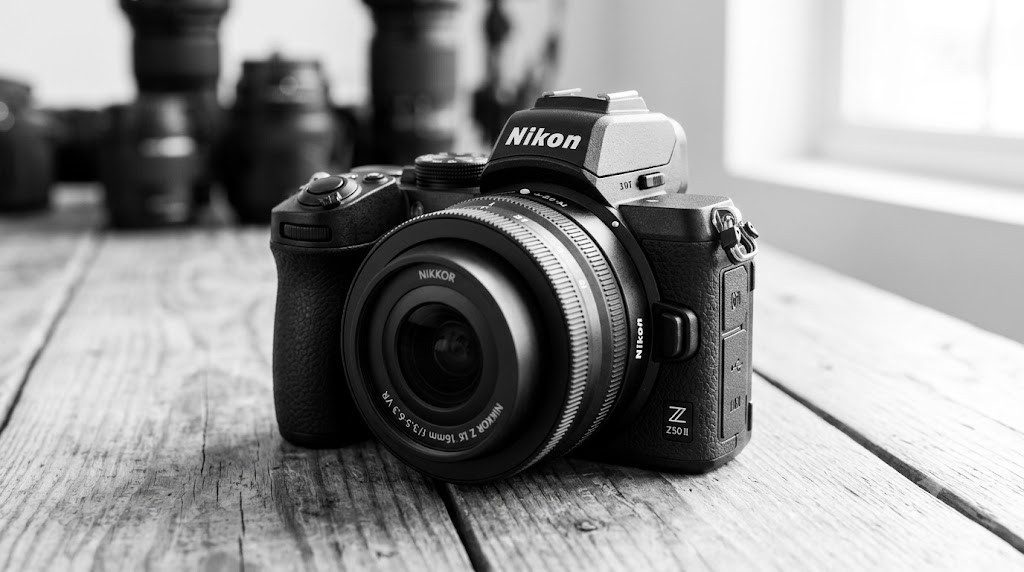
Beyond internal upgrades, Nikon made several meaningful changes to the camera’s physical design and control layout.
A Fully Articulating Screen
According to B&H Photo’s product listing, the Z50 II features a 3.2-inch LCD touchscreen with a 180-degree flip-out articulating design, a meaningful upgrade for anyone shooting selfies, vlogging content, or working from unusual angles. The touchscreen also gained a Touch FN option, allowing photographers to select their focus point directly with a fingertip.
A New Dedicated Picture Control Button
Nikon added a physical Picture Control button to the top of the Z50 II, giving photographers instant access to 31 built-in color presets even while shooting in fully automatic mode. These presets can now be previewed directly on the rear LCD screen before capture, letting photographers visualize color shifts in real time rather than guessing how a preset will affect the final image.
Improved Buffer Depth and Card Support
The card slot upgraded from UHS-I to UHS-II support, allowing faster memory cards to operate at their full rated speed. The combination of EXPEED 7 and a UHS-II card produces a buffer depth of 200 images regardless of file type, a genuinely deep buffer for a camera at this price point.
Nikon Z50 II Real World Limitations
No camera at this price point gets everything right, and the Z50 II has some genuine shortcomings worth understanding before making a purchase decision.
No In-Body Image Stabilization
The Z50 II does not include in-body image stabilization, relying instead on Vibration Reduction built into compatible Nikkor and third-party lenses. Photographers shooting handheld in low light without a stabilized lens will need to compensate through faster shutter speeds or a tripod, a genuine limitation compared to competitors offering in-body stabilization at similar price points.
Battery Life Remains Modest
The Z50 II’s CIPA-rated battery life sits at just 230 images per charge in worst-case conditions, though real-world performance often exceeds this conservative figure. Photographers planning extended shooting sessions should budget for a spare battery, particularly given that the camera does not include a separate charger in the box, relying instead on USB-C charging.
The Viewfinder Shows Its Budget Positioning
The electronic viewfinder appears to carry over largely unchanged from the original Z50, an area where the camera’s budget price point becomes apparent. While the EVF can now reach twice the brightness of the previous generation when manually adjusted, this improvement requires deliberately overriding the automatic brightness setting rather than working seamlessly by default.
Nikon Z50 II Pricing and Availability
Understanding the actual cost structure helps clarify where this camera sits within Nikon’s broader lineup and the competitive market.
Body Only and Kit Pricing
According to Nikon’s official announcement materials, the Z50 II launched at a suggested retail price of 909.95 dollars for the body only. Kit configurations include the NIKKOR Z 16-50mm f/3.5-6.3 VR lens for 1,049.95 dollars, or a two-lens bundle adding the 50-250mm f/4.5-6.3 VR lens for 1,299.95 dollars total.
A Genuinely Broad Lens Ecosystem
Nikon’s Z-mount system now includes more than 40 NIKKOR Z lenses, according to Nikon’s official product materials, spanning everything from landscape-oriented wide angles to dedicated wildlife telephoto options. This breadth gives Z50 II owners a genuinely mature lens ecosystem to grow into as their photography needs evolve beyond the included kit lens.
Who Should Buy the Nikon Z50 II
Understanding the ideal buyer for this camera helps clarify whether it deserves a place in your own kit.
Beginners Who Want Room to Grow
Photographers just entering mirrorless photography benefit enormously from the Z50 II’s combination of approachable automatic modes and genuinely advanced autofocus technology underneath. Rather than outgrowing the camera’s capabilities within a year, beginners gain access to subject detection and tracking performance that rivals cameras costing several times more.
Hybrid Content Creators
The combination of 4K60 video, N-Log color grading, RED LUT support, and a fully articulating screen makes the Z50 II a genuinely strong choice for content creators who need both capable stills and video performance from a single affordable body. The extended two-hour recording limit alone addresses a real limitation that frustrated original Z50 owners working on longer form content.
Photographers Who Prioritize Stabilized Lenses or IBIS
Given the absence of in-body stabilization, photographers who frequently shoot handheld in challenging light should prioritize purchasing stabilized NIKKOR Z lenses alongside the body, or consider whether a competing camera with IBIS better suits their specific shooting style before committing to this system.
Nikon Z50 II vs the Original Z50
Understanding exactly what changed between generations helps current Z50 owners decide whether upgrading makes genuine sense.
The Sensor Stayed the Same for a Reason
Nikon deliberately kept the same 20.9-megapixel sensor across both generations, a decision that likely reflects genuine confidence in that sensor’s continued competitiveness within this segment rather than a cost-cutting shortcut. Since image quality potential remains essentially identical between the two cameras, the entire value proposition of upgrading rests on autofocus performance, video capability, and physical handling improvements rather than raw image quality gains.
Where the Upgrade Genuinely Matters
Photographers who regularly shoot moving subjects, whether pets, sports, or wildlife, will notice the autofocus upgrade immediately. The original Z50’s autofocus system feels genuinely dated by comparison, lacking the sophisticated subject detection categories and low-light sensitivity that EXPEED 7 unlocks. Video creators gain the most obvious benefit given the jump from 4K30 to 4K60, alongside N-Log support that simply did not exist on the original camera.
When Upgrading May Not Be Worth It
Photographers who primarily shoot static subjects in good lighting, and who have no interest in video content creation, may find the original Z50 continues serving their needs adequately. The core image quality difference between generations remains minimal, meaning this upgrade decision comes down almost entirely to whether autofocus sophistication and video capability justify the additional cost for your specific shooting style.
Nikon Z50 II vs Competing Entry-Level Mirrorless Cameras
Positioning the Z50 II within the broader entry-level mirrorless market helps clarify exactly where it stands out and where genuine tradeoffs exist.
A Genuine Autofocus Advantage Over Rivals
The Z50 II’s autofocus system, inherited directly from Nikon’s professional Z8 and Z9 cameras, represents a genuine competitive advantage within the entry-level segment. Few competing cameras at this price point offer subject detection this sophisticated, spanning nine distinct categories with dedicated bird and airplane modes that even some higher-tier cameras from other manufacturers lack entirely.
The Stabilization Tradeoff Compared to Rivals
Some competing entry-level cameras from other manufacturers include in-body image stabilization at similar price points, giving those systems a genuine advantage for handheld shooting in challenging light. Photographers weighing this tradeoff should consider how much of their shooting happens handheld in low light versus with stabilized lenses or a tripod, since this single factor could reasonably tip a purchase decision toward a competing system depending on individual shooting habits.
Video Specifications Remain Highly Competitive
Few rivals in this exact price bracket match the Z50 II’s combination of 4K60 recording, 10-bit N-Log color depth, and RED LUT compatibility. This video specification package positions the Z50 II as a genuinely strong choice for hybrid creators who need both capable stills and video performance without stepping up to a considerably more expensive camera body.
Real World Handling and Workflow Considerations
Beyond the spec sheet, understanding how the Z50 II actually performs across a typical shooting day reveals practical details worth knowing before purchase.
Everyday Shooting and Automatic Modes
For casual and beginner photographers, the Z50 II’s automatic shooting modes handle most everyday scenarios competently, automatically analyzing scenes and selecting appropriate settings without requiring manual intervention. The 16 dedicated scene modes cover common situations like portraits, pets, and night landscapes, giving newer photographers reliable starting points while they continue learning manual controls.
Cloud Integration and Picture Control Workflow
Nikon Imaging Cloud integration allows photographers to download Cloud Picture Control presets directly to the camera, alongside Creator Recipes built by other Nikon shooters. This cloud connectivity also enables automatic upload of full-resolution image files to preferred cloud storage services, streamlining the workflow between capture and final delivery without requiring a computer as an intermediate step.
Firmware Updates and Long-Term Support
The same cloud connectivity supporting Picture Control downloads also delivers firmware updates directly to the camera, helping ensure the Z50 II continues receiving feature improvements and bug fixes well after its initial release, extending the camera’s practical usable lifespan beyond what the original hardware alone might suggest.
Frequently Asked Questions About the Nikon Z50 II
When did the Nikon Z50 II release?
The Nikon Z50 II officially released on November 7, 2024, with a suggested retail price of 909.95 dollars for the body only.
Does the Nikon Z50 II have in-body image stabilization?
No. The Z50 II relies on Vibration Reduction built into compatible NIKKOR Z lenses rather than mechanical in-body stabilization within the camera itself.
What is the maximum video resolution the Z50 II can record?
The Z50 II supports 4K UHD recording at up to 60 frames per second, though this specific frame rate applies an additional 1.5x crop on top of the existing DX crop factor. Standard 4K30 recording remains uncropped and oversampled from 5.6K.
Is the Nikon Z50 II a good camera for beginners?
Yes. The combination of approachable automatic shooting modes and genuinely advanced autofocus technology makes the Z50 II a strong choice for photographers just entering mirrorless photography, offering room to grow into more advanced techniques over time.
How does the Z50 II compare to the original Nikon Z50?
The Z50 II shares the same sensor as the original Z50 but adds the EXPEED 7 processor, dramatically improving autofocus subject detection, unlocking 4K60 video and N-Log recording, and adding a fully articulating touchscreen alongside a dedicated Picture Control button.
Final Thoughts on the Nikon Z50 II
The Nikon Z50 II represents a genuinely significant upgrade within Nikon’s entry-level APS-C lineup, bringing flagship-level autofocus intelligence and meaningfully improved video specifications to a camera that remains accessible for beginners and budget-conscious creators. The EXPEED 7 processor transformation alone justifies the upgrade over the original Z50, delivering subject detection, low-light autofocus sensitivity, and burst shooting performance that punches well above its price point.
Real limitations remain, particularly around stabilization and battery life, but few cameras in this price range deliver this level of genuine technical capability. For photographers and creators looking to enter Nikon’s Z-mount ecosystem without an enormous upfront investment, the Z50 II stands out as one of the strongest current options available.
Read More from Altbuzz
For more Nikon coverage, check our Nikon Z6III review, our Nikon Zf versus Zfc comparison, and our best APS-C mirrorless cameras buying guide for additional context on this competitive category.
Follow every Nikon Z-mount release and camera comparison at altbuzzmedia.com.
Subscribe to Altbuzz YouTube Channel
Full hands-on impressions of the Nikon Z50 II, comparisons against the original Z50, and ongoing Nikon Z-mount coverage are live on the Altbuzz YouTube channel @AltBuzzMedia. Subscribe now for weekly camera reviews and gear breakdowns through the rest of 2026.