
Sony a9 IV: What a Second-Generation Global Shutter Camera Could Bring
The Sony a9 IV has become a genuine point of speculation following the a9 III’s groundbreaking introduction of global shutter technology to full-frame mirrorless cameras. Since that release, industry chatter has consistently pointed toward Sony refining this same sensor architecture further, addressing specific limitations that came with being first to market rather than abandoning the global shutter approach entirely.
This article breaks down everything currently speculated about the Sony a9 IV. We will cover why a second-generation global shutter sensor makes sense, what specific limitations from the a9 III this update would likely address, and how this rumored camera fits into Sony’s broader 2026 roadmap. We will also look at realistic timing expectations and what sports and wildlife photographers should genuinely expect. By the end, you will understand exactly why this rumor has generated such consistent interest within the professional photography community.
Why the Sony a9 IV Rumor Exists in the First Place
Understanding this rumor requires looking closely at what the a9 III actually accomplished and where it still left room for genuine improvement.
The a9 III Set a New Technical Standard
According to Sony’s official specifications, the a9 III introduced the world’s first full-frame stacked CMOS sensor with a global shutter system, exposing and reading every pixel simultaneously rather than scanning line by line. This architecture eliminates rolling shutter distortion entirely, allows flash synchronization at shutter speeds up to 1/80,000 of a second, and enables blackout-free continuous shooting at up to 120 frames per second.
Real Tradeoffs That Came With Being First
Despite these genuine breakthroughs, the a9 III’s global shutter design introduced specific compromises that industry speculation suggests Sony is actively working to address. The camera’s base ISO sits at 250 rather than the more typical ISO 100, a limitation tied directly to how the global shutter’s dual photodiode pixel design manages dynamic range. Rumor coverage consistently points toward a second-generation sensor specifically targeting this dynamic range constraint, since addressing it would remove one of the few genuine criticisms leveled against an otherwise class-leading camera.
Why Sony Would Push Global Shutter Technology Further
Global shutter sensors have historically struggled to match the dynamic range of conventional progressive-scan designs, a gap that stacked CMOS technology has only recently begun narrowing. Given how decisively the a9 III demonstrated genuine demand for distortion-free capture among sports, wildlife, and photojournalism professionals, continuing to refine this technology rather than retreating to a conventional rolling shutter sensor represents the more logical path forward for Sony’s flagship speed camera.
Sony a9 IV Rumored Sensor Improvements
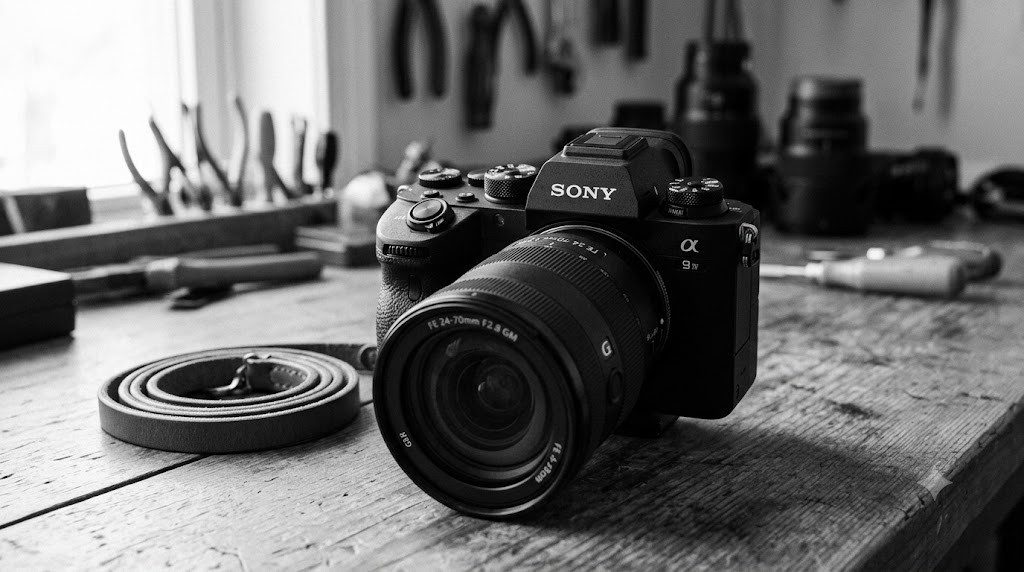
Current speculation centers heavily on addressing the specific technical constraints that defined the first-generation global shutter implementation.
A Refined Global Shutter Architecture
Industry sources tracking Sony’s semiconductor development suggest the company is working on a second-generation global shutter sensor specifically designed to address the current model’s limitations, rather than abandoning the technology after just one generation. This continued investment reflects genuine confidence that global shutter technology represents the future of high-speed photography rather than a passing experiment.
Improved Dynamic Range and Base ISO
The most consistently mentioned improvement across current speculation involves expanding dynamic range and lowering the effective base ISO closer to the ISO 100 standard found across Sony’s conventional sensor lineup. Achieving this would directly resolve the single most common criticism aimed at the a9 III, making the a9 IV genuinely competitive on image quality grounds rather than purely on speed and distortion-free capture alone.
Even Faster Burst Rates
Given the a9 III already achieves 120 frames per second with full autofocus tracking, speculation around the a9 IV understandably centers on pushing this figure even higher. Whether Sony can meaningfully exceed 120fps while maintaining full autofocus and exposure calculations between frames remains genuinely uncertain, since the a9 III already represents a substantial engineering achievement at its current speed ceiling.
How the Sony a9 IV Fits Sony’s Broader 2026 Roadmap
This rumor does not exist in isolation. It connects to a genuinely busy year of speculated Sony releases across multiple camera lines.
A Year Defined by Frequent Rumor-to-Reality Turnarounds
Sony’s 2026 rumor cycle has moved unusually quickly compared to previous years, with cameras like the RX1R III and FX2 progressing from rumor to actual release in rapid succession. This pattern suggests Sony’s current product development pace has accelerated considerably, lending additional credibility to speculation about a genuine a9 IV eventually following the same quick path from rumor to shipping product.
Competing for Priority Against Other Alpha Updates
The a9 IV rumor exists alongside speculation about several other Alpha body updates, including a rumored a7 VI bridging the gap between the current a7 IV’s versatility and the a7R V’s resolution advantage. Since flagship speed cameras like the a9 series serve a narrower professional audience compared to more broadly appealing models like the a7 line, development priority and resource allocation between these competing projects remains a genuine open question.
Professional Sports Photography Driving Demand
Sports and wildlife photographers who already own the a9 III represent the most immediate audience pushing for continued global shutter refinement. According to Sony’s own positioning around the a9 III, the camera’s blackout-free viewfinder and distortion-free capture already changed how professionals approach fast-moving subjects. A genuine a9 IV that resolves the current dynamic range limitation would likely see rapid adoption among exactly this professional audience.
How the Sony a9 IV Would Compare Against Rivals
Positioning this rumored camera within the broader professional sports and action photography market helps clarify exactly what Sony needs to accomplish to maintain its competitive edge.
Nikon’s Rolling Shutter Alternative
Nikon’s flagship Z9 remains a formidable all-around competitor, offering strong autofocus, high burst rates, and professional video features, though it still relies on a conventional rolling shutter rather than Sony’s global shutter approach. For most sports and wildlife photographers, a well-implemented rolling shutter system remains genuinely competitive, but photographers shooting under artificial LED lighting or requiring the absolute fastest possible response continue to find Sony’s global shutter a genuine differentiator that rivals cannot currently match.
Canon’s Integrated Grip Approach
Canon’s professional sports bodies take a different design philosophy entirely, building around an integrated vertical grip rather than Sony’s more compact standard body shape. This creates a genuinely different ergonomic experience for photographers choosing between systems, with Canon’s approach appealing to photographers who prioritize a more substantial handling experience during long shooting days at major sporting events.
Sony’s Unique Position With Global Shutter
Regardless of how Nikon and Canon continue refining their own flagship sports bodies, Sony’s global shutter technology currently occupies a genuinely unique position within the professional camera market. An a9 IV that meaningfully improves upon the a9 III’s dynamic range limitations would extend this technological lead further, giving Sony a genuine differentiator that competitors would need years to match even if they began developing comparable technology today.
What Might Not Change in the Sony a9 IV
Understanding what elements would likely carry over unchanged helps set realistic expectations for this rumored camera.
A Similar Resolution Ceiling
Given that speed and distortion-free capture remain the a9 line’s defining identity, a dramatic resolution increase seems unlikely. The a9 III’s 24.6-megapixel resolution already balances file size and processing speed carefully to sustain 120fps shooting, and a significant resolution jump would likely compromise that core speed advantage rather than complement it.
Continued Focus on Sports and Action Photography
Nothing in current speculation suggests Sony intends to reposition the a9 line away from its core sports, wildlife, and photojournalism audience. Any a9 IV would almost certainly continue prioritizing autofocus tracking speed, burst rate, and distortion-free capture over broader hybrid features that might appeal to a wider general audience.
Premium Pricing Consistent With Flagship Positioning
The a9 III launched at approximately 6,000 dollars, a 1,500 dollar increase over its predecessor. Given the specialized engineering required for continued global shutter refinement, a genuine a9 IV would likely maintain similarly premium pricing, reflecting its position as a highly specialized tool built for professionals whose work specifically demands these capabilities.
How a Second-Generation Global Shutter Would Change Real World Shooting
Beyond the spec sheet, it helps to understand exactly how improved dynamic range and continued global shutter refinement would change day-to-day professional shooting.
Flash Photography Without Compromise
The a9 III’s global shutter already allows flash synchronization at any shutter speed up to its 1/80,000 second maximum, a capability that transforms how photographers can use flash in bright daylight conditions. An a9 IV with improved dynamic range would extend this same flash flexibility while also delivering cleaner shadow detail in ambient light, giving event and sports photographers considerably more creative control when balancing flash and available light simultaneously.
Shooting Under Difficult Arena and Stadium Lighting
Global shutter technology eliminates banding artifacts that commonly appear when shooting under artificial LED lighting in arenas and stadiums, a genuine pain point for photographers working indoor sporting events. An improved second-generation sensor would maintain this advantage while potentially offering better performance in the mixed and often inconsistent lighting conditions found in many professional sports venues.
Video Production Benefits Beyond Stills
Global shutter technology matters just as much for video work as it does for stills photography, since it eliminates rolling shutter distortion during fast camera movement or rapid subject motion. An a9 IV with improved dynamic range would likely deliver meaningfully better video quality in mixed or challenging lighting scenarios, extending the camera’s appeal beyond pure stills photographers toward hybrid shooters covering live sports and events.
Frequently Asked Questions About the Sony a9 IV
Is the Sony a9 IV officially confirmed?
No. Sony has not announced this camera. Current speculation is based on industry sources tracking Sony’s semiconductor development and the company’s established pattern of refining proven sensor technology across product generations.
What is global shutter technology and why does it matter?
Global shutter technology exposes and reads every pixel in a sensor simultaneously rather than scanning line by line. This eliminates rolling shutter distortion entirely, allows flash synchronization at any shutter speed, and removes banding artifacts under artificial lighting.
What is the biggest criticism of the current Sony a9 III?
The a9 III’s elevated base ISO of 250, rather than a more typical ISO 100, represents the most consistently mentioned limitation, tied directly to how the global shutter’s pixel design manages dynamic range.
When might the Sony a9 IV be announced?
No official timeline exists. Given Sony’s accelerated 2026 rumor-to-release pattern with other cameras like the RX1R III and FX2, an eventual a9 IV announcement could plausibly follow a similarly quick path once development is complete.
Should sports photographers wait for the a9 IV instead of buying the a9 III?
Photographers with an immediate professional need should not delay a purchase based on unconfirmed speculation. The a9 III remains a genuinely class-leading camera today, and no confirmed timeline exists for a successor.
Should Sports and Wildlife Photographers Wait for the Sony a9 IV
This question matters considerably for photographers currently deciding on their next camera investment.
The Case for Buying the a9 III Now
Professionals with an immediate need for global shutter capability should not delay a purchase based on unconfirmed speculation. The a9 III remains a genuinely class-leading camera for distortion-free capture and blackout-free shooting, and no confirmed timeline currently exists for an eventual successor.
The Case for Waiting
Photographers specifically frustrated by the a9 III’s elevated base ISO and comparatively limited dynamic range have reasonable grounds to wait if their current equipment can tolerate the delay. Given how directly current speculation addresses this exact limitation, an eventual a9 IV would likely resolve the single biggest criticism holding back broader adoption of Sony’s global shutter technology.
Final Thoughts on the Sony a9 IV
The Sony a9 IV represents a genuinely compelling rumor built on clear technical logic rather than pure wishful thinking. Having proven global shutter technology’s value with the a9 III, continuing to refine that same architecture toward improved dynamic range and even faster burst rates represents the most logical next step for Sony’s flagship speed camera. Real questions remain about timing and exactly how much Sony can improve upon an already remarkable piece of engineering, but the underlying direction appears clear.
Nothing here is officially confirmed, and Sony has given no indication of a specific launch timeline. Given how quickly Sony’s 2026 rumor cycle has moved for other cameras, an eventual a9 IV announcement could arrive with relatively little advance warning once development genuinely nears completion. We will continue tracking every update on this story as new details emerge throughout 2026.
Read More from Altbuzz
For more Sony coverage, check our Sony a9 III review, our Sony a7S IV rumor breakdown, and our best cameras for sports and wildlife photography buying guide for additional context on this competitive category.
Follow every Sony Alpha release and global shutter update at altbuzzmedia.com.
Subscribe to Altbuzz YouTube Channel
Full hands-on impressions of the Sony a9 III, ongoing coverage of the rumored a9 IV, and continued Sony Alpha lineup breakdowns are live on the Altbuzz YouTube channel @AltBuzzMedia. Subscribe now for weekly camera rumor breakdowns and gear analysis through the rest of 2026.