
Panasonic Lumix GH7S: A Technical Look at a Low-Light Specialist That Does Not Yet Exist
No credible source has reported a Panasonic Lumix GH7S in active development. The current GH7 launched in July 2024 as a genuinely capable hybrid stills-and-video camera, and Panasonic has made no announcement, teaser, or registration filing pointing toward a dedicated low-light variant. Searching through every major Panasonic rumor tracker turns up no leaked specification sheet and no insider report confirming this camera exists.
What does exist is a genuinely strong historical precedent. Panasonic previously took the GH5 and released a dedicated low-light specialist sibling called the GH5S in 2018, stripping resolution in exchange for larger photosites and dramatically improved sensitivity. This article takes a technical, evidence-based approach to what a genuine GH7S would need to include if Panasonic followed that same established pattern again, built from three real sources. First, the GH5S’s actual engineering tradeoffs when it launched. Second, the current GH7’s proven sensor and processing architecture. Third, genuine gaps in Panasonic’s current Micro Four Thirds lineup that a dedicated low-light body would address. Consider this a technical projection grounded in real precedent, not a rumor report.
Why This Speculation Rests on Genuine Precedent Rather Than Pure Guesswork
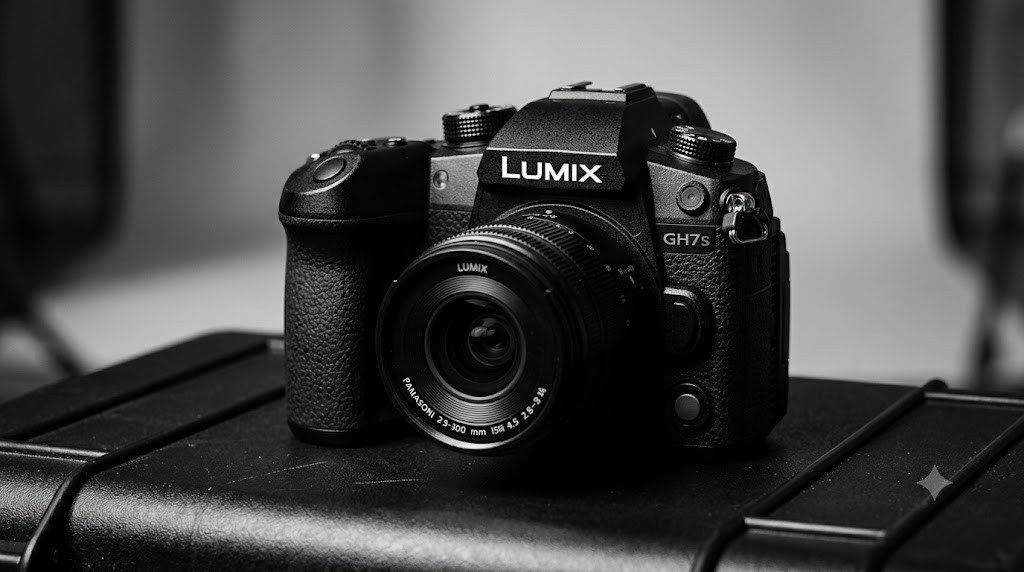
Before outlining specifications, it helps to understand exactly why a GH7S concept carries more credibility than a purely invented camera name.
The GH5S Already Proved This Exact Formula Works
Panasonic’s GH5S launched in 2018 as a dedicated low-light and cinema-oriented sibling to the standard GH5, according to official Panasonic product materials from that release. The GH5S deliberately dropped resolution to 10.2 megapixels, using a Digital MOS sensor with dual native ISO technology specifically to maximize per-pixel light gathering rather than chasing detail. This formula proved genuinely popular among cinematographers and broadcast professionals who valued low-light sensitivity and dynamic range over resolution, establishing a real market segment within Panasonic’s own lineup that the standard GH line does not fully serve.
No Equivalent Exists in the Current GH7 Generation
Since the GH5S launched, Panasonic has not released a directly equivalent low-light specialist model for either the GH6 or the current GH7 generation. This represents a genuine gap in Panasonic’s current lineup, since photographers and videographers who valued the original GH5S’s specific low-light strengths currently have no direct modern equivalent within Panasonic’s Micro Four Thirds system to upgrade toward.
Why Panasonic Has Reasons to Revisit This Formula
Broadcast, documentary, and low-light narrative filmmakers continue to represent a genuinely underserved niche within Panasonic’s current product lineup, particularly as competitors continue pushing dedicated low-light sensor technology across their own cinema-adjacent camera lines. Reviving the GH5S formula for the GH7 generation would let Panasonic re-enter this specific professional conversation without needing to develop an entirely new camera platform, since it could build directly on the GH7’s already proven internal architecture.
Understanding the Current GH7’s Technical Foundation
Any realistic GH7S concept would need to build directly on the current GH7’s actual engineering, so understanding that foundation matters considerably.
A 25.2 Megapixel BSI Sensor Shared With the G9 II
The GH7 uses a 25.2-megapixel BSI CMOS Micro Four Thirds sensor, according to official Panasonic specifications, sharing this sensor generation with the photo-focused Lumix G9 II. This shared sensor architecture brought genuine phase-detection autofocus to the GH line for the first time, replacing the older Depth-from-Defocus system that previously represented one of the GH series’ most consistent criticisms from working videographers.
Genuinely Professional Internal Recording Capability
According to official specifications, the GH7 supports internal ProRes RAW recording alongside 32-bit float audio capture, a genuinely professional-grade internal recording toolkit that removes the need for external recorders in many production scenarios. The camera also supports Panasonic’s Real-Time LUT system and ARRI LogC3 compatibility, making it the first Panasonic camera to offer this specific color science option according to independent technical reviews of the camera’s launch specifications.
Video Specifications Already Pushing Hybrid Boundaries
The GH7 offers 5.7K60 recording alongside 4K120 and Full HD 240p slow motion capability, according to retail product listings citing Panasonic’s official specifications. This already represents a genuinely capable video toolkit for a Micro Four Thirds camera, meaning any GH7S variant would need a clear technical justification beyond simply matching these existing capabilities.
What the Original GH5S Sacrificed and Gained
Understanding the specific tradeoffs Panasonic made with the original low-light variant clarifies exactly what pattern a genuine GH7S would likely repeat.
Dropping Resolution for Larger Photosites
The GH5S’s 10.2-megapixel sensor represented a deliberate resolution reduction compared to the standard GH5’s higher pixel count, according to Panasonic’s original marketing materials. Larger individual photosites gather more light per pixel, directly improving high ISO performance and dynamic range in genuinely dark shooting conditions, a tradeoff cinematographers specifically requested for documentary and narrative work in challenging available-light environments.
Dual Native ISO as the Core Technology
The GH5S paired its lower resolution sensor with dual native ISO technology and Panasonic’s Venus Engine 10 processor, according to official specifications, extending usable sensitivity up to ISO 204,800 in extended mode. This dual native ISO approach let the sensor optimize its noise floor at two distinct base sensitivity points rather than a single fixed baseline, giving cinematographers genuinely cleaner results across a wider range of lighting conditions than a single native ISO design could achieve.
A Genuinely Rugged, Cinema-Oriented Body
According to Panasonic’s original product materials, the GH5S carried splash, dust, and freeze-proof durability rated to negative 10 degrees Celsius, built around a magnesium alloy die-cast frame. This ruggedness reflected the camera’s intended audience of documentary and broadcast professionals working in demanding outdoor conditions rather than casual hybrid shooters.
Technical Specifications a Panasonic Lumix GH7S Would Likely Need
Building on both the GH5S precedent and the GH7’s current architecture, several technical directions seem plausible for a genuine successor concept.
A Lower Resolution Sensor Variant of the GH7’s Architecture
Following the established GH5S formula precisely, a GH7S would likely use a meaningfully lower resolution sensor than the standard GH7’s 25.2 megapixels, potentially landing somewhere between 10 and 14 megapixels depending on how aggressively Panasonic wanted to prioritize per-pixel light gathering. This resolution reduction would need to preserve enough detail for professional broadcast delivery while maximizing the low-light sensitivity gains that define this entire camera concept.
Continued Phase Detection Autofocus From the Shared Sensor Platform
Unlike the original GH5S, which predated Panasonic’s shift to phase-detection autofocus, a genuine GH7S built on current sensor technology would likely retain phase-detection capability rather than reverting to older contrast or Depth-from-Defocus systems. This represents a meaningful technical advantage over the original GH5S concept, since autofocus reliability has become a genuinely important consideration even for dedicated low-light cinema work.
Dual Native ISO Extended Further Than the Original
Given how much sensor technology has advanced since 2018, a modern GH7S would likely push dual native ISO sensitivity considerably beyond the original GH5S’s ISO 204,800 extended ceiling, while also improving actual usable image quality at these extreme settings rather than simply chasing a higher number for marketing purposes.
Expanded Internal Recording to Match Modern Delivery Requirements
Building on the GH7’s existing ProRes RAW and 32-bit float audio capability, a GH7S variant would likely maintain this same professional recording toolkit while potentially optimizing codec efficiency specifically for the lower resolution sensor’s reduced file sizes, giving documentary and broadcast productions genuinely more efficient storage requirements during long-form shooting days.
Why This Camera Would Serve a Genuinely Different Audience Than the Standard GH7
Understanding the intended audience clarifies why Panasonic might justify developing two distinct camera bodies from largely shared internal technology.
Documentary and Broadcast Professionals Working in Extreme Low Light
Documentary filmmakers covering nocturnal wildlife, astronomical phenomena, or dimly lit interior environments represent the core audience a GH7S would need to serve. These photographers prioritize genuinely clean high ISO performance above nearly every other consideration, making resolution reduction an acceptable tradeoff in exchange for meaningfully better low-light image quality.
Broadcast News and Electronic News Gathering
Broadcast news crews working in unpredictable lighting conditions, from press conferences to breaking news coverage in poor lighting, represent another genuine audience for this concept. The original GH5S found real adoption within broadcast production specifically because of its low-light reliability, and a modern equivalent built on the GH7’s improved autofocus would likely find similar adoption within this same professional community.
Hybrid Shooters Should Likely Stick With the Standard GH7
Photographers and videographers who need genuine resolution flexibility for both stills and video work would likely find the standard GH7 continues serving their needs better than a hypothetical GH7S. The resolution tradeoff inherent to this low-light specialist concept makes it a poor fit for anyone who occasionally needs higher resolution stills capture alongside video work.
Should You Wait for a Panasonic Lumix GH7S
Given the complete absence of any confirmed development timeline, this question carries genuine practical weight for videographers currently planning equipment purchases.
The Case for Buying the Standard GH7 Now
Videographers and hybrid shooters with an immediate production need should not delay purchases based on unconfirmed speculation. The current GH7 already delivers genuinely professional internal recording, strong autofocus, and capable low-light performance for the vast majority of production scenarios, even without a dedicated low-light variant.
The Case for Waiting if Extreme Low Light Is Your Priority
Documentary and broadcast professionals specifically frustrated by resolution-versus-sensitivity tradeoffs on the standard GH7 have reasonable grounds to wait and monitor Panasonic’s roadmap, given how directly this speculation builds on a real, previously successful product formula rather than pure invention.
Frequently Asked Questions About the Panasonic Lumix GH7S
Is the Panasonic Lumix GH7S an officially confirmed camera?
No. There is currently no credible leak, registration filing, or insider report confirming a GH7S exists in development. Everything in this article represents technically grounded speculation based on the real GH5S precedent and the current GH7’s architecture.
What was the Panasonic Lumix GH5S?
The GH5S was a genuine low-light specialist camera Panasonic released in 2018 alongside the standard GH5, using a lower resolution 10.2-megapixel sensor with dual native ISO technology specifically to maximize sensitivity and dynamic range in dark shooting conditions.
Why would Panasonic reduce resolution for a GH7S concept?
Larger individual photosites on a lower resolution sensor gather more light per pixel, directly improving high ISO noise performance and dynamic range, a tradeoff cinematographers specifically value for documentary and broadcast work in genuinely dark environments.
Does the current GH7 already have strong low-light performance?
Yes, relative to previous GH generations. However, the GH7 prioritizes a higher resolution, hybrid stills-and-video balance rather than the extreme low-light specialization that defined the original GH5S concept.
When might Panasonic release a genuine GH7S?
No official timeline exists, since Panasonic has not confirmed this camera in any capacity. This article represents informed technical speculation rather than a report on confirmed development plans.
Final Thoughts on the Panasonic Lumix GH7S
No confirmed rumor, leak, or insider report currently points toward a Panasonic Lumix GH7S in active development. What does exist is a technically coherent picture built from a genuinely successful precedent, the original GH5S, combined with the current GH7’s proven sensor and processing architecture. Based on this evidence, a hypothetical GH7S would likely repeat the established formula of reduced resolution in exchange for maximized low-light sensitivity, while inheriting the GH7’s genuine phase-detection autofocus improvements that the original GH5S never had access to.
Whether Panasonic ever revives this specific low-light specialist concept for the current GH generation remains genuinely uncertain. We will continue monitoring Panasonic’s Micro Four Thirds roadmap for any genuine signal that this development has begun.
Read More from Altbuzz
For more Panasonic coverage, check our Panasonic Lumix GH7 review, our Panasonic GX9 II rumor tracker, and our best Micro Four Thirds cameras buying guide for additional context on this camera system.
Follow every Panasonic Lumix update and Micro Four Thirds news at altbuzzmedia.com.
Subscribe to Altbuzz YouTube Channel
Full technical breakdowns of the Panasonic Lumix GH7, comparisons against the historical GH5S, and ongoing Micro Four Thirds coverage are live on the Altbuzz YouTube channel @AltBuzzMedia. Subscribe now for weekly camera analysis and gear breakdowns through the rest of 2026.