
Nikon Zfc II Rumors: Everything We Know So Far in 2025
The Nikon Zfc II is one of the most talked-about upcoming cameras in the mirrorless world. Nikon is expected to introduce a 26-megapixel partially stacked APS-C sensor, followed by models including the Nikon Zfc Mark II, the Nikon Z500, and the Nikon Z30 II. First, the original Nikon Zfc won hearts globally with its stunning retro design. Additionally, it packed modern mirrorless technology into a compact and stylish body. Furthermore, the photography community has waited years for a worthy successor. Therefore, every new rumor about the Zfc II generates massive excitement. Notably, several credible sources now point toward a 2026 launch window. Consequently, this is the right time to gather everything we know and separate the facts from the speculation. The New Camera
This blog covers all current rumors, expected specs, likely upgrades, comparisons, and exactly who should wait for this camera.
What Is the Nikon Zfc II?
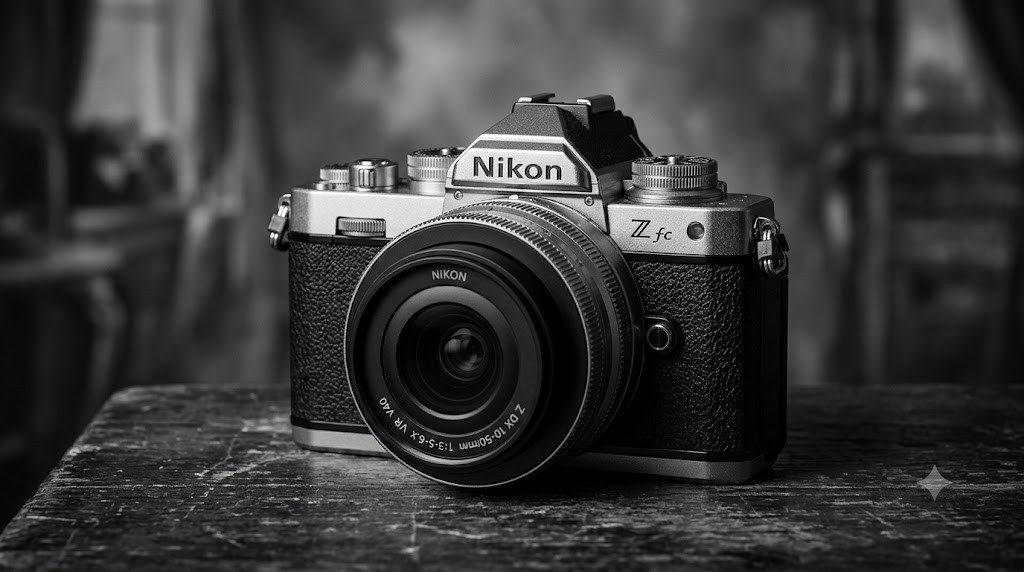
The Nikon Zfc II is the anticipated successor to the original Nikon Zfc. First, the original launched in July 2021. Additionally, it became Nikon’s first retro-styled APS-C mirrorless camera in the Z-mount family. The Z fc takes a retro design approach that pays homage to the FM2 SLR from 1982, with a body that places it in direct competition with Fujifilm’s highly regarded X-system cameras. Furthermore, it used the same 20.9-megapixel sensor from the Nikon Z50 inside a distinctly different and more stylish body. Amateur Photographer
The Zfc II builds on this foundation with significantly updated technology. Photographers widely agree that weather sealing and better build quality are the most critical upgrades needed for the Zfc II to succeed commercially. Moreover, the broader camera community expects an updated processor, stronger autofocus, and possible IBIS. Therefore, the Zfc II aims to take everything people loved about the original and fix its known limitations. Digital Photography Review
The Nikon Zfc Legacy
Understanding the original Zfc helps put the sequel in context. The Zfc sports a classic retro design featuring dedicated dials for ISO, shutter speed, and exposure compensation. First, this gave it a shooting experience completely different from other modern cameras. Additionally, classical mechanics reign on the Zfc, forcing photographers to slow down and return to the roots of photography. Furthermore, the fully articulating touchscreen was a standout feature among reviewers. Therefore, the original Zfc attracted a very specific kind of buyer who valued both style and substance. Photography BlogSkylum’s Blog
However, the original Zfc carried notable weaknesses. The Zfc has no weather sealing and no built-in VR (Vibration Reduction). Additionally, the EXPEED 6 processor limited its autofocus capabilities. Furthermore, the single SD UHS-I card slot felt dated even at launch. Consequently, many photographers chose competing cameras despite loving the design. Therefore, Nikon has a clear roadmap for improvement with the Zfc II. ePHOTOzine
Nikon Zfc II Rumored Release Date
What Sources Currently Say
Sources indicate that Nikon is more likely to release the Zfc II and Z30 II during 2025 or 2026. First, multiple rumor outlets place the announcement window in late 2025 or early 2026. Additionally, New Camera and Nikon Rumors both reference a new APS-C sensor rollout in 2026. Furthermore, Nikon’s 2026 roadmap includes an APS-C camera expected in Spring or Summer alongside other Z-series launches. Therefore, a mid-to-late 2026 announcement window seems most plausible based on current evidence. KfconceptNikon Rumors
Why 2026 Makes Sense
Nikon’s Medium Term Management Plan explicitly mentions strengthening proposals focused on enhanced core performance and emotional value, including heritage-inspired design. First, this language directly signals more retro cameras. Additionally, the Zfc and Nikon Zf both performed well commercially for the brand. Furthermore, both the Nikon Zf and Zfc were hugely successful and did a great deal to rehabilitate the brand’s image with a fresh injection of cool. Therefore, Nikon has a strong business reason to continue and upgrade the retro lineup. Consequently, the Zfc II aligns perfectly with Nikon’s stated strategic direction. Digital Camera WorldDigital Camera World
Possibility of a 2025 Announcement
Some community members believe a late 2025 announcement is possible. First, the original Zfc launched in 2021. Additionally, four years is a long product cycle for a popular camera. Furthermore, the Z50 II already launched and refreshed Nikon’s entry-level APS-C offering. Therefore, the Zfc II would logically follow shortly. However, no credible source has confirmed a 2025 date with confidence. Consequently, photographers should treat 2025 as a possibility but not a certainty.
Nikon Zfc II Rumored Specifications
Important Disclaimer
All specifications listed below come from unofficial rumor sources. First, Nikon has not confirmed any details officially. Additionally, specs frequently change between rumor and actual announcement. Therefore, treat these as informed expectations rather than confirmed facts. Furthermore, we clearly label each point by its source credibility throughout this section.
Sensor: The 26MP Partially Stacked APS-C
The Nikon Zfc II is expected to use a 26-megapixel partially stacked APS-C sensor. First, this represents a meaningful resolution upgrade from the original’s 20.9 megapixels. Additionally, the partially stacked architecture improves sensor readout speed significantly over standard CMOS designs. Furthermore, this faster readout enables higher burst rates and reduced rolling shutter in video. Therefore, the 26-megapixel sensor would make the Zfc II a noticeably more capable imaging tool than its predecessor. The New Camera
Why Partially Stacked Matters
The partially stacked sensor design is a significant technical step forward. First, it places some processing circuitry behind the pixel layer for faster signal handling. Additionally, this architecture improves data throughput without the cost of a fully stacked design. Furthermore, Nikon already uses a partially stacked sensor in the Z6 III full-frame camera to excellent effect. Therefore, bringing this technology to the APS-C Zfc II makes complete engineering sense. Consequently, photographers can expect improved burst performance, better video quality, and reduced electronic shutter distortion.
Processor: EXPEED 7 or EXPEED 8
Putting the EXPEED 7 in the Zfc II would probably mean a slightly thicker body and a higher price point, possibly around $1,300 or more when factoring in current market conditions. First, the EXPEED 7 already powers the Nikon Z8, Z9, Zf, and Z50 II. Additionally, it delivers dramatically faster autofocus, better noise handling, and improved subject detection. Furthermore, some community sources speculate that a future EXPEED 8 processor could arrive in this camera instead. Therefore, the processor choice depends heavily on when exactly Nikon launches the Zfc II. Consequently, a late 2026 launch makes the EXPEED 8 a realistic possibility. Digital Photography Review
What a New Processor Delivers
A new-generation processor transforms the Zfc II’s overall capability. First, faster processing enables more sophisticated AI-driven subject recognition. Additionally, it supports higher video frame rates at better quality levels. Furthermore, improved noise reduction algorithms produce cleaner high-ISO images. Therefore, the processor upgrade alone justifies the Zfc II as a meaningful step forward. Moreover, the Z50 II already demonstrated how much EXPEED 7 improves the APS-C experience over EXPEED 6. Consequently, Zfc II buyers gain significantly more capable technology from day one.
Autofocus: AI Subject Detection Expected
The Nikon Zfc II is expected to feature an advanced AI-powered autofocus system with human, animal, and vehicle detection. First, this subject detection technology already appears in the Z50 II and Z5 II. Additionally, AI-driven eye tracking now comes standard across Nikon’s entire current lineup. Furthermore, the Zfc II with EXPEED 7 or 8 would logically inherit these capabilities. Therefore, the autofocus system should represent a massive leap over the original Zfc’s basic 209-point system. AltBuzz
Subject Detection Categories
The expected subject detection system covers several key categories. First, human eye and face detection handles portrait and street photography situations. Additionally, animal and bird recognition serves wildlife and nature photographers. Furthermore, vehicle detection adds value for automotive and transport photography. Therefore, the Zfc II would serve a much broader range of photography styles than the original model did.
Burst Speed: Faster Than Ever Before
The original Zfc shot at 11 frames per second with AF tracking. The Zfc II should improve significantly. Burst shooting up to 40fps with full AF and AE tracking is among the features rumored for upcoming Nikon APS-C cameras. First, even a more conservative upgrade to 20fps would represent a major leap. Additionally, the partially stacked sensor architecture directly enables faster continuous shooting. Furthermore, electronic shutter burst speeds typically exceed mechanical shutter speeds significantly. Therefore, sports, wildlife, and action photographers gain a dramatically more capable tool in Zfc II form. AltBuzz
Video: 4K and Possibly Beyond
The original Zfc recorded 4K at 30fps with significant crop and limitations. The Zfc II should improve video substantially. First, EXPEED 7 or 8 supports higher video bitrates and frame rates. Additionally, the partially stacked sensor reduces rolling shutter during video recording. Furthermore, N-Log or at minimum a flat picture profile should appear for better dynamic range in video. Therefore, content creators get a much more capable video tool than the original Zfc offered.
Expected Video Specifications
Based on the sensor and processor combination, these video capabilities seem realistic. First, 4K at up to 60fps from a full or near-full APS-C sensor width. Additionally, 4K 30fps with no crop or minimal crop for clean wide-angle footage. Furthermore, 10-bit internal recording would align the Zfc II with current APS-C competitors from Fujifilm. Therefore, vloggers and video creators find a genuinely capable camera in a compact retro body.
IBIS: The Most Requested Feature
Some insiders suggest Nikon is planning 5-axis IBIS that might reach up to 8 stops, which would be a major leap forward for handheld shooting in low light. First, the original Zfc had absolutely no in-body stabilization. Additionally, this was one of the most common complaints from photographers and reviewers. Furthermore, every major APS-C competitor now includes IBIS as a standard feature. Therefore, Nikon must add IBIS to the Zfc II to remain competitive in its segment. AltBuzz
Why IBIS Changes Everything
Adding IBIS fundamentally transforms the Zfc II’s usability. First, handheld shooting in dim indoor environments becomes much more reliable. Additionally, slow shutter speed creative effects like light trails become achievable without a tripod. Furthermore, video stabilization improves drastically with IBIS combined with a stabilized lens. Therefore, photographers who previously avoided the original Zfc due to this limitation have a compelling reason to reconsider. Moreover, IBIS also improves the experience for street photographers who need to shoot quickly and quietly.
Weather Sealing: Long Overdue
Photographers widely believe that weather sealing is one of the most important upgrades needed for the Zfc II to achieve better commercial success than the original. First, the original Zfc lacked any dust or moisture protection. Additionally, this limitation frustrated photographers who wanted to shoot in real outdoor conditions. Furthermore, weather sealing has become a baseline expectation even in mid-range cameras. Therefore, Nikon adding it to the Zfc II fixes one of the most significant objections against the original model. Digital Photography Review
Build Quality and Body Materials
Better build quality ranks alongside weather sealing as the most critical improvement photographers expect from the Zfc II. First, the original used aluminum dials with a plastic body structure. Additionally, many users found the original body felt slightly hollow compared to its premium price. Furthermore, the Nikon Zf full-frame retro camera uses a magnesium alloy body as a benchmark. Therefore, a similar material upgrade for the Zfc II would align build quality with the camera’s positioning and price. Consequently, the Zfc II body could feel as premium as it looks. Digital Photography Review
Display: Fully Articulating Touchscreen
The fully articulating touchscreen from the original Zfc should return in the Zfc II. First, it was one of the original camera’s most praised features. Additionally, the four-axis articulating design seen in the A9 III and A1 II sets a new standard. Furthermore, Nikon used a vari-angle screen in the Z6 III and Z50 II. Therefore, the Zfc II likely adopts a similar multi-axis design for maximum flexibility. Consequently, vloggers and solo creators benefit from a more versatile screen than any fixed or single-axis alternative.
EVF: Sharper and Clearer
The original Zfc featured a 2,360,000-dot OLED electronic viewfinder. The Zfc II should upgrade this significantly. First, the Z50 II already received viewfinder improvements over the Z50. Additionally, a sharper EVF improves the shooting experience in bright outdoor conditions. Furthermore, a higher refresh rate reduces motion blur when tracking fast subjects. Therefore, the EVF upgrade matters for street and sports photographers who rely on it heavily.
Card Slots: Dual Slot Expected
The original Zfc had a single SD UHS-I card slot. Dual card slots are expected in upcoming Nikon APS-C cameras for more professional workflows. First, a dual-slot system allows simultaneous backup recording. Additionally, video-heavy users benefit from the overflow recording option. Furthermore, upgrading to UHS-II or even CFexpress Type A support would dramatically improve write speeds. Therefore, the storage system upgrade makes the Zfc II a more reliable professional companion for important shoots. AltBuzz
Connectivity
The Zfc II should include updated wireless and wired connectivity options. First, Wi-Fi 6 support offers faster wireless image transfer. Additionally, Bluetooth 5.0 or higher provides stable persistent smartphone connections. Furthermore, USB-C with power delivery allows charging and tethered shooting simultaneously. Therefore, content creators and travel photographers get a more connected and convenient experience. Moreover, SnapBridge integration should allow automatic GPS tagging from the connected smartphone.
Nikon Zfc II Expected Price
The original Nikon Zfc launched at $959 USD body only. The Zfc II will cost more. A Zfc II with the EXPEED 7 processor would likely hit a price point of around $1,300 or more, particularly given current tariff impacts on imported electronics. First, the addition of IBIS adds component and engineering cost. Additionally, weather sealing increases manufacturing complexity and expense. Furthermore, a partially stacked sensor commands a premium over standard CMOS sensors. Therefore, a launch price between $1,299 and $1,599 USD seems realistic based on these factors. Digital Photography Review
Price vs. Competition
At $1,299 to $1,599, the Zfc II competes directly with several established cameras. First, the Fujifilm X-T50 and X-S20 occupy this price segment from the main competitor. Additionally, the Sony ZV-E10 II targets a lower price but with fewer features. Furthermore, the Nikon Zf full-frame retro camera sits above at around $2,000. Therefore, the Zfc II fills a clear gap between entry-level and full-frame retro options. Consequently, the price positioning makes strong commercial sense for Nikon.
Nikon Zfc vs Zfc II: What Changes
Here is a direct comparison of what we know about the original versus what the Zfc II should bring.
Resolution
The original Zfc used a 20.9-megapixel standard CMOS sensor. The Zfc II reportedly moves to 26 megapixels with a partially stacked architecture. First, this adds meaningful cropping flexibility for wildlife and travel photography. Additionally, the partially stacked design improves readout speed significantly. Furthermore, extra resolution helps future-proof the camera for larger print sizes. Therefore, the sensor upgrade benefits nearly every type of photography.
Autofocus
The original Zfc offered 209 phase-detection points with basic subject tracking. The Zfc II should bring full AI subject detection with eye, face, animal, and vehicle recognition. First, this represents a generational leap in tracking reliability. Additionally, low-light autofocus sensitivity should improve dramatically. Furthermore, 3D tracking similar to the Z8 and Z9 may appear. Therefore, action and wildlife photographers gain genuine utility from the Zfc II that the original simply could not deliver.
Stabilization
The original offered zero in-body stabilization. The Zfc II should add IBIS, potentially up to 5 or 6 stops. First, this transforms low-light handheld performance. Additionally, video stabilization becomes reliable without a gimbal. Therefore, this single upgrade dramatically expands the camera’s real-world usability.
Build and Sealing
The original lacked weather sealing and featured mixed-material construction. The Zfc II should add dust and moisture resistance alongside a magnesium alloy body. First, this protects the camera in real shooting conditions. Additionally, the premium feel matches the premium price. Therefore, photographers use the Zfc II confidently in situations where the original was too fragile.
Video
The original provided basic 4K at 30fps with significant limitations. The Zfc II should offer 4K at higher frame rates with better bitrates and improved log profiles. First, this serves the growing content creator audience effectively. Additionally, 10-bit recording would place it on par with Fujifilm competitors. Therefore, hybrid photographers gain a genuinely capable video tool in the Zfc II.
Nikon Zfc II vs Fujifilm X-T50: Early Comparison
The Fujifilm X-T50 is the most direct competitor to the rumored Nikon Zfc II. Both cameras target retro design lovers who want modern performance. Here is an early look at how they compare.
Design Philosophy
Both cameras use retro styling inspired by film-era SLRs. First, Fujifilm draws from its own X-series heritage with classic film simulation modes. Additionally, Nikon references the iconic FM2 SLR design from 1982. Furthermore, both use physical dials for shutter speed, ISO, and exposure compensation. Therefore, photographers who love tactile control find both options appealing. However, the Nikon design feels more faithful to classic Nikon SLR aesthetics. Consequently, longtime Nikon users may feel an emotional connection to the Zfc II specifically.
Sensor and Image Quality
The Fujifilm X-T50 uses a 40-megapixel X-Trans CMOS 5 HR sensor. The Nikon Zfc II reportedly gets 26 megapixels. First, Fujifilm wins significantly on resolution in this comparison. Additionally, Fujifilm’s Film Simulation modes are beloved by photographers globally. Furthermore, the Nikon’s partially stacked sensor should offer speed advantages over Fujifilm’s standard CMOS. Therefore, photographers who prioritize resolution choose the X-T50. However, photographers who prioritize burst speed and subject tracking may prefer the Zfc II.
Lens Ecosystem
Fujifilm has an enormous APS-C native lens selection built over more than a decade. Nikon’s DX Z-mount lens lineup remains limited. Only two matched DX-format Z-mount optics are currently available for the Zfc, meaning photographers must use larger full-frame lenses or adapt F-mount lenses via the FTZ adapter. First, this is a genuine weakness of the Nikon system for compact retro users. Additionally, Fujifilm offers compact lenses specifically designed for stylish body pairings. Therefore, lens selection strongly favors Fujifilm in this comparison. Consequently, Nikon needs to expand its DX lens lineup to make the Zfc II a truly compelling full system. Amateur Photographer
Autofocus and Speed
If the Zfc II receives full AI subject detection, it should match or exceed the X-T50’s autofocus. First, Nikon’s subject tracking in current cameras is industry-leading. Additionally, the partially stacked sensor enables faster burst rates. Furthermore, the EXPEED 7 or 8 processor handles AI tracking more aggressively. Therefore, action and wildlife photographers find the Zfc II potentially stronger in this area.
Nikon Zfc II vs Nikon Zf: Which Retro Nikon Should You Choose?
The Nikon Zf is the full-frame retro option in Nikon’s lineup. Choosing between it and the Zfc II depends on priorities.
Sensor Format
The Zf uses a 24.5-megapixel full-frame sensor. The Zfc II uses a rumored 26-megapixel APS-C sensor. First, the Zf’s full-frame sensor delivers better low-light performance. Additionally, full-frame provides a more natural field of view with wide-angle lenses. Furthermore, the APS-C sensor in the Zfc II provides a 1.5x crop factor that extends telephoto reach. Therefore, wildlife and sports photographers may actually prefer the APS-C crop advantage. However, portrait and landscape photographers typically favor full-frame rendering.
Size and Weight
The Zfc II should be noticeably smaller and lighter than the Zf. First, the APS-C format allows a more compact body design. Additionally, lighter cameras suit street and travel photography better. Furthermore, the smaller form factor suits casual everyday carry scenarios perfectly. Therefore, photographers who prioritize portability choose the Zfc II. Moreover, the compact size contributes directly to the Zfc II’s appeal for daily shooters.
Price
The Nikon Zf retails at approximately $2,000 USD. The Zfc II should land between $1,299 and $1,599. First, this represents a significant price difference. Additionally, the lower price opens the Zfc II to a broader audience. Therefore, budget-conscious photographers who want Nikon’s retro aesthetic find the Zfc II more accessible. Consequently, the two cameras complement rather than cannibalize each other in Nikon’s lineup.
Who Should Wait for the Nikon Zfc II?
Street and Travel Photographers
Street photographers are the core audience for the Nikon Zfc II. First, the compact retro body blends into urban environments naturally. Additionally, the classic design attracts less attention than a modern-looking camera. Furthermore, weather sealing protects the camera during unexpected weather changes. Therefore, street and travel photographers gain a reliable companion that also looks beautiful.
Content Creators and Vloggers
The Zfc is a content creator’s dream machine with its retro good looks and 4K video capability. The Zfc II improves on this significantly. First, the fully articulating screen supports self-monitoring for video content. Additionally, improved video specs with higher frame rates serve cinematic content creation. Furthermore, smaller size makes it easier to mount on gimbals and travel rigs. Therefore, content creators who want a stylish camera for YouTube and social media find the Zfc II appealing. Shotkit
Photography Beginners and Enthusiasts
The Zfc II suits intermediate photographers stepping up from smartphone cameras. First, the physical dials teach exposure fundamentals through hands-on experience. Additionally, the Z-mount system connects to Nikon’s full ecosystem. Furthermore, the retro aesthetic makes photography enjoyable and visually appealing. Therefore, beginners who want to learn properly while carrying a beautiful camera choose the Zfc II confidently.
Existing Nikon Z-Mount Users
Photographers already invested in Z-mount lenses benefit immediately from the Zfc II. First, all existing Z-mount full-frame lenses mount and work on the APS-C body. Additionally, lenses gain extended reach through the 1.5x crop factor. Furthermore, existing accessories, batteries where compatible, and workflow tools carry over. Therefore, current Nikon Z-system users add the Zfc II as a lightweight second body. Consequently, they expand their shooting options without significant additional investment.
Who Should NOT Wait for the Zfc II
Some photographers should look elsewhere rather than waiting. First, professional sports photographers need more speed and reliability than the Zfc II targets. Additionally, videographers who need 6K or 8K resolution should consider the Z6 III or Z8. Furthermore, photographers who need an extensive native APS-C lens selection should consider Fujifilm right now. Therefore, the Zfc II serves a specific creative audience rather than all photographers. Consequently, matching the camera to your specific needs matters greatly before committing.
Nikon’s Retro Camera Strategy: Why It Works
Nikon’s retro camera strategy has proven commercially successful. Both the Nikon Zf and Zfc were hugely successful and did a great deal to rehabilitate the brand’s image with a fresh injection of cool. First, retro design attracts buyers who feel emotionally connected to film photography’s aesthetic. Additionally, physical dials appeal to photographers who dislike menu-heavy modern interfaces. Furthermore, the retro style creates genuine social media shareability and word-of-mouth marketing. Therefore, Nikon gains marketing value beyond pure specification comparisons. Digital Camera World
Moreover, Nikon’s Medium Term Management Plan mentions strengthening proposals around heritage-inspired design, confirming this strategy continues deliberately. First, the company clearly views retro design as a long-term differentiator. Additionally, Fujifilm’s enormous success with the X-T and X-Pro series proves the market appetite is real. Furthermore, lifestyle-focused camera buyers choose products that reflect their personality. Therefore, Nikon’s retro lineup serves a genuine and growing market segment. Consequently, the Zfc II fits perfectly into this proven and expanding strategy. Digital Camera World
What Altbuzz Says About Nikon’s Upcoming APS-C Cameras
Nikon seems ready to blend nostalgia and innovation again with its upcoming retro-inspired APS-C cameras. The mix of retro beauty and next-generation performance could make the upcoming models some of the most loved cameras of their time. First, AltBuzz highlights AI-powered autofocus as the single most transformative expected upgrade. Additionally, the site notes that improved IBIS changes the fundamental usability of the camera in low light. Furthermore, AltBuzz describes burst speed improvements as particularly significant for wildlife and action photography. Therefore, the Zfc II, if it delivers on these expectations, represents a much more serious photographic tool than the original. Consequently, it may attract a wider professional audience alongside its traditional lifestyle buyer base. AltBuzz
You can follow the latest Nikon Zfc II rumor updates on AltBuzz Media for ongoing coverage.
Latest Nikon Zfc II Rumor Roundup
Here is a quick summary of what various credible sources currently say about the Zfc II.
New Camera (thenewcamera.com)
New Camera reports that Nikon plans to roll out the Zfc Mark II powered by the new 26-megapixel partially stacked APS-C sensor after its introduction in 2026. First, this source consistently covers Nikon leaks with reasonable accuracy. Additionally, the 26-megapixel figure aligns with other APS-C sensor developments in the industry. The New Camera
Nikon Rumors (nikonrumors.com)
Nikon Rumors reports that the company expects an APS-C camera release in Spring or Summer timeframe as part of its 2026 product roadmap. First, Nikon Rumors is among the most reliable sources for Nikon-specific camera news. Additionally, the Spring or Summer window gives a clearer launch expectation. Therefore, photographers who want the Zfc II should watch Nikon Rumors closely for updates. Nikon Rumors
Digital Camera World
Digital Camera World notes that Nikon’s stated management goals strongly signal more heritage-inspired retro cameras, pointing toward continued development of the Zfc line. First, DCW provides editorial context that gives weight to the rumor signals. Additionally, the connection between Nikon’s business strategy and retro camera development is convincing. Digital Camera World
DPReview Community
The DPReview community broadly agrees that weather sealing and improved build quality are the two most critical upgrades Nikon must include for the Zfc II to improve on the original’s commercial performance. First, DPReview forums gather opinions from experienced photographers. Additionally, the consensus clearly identifies the original’s key weaknesses. Therefore, Nikon likely addresses both points directly in the Zfc II design. Digital Photography Review
Things We Still Do Not Know About the Nikon Zfc II
Several important questions remain unanswered. First, the exact processor generation is not yet confirmed. Additionally, whether IBIS uses 3-axis or 5-axis technology remains unclear. Furthermore, the exact flash sync speed and battery specifications are unknown. Therefore, photographers must wait for more detailed leaks before forming a complete picture.
Moreover, the companion lens strategy remains a concern. First, the DX Z-mount lens lineup is still very limited. Additionally, Nikon has not announced new compact DX lenses to complement the Zfc II. Therefore, the lens ecosystem question deserves close attention as the launch date approaches. Consequently, Nikon’s DX lens announcements in 2025 and 2026 may hint strongly at the Zfc II’s progress.
Should You Buy the Original Zfc Now or Wait?
This is the most common question among photographers considering the Zfc platform. Here is a direct framework for making the decision.
Buy the Original Zfc Now If
First, you need a retro APS-C camera immediately for an upcoming trip or project. Additionally, the current Zfc regularly appears at discounted prices below its original launch cost. Furthermore, you primarily shoot in good light where IBIS matters less. Therefore, photographers who cannot wait and accept the original’s limitations find it a reasonable purchase today. Moreover, the original Zfc still delivers excellent image quality and retro handling.
Wait for the Zfc II If
First, weather sealing is important for your typical shooting environments. Additionally, you need reliable AI autofocus for tracking people or animals. Furthermore, you plan to shoot significant amounts of video content. Therefore, photographers with these priorities should wait for the Zfc II without question. Moreover, the expected price difference between old and new may not be enormous. Consequently, waiting delivers meaningfully better technology for a relatively modest additional cost.
Nikon Z Mount Lenses for the Zfc II
Lens selection matters significantly for APS-C Nikon Z-mount users. First, native DX Z-mount lenses designed for compact bodies remain limited. Additionally, all full-frame Z-mount lenses mount and function perfectly on the APS-C body. Furthermore, the 1.5x crop factor effectively extends every lens’s reach. Therefore, the Z 50mm f/1.8 S becomes an 85mm equivalent portrait lens on the Zfc II.
Best Lenses to Pair With the Zfc II
Several lenses suit the Zfc II’s compact and retro character particularly well. First, the NIKKOR Z 28mm f/2.8 SE was specifically designed to match the Zfc’s aesthetic. Additionally, the NIKKOR Z 16-50mm f/3.5-6.3 VR DX provides compact everyday versatility. Furthermore, the NIKKOR Z 26mm f/2.8 is a tiny and sharp prime for street photography. Therefore, photographers can build a small and stylish retro kit without carrying large glass. Moreover, the FTZ II adapter opens access to Nikon’s entire F-mount DSLR lens library. Consequently, photographers with existing Nikon DSLR glass transition to the Zfc II system without optical investment beyond the body.
Frequently Asked Questions About the Nikon Zfc II
Is the Nikon Zfc II officially confirmed?
No, Nikon has not officially confirmed the Zfc II. First, all current information comes from leaks and rumor sources. Additionally, Nikon typically announces cameras without prior official hints. Therefore, treat all current specifications as unconfirmed expectations. However, multiple credible sources point strongly toward a 2026 release.
Will the Nikon Zfc II have IBIS?
Community consensus strongly expects IBIS in the Zfc II, with weather sealing and better build quality seen as the two most critical upgrades needed. First, the absence of IBIS was a major criticism of the original Zfc. Additionally, every major APS-C competitor now includes stabilization as standard. Therefore, Nikon adding IBIS to the Zfc II seems almost certain for competitive reasons. Digital Photography Review
What sensor will the Nikon Zfc II use?
Sources expect the Zfc II to use a 26-megapixel partially stacked APS-C sensor. First, this improves on the original’s 20.9-megapixel standard CMOS. Additionally, the partially stacked design enables faster burst rates and reduced rolling shutter. Therefore, this sensor upgrade represents a meaningful improvement in both resolution and speed. The New Camera
Will the Nikon Zfc II have weather sealing?
Weather sealing is one of the most expected and demanded upgrades for the Zfc II. First, the original Zfc had none. Additionally, every competing retro camera now offers at least basic moisture resistance. Therefore, Nikon almost certainly adds weather sealing to remain competitive in the segment.
What is the expected price of the Nikon Zfc II?
Based on rumored components and current market pricing, the Zfc II should cost between $1,299 and $1,599 USD body only. First, the original Zfc launched at $959 in 2021. Additionally, IBIS, weather sealing, and a new sensor all add to manufacturing cost. Therefore, a price increase over the original is expected and reasonable.
How does the Zfc II differ from the Nikon Zf?
The Nikon Zf uses a 24.5-megapixel full-frame sensor. The Zfc II uses a rumored 26-megapixel APS-C sensor. First, the Zf delivers better low-light performance through full-frame advantage. Additionally, the Zfc II should be smaller, lighter, and significantly less expensive. Furthermore, the APS-C crop extends telephoto reach effectively. Therefore, both cameras target retro design lovers but serve different priorities and budgets.
Nikon Zfc II vs Alternatives: Quick Comparison Table
| Feature | Nikon Zfc II (Rumored) | Fujifilm X-T50 | Sony ZV-E10 II |
|---|---|---|---|
| Sensor | 26MP Partial Stacked APS-C | 40MP X-Trans APS-C | 26MP APS-C |
| IBIS | Expected | Yes | Yes |
| Weather Sealing | Expected | Yes | No |
| Video | 4K 60fps+ | 6.2K 30fps | 4K 30fps |
| Price (Est.) | $1,299 to $1,599 | $899 | $549 |
| Retro Design | Yes | Yes | No |
| Native Compact Lens Options | Limited | Extensive | Moderate |
Final Thoughts: Should You Be Excited About the Nikon Zfc II?
The Nikon Zfc II is shaping up to be a genuinely exciting camera. First, it builds on one of Nikon’s most beloved and successful design concepts. Additionally, the expected upgrades directly address every major criticism of the original model. Furthermore, the partially stacked 26-megapixel sensor brings modern sensor technology to the retro APS-C segment. Therefore, the Zfc II has a strong foundation for commercial success.
Moreover, Nikon’s own management plan confirms a clear strategic commitment to heritage-inspired camera design. First, this means the Zfc II is not a side project. Additionally, Nikon is investing deliberately in the retro segment as a long-term differentiator. Furthermore, the success of both the Zf and the original Zfc confirms strong market demand. Therefore, Nikon arrives at the Zfc II with both strategic intent and proven market validation. Digital Camera World
Above all, the Nikon Zfc II represents something unique. First, it could become the most capable compact retro APS-C mirrorless camera ever made. Additionally, it carries decades of Nikon’s iconic design language forward into the modern mirrorless era. Furthermore, it connects emotionally with photographers who value both aesthetics and performance equally. Therefore, the Nikon Zfc II deserves the excitement it is generating. Ultimately, if it delivers on even half of these rumors, it will be an outstanding camera that fills a clear and important gap in the market.
Stay tuned to Nikon Rumors and New Camera for the latest updates as this story develops.
Important Notice: All specifications and details in this article are based on unconfirmed rumors and leaks from third-party sources. Nikon has not officially announced the Zfc II. Specifications may change significantly before any official announcement. We recommend waiting for official confirmation before making purchasing decisions.