
Don’t Buy a Nikon Camera in 2027 Until You Know This
If you plan to buy a Nikon camera in 2027, the biggest mistake is assuming the more expensive body is the smarter choice. Nikon now sells APS-C, full-frame, retro, hybrid, and cinema cameras at prices that sit surprisingly close together. Pick the wrong one, and you waste hundreds of dollars on features you never use. Worse, you may lose the one feature you actually needed. This guide walks through six costly traps, so you know exactly where each Nikon starts to make sense.
Welcome to Alt Buzz, where we chase camera stories and buying mistakes before they reach your wallet. Every body in this guide gets one simple test: does it remove a limitation your work keeps hitting? If it does, it earns your money. If it does not, you are paying for a badge.
Key Takeaways Before You Buy a Nikon Camera in 2027
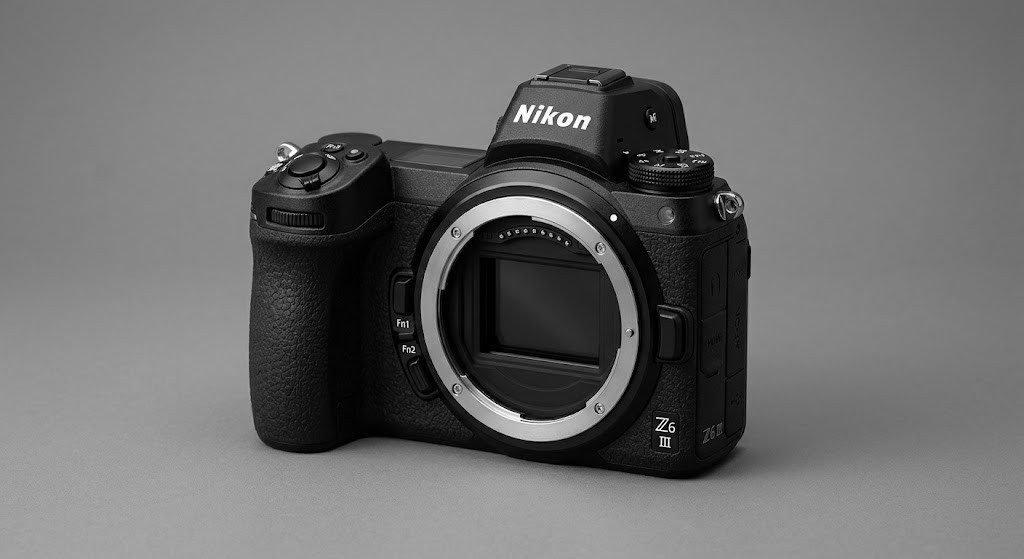
- Choose the Z50 II over the Z30 or Z fc unless you have a specific reason for the compact creator body or the retro design.
- Treat a big discount on an older body as a bargain only when that body’s best feature matches your work.
- Count what the Z5IIC removes before you count what it saves.
- Match the Zf, Z6 III, and ZR to experience, hybrid speed, and video first.
- Choose the Z8 only when you can name the Z6 III limitation that holds you back.
- Choose the Z9 only when you need its body, battery, and professional operating format.
The Nikon Lineup at a Glance
Before we walk through each trap, here is the full map. Nikon now covers every kind of buyer, so the lineup looks crowded. Each body has one clear job, though. Read the last column first, and then match it to what you actually shoot.
| Camera | Format | What it does best | Who should buy it |
|---|---|---|---|
| Z30 | APS-C (DX) | Compact, screen-first creator body | Vloggers who want a small camera and no viewfinder |
| Z fc | APS-C (DX) | Retro dials and film-camera styling | Buyers who love the design and the tactile controls |
| Z50 II | APS-C (DX) | EXPEED 7, newer subject detection, better autofocus | Most people shopping the DX corner |
| Z5IIC | Full frame | Cheapest way into Nikon full frame | Screen-first shooters who skip the viewfinder |
| Z5 II | Full frame | Conventional full-frame value | Everyday photographers who want an EVF and two card slots |
| Zf | Full frame | Retro controls on a modern 24.5 MP sensor | People who want the experience of using it |
| Z6 III | Full frame | Partially stacked sensor, fast readout, internal 6K RAW | Action, wildlife, events, and serious video |
| ZR | Full frame | Cinema-first design with 6K at 60 frames per second | Filmmakers who put video first |
| Z7 II | Full frame | 45.7 MP and ISO 64 | Landscape, studio, and architecture work |
| Z8 | Full frame | 45.7 MP stacked sensor, 8K class video | Pros who can name a recurring need for the resolution |
| Z9 | Full frame | Integrated grip, huge battery, built-in GPS | Agency sports, wildlife, and news shooters |
| D780 | Full-frame DSLR | Optical viewfinder and F-mount lens support | Owners of F-mount lenses who love a DSLR |
Notice what the table does not say. It never says “best camera.” That label means nothing until you know the job.
For a deeper look at how current models stack up across brands, see our Best Mirrorless Cameras 2026: Top 10 Ranked list.
Trap 1: The Entry-Level Identity Mistake
Start at the bottom, because that is where the first mistake happens. Nikon’s DX family looks simple. You see a few compact bodies, the same 20.9 megapixel sensor, and prices that sit close together. So buyers choose by personality instead of by need. It is a very human mistake. A body that looks right starts to feel like the right body, and a spec sheet rarely argues back.
Nikon Z30: The Creator Body
The Z30 is the creator camera. Nikon built it around the screen. It has no electronic viewfinder, no IBIS, and an older EXPEED 6 processor. Its 4K video tops out at 30 frames per second.
That sounds like a list of cuts, and it is. But the Z30 is not pointless. Vloggers and solo creators hold the camera at arm’s length, so they care about the flip screen, the small body, and the low weight. For them, a viewfinder only adds bulk.
Who should buy the Z30
- Vloggers who film themselves and watch the screen the whole time
- Beginners who want a small, light body for everyday video
- Buyers who truly never lift a camera to their eye
Who should skip the Z30
- Anyone who shoots in bright sun and needs a viewfinder
- Photographers who want stabilization built into the body
- Buyers who plan to shoot 4K at 60 frames per second
Nikon Z fc: The Retro Choice
The Z fc brings the dials and the film-camera styling. It also lacks IBIS and uses the same older processor as the Z30. You do not buy this camera for performance. You buy it because it looks and feels like a classic Nikon.
That is a perfectly good reason. A camera you love to pick up is a camera you actually use. Still, the Z fc needs that reason. If the retro design does nothing for you, the dials simply cost you modern features.
Nikon Z50 II: The Default DX Camera
Then comes the Z50 II. It uses the same 20.9 megapixel sensor, but it adds EXPEED 7 inside. You also get newer subject detection, stronger autofocus logic, better general performance, and newer video tools.
For most people shopping this corner of the lineup, the Z50 II quietly makes the decision for them. It removes the compromises that define the Z30 and the Z fc, and it does not ask you to love a particular style.
The Entry-Level Rule That Carries This Whole Guide
Here is the rule. Buy the Z30 because you specifically want a compact, screen-first creator body. Buy the Z fc because the retro controls and the design are part of why you would pick it up. If neither sentence sounds like you, you probably meant to buy the Z50 II.
That is the cheap end, where the mistake is about taste. The next trap is about timing, because some older Nikons now wear price cuts that look very tempting.
Trap 2: The Discount That Costs More
A big discount feels like a verdict. It is not. It is just a number, and the real question is what you give up to get it. Older Nikon bodies often wear tempting price cuts. Some of them are real bargains. Others quietly remove the exact capability you will want in a year.
Nikon Z7 II: When Old Resolution Still Wins
Take the Z7 II. It offers 45.7 megapixels and a base ISO of 64. Those two numbers still matter for landscape, studio work, architecture, and slow commercial jobs. If that is your world, an older body at a lower price is a real bargain, because its strength is still a strength.
A landscape photographer on a tripod does not need blazing burst speed. That shooter needs detail, dynamic range, and room to crop. The Z7 II delivers all three, and the discount simply helps.
Nikon Z6 III: The Gap You Will Feel
Now look at the Z6 III. It moves to EXPEED 7 and a partially stacked 24.5 megapixel sensor with much faster readout. That change brings stronger autofocus behavior, higher-speed stills, and far deeper video capability.
So a cheaper older Z body is only a deal if you will never feel that gap. A buyer chasing a bargain should start with what they actually shoot, not with what the sticker says.
Three quick questions before you chase a discount
- Does the older body’s best feature match your daily work?
- Will you ever shoot fast action, long clips, or demanding video?
- Would a small extra spend today save you from an upgrade next year?
If you answer yes to the second or third question, the discount is probably an illusion.
Nikon D780: The DSLR Question
The D780 tells the same story from another angle. For someone who already owns F-mount lenses, or who simply loves an optical viewfinder, it remains an excellent DSLR. You keep the glass you own, and you keep the look through the finder that many photographers prefer.
But starting a brand-new system on it gets harder to justify. Current Z-mount bodies sit in similar price territory. They also give you a modern mirrorless mount and the newest autofocus tools.
The Lesson Behind Every Old-Camera Deal
The lesson is not that old cameras are bad. An old camera is a bargain only when its particular strength is exactly what you need. Megapixels and discounts should never decide value on their own.
If you are weighing a Z5 against its successor, our Nikon Z5 II vs Nikon Z5 comparison shows exactly what the upgrade buys you.
And that leads to the freshest trap of all. A new full-frame Nikon now costs less than the camera it is based on. The reason sits on the top plate, or rather, it does not sit there at all.
Trap 3: The Feature You Deleted to Save Money
This is the Nikon Z5IIC. Nikon launched it at about $1,400, and you can check current pricing on Nikon USA. It uses a 24.5 megapixel back-illuminated full-frame sensor. It also brings EXPEED 7, IBIS, and a mechanical shutter. On paper, that sounds like the full-frame bargain people have wanted for years. For the right person, it still might be.
What Nikon Removed From the Z5IIC
Then you look at what Nikon took away. Three cuts stand out:
- No electronic viewfinder. The top plate is flat because the finder is gone.
- One card slot instead of two. You lose your built-in backup.
- A lower-resolution rear display. The screen drops to roughly half the resolution of the one on the Z5 II.
Nikon did not discover a cheaper way to build the same camera. It deleted hardware. Consider the buyer who saves the money, then spends a bright afternoon with a long lens, squinting at a rear screen. That is a very expensive way to learn what a viewfinder was for.
Z5IIC vs Z5 II: The $300 Question
The Z5 II sits around $1,700, depending on promotions. It keeps the same core sensor and processor generation as the Z5IIC. But it adds back the viewfinder, dual SD card slots, a sharper rear screen, and handling that feels more like a traditional photographer’s camera. The gap is about $300.
| Feature | Z5IIC | Z5 II |
|---|---|---|
| Approximate price | About $1,400 | About $1,700 |
| Sensor | 24.5 MP back-illuminated full frame | Same core sensor generation |
| Processor | EXPEED 7 | EXPEED 7 |
| Viewfinder | None | Electronic viewfinder |
| Card slots | 1 | 2 |
| Rear display | Roughly half the resolution | Sharper screen |
Put simply, the extra $300 buys back the viewfinder, the second card slot, and the sharper screen.
Who Should Save the Money
Some buyers should absolutely take the cheaper body. A screen-first shooter who wants compact full frame, does not need a backup card, and truly does not care about a viewfinder will love the Z5IIC. Travelers, street shooters, and casual vloggers fit this description.
Who Should Not Buy the Z5IIC
Other buyers will regret it fast. Skip the Z5IIC if you shoot any of these:
- Wildlife
- Landscapes in bright light
- Long lenses
- Events or weddings
- Anything where you simply think better with an eye at the viewfinder
The Z5IIC is not worse. It is cheaper because Nikon removed things. The only question is how much you should save before the missing hardware becomes the bigger problem.
Next comes the centerpiece of this guide. Somewhere around $2,200, Nikon stops being a ladder and turns into a crossroads.
Trap 4: The $2,200 Nikon Identity Crisis
This is the part of the lineup that confuses people most, and for good reason. Three cameras sit at roughly the same body price. Yet they serve three completely different owners. Price makes them look like rivals. Real use rarely puts them in the same bag.
Nikon Zf: Buy It for the Experience
The Zf comes first. It has a 24.5 megapixel back-illuminated sensor, EXPEED 7, IBIS, modern Nikon autofocus, and physical retro exposure controls. Its case is not that it beats the Z5 II as a conventional camera. Its case is tactile control, styling, and the simple desire to pick it up.
There is also a handling trade-off. Fit a large lens, and that shallow retro grip can feel less comfortable than a conventional Z body. So do not pay the Zf premium expecting a better Z5 II. Pay it only if the experience itself is part of what you want.
Want the full story on this body? Read our Nikon Zf Review: Retro Full-Frame Done Right? for hands-on findings.
Nikon Z6 III: Buy It for Speed and Hybrid Work
Now the Z6 III. It has a partially stacked sensor, EXPEED 7, and faster readout. It also offers high-speed RAW shooting, internal 6K RAW video, a strong electronic viewfinder, and conventional handling.
The extra spend over the Z5 II is easiest to justify for action, wildlife, events, sports, and serious video. A landscape, portrait, family, or travel photographer may never use that readout advantage often enough to justify the jump. Do not buy it because it sits higher in the lineup. Buy it because your subject movement or your video workflow actually demands the faster sensor.
Nikon ZR: Buy It for Video First
And then the ZR. It is a cinema-first body on the same 24.5 megapixel partially stacked platform. You get 6K at 60 frames per second, a RED-based R3D workflow, a large rear display, advanced audio, and IBIS. According to Nikon USA, the ZR also records in-camera 32-bit float audio, which helps filmmakers who work without a separate recorder.
But the ZR has no viewfinder and no mechanical shutter. For a photographer drawn in only by the compact shape, that is a weak choice. The ZR is a filmmaking tool, not a cheaper, smaller Z6 III for everyone.
Side-by-Side: Zf vs Z6 III vs ZR
| Camera | Core idea | Biggest strength | Biggest catch |
|---|---|---|---|
| Zf | The experience | Retro dials, IBIS, 24.5 MP back-illuminated sensor | Shallow grip feels less comfortable with large lenses |
| Z6 III | The hybrid | Partially stacked sensor, fast readout, internal 6K RAW | Readout speed means little for slow subjects |
| ZR | Video first | 6K at 60 frames per second, R3D workflow, large display | No viewfinder and no mechanical shutter |
How to Pick Between Them
Ask yourself one question for each camera.
- Zf: Would I enjoy using this body even when a cheaper one takes the same photo?
- Z6 III: Do I shoot moving subjects or serious video often enough to need the faster sensor?
- ZR: Is video my main job, and can I live without a viewfinder?
Same money. The Zf is for the experience. The Z6 III is for a genuine photo and video hybrid. The ZR is for video first. On a price list they look like rivals. In real use, they rarely fight over the same buyer.
Higher up the ladder, the mistake changes shape. It stops being about a missing feature, and starts being about a capability you cannot name.
Trap 5: When the Z6 III Is Already Enough
The Nikon Z8 is not a camera to criticize. It is one of Nikon’s strongest bodies. It packs a 45.7 megapixel stacked sensor, high-speed full-resolution RAW shooting, professional autofocus and readout behavior, 8K class video, and strong high-frame-rate options.
Why the Z8 Resolution Matters
All that resolution gives you serious crop flexibility. You can crop hard for wildlife, commercial work, landscape, and mixed high-resolution action. Crop flexibility sounds abstract until you realize it is the reason some shooters need the resolution at all. A wildlife photographer who cannot get closer can still fill the frame in post.
Where the Z8 Trap Hides
So where is the trap? It is paying for professional capability when you cannot point to a job that needs it. Then you carry a heavier, costlier body to shoots that never asked for it.
The Z8 makes sense when any of these is a recurring requirement:
- 45.7 megapixels of detail
- Stacked sensor readout
- Heavy cropping
- Professional action work
- 8K class video production
The Z8 becomes overkill when you mainly shoot portraits, travel, family moments, standard weddings, or events. It also becomes overkill for general video that the Z6 III already handles comfortably.
The Z6 III vs Z8 Test
| Your situation | Better choice |
|---|---|
| Portraits, travel, family, standard weddings | Z6 III |
| General video work | Z6 III |
| Heavy cropping on distant subjects | Z8 |
| Recurring 8K class production | Z8 |
| High-resolution action as a regular job | Z8 |
Here is the test that settles it. Can you name the Z6 III limitation that keeps getting in your way? If you can, the Z8 is not overpriced. It is the answer. If you cannot, it is unnecessary.
Trap 6: The Flagship Badge
Now we reach the final escalation. The Nikon Z9 is exceptional. The trap is believing a flagship badge automatically produces better results than the Z8 for an ordinary, serious photographer.
What the Z9 Does Not Change
Look at what the Z9 leaves the same. It shares the same 45.7 megapixel stacked sensor foundation as the Z8. Its high-end imaging architecture is also broadly similar. So the files you get from each body do not sit in different leagues.
What the Z9 Actually Adds
The Z9 earns its price through the body around the sensor. It adds:
- An integrated vertical grip
- A much larger battery
- Professional operating endurance
- Built-in GPS
- A form designed around large lenses and long assignments
Those advantages matter enormously to agency sports, wildlife, news, and professional shooters who work under pressure. They do not automatically produce radically better files for someone who would rather carry the smaller, cheaper Z8.
Z8 vs Z9 in Plain Terms
| Question | Z8 | Z9 |
|---|---|---|
| Sensor foundation | 45.7 MP stacked sensor | Same 45.7 MP stacked foundation |
| Body design | Smaller and lighter | Integrated vertical grip |
| Battery | Standard battery | Much larger battery for long assignments |
| Built-in GPS | No | Yes |
| Best for | Serious photographers who value size and price | Professionals who need endurance and large-lens handling |
A Note for Anyone Buying in 2027
One more wrinkle matters if you plan to buy a Nikon camera in 2027. At the time of writing, Nikon has not officially announced a Z9 successor. Community speculation points to a possible Z9 II, but nothing is confirmed, and no new flagship has changed this decision yet. Read our Nikon Z9 II: Rumored Specs, Price and Release Date report for the latest unconfirmed details. Then watch for any official word from Nikon USA.
Here is the practical test. If you cannot explain why you need the Z9 body, battery, and professional operating format, you probably need a Z8, not a flagship badge.
If you want to see what else Nikon may release, check our Nikon Upcoming Cameras 2026-2027: 4 Big Releases countdown before you spend.
Which Nikon Camera Should You Buy in 2027? Match Your Shooting Style
Specs only help when they connect to a real job. Use these profiles to find yourself quickly.
The Vlogger or Solo Creator
You film yourself and watch the screen. The Z30 fits if you want the smallest APS-C body. The Z50 II fits if you want newer autofocus and better general performance. If you want full-frame video in a compact shape, the Z5IIC deserves a look. Serious video shooters who want cinema tools should study the ZR.
The Travel and Street Photographer
You value size, weight, and speed of use. The Z50 II covers most needs at a low cost. The Zf adds a tactile experience, while the Z5 II gives you a viewfinder and dual card slots in a conventional body. The Z5IIC can work if you never raise a camera to your eye.
The Landscape and Studio Photographer
You value resolution, dynamic range, and a steady tripod workflow. The Z7 II still delivers 45.7 megapixels and ISO 64 at a lower price, which makes it a smart buy for slow work. The Z8 makes sense only if you also need stacked speed or 8K class video.
The Wildlife and Sports Photographer
You chase fast subjects, often with long lenses. The Z6 III handles a lot of this work with its fast readout and strong viewfinder. The Z8 helps when you crop hard and need high-resolution action. The Z9 earns its place when long days, heavy lenses, and battery endurance decide the job.
The Wedding and Event Photographer
You need reliability and backup. Dual card slots matter here, so the Z5 II beats the Z5IIC. The Z6 III adds speed for fast moments, and the Z8 suits shooters who deliver large prints or crop heavily.
The Filmmaker
You think in frame rates, codecs, and audio. The ZR serves video first with 6K at 60 frames per second and a RED-based workflow. The Z6 III serves hybrid shooters who also need serious stills.
The Nikon Buying Map for 2027
Let us put the whole lineup on one map. Each camera answers one question. Find your question, and you find your body.
| If your priority is… | Buy this Nikon | Why |
|---|---|---|
| A default APS-C all-rounder | Z50 II | EXPEED 7 and newer autofocus fix the weak spots of cheaper DX bodies |
| Screen-first full-frame value | Z5IIC | Cheapest full frame, but only if the removed hardware does not matter |
| Conventional full-frame value | Z5 II | Viewfinder, dual card slots, and a sharper screen |
| A tactile, retro experience | Zf | Physical dials and styling are the point |
| Speed and serious hybrid work | Z6 III | Partially stacked sensor and internal 6K RAW |
| Filmmaking first | ZR | Cinema tools, 6K at 60 frames per second, and a RED-based workflow |
| High resolution and stacked speed | Z8 | 45.7 MP with professional readout and 8K class video |
| Professional flagship operation | Z9 | Integrated grip, large battery, and GPS for long assignments |
A Simple Four-Step Way to Choose
- Write down your subject. Name what you shoot most, such as family, travel, wildlife, weddings, or video.
- Name your biggest limitation. Is it autofocus, readout speed, resolution, battery life, or the missing viewfinder?
- Pick the cheapest body that fixes it. Ignore every body above that line.
- Check what the body removes. Look for missing viewfinders, single card slots, or older processors before you pay.
Common Mistakes When You Buy a Nikon Camera in 2027
Most regrets come from the same few habits. Avoid these:
- Buying by sticker price. A low price often hides removed hardware.
- Buying by megapixels. More resolution helps only when you crop, print large, or shoot slow, detailed work.
- Buying the flagship badge. Prestige does not improve your photos by itself.
- Ignoring lenses. Your lenses shape your results as much as the body does, so plan the whole kit.
- Ignoring your real job. Write down what you shoot, not what you hope to shoot someday.
The Real Rule Behind Every Trap
Nikon is not the problem, and nothing in this lineup is secretly bad. The expensive mistake is choosing the wrong Nikon advantage. Buyers pay for speed, style, cinema tools, flagship ergonomics, or stripped-down simplicity that their work does not actually need.
The right Nikon is the cheapest body that removes the limitation your work keeps hitting. Everything above that is optional.
FAQs: Buying a Nikon Camera in 2027
Which Nikon is the best value for most people?
For APS-C buyers, the Z50 II is the safest pick. It brings EXPEED 7, newer subject detection, and stronger autofocus. For full-frame buyers who want a conventional camera, the Z5 II offers a viewfinder, dual card slots, and a sharper rear screen.
Is the Nikon Z5IIC worth buying?
It is worth it for screen-first shooters who want compact full frame and do not need a viewfinder or a backup card. It is a poor choice for wildlife, bright-light landscapes, long lenses, events, or weddings.
What is the difference between the Z5IIC and the Z5 II?
Both use a 24.5 megapixel back-illuminated full-frame sensor and EXPEED 7. The Z5 II adds an electronic viewfinder, two SD card slots, and a sharper rear screen. The Z5IIC removes those features to cost about $300 less.
Should I buy the Z6 III or the Z8?
Buy the Z6 III unless you can name a specific limit it creates for you. The Z8 makes sense for heavy cropping, 8K class production, or recurring high-resolution action work. Otherwise, the Z6 III already covers portraits, travel, family, standard weddings, events, and general video.
Is the Nikon ZR a good camera for photographers?
Not for most of them. The ZR is a cinema-first body. It has no viewfinder and no mechanical shutter. Photographers who only like its compact shape should look at the Z6 III or Z5 II instead.
Is the Nikon Zf better than the Z5 II?
Not as a conventional camera. The Zf wins on tactile control and styling. Pay the premium only if the retro experience is part of why you want it.
Is the Nikon Z9 worth it over the Z8?
Only if you need the integrated grip, the larger battery, the built-in GPS, and the professional operating format. The two cameras share the same 45.7 megapixel stacked sensor foundation, so image quality alone is not a reason to choose the Z9.
Are older Nikon bodies still worth buying on sale?
Yes, but only when the older body’s main strength matches your work. The Z7 II still suits landscape, studio, and architecture work. The D780 still suits owners of F-mount lenses. A cheaper older Z body is risky if you may ever need the speed and video depth of the Z6 III.
Should I buy a Nikon DSLR in 2027?
Only if you already own F-mount lenses or you love an optical viewfinder. For a brand-new system, current Z-mount bodies sit in similar price territory and offer a modern mirrorless mount.
Will Nikon release a Z9 successor in 2027?
Nikon has not officially announced one. Community speculation exists, but nothing is confirmed. Follow Alt Buzz Rumors for updates as they develop.
Final Verdict: The Best Nikon to Buy in 2027
Nikon sells a camera for every kind of buyer, and that is exactly why choosing feels hard. The lineup rewards clear thinking. Each trap in this guide shares one root cause: paying for an advantage your work does not use.
To buy a Nikon camera in 2027 without regret, remember these six points:
- Pick the Z30 or Z fc only for a specific reason. Otherwise, choose the Z50 II.
- Treat an old-camera discount as a bargain only when the older body’s strength matches your work.
- Count what the Z5IIC removes before you count what it saves.
- Match the Zf, Z6 III, and ZR to experience, hybrid speed, and video first.
- Choose the Z8 only when you can name the Z6 III limitation that holds you back.
- Choose the Z9 only when you need its body, battery, and professional operating format.
The right Nikon is the cheapest body that removes the limitation your work keeps hitting. Everything above that is optional.
Now Tell Us Your Verdict
Which jump in the lineup is the hardest to justify? Is it the Z5 II to Z6 III, the Z6 III to Z8, or the Z8 to Z9? Pick one, and tell us in the comments which limitation would make you pay.
Read More from Altbuzz
Want more brand-specific buyer guides that show where spending more actually stops making sense? Explore these reads from Alt Buzz:
- Nikon Zf Review: Retro Full-Frame Done Right?
- Nikon Z5 II vs Nikon Z5: Is the Full-Frame Upgrade Worth It?
- Nikon Z9 II: Rumored Specs, Price and Release Date
- Nikon Upcoming Cameras 2026-2027: 4 Big Releases
- Best Mirrorless Cameras 2026: Top 10 Ranked
- Browse more in Rumors, Reviews, Comparisons, and Top 10 Lists
Subscribe to Altbuzz YouTube Channel
This guide started as an Altbuzz video. Subscribe to the Altbuzz YouTube channel to catch the next buying mistake before it reaches your wallet. If these guides help you, a Super Thanks or a channel membership keeps the research coming.
Alt Buzz | Website: altbuzzmedia.com | YouTube: @AltBuzzMedia