
Sony does not slow down. While most camera brands announce one or two significant bodies per year, Sony consistently pushes multiple platforms forward across stills, video, APS-C, full-frame, and cinema lines simultaneously. In June 2026, that momentum has never been more visible.
Three Sony cameras are currently in certification pipelines. The A7R VI already announced in May 2026. The FX3 II is confirmed by Sony Alpha Rumors with 90 percent confidence for a 2026 arrival. The A7S IV carries years of community anticipation behind it. The A6200 occupies a slot in Sony’s APS-C refresh cycle. And the RX100 VIII addresses a seven-year product gap in Sony’s premium compact lineup.
Together, these five incoming Sony cameras cover every major category in the Alpha lineup. This blog examines each one in depth. For each camera, we cover the confirmed details, the most credible rumored specs, who it targets, and what it means for the photographers currently waiting.
All information in this blog reflects the state of Sony Alpha rumors as of June 2026 and is based on research from Sony Alpha Rumors, Digital Camera World, Photo Workout, The New Camera, and Camera Lookout.
1. Sony A7R VI: The 67MP Resolution King Already Announced
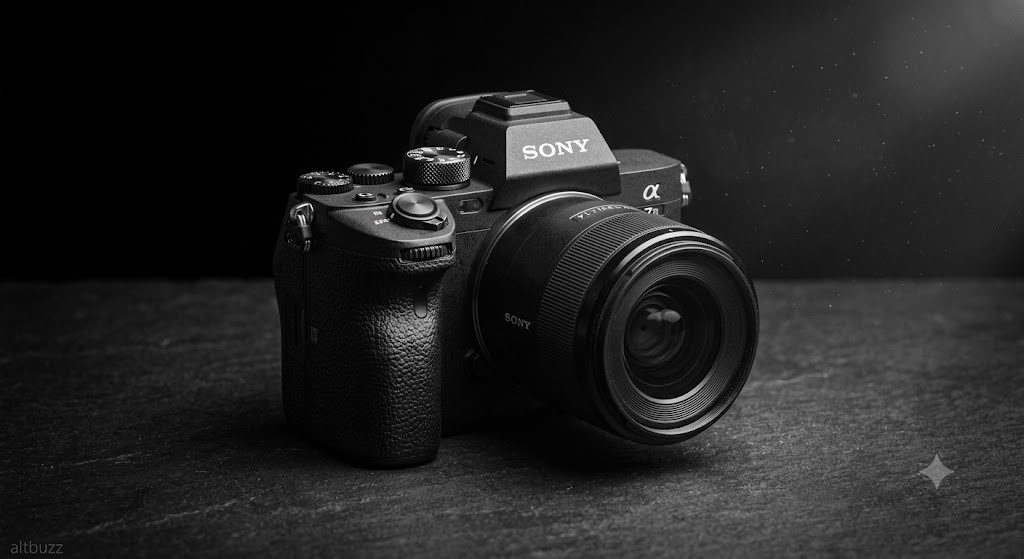
Status: Announced May 13, 2026 | Expected shipping June to July 2026
Price: $4,999 to $5,099 body only
The Sony A7R VI is no longer a rumor. Sony announced it officially on May 13, 2026, at its Alpha In Residence event in New York City. Three independent rumor sources confirmed the date ahead of announcement, and the confirmed specifications largely matched what the leak cycle had predicted.
What the A7R VI Delivers
The A7R VI carries a 67MP stacked Exmor RS CMOS sensor. This resolution places it above the A7R V’s 61MP while the stacked architecture enables dramatically faster data readout than the standard BSI design in the A7R V allowed.
Multiple sources confirmed the video specification: 8K at 30fps oversampled from a 10K capture, plus 4K at 120fps in both full-frame and Super 35 modes. The oversampled 8K approach produces noticeably cleaner, more detailed footage than native 8K capture from sensors reading only enough pixels for the 8K output.
Pre-capture and composite shooting modes expand the creative toolkit for landscape and high-dynamic-range photographers. Triple-band Wi-Fi covering 6GHz, 5GHz, and 2.4GHz significantly accelerates wireless file transfer workflows compared to the single-band system in the A7R V.
Why the A7R VI Matters
At $4,999, the A7R VI undercuts the A1 II by approximately $1,500. For photographers who need high resolution but not the A1 II’s extreme burst speeds, this price gap matters considerably. A resolution-first photographer gains 67MP stacked sensor performance at a price that previously required compromise on either resolution or speed.
Additionally, the new body design referenced by multiple pre-announcement sources suggests ergonomic improvements that A7R V owners have requested. Specifically, improvements to the grip depth and menu system reflect feedback Sony gathered from the A7R V’s user base.
Who Should Buy the A7R VI
Landscape photographers, architectural photographers, fashion and beauty photographers, and fine art photographers who deliver to large print formats are the natural audience. For these users, 67MP stacked sensor performance at $4,999 is genuinely compelling. The wait for the A7R VI is over. It is here.
2. Sony FX3 II: The Cinema Camera Photographers Have Demanded Since 2021
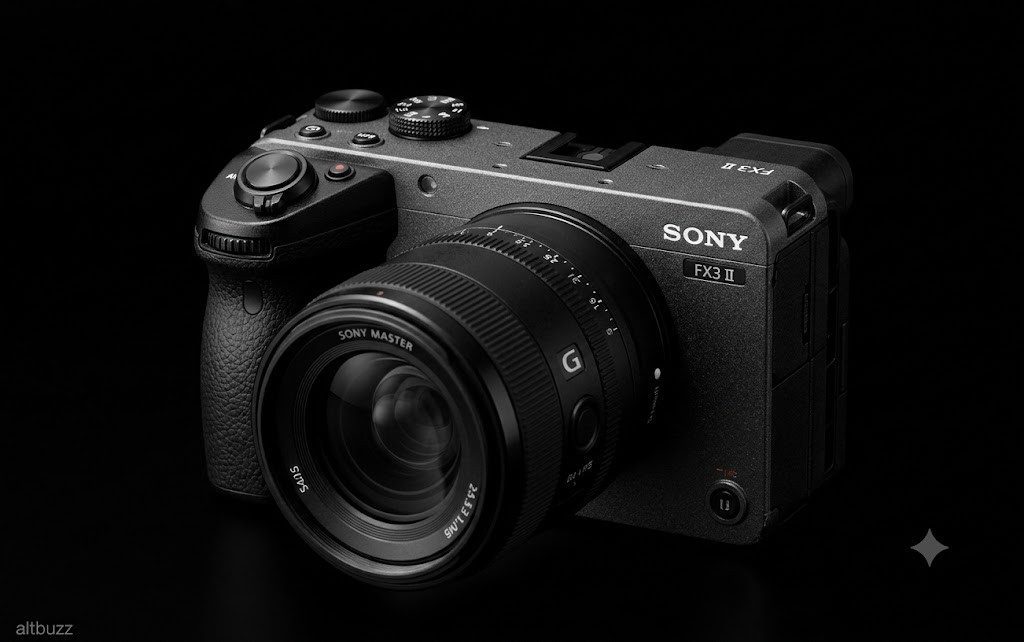
Status: Confirmed incoming, 2026 | No official announcement date yet
Estimated Price: $3,500 to $4,200 body only
The Sony FX3 launched in February 2021. It carries the same sensor as the A7S III and quickly became the most popular Sony cinema camera among solo filmmakers, documentary creators, and commercial video directors. Five years later, the FX3 II is confirmed by Sony Alpha Rumors with the highest confidence rating of any unannounced Sony camera.
Why the FX3 II Has Taken So Long
The delay is intentional rather than developmental. Digital Camera World’s James Artaius has specifically noted that Sony appears to be developing a new sensor platform to share across the FX3 II, the A7S IV, and potentially a new ZV-E1 II. By building multiple products on one sensor investment, Sony maximizes the return on sensor development while ensuring the FX3 II arrives with genuinely next-generation capability rather than a marginal update.
This strategy means the FX3 II will not be a simple spec bump. It will introduce a new sensor architecture that carries forward across Sony’s video-centric lineup for the next several years.
Expected FX3 II Specifications
The most credibly rumored specifications center on improved low-light performance, better active cooling for sustained video recording without thermal throttling, and expanded 4K frame rate options beyond the FX3’s 4K 120fps ceiling.
A new sensor optimized for cinema use would logically prioritize these characteristics. Low-light excellence has defined the FX3’s identity since launch. The FX3 II’s new sensor must maintain or improve that identity or it risks disappointing the creators who have built workflows around the platform.
An updated BIONZ processor will also handle more sophisticated AI subject tracking during video recording. The FX3’s current tracking performs well but shows inconsistency during complex scenes with multiple overlapping subjects. A new processor generation addresses this directly.
Who the FX3 II Targets
Solo filmmakers who shoot documentary, commercial, and narrative content. Wedding videographers who need reliable low-light performance and cinema color science in a compact body. Content creators who have outgrown APS-C video quality and want a full-frame cinema camera without the size and price of the FX6 or FX9.
Furthermore, the FX3 II will attract a significant number of A7S III users who have been waiting for a body with better thermal management and updated connectivity. The A7S III, launched in October 2020, will be approaching six years old when the FX3 II arrives. That creates a substantial potential upgrader pool.
3. Sony A7S IV: The Low-Light Legend Finally Coming
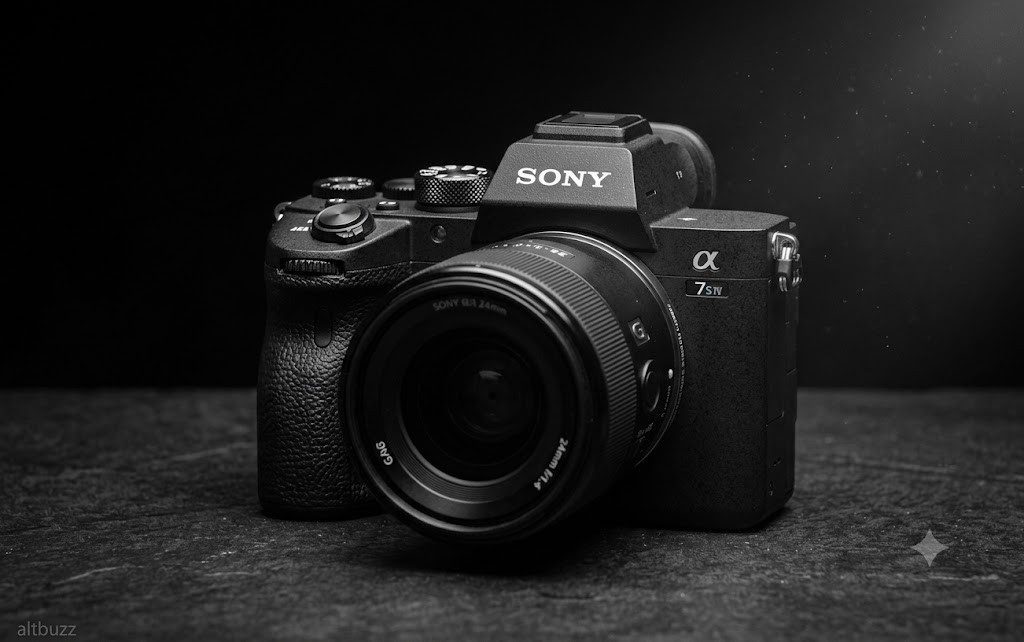
Status: Rumored 2026 to early 2027 | Most overdue camera in Sony’s lineup
Estimated Price: $3,500 to $4,000 body only
The Sony A7S III announced in July 2020 and launched in October 2020. In June 2026, it will be approaching six years without a successor. No other major Sony Alpha camera has gone this long without an update in the brand’s recent history. The A7S IV is overdue by every measure.
Why the A7S IV Has Been Delayed
The delay connects directly to the same strategy behind the FX3 II delay. Sony appears to be holding the A7S IV until the new shared sensor platform is ready. By releasing the A7S IV, FX3 II, and potentially a new ZV camera simultaneously on the same sensor architecture, Sony gets multiple major product launches from one sensor development investment.
Digital Camera World’s analysis describes this explicitly: “I think we’re going to get an A7S IV, FX3 II, and maybe FX6 II and a new ZV camera all based on the same architecture, giving Sony multiple bites of the cherry for one very profitable sensor investment.”
What the A7S IV Must Deliver
The A7S III’s defining characteristic is extraordinary low-light performance. Its 12.1MP full-frame sensor uses large pixels that gather maximum light per photosite. Combined with Sony’s BIONZ XR processor, the A7S III delivers usable video at ISO 40000 and technically capable footage at ISO 102400.
The A7S IV must improve on this while also updating the surrounding technology. Specifically, IBIS improvements, 4K 240fps for extreme slow-motion, and updated subject tracking for video are the primary community requests.
A resolution increase is possible but not guaranteed. The A7S line’s entire identity rests on low-pixel-count, large-pixel-area sensors. If Sony increases resolution significantly, the A7S IV risks losing the characteristic that makes the series unique. A modest increase to 14 or 16MP would expand video resolution options without undermining low-light performance.
Who the A7S IV Targets
Filmmakers who shoot in darkness, including documentary photographers working in interior spaces, night sky photographers who need clean video at extreme ISOs, and event videographers who work in consistently challenging lighting. Additionally, photographers who own the A7S III and have been waiting for a reason to upgrade will represent a large segment of early buyers.
The A7S IV is arguably the incoming Sony camera that its specific audience needs most urgently. They have waited five years. The camera they receive will need to be worth every month of that wait.
4. Sony A6200: The APS-C Flagship Refresh Coming Soon
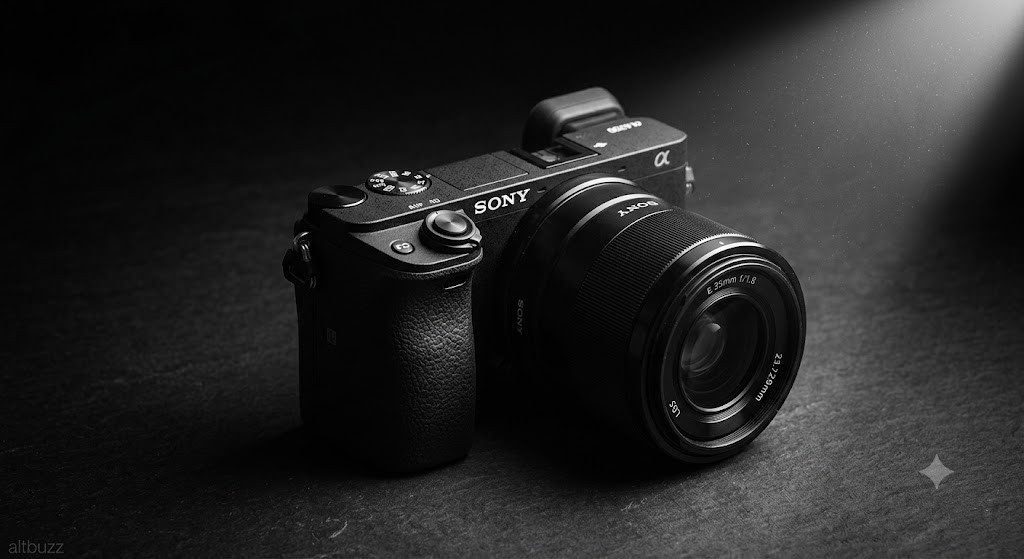
Status: Expected summer 2026 based on certification data | Body only price unknown
Estimated Price: $1,299 to $1,499 body only
Sony’s APS-C mirrorless lineup currently peaks with the A6700, launched in July 2023. The A6200, identified through recent China certification registrations and confirmed by Digital Camera World’s rumor tracking in June 2026, appears to be the next APS-C step in Sony’s lineup.
What the A6200 Is Expected to Be
Digital Camera World reports that the A6200 is “said to possess the same excellent 26MP image sensor as the Sony A6700, which has also been used in the ZV-E10 II.” This suggests the A6200 is not a sensor upgrade over the A6700 but rather a refinement of the platform.
The positioning question that Digital Camera World raises is valid. Sony must answer why the A6200 exists alongside the A6700 and the ZV-E10 II. The most logical differentiation is body design: a more compact or differently styled body that uses the same core imaging engine with a different physical format targeting a different user preference.
Who Needs the A6200
Photographers who want the A6700’s sensor and autofocus performance but prefer a smaller or differently shaped body than the current A6700 design. Additionally, the A6200 could target the vlogging and content creator audience with a more video-oriented physical design, similar to how the ZV-E10 II targets a different buyer than the A6700 despite sharing a sensor.
Sony’s APS-C lineup has been one of the brand’s strongest commercial performers. The A6200 extends that performance with a new physical format rather than a technological leap.
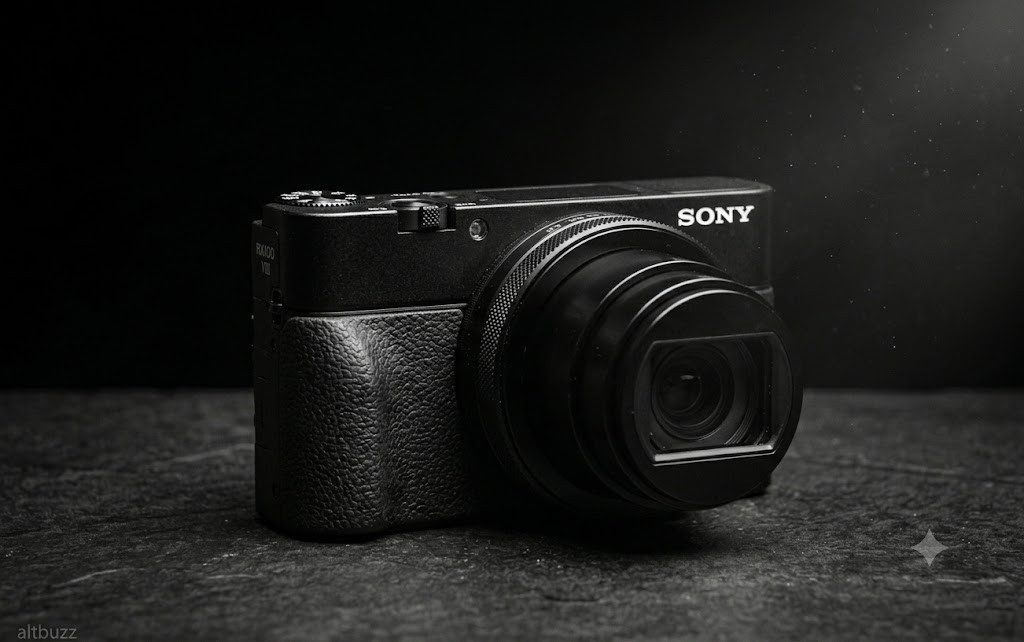
5. Sony RX100 VIII: Seven Years of Waiting Ends
Status: In certification pipeline | Expected late 2026
Estimated Price: $1,400 to $1,600
The Sony RX100 VII launched in July 2019. It is now over seven years old, making it the most outdated camera in Sony’s compact lineup by a significant margin. The RX100 VIII appears in Sony Alpha Rumors’ 2026 prediction list and has been confirmed as under development by multiple sources tracking Sony’s compact camera pipeline.
Why the RX100 VIII Has Taken So Long
The premium compact camera market collapsed during the early 2020s as smartphone cameras improved dramatically. Sony suspended RX100 development because the addressable market for a $1,300 compact camera with a 1-inch sensor narrowed considerably when iPhone and Samsung cameras approached similar output quality for casual use.
However, 2025 and 2026 have brought a meaningful premium compact resurgence. The Fujifilm X100VI sold out globally within days of launch and maintained waitlists for months. The Panasonic Lumix L10, announced in May 2026, sold out initial allocations rapidly according to Panasonic’s own statements. The Leica Q3 continues commanding $5,995 without hesitation from its target audience.
This market revival has clearly motivated Sony to return to the RX100 line. The RX100 VIII arriving in late 2026 would position Sony directly against the Fujifilm X100VI and the Lumix L10 in the premium compact conversation.
What the RX100 VIII Needs
The RX100 VII’s 1-inch sensor was already beginning to look modest against APS-C competition in 2019. By 2026, maintaining a 1-inch sensor in the RX100 VIII would make the new camera feel outdated at launch.
Community speculation centers on two possibilities. The first is an upgraded 1-inch sensor with dramatically better image quality through new BSI architecture and improved dynamic range. The second, more ambitious possibility is a larger sensor, potentially APS-C, which would put the RX100 VIII in direct competition with the Fujifilm X100VI on sensor size rather than yielding that ground entirely.
Regardless of sensor choice, the RX100 VIII will need significantly improved autofocus compared to the RX100 VII’s contrast-detection system, updated video specifications including 4K 60p and 10-bit recording, and a modern connectivity suite with wireless transfer capabilities.
Who the RX100 VIII Targets
Travel photographers who want a pocketable camera with genuine image quality. Business travelers who carry one camera for everything. Advanced photographers who want a compact second body. Content creators who need a small, capable camera for behind-the-scenes and travel documentation work.
At $1,400 to $1,600, the RX100 VIII will compete directly against the Lumix L10 and will need to justify its price through sensor quality, pocketability, and Sony’s ecosystem advantages.
The Bigger Picture: What These Five Incoming Sony Cameras Mean
Looking at these five incoming Sony cameras together reveals a clear strategic direction for the Alpha brand in 2026 and 2027.
Sony Is Investing Across Every Category
The A7R VI addresses the high-resolution stills market. The FX3 II and A7S IV address the professional video market. The A6200 extends the APS-C lineup. The RX100 VIII reclaims the premium compact segment. Together, these five cameras leave no major photography category unaddressed.
This breadth is unusual even for Sony. Most camera brands focus one or two major launches per year in their most commercially important categories. Sony’s 2026 and 2027 lineup suggests the company is investing simultaneously across its entire product range.
The Shared Sensor Platform Strategy
The confirmed connection between the FX3 II, A7S IV, and potentially a new ZV camera on a single new sensor platform is the most strategically significant development in Sony’s pipeline. By amortizing sensor development costs across multiple products, Sony can invest in a more capable sensor than any single product’s commercial return would justify alone.
For photographers, this means the FX3 II and A7S IV will arrive with genuinely next-generation sensor technology rather than the incremental improvements that single-product sensor development typically delivers.
The Competitive Response Dimension
Each of these five incoming Sony cameras addresses a specific competitive pressure. The A7R VI responds to Nikon’s Z8 and Canon’s R5 II in the high-resolution segment. The FX3 II responds to Canon’s C70 and Blackmagic’s growing cinema camera market share. The A7S IV re-establishes Sony’s low-light leadership before competing platforms close the gap. The A6200 defends Sony’s APS-C commercial dominance against Fujifilm and Canon. The RX100 VIII recaptures premium compact market share from Fujifilm’s X100 series.
Sony’s incoming camera strategy in 2026 is simultaneously offensive and defensive across every front. That level of product investment reflects a company that intends to remain the dominant force in mirrorless photography for the next several years.
Which Incoming Sony Camera Is Right for You?
Choosing between these five incoming Sony cameras depends entirely on what you shoot and what you currently use.
The A7R VI suits resolution-first photographers who need the largest possible files from a full-frame sensor and who will benefit from the stacked architecture’s speed advantages over the A7R V.
The FX3 II suits filmmakers and video creators who have been waiting for the A7S III’s natural successor in a cinema-oriented body. Its arrival will mark the beginning of Sony’s next video platform generation.
The A7S IV suits low-light specialists who have held onto their A7S III while waiting and watching. Its sensor advances will define Sony’s low-light capability for the next five years.
The A6200 suits APS-C photographers who want the A6700’s imaging engine in a refreshed body format that addresses ergonomic preferences the A6700’s current design does not serve.
The RX100 VIII suits compact camera photographers who want Sony’s ecosystem in a pocketable body and who have been waiting years for an updated alternative to the aging RX100 VII.
Read More from Altbuzz
For ongoing Sony Alpha coverage through 2026 and into 2027, explore our detailed Sony A7R VI full specs and first impressions, our Sony FX3 II rumor tracker, and our complete Sony Alpha lineup buyer’s guide updated June 2026.
Track every Sony announcement as it happens at altbuzzmedia.com. For Sony-specific rumor tracking, Sony Alpha Rumors at sonyalpharumors.com and The New Camera at thenewcamera.com provide the most reliable ongoing coverage.
Subscribe to Altbuzz YouTube Channel
In-depth breakdowns of every incoming Sony camera, including spec analysis videos for the A7R VI and FX3 II, are live now on the Altbuzz YouTube channel @AltBuzzMedia. Subscribe for real-time Sony Alpha coverage updated every week through 2026.