
Best Mirrorless Cameras 2026: 10 Top Bodies Ranked Worst to Best
If you plan to spend $2,000, $3,000, or even $6,000 on a camera this year, the spec sheet alone will not tell you which model deserves your money. Some bodies dominate resolution. Others win on speed or video. A few simply do almost everything well. We ranked the best mirrorless cameras 2026 has to offer from tenth place to first, and the most expensive flagship on the list does not even reach the top three.
Welcome to Altbuzz, where we compare cameras around real buying decisions. This guide weighs sensor design, autofocus, video tools, lens ecosystems, price, and everyday usability. It does not reward a camera for a single headline number. Read on to see where each model lands, why it lands there, and who should buy it.
How We Ranked the Best Mirrorless Cameras 2026
Every camera in this ranking competes as an overall tool, not as a specialist. That distinction explains several surprising placements. A camera built for one job can beat everything above it in that job, yet still rank lower because it asks buyers to accept limits in other areas.
We scored each body on six factors:
- Sensor architecture and resolution: stacked and partially stacked designs read data faster, and more megapixels give you cropping freedom.
- Autofocus and burst performance: subject recognition, blackout-free shooting, and pre-capture matter for action.
- Video capability: resolution, frame rates, internal raw, and log profiles shape hybrid value.
- Lens ecosystem: the body is only half the system you buy.
- Price and value: a flagship must justify its premium against newer and cheaper rivals.
- Versatility: the best camera forces the fewest compromises across the widest range of work.
Quick Comparison of the 10 Best Mirrorless Cameras 2026
| Rank | Camera | Sensor | Headline Strength |
|---|---|---|---|
| 10 | OM System OM-1 Mark II | 20.4 MP stacked Micro Four Thirds | 50 fps, compact telephoto system |
| 9 | Fujifilm X-H2S | 26.1 MP stacked APS-C | 40 fps, internal ProRes |
| 8 | Panasonic Lumix S1 II | 24.1 MP partially stacked full frame | Video workflow, 70 fps burst |
| 7 | Nikon Z6 III | 24.5 MP partially stacked full frame | Balanced hybrid, 6K N-RAW |
| 6 | Canon EOS R6 Mark III | 32.5 MP full frame | 7K raw, dual card slots |
| 5 | Sony Alpha 7 V | 33 MP partially stacked full frame | 30 fps, strong all-round value |
| 4 | Sony Alpha 1 II | 50.1 MP stacked full frame | Pro sports and action |
| 3 | Sony Alpha 7R VI | 66.8 MP fully stacked full frame | Resolution plus 30 fps |
| 2 | Nikon Z8 | 45.7 MP stacked full frame | Pro balance, strong value |
| 1 | Canon EOS R5 Mark II | 45 MP stacked full frame | Fewest compromises overall |
Number 10: OM System OM-1 Mark II
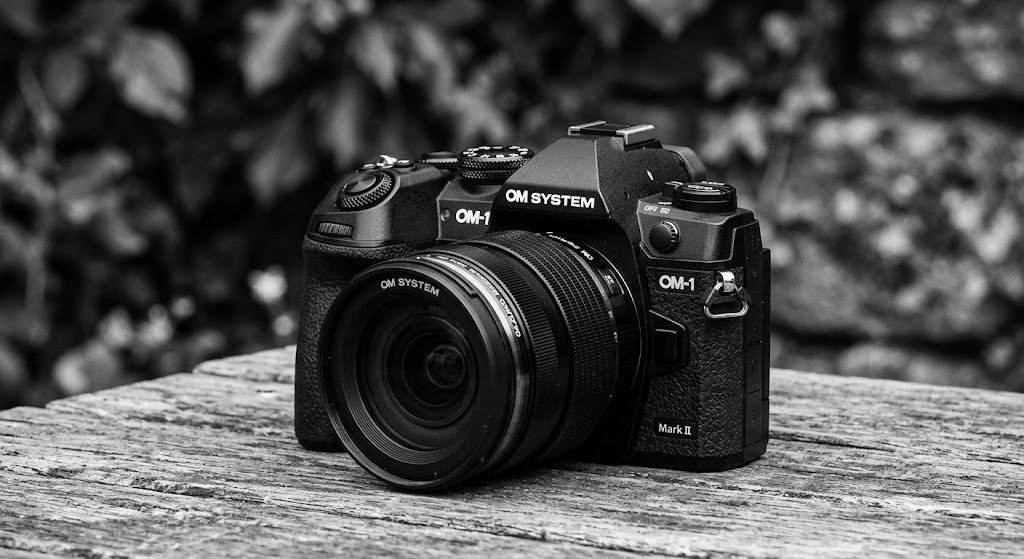
The OM System OM-1 Mark II lands at the bottom of this list, and that placement shows how tough the competition is. This is not token Micro Four Thirds representation. The camera earned its seat.
Key Features of the OM-1 Mark II
Picture a bird photographer on a long hike with a telephoto lens. The stacked, backside-illuminated sensor delivers 20.4 megapixels, but speed is the real story. The camera shoots 50 frames per second with continuous autofocus and 120 with focus locked. Pro Capture records the moment before you press the shutter button, and up to 8.5 stops of stabilization steadies a long lens. IP53-class weather protection, live ND, and High Res Shot complete a package built for people who work outdoors.
Why the OM-1 Mark II Ranks Tenth
The spec sheet hides the biggest advantage, which is the bag. Micro Four Thirds shrinks an entire telephoto system far below a full frame equivalent, and that matters more than body dimensions.
This is an overall ranking, though, and the smaller sensor creates real limits against every camera above it. Native resolution, extreme high ISO, maximum dynamic range, and very shallow depth of field all favor larger sensors. The video is competent, even 4K at 60 frames per second, but higher-ranked cameras climb into 6K, 7K, 8K, Open Gate, internal raw, and heavier cinema workflows. None of that makes Micro Four Thirds inferior. It makes this camera more specialized.
Who Should Buy the OM-1 Mark II
Wildlife photographers who carry gear for hours should seriously consider it. For that buyer, the OM-1 Mark II can be a smarter purchase than several cameras far above it. Explore the system at the OM System website.
Number 9: Fujifilm X-H2S
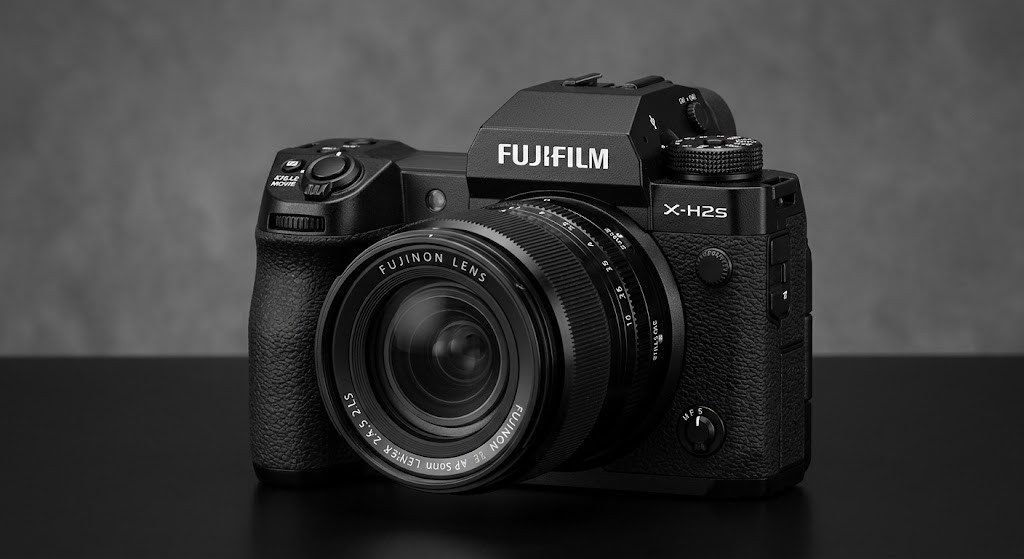
The Fujifilm X-H2S tells a story about time. It remains an impressive machine, but the market has moved quickly around it.
Key Features of the X-H2S
This stacked APS-C flagship pairs a 26.1 megapixel sensor with 40 frames per second of blackout-free shooting. Video specs impress as well: 6.2K at 30 frames per second in Open Gate, 4K at 120, internal ProRes, and F-Log2. Compared with the OM-1 Mark II, the Fuji offers more native resolution and a broader hybrid personality, while the OM wins decisively on outdoor specialization.
Why the X-H2S Ranks Ninth
The sensor size is not the problem. Time and price are. The camera arrived in 2022, and since then full frame readout has become much faster. Partially stacked sensors have moved down market, autofocus processors have improved, and newer full frame bodies now deliver 30 to 40 frames per second. The Fuji has to justify premium pricing against much newer technology. It did not suddenly become slow. The market simply caught up.
Who Should Buy the X-H2S
Fujifilm still makes a compelling argument for the right buyer. The XF system is one of the most complete ecosystems designed specifically around APS-C. If you value smaller lenses, tactile controls, APS-C reach, and internal ProRes, you may prefer this camera to a higher-ranked full frame body. Browse the lineup at Fujifilm X Series.
Number 8: Panasonic Lumix S1 II
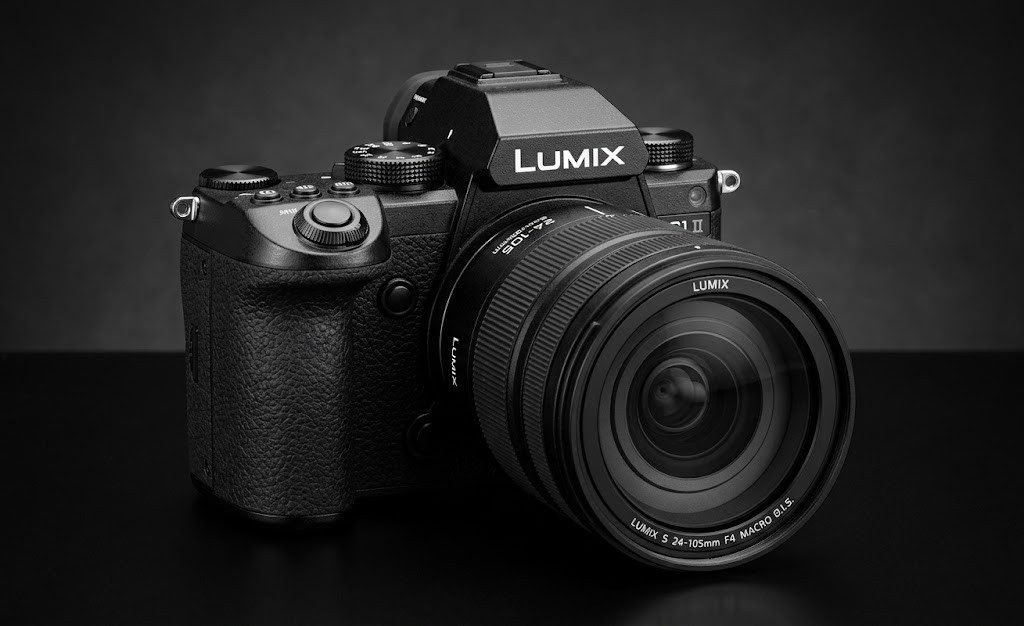
The Panasonic Lumix S1 II may be the strongest video camera in this entire ranking. This is not only a video ranking, however, and that tension decides its position.
Key Features of the Lumix S1 II
Panasonic built this body around a 24.1 megapixel partially stacked full frame sensor. It delivers 70 frames per second of electronic burst, Phase Hybrid autofocus, 5.1K at 60 frames per second in Open Gate, 4K at 120, strong V-Log, and up to 8 stops of stabilization. The philosophy mirrors the Fuji (speed plus video), now in full frame.
Why the Lumix S1 II Ranks Eighth
Panasonic has largely escaped the autofocus reputation of its older DFD cameras. The Lumix now pairs modern phase detection with what Panasonic has always done well: video monitoring, Open Gate, anamorphic workflow, stabilization, and recording tools that professionals actually use. For a filmmaker or serious hybrid creator, it can climb far higher than eighth.
For everyone else, the costs show up elsewhere. Price, battery consumption, buffer behavior at the highest speeds, and a workflow-heavy interface can frustrate a photography-first buyer. None of that means the autofocus is poor. It means Canon, Sony, and Nikon remain easier default recommendations when advanced video is not central to the purchase.
Who Should Buy the Lumix S1 II
Change the buyer, and the ranking changes. If half your paid work is video, the Lumix can beat cameras well above it. See the full range at Panasonic Lumix.
Number 7: Nikon Z6 III
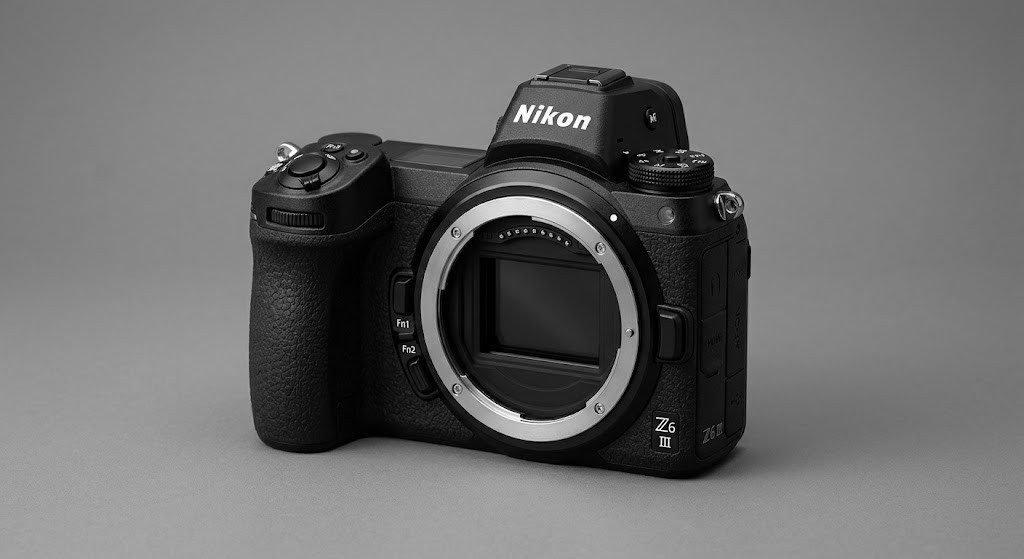
The Nikon Z6 III earns its spot by being very hard to criticize. It does not dazzle on any single line of the spec sheet, but it rarely disappoints.
Key Features of the Z6 III
The partially stacked, 24.5 megapixel sensor reads out about 3.5 times faster than the Z6 II. That speed buys 20 frames per second of raw shooting and 6K at 60 frames per second in internal N-RAW. Nikon adds 4K at 120, advanced subject detection, up to 8 stops of vibration reduction, and a 5.76-million-dot EVF. Much of the behavior of the more expensive Z bodies now lives in a smaller camera.
Why the Z6 III Ranks Seventh
The Z6 III sits above the Lumix because it is arguably the more balanced photography-first hybrid. Nikon ergonomics, an excellent EVF, strong autofocus, internal raw video, and a mature Z system all work in its favor.
Resolution holds it back. At 24.5 megapixels, the sensor now looks conservative, since newer enthusiast cameras offer around 32 or 33 and premium bodies reach 45 and beyond. A partially stacked design also trades some peak dynamic range for speed. Nikon chose readout speed and responsiveness over maximum sensor purity, and for many buyers that is exactly the right call.
Who Should Buy the Z6 III
Shoppers who care about value should watch the price. If Nikon discounts the Z6 III aggressively in 2026, it looks far more compelling than this ranking suggests. Judge it by its everyday price, not a temporary sale. Check current offers at Nikon USA.
Number 6: Canon EOS R6 Mark III
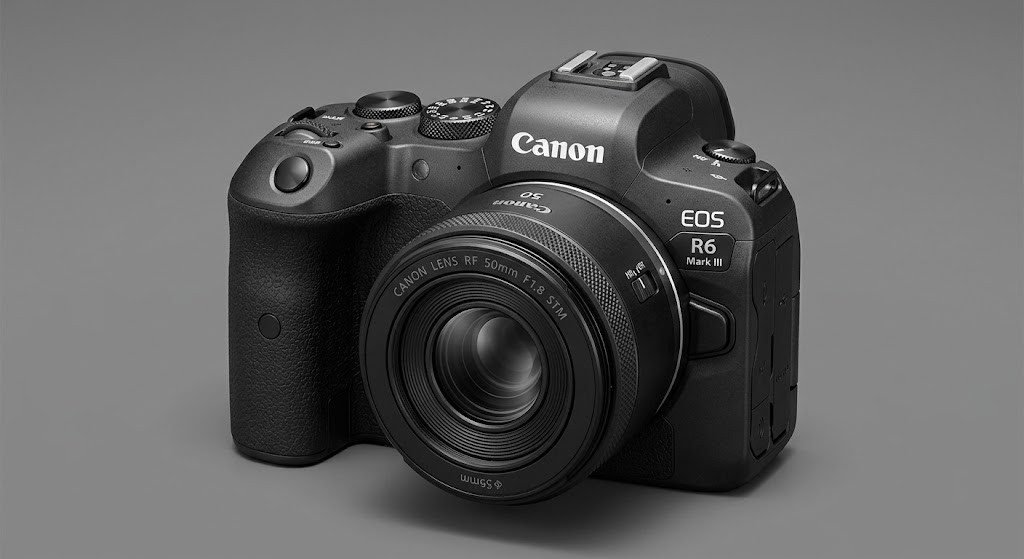
The Canon EOS R6 Mark III rarely wins a category outright, and it rarely gives you anything serious to complain about. That consistency makes sixth place a strong result.
Key Features of the EOS R6 Mark III
Canon equips this body with a 32.5 megapixel sensor, up to 40 frames per second of electronic shooting, pre-continuous capture, and up to 8.5 stops of stabilization. Dual card slots accept CFexpress Type B and UHS-II SD. Video steps up too, with internal 7K raw at up to 60 frames per second, 7K Open Gate, and 4K at 120.
Why the EOS R6 Mark III Ranks Sixth
Wedding shooters delivering thousands of images, family photographers, and hybrid freelancers making commercial content all find a natural fit here. Almost no normal photography category makes this camera feel like the wrong choice. Against the Nikon Z6 III, it serves the same broad audience with a different balance of resolution, readout, and system strengths.
It misses the top five because 40 frames per second should not be treated as equal to a true stacked sensor flagship. Sensor readout architecture matters. The cameras above it increasingly offer faster stacked readout, far more resolution, or a more complete mix of ecosystem and performance. In its most demanding recording modes, this Canon can also run into thermal limits.
Who Should Buy the EOS R6 Mark III
Buy it if 32.5 megapixels is enough and you want Canon performance without R5 pricing. Explore the lineup at Canon USA.
Number 5: Sony Alpha 7 V
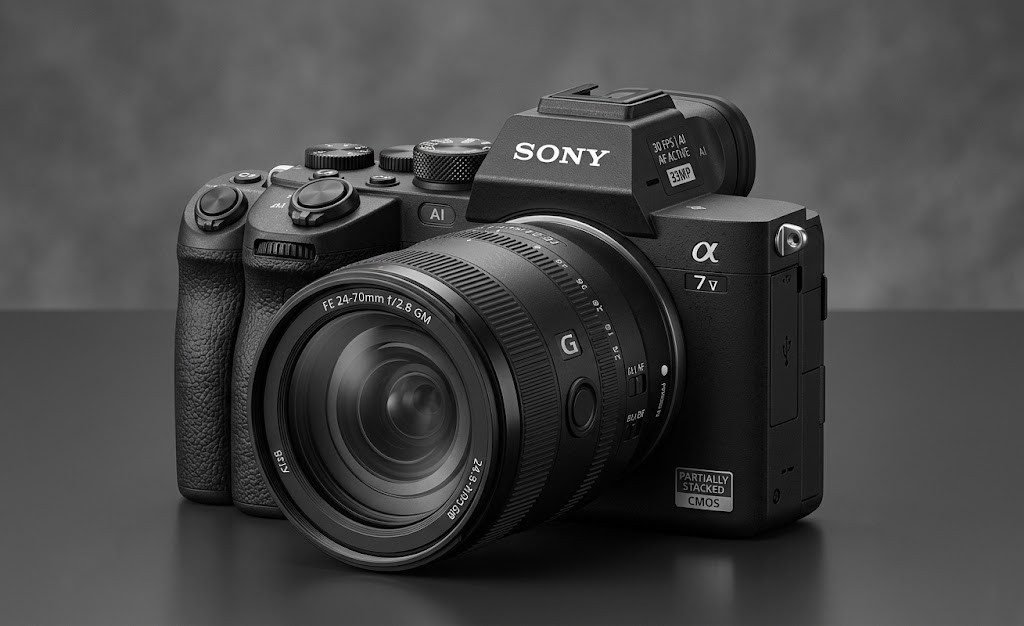
The Sony Alpha 7 V may be the most sensible camera in this entire ranking. It does not chase extremes. It simply delivers a great deal for a fair price.
Key Features of the Alpha 7 V
Sony pairs a 33 megapixel partially stacked sensor with its latest processor and a built-in AI unit. Readout runs about 4.5 times faster than the Alpha 7 IV, which enables 30 frames per second of blackout-free shooting with autofocus and exposure active. The camera records 4K at 60 frames per second in full frame and 4K at 120 in the APS-C Super 35 mode, and it uses Sony’s modern subject recognition. It costs around $2,900.
Why the Alpha 7 V Ranks Fifth
Between this camera and the Canon R6 Mark III sits one of the toughest mainstream hybrid decisions. We do not claim Sony categorically delivers better image quality. The edge comes from the whole package: partially stacked architecture, strong dynamic range, blackout-free 30 frames per second, mature subject recognition, and a deep lens catalog. Sony, Sigma, Tamron, and plenty of other makers build lenses for E-mount, and that shapes the entire system you can assemble. Canon can still win on ergonomics, some video workflows, individual RF lenses, and personal preference.
The cameras above it get more specialized around true flagship technology. They bring fully stacked sensors, higher resolution, much stronger professional readout, or all three at once.
Who Should Buy the Alpha 7 V
Buy it if you want perhaps the safest serious all-round system investment. It may still be the smartest purchase for the most people, even though it is not number one. See the lineup at Sony Electronics.
Number 4: Sony Alpha 1 II
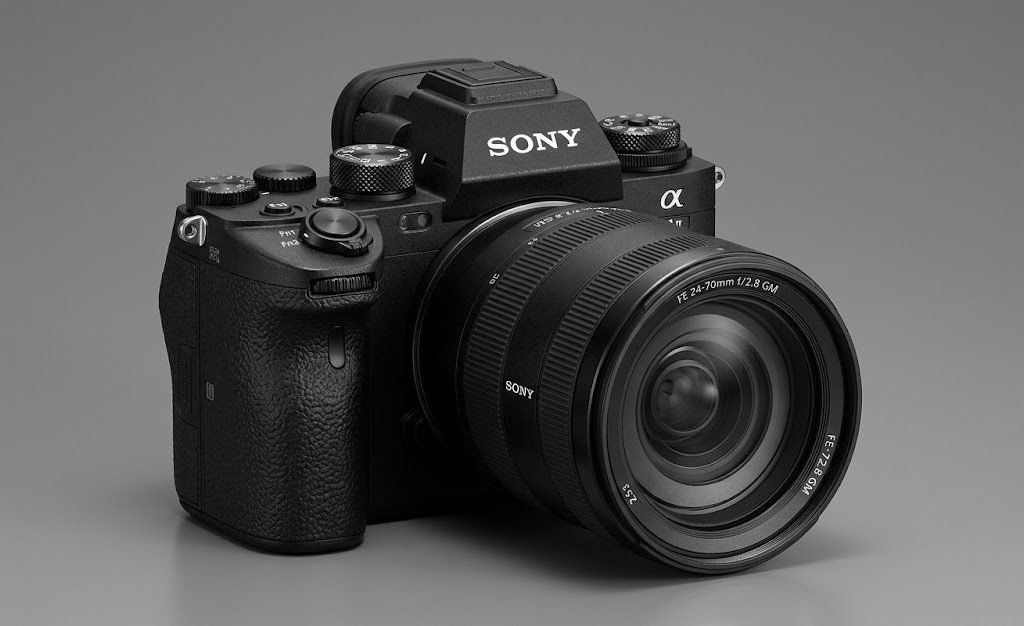
The Sony Alpha 1 II is the $6,500 flagship that still cannot crack the top three. Its placement proves that price and prestige do not decide this ranking.
Key Features of the Alpha 1 II
This is where the conversation moves from what most photographers need to what professional flagship money buys. The 50.1 megapixel stacked sensor shoots 30 frames per second with autofocus and exposure. A 759-point phase detect system, AI subject recognition, up to 8.5 stops of stabilization, 8K at 30, and 4K at 120 add to the package, along with professional networking and workflow tools.
Sports photographers, wildlife shooters, and news crews benefit most. They need both resolution and speed, and they need to move between stills and video quickly.
Why the Alpha 1 II Ranks Fourth
Price has to matter. At roughly $6,500, the Alpha 1 II competes with Canon and Nikon flagships and with Sony’s own newer cameras. Its sensor architecture remains closely related to the original Alpha 1’s excellent 50 megapixel stacked platform. The Mark II improves AI recognition, stabilization, pre-capture, handling, and workflow, but other cameras now deliver extraordinary performance for thousands less.
We would not call it overpriced, because that is too simple. An agency sports photographer working under deadline can justify the cost easily. For weddings, landscapes, general commercial work, or enthusiast wildlife, the math changes. That is how an elite flagship finishes fourth.
Who Should Buy the Alpha 1 II
Buy it if professional sports and action are the actual job.
Number 3: Sony Alpha 7R VI
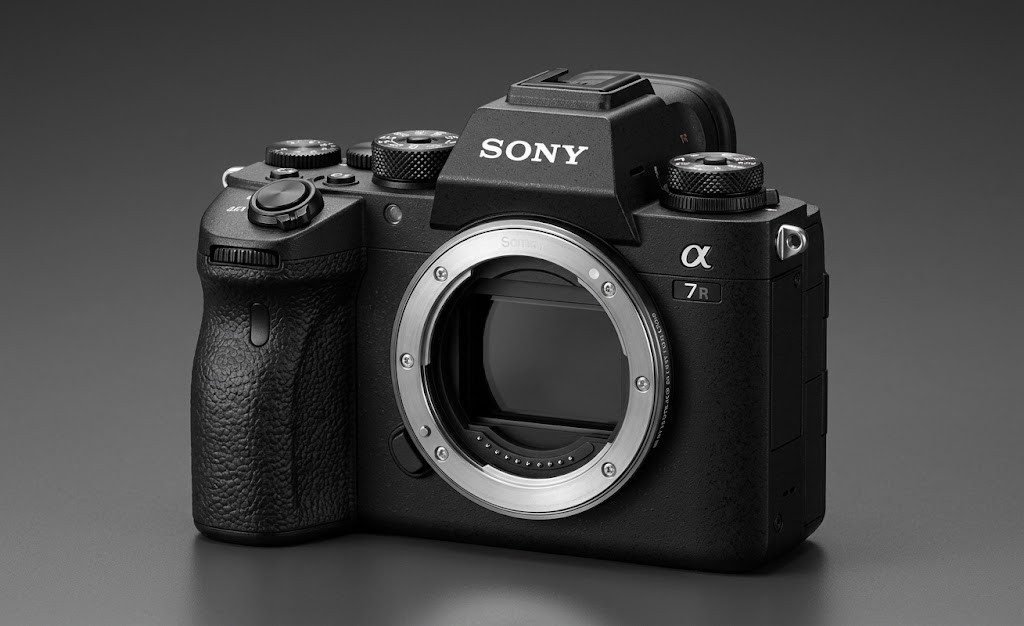
The Sony Alpha 7R VI turns Sony’s resolution line into something completely different. Can its 66.8 megapixel stacked sensor take the top spot? Not quite, but it comes close.
Key Features of the Alpha 7R VI
Historically, Sony’s R line focused on resolution. The latest model uses a 66.8 megapixel, fully stacked sensor with Sony’s newest processor and AI processing. It shoots up to 30 frames per second, records 8K at 30 and 4K at 120, and offers up to 8.5 stops of stabilization. It costs around $4,500.
Resolution plus real speed changes who can consider an R body. Landscape, studio, commercial, wildlife, wedding, portrait, and detailed action photographers all gain options. Wildlife shooters especially enjoy 66.8 megapixels of crop flexibility.
Why the Alpha 7R VI Ranks Above the Alpha 1 II
This is the controversial part of our ranking, and we think it is defensible. For many photographers, 66.8 megapixels is more useful than 50. Thirty frames per second already exceeds what most people need. The body costs substantially less, and the E-mount ecosystem is identical. The Alpha 1’s extra professional advantages may not justify thousands more.
We do not see the 7R VI as a replacement, though. The Alpha 1 II remains stronger for extreme professional sports and action. A fully stacked label does not mean every stacked sensor behaves the same, and readout behavior, raw modes, processing, and workflow still differ. The 7R VI offers the more spectacular combination of headline specifications. The Alpha 1 remains the more purpose-built professional action camera.
Why the Alpha 7R VI Stops at Third
This is where the ranking shifts from spectacular specifications toward overall completeness. The files are enormous, and the resolution exceeds what many buyers need. The two cameras above it offer more balanced professional hybrid identities for a wider range of demanding work.
Who Should Buy the Alpha 7R VI
Buy it if detail and cropping dominate your work.
Number 2: Nikon Z8
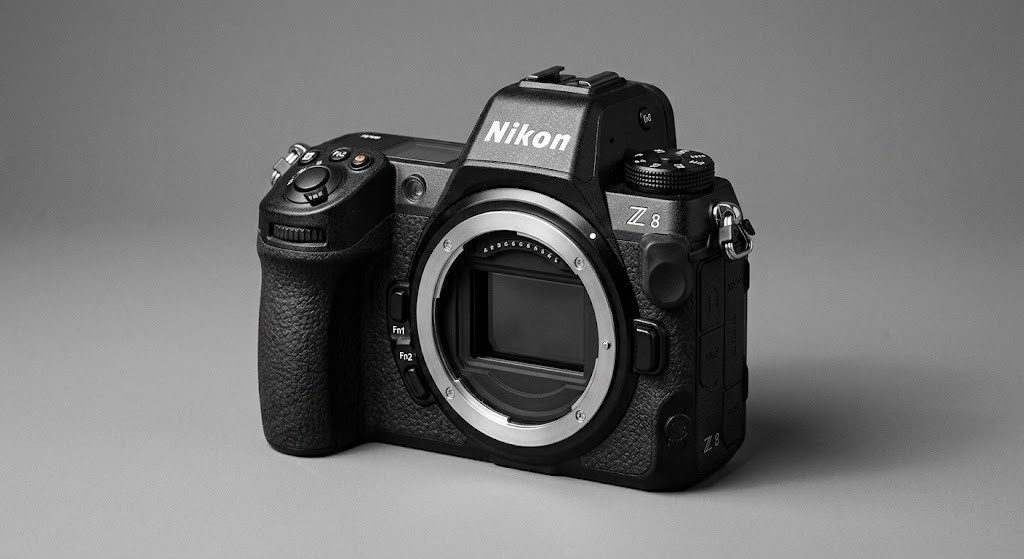
The Nikon Z8 refuses to become old. It has been on the market for years, newer bodies keep arriving around it, and even in late 2026 it still sits above cameras that are far fresher. That tells you how correctly Nikon positioned it.
Key Features of the Nikon Z8
Nikon built the Z8 around a 45.7 megapixel full frame sensor with high-speed stacked architecture and its flagship processor. Dual card slots accept CFexpress Type B or XQD plus SD. High-resolution video modes, 4K at 120, flagship-class subject recognition, and professional body controls round out the specification.
The surprise is the middle ground it occupies. The Z8 offers enough resolution for landscapes, studio work, commercial jobs, heavy cropping, and wildlife. It offers enough speed for sports, birds, and action. It offers enough video for serious hybrid work, slow motion, and internal professional recording. And it does all of that without an integrated flagship grip.
Why the Z8 Beats the Alpha 7R VI
The obvious objection: the Alpha 7R VI has far more resolution, so why does the Nikon rank higher? The Z8 feels more fundamentally designed around professional all-round speed. Its stacked sensor implementation, controls, and overall architecture make it unusually comfortable moving between action, high resolution, wildlife, commercial stills, and demanding hybrid work. This is not Sony versus Nikon. It is a question of priorities. The Sony wins on maximum detail and crop flexibility, while the Nikon wins on professional balance and hybrid completeness.
The value angle makes it even more dangerous. When retailers discount the Z8 and it sits materially below the newer $4,000 to $4,500 bodies, the value proposition gets aggressive.
Where the Z8 Falls Short
It is not perfect. The body is large and heavy, the EVF resolution no longer looks class-leading on paper, and third-party lens options are less open than on Sony E-mount. None of that fundamentally limits the work it can do, which is why it is still second and still very hard to beat.
Who Should Buy the Z8
Buy it if Nikon’s professional all-round philosophy fits you, or if you already own Z glass. See current pricing at Nikon USA.
Number 1: Canon EOS R5 Mark II
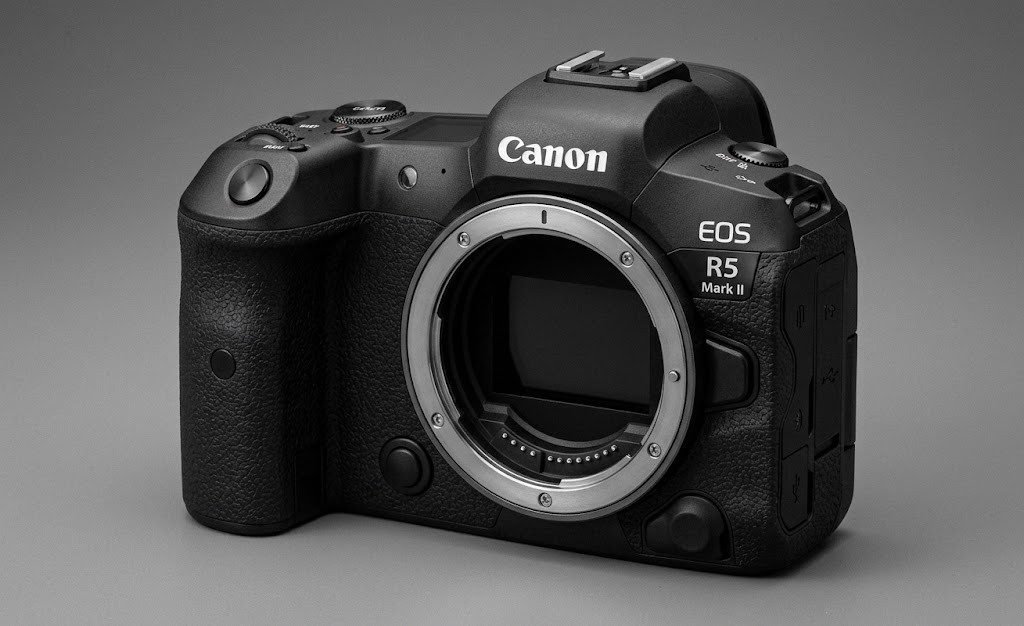
The Canon EOS R5 Mark II is the camera with the fewest meaningful weaknesses across the widest range of work. It does not dominate every category, and that is precisely the point.
Why the EOS R5 Mark II Wins
The Sony offers more resolution. The Alpha 1 specializes more for professional sports. The Lumix brings deeper filmmaker workflow tools. The OM builds a much lighter long-telephoto system. And the Z8 may offer stronger value, depending on the current price.
Look at what the Canon combines, though:
- A 45 megapixel stacked, backside-illuminated sensor
- Up to 30 frames per second of electronic shooting
- 14-bit raw even at maximum electronic burst
- Reduced rolling shutter compared with the previous generation
- Advanced subject recognition and pre-continuous shooting
- A professional stills and video feature set, backed by mature RF professional lenses
All of it arrives in one body that does not force you into a narrow identity.
The 45 Megapixel Sweet Spot
Forty-five megapixels strikes a sweet spot in this ranking. It gives you room for significant cropping, large prints, commercial work, landscapes, and detailed portraits, without the extreme file demands of 66.8 megapixels on every frame. For some professional workflows, that is a real advantage.
Autofocus and Video
Autofocus matters for the same reason. Wildlife, sports, people, and fast-changing subjects all benefit from recognition tuned for action, with pre-capture backing it up. One body crosses genres without changing your camera philosophy.
Video matters because this is an overall ranking. The R5 Mark II must work as a serious hybrid, not only a photography flagship, and it does. It offers high-resolution recording, 8K workflows, 4K at high frame rates, internal raw, and Canon Log.
The Closest Call: R5 Mark II vs Nikon Z8
Why does the Canon edge out the Z8? The Nikon may be the stronger pure value proposition, especially when discounted. The Canon has a slightly more refined balance of body size, resolution, autofocus intelligence, speed, and modern hybrid implementation. The margin is small. If you already own Nikon Z glass, switching to Canon because this ranking placed it one spot higher would be absurd.
The logic is simple. The winner is not the camera with the biggest number. It is the camera that asks the fewest photographers to accept a major compromise. Learn more at Canon USA.
Which Camera Should You Buy? A Quick Guide
Number one is not right for everyone. Match your priorities to the camera:
- Lightweight wildlife and telephoto portability: buy the OM System OM-1 Mark II.
- Existing XF glass and stacked APS-C performance: buy the Fujifilm X-H2S.
- Professional video workflow: buy the Panasonic Lumix S1 II.
- Value over extreme resolution: buy the Nikon Z6 III.
- 32.5 megapixels and Canon without R5 pricing: buy the Canon EOS R6 Mark III.
- The safest serious all-round system: buy the Sony Alpha 7 V.
- Professional sports and action as the job: buy the Sony Alpha 1 II.
- Detail and cropping above all: buy the Sony Alpha 7R VI.
- Nikon’s professional all-round philosophy, or existing Z glass: buy the Nikon Z8.
- The strongest overall balance with very few compromises: buy the Canon EOS R5 Mark II.
Do Not Switch Systems Over One Ranking Position
One more rule deserves its own section. Do not switch systems because one camera ranks two positions above yours. A Z8 owner should not sell bodies, lenses, batteries, and accessories to move to Canon just because the R5 Mark II ranked first. A Canon user should not rebuild around Sony simply because the Alpha 7R VI has more megapixels. This ranking explains relative strengths. It is not permission for ecosystem churn.
Here is the mature buying point. The best-ranked camera is not automatically the smartest upgrade if your current system already does the job. A photographer with $8,000 of Nikon glass, established Sony lenses, professional Canon accessories, or a complete Fuji kit should not rebuild everything over one ranking position. This list clarifies trade-offs. It should not manufacture upgrade anxiety.
Frequently Asked Questions About the Best Mirrorless Cameras 2026
What is the best mirrorless camera in 2026?
The Canon EOS R5 Mark II tops our ranking because it combines 45 megapixels, 30 frames per second, strong autofocus, and serious video with the fewest compromises. The Nikon Z8 finishes a very close second.
Is the Sony Alpha 1 II worth $6,500?
It is worth it for professional sports and news photographers who work under deadline. For weddings, landscapes, general commercial work, and enthusiast wildlife, cheaper cameras such as the Alpha 7R VI deliver more useful value.
Which mirrorless camera is best for video?
The Panasonic Lumix S1 II is likely the strongest video camera in this ranking, thanks to Open Gate recording, V-Log, and professional monitoring tools. The Canon EOS R5 Mark II also works as a credible hybrid with 8K workflows and internal raw.
Which mirrorless camera offers the best value?
The Nikon Z8 and Nikon Z6 III both gain value when retailers discount them. The Sony Alpha 7 V, at around $2,900, also delivers a strong all-round package for most photographers.
Should I buy a Micro Four Thirds camera in 2026?
Yes, if you shoot wildlife and carry a telephoto lens for hours. The OM System OM-1 Mark II shrinks the whole system dramatically, though it gives up some resolution, high ISO performance, and dynamic range.
Final Verdict on the Best Mirrorless Cameras 2026
The Canon EOS R5 Mark II wins overall. The Nikon Z8 remains extraordinarily difficult to beat. The Sony Alpha 7R VI wins if maximum detail is your priority, and the Alpha 1 II still makes sense for one very specific buyer: the professional who chases action for a living. Lower-ranked specialists may suit certain photographers better than anything above them.
The gap between the Nikon and the Canon is tiny. If you shot with both for a month, which would you keep, and what would the other need to change to earn your vote? Tell us in the comments where you would move them.
Read More from Altbuzz
Visit altbuzzmedia.com for more camera comparisons, buying guides, and upcoming camera coverage.
Subscribe to Altbuzz YouTube Channel
Prefer to watch the full countdown? Subscribe to the Altbuzz YouTube channel for deeper camera comparisons and buying research. Channel membership is available for $5 (Core) and $10 (Elite), and the join link sits in the video description. You can also support independent comparison research through Super Thanks.