
Sony Upcoming Cameras 2026 and 2027: Which Ones Are Worth Waiting For?
If you plan to buy a Sony camera this year, pause for a moment. On September 28, 2026, Sony registered a new high-end camera in China, and the strongest current candidate is the A7S IV. A fully stacked 26MP APS-C sensor has also surfaced from sensor sources that rumor watchers consider reliable. Together, those clues could push several Sony lines closer to a real update. So which of the Sony upcoming cameras 2026 and 2027 deserve your patience?
Welcome to Altbuzz, where we track upcoming cameras and separate credible reporting from wishful thinking. This guide ranks four possible Sony launches from the weakest evidence to the strongest, explains what each camera could fix, and tells you who should wait and who should buy today. Sony has not announced any of these cameras, so treat every spec in this article as an expectation, not a confirmed fact.
How We Rate Sony Upcoming Cameras 2026 Rumors
Rumor coverage only helps you when it labels its evidence honestly. We sort every claim into one of three groups:
- Confirmed: Sony has announced it or published it. Nothing on this list reaches that level yet.
- Reported: A source with a track record has described a real part, filing, or registration.
- Speculation: We, or the wider community, reason from Sony’s history and lineup gaps.
Camera names fall into the third group in most cases. A sensor can exist without Sony ever placing it in the body we expect. Keep that distinction in mind as you read.
Quick Overview of the Sony Upcoming Cameras 2026 Ranking
| Rank | Possible Camera | Evidence Level | Likely Timing |
|---|---|---|---|
| 4 | Sony A7C III and A7CR II | Pattern only, no leak | 2027 looks more plausible |
| 3 | Sony FX30 II | Sensor reported, camera unconfirmed | Unknown |
| 2 | Sony A6900 | Sensor reported, camera unconfirmed | Unknown |
| 1 | Sony A7S IV | China registration, strongest candidate | Late 2026 or early 2027 |
Number 4: Sony A7C III and A7CR II
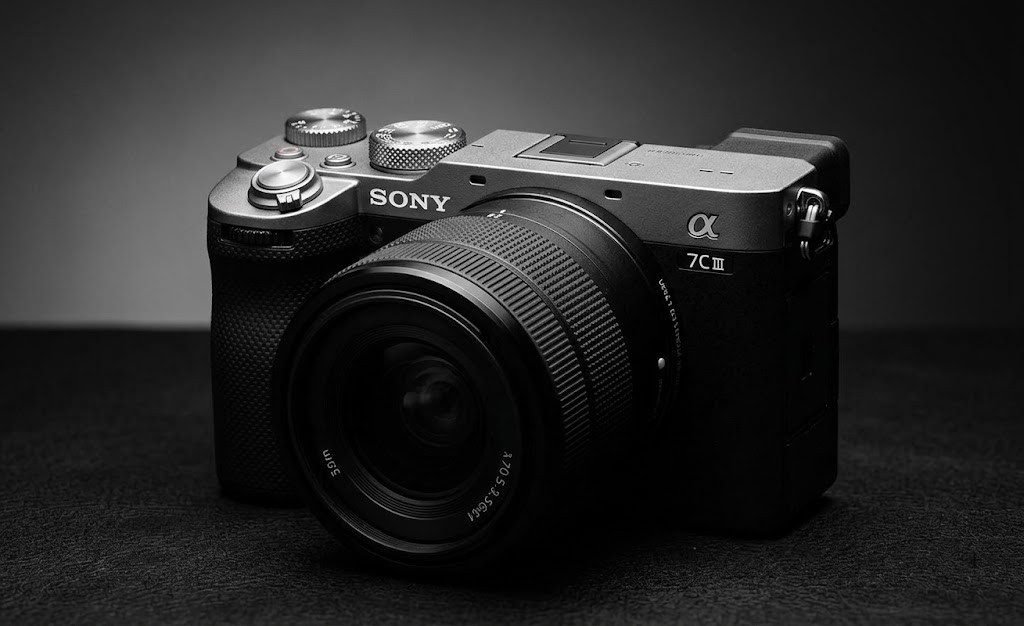
We start with the weakest evidence, and we will say so plainly. No registration exists for these cameras. No spec sheet exists. Nothing carries a name. What exists is a pattern.
Why a Sony A7C III and A7CR II Look Plausible
The A7C II and the A7CR both arrived in 2023. The C series idea has always been simple: Sony takes technology from the bigger Alpha bodies and fits it into something smaller. Since 2023, Sony has moved its mainstream and high-resolution full frame technology forward, so the compact bodies now sit one sensor generation behind. Based on Sony’s usual refresh rhythm, 2027 looks more plausible than this year for successors. That expectation comes from history, not from a confirmed plan.
What a Successor Could Fix
A successor would mostly fix things you feel rather than read on a spec sheet:
- Faster sensor readout: Less rolling shutter appears the moment you pan quickly or lean on the electronic shutter.
- Newer AI processing and better stabilization: These help the camera in harder conditions.
- A sharper EVF and improved controls: A small body becomes nicer to live with.
- Stronger video: Newer sensors and processors usually lift recording options.
Whether Sony delivers all of that, nobody knows yet. We think these cameras deserve the upgrade.
Should You Buy the Sony A7C II or A7CR Now?
This question matters most for your wallet. Should you pay close to full price for an A7C II or an A7CR this late in the cycle? Not automatically.
Buy now if the camera already does everything you need, if you find a proper discount, or if you need compact full frame today. Photographers who shoot still subjects will not miss faster readout much. Waiting starts to look sensible if rolling shutter already bothers you, you want a quicker electronic shutter, you plan to keep the body for years, and the price still sits near the original. You can compare the current compact lineup on the Sony Electronics website.
Number 3: Sony FX30 II
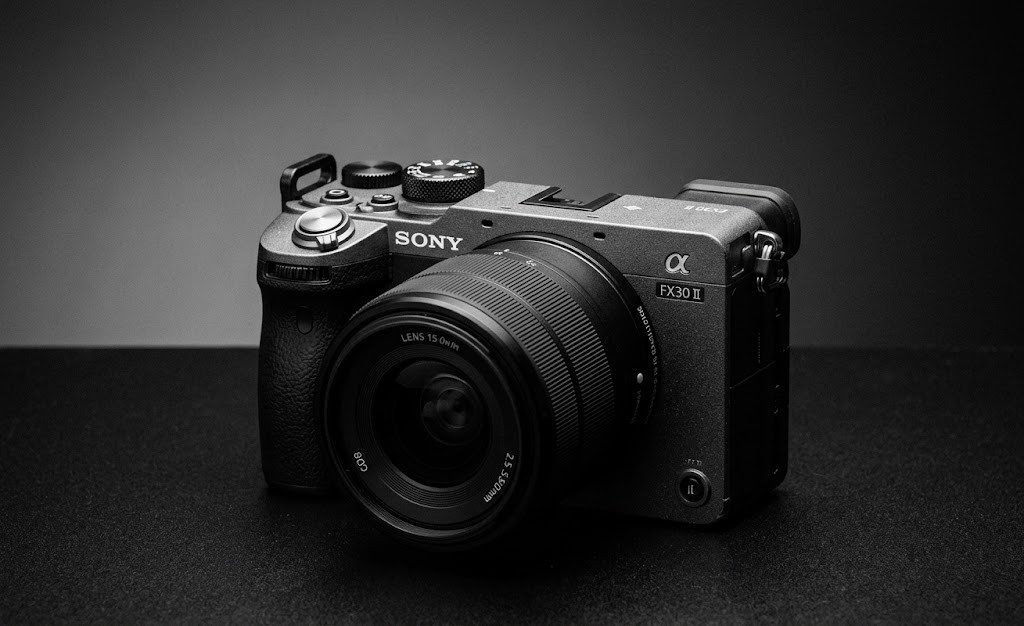
Here the story changes from pattern to clue. The FX30 II is a rumored name, and the evidence behind it centers on a sensor, not on a camera.
The Sensor Behind the Sony FX30 II Rumor
The current Sony FX30 uses a 26MP APS-C Super 35 sensor. It remains a capable, affordable Cinema Line body, but it dates back to 2022. Then Sony Alpha Rumors reported details of a new sensor from reliable sources. The sensor reportedly offers:
- 26MP resolution again
- A fully stacked design
- Extremely fast output
- Dual gain technology
- Sensor-level output that could reach 6K at 120 frames per second
The source feels very confident that the sensor exists. It also says that placing it in an FX30 II or an A6900 is speculation. Keep that line in your head, because it is the whole story.
Why a Stacked Sensor Fits a Cinema Body
Filmmakers care less about extra megapixels than photographers do. They care about readout speed, rolling shutter, high frame rate recording, dynamic range, heat, oversampling, and reliability. A stacked sensor attacks several of those problems at once. An FX30 II could therefore improve dramatically while staying at roughly the same resolution.
Sony has also moved the higher Cinema Line forward with the FX5, which uses stacked sensor technology and newer processing. The open question is how much of that thinking eventually reaches the affordable Super 35 body. Nobody has shown that it will.
Wishes Versus Leaks
Open Gate recording, internal RAW, better monitoring tools, and newer autofocus all appear on fans’ wish lists. Those are wishes, not leaks, and a wishlist does not count as evidence. We will report any real specification the moment a credible source surfaces.
Who Should Wait for the FX30 II
Several buyers have a reason to pay attention:
- New filmmakers who build an E-mount Cinema Line kit
- Current FX30 shoppers who stare at full price
- A6700 owners who want a video-first second body
- Anyone for whom rolling shutter is a daily frustration
Do not stall your production, however. If you find an FX30 at a great price and you need it for work, buy it. An unannounced camera cannot shoot your next job. Explore the current Cinema Line at Sony Electronics.
Number 2: Sony A6900
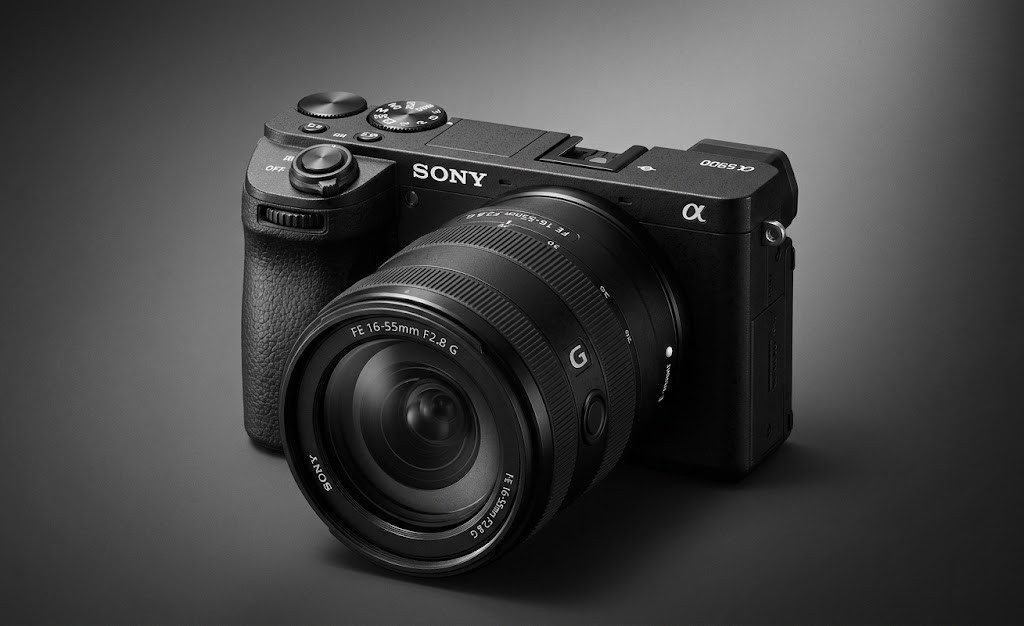
Sony may finally have to decide whether APS-C is simply the smaller Alpha system or a genuine performance platform. The A6900 name remains a rumor, but the question behind it is real.
Why the Sony A6700 Needs a Rival Inside Sony’s Own Lineup
The A6700 is still a strong camera. It offers about 26MP, 759 phase detection autofocus points for stills, AI subject recognition, five-axis stabilization, and up to 11 frames per second. It has not suddenly become weak. The landscape moved around it. Fujifilm and Canon are getting more ambitious with high-end APS-C, and Nikon’s rumored DX roadmap points the same way.
How the New Stacked Sensor Could Shape an A6900
The new stacked sensor creates a natural A6900 conversation. The honest version goes like this: sources strongly report the sensor, but nobody knows which Sony camera will use it. If it landed in an A6900, the emphasis could shift from resolution to speed. Faster readout, a better electronic shutter, less rolling shutter, and stronger video would follow. Wildlife and sports shooters would care most.
The Megapixel Problem
The megapixel question is the most interesting one in this whole story. The A6700 already has 26MP. Would Sony really launch a premium successor years later with the same headline number? Maybe. If stacked architecture transforms speed and video, resolution could stay secondary. But rivals keep offering more pixels, so Sony might feel pressure to match them.
No reliable evidence supports either choice. Earlier anonymous claims of 33MP, stacked, and 30 frames per second received a weak rating from the rumor source itself. That history is a good reminder to treat exact spec lists with care.
A Second Camera for Full Frame Sony Shooters
An A6900 could matter beyond APS-C owners. A fast crop body makes a natural second camera for full frame Sony shooters who own a 70-200mm, a 100-400mm, a 200-600mm, or long primes. The same lenses deliver a different framing, and nobody has to buy into a new system. Birds, wildlife, sports, aviation, motorsports, travel, and video all benefit. That potential makes the A6900 bigger than just the next A6700.
Who Should Wait for the A6900
Anyone who wants a serious, high-end Sony APS-C body should keep watching. Everyone else can still buy the A6700 with confidence, because it remains a strong camera today. See the current APS-C lineup at Sony Electronics.
Number 1: Sony A7S IV
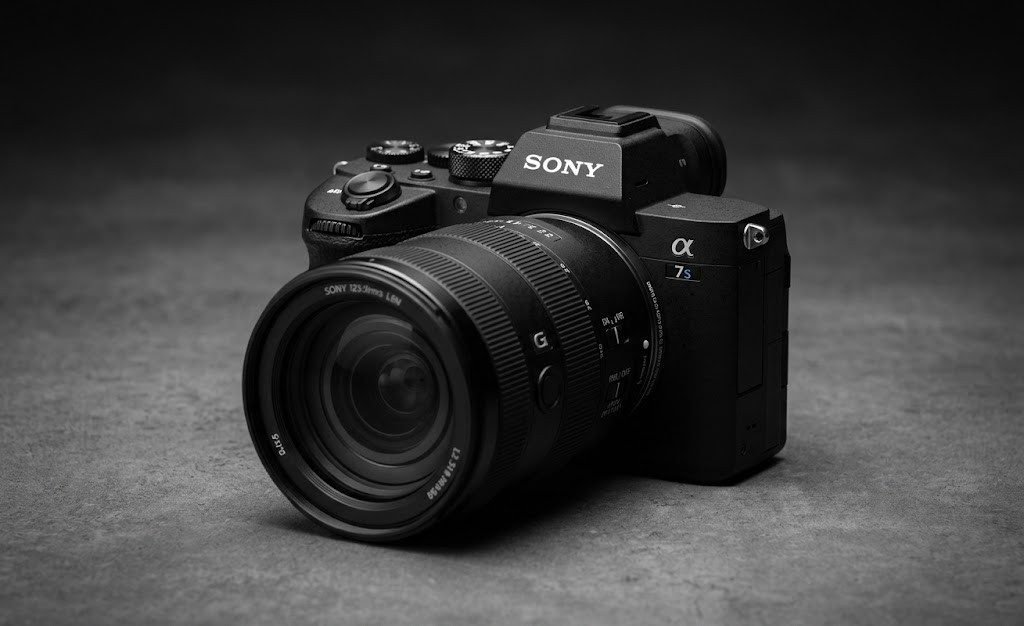
The Sony A7S IV is the most credible camera on this list, and it has the clearest reason to exist. Unlike the other three, it comes with an actual registration.
Why the Sony A7S III Feels Dated
The A7S III offers about 12MP, excellent high ISO performance, strong video, 4K at 120 frames per second, and a great EVF. Sony built it as a video-first hybrid for a much older generation. Since then, Sony has advanced AI autofocus, processors, sensor readout, stabilization, and Cinema Line technology. The A7S line already stood out as one of the most obvious gaps in the Alpha lineup. Then, on September 28, 2026, something appeared.
The China Registration: WW261362
Sony registered a camera code in China: WW261362. The listing shows Wi-Fi 6 and Sony Japan as the applicant. Sony Alpha Rumors reads those details as pointing to a mid to high-end camera.
Here is the important sentence: Sony has not said what this camera is. The strongest candidate is the A7S IV, but that conclusion is reasoning, not confirmation.
The Elimination Logic
The reasoning works like this:
- A successor to the Alpha 1 II feels too early.
- The A9 IV fits a later 2027 cycle.
- The compact C series successors also look more like 2027.
- That leaves the A7S IV as the most logical fit.
Expected Specifications for the Sony A7S IV
Now comes the speculation, and we label it that way. Sony Alpha Rumors suggests the camera could use a sensor related to the FX5, around 16MP and stacked. It could also bring newer processing, newer AI autofocus, better stabilization, and a built-in high-resolution EVF. The same source calls these expected specifications, not sourced ones.
Notice what is not the story. Nobody should ask whether the camera gets more megapixels. The A7S series has never won on resolution. It wins on fast readout, low-light video, rolling shutter control, high frame rates, and reliability. A modern stacked sensor could mean less distortion, stronger video modes, a more usable electronic shutter, better autofocus, and improved stabilization.
Sony A7S IV vs Sony FX5: Why Both Could Exist
The real debate follows from there. Sony now has a serious FX5, so why would the A7S IV need to exist? Because the buyer is different.
- The FX5 buyer wants cinema ergonomics, a production workflow, and internal cinema codecs.
- The A7S IV buyer wants an integrated EVF, real stills capability, a smaller hybrid kit, and familiar Alpha controls in one body that handles serious video and photography.
The question is how far Sony can push the A7S IV before the two cameras overlap too much.
When Could Sony Announce the A7S IV?
The registration makes a late 2026 or early 2027 reveal plausible. Rumor sources have discussed November, though supply constraints could change Sony’s schedule. Until Sony gives a date, treat everything as expected, not announced.
Should You Buy an A7S III Now?
If you plan to pay close to full retail for a new A7S III this late in 2026, this is the Sony purchase we would hesitate over most. The A7S III did not stop being excellent. It belongs to a much older generation, Sony has just registered a new high-end camera, and the A7S IV is the strongest candidate for it.
One exception applies. If you need the camera for paid production now, an unannounced successor will not earn you any money. Buy the tool your work needs. Check current A7S III availability at Sony Electronics.
What the Sony Upcoming Cameras 2026 Pattern Tells Us
Zoom out, and the pattern becomes clearer:
- The compact C series could receive new-generation technology in smaller full frame bodies.
- The FX30 II could bring stacked sensor speed to affordable cinema.
- The A6900 could become Sony’s serious APS-C performance body.
- The A7S IV could deliver the long overdue refresh for high-sensitivity video.
Taken together, 2027 may become the year Sony spreads technology from higher up the lineup into families that have not received it yet.
One More Name Further Out: The Sony A9 IV
The A9 IV belongs to a later 2027 story, and we mention it only because of the question it raises. The A9 III brought global shutter to full frame, with trade-offs in base ISO, maximum dynamic range, and high ISO noise compared with conventional sensors. Can Sony keep global shutter and shrink those compromises? That idea is pure speculation for now, but we will keep watching.
Who Should Wait for Sony’s Next Cameras?
Use this quick guide before you spend money:
- A7C II and A7CR buyers: Wait if you want newer sensor technology, but a good discount still makes sense today.
- FX30 shoppers: The FX30 remains useful now, so wait only if its readout and video limits are your problem.
- A6700 shoppers: The A6700 is still a strong buy, unless a high-end APS-C Sony is exactly what you want.
- A7S III shoppers: You have the strongest reason to watch the next few months closely.
Wait for a capability you actually need, not because a newer model number might appear.
Frequently Asked Questions About Sony Upcoming Cameras 2026
Has Sony announced the A7S IV?
No. Sony has not announced the A7S IV. Sony registered a camera with the code WW261362 in China on September 28, 2026, and the A7S IV is the strongest candidate, but that conclusion rests on reasoning, not on confirmation.
When will Sony release its next camera?
Sony has not given a date. The registration makes a late 2026 or early 2027 reveal plausible, and rumor sources have discussed November. Supply constraints could change that schedule.
Will the Sony A7S IV have more megapixels than the A7S III?
Probably not by much. Expected specifications suggest around 16MP with a stacked sensor related to the FX5. The A7S line wins on readout speed, low-light video, and reliability, not on resolution. Sony Alpha Rumors labels these specs as expected, not sourced.
Is a stacked 26MP APS-C sensor coming to the Sony A6900 or FX30 II?
Sources strongly report that the sensor exists. They also say that placing it in an FX30 II or an A6900 is speculation. Sony has not named any camera that will use it.
Should I buy the Sony FX30 or wait for the FX30 II?
Buy the FX30 if you find a great price and you need it for work. Wait only if rolling shutter and readout speed limit your current projects, and keep in mind that the FX30 II is a rumored name.
Final Verdict on Sony Upcoming Cameras 2026
The A7S IV leads this ranking because it has the strongest evidence and the clearest purpose. The A6900 and FX30 II rest on a reported sensor and a lot of reasonable speculation. The A7C III and A7CR II rest on Sony’s refresh pattern alone. Sony has confirmed none of them, so plan your purchases around what you need today, and let the rumors guide your timing only when a real capability gap hurts your work.
Now we want your answer. Would the A7S IV work better as a stacked 16MP cousin of the FX5, or should Sony keep it clearly apart? And would you accept 26MP on a premium A6900? Tell us in the comments.
Read More from Altbuzz
Visit altbuzzmedia.com for more Sony coverage, camera rumors, buying guides, and upcoming camera news.
Subscribe to Altbuzz YouTube Channel
Want coverage the day WW261362 gets officially identified and Sony confirms the specifications? Subscribe to the Altbuzz YouTube channel for roadmap research and rumor verification. Channel membership costs $5 (Core) or $10 (Elite), and the join link sits in the video description. You can also support the channel directly through Super Thanks.