
Hasselblad X3D 150C Rumors: 150MP Medium Format Beast, Expected Specs, Features & Release Date
Introduction
Why the Hasselblad X3D 150C Is Creating Massive Buzz
The Hasselblad X3D 150C is generating serious excitement across the photography world. This camera has not been released yet. However, leaks, FCC registrations, and credible industry speculation are all pointing toward something truly extraordinary. The Hasselblad X3D 150C could be the most powerful medium format camera Hasselblad has ever built.
Hasselblad completed an FCC registration under the model code HB 722 in December 2024. The confidentiality period lasts 180 days, roughly six months. That timing alone has the camera community buzzing. Add to that a flood of speculation from Chinese industry sources, and the hype around the Hasselblad X3D 150C becomes very hard to ignore.
This blog covers everything we currently know, or reasonably expect, about this upcoming medium format powerhouse. Please note: all information here is based on rumors, leaks, and speculation. Nothing has been officially confirmed by Hasselblad. Treat every detail as an educated forecast, not a verified fact.
The Hasselblad X3D 150C appears to be aimed at professional photographers, studio artists, commercial shooters, and serious enthusiasts who want the very best in image quality. It is expected to push the boundaries of what medium format digital cameras can do.
Expected Release Date and Market Position
Rumored Launch Timeline
Based on the FCC registration timeline, the Hasselblad X3D 150C could be announced sometime in mid-to-late 2025, with availability potentially following in early-to-mid 2026. That said, these timelines are speculative. Hasselblad is known for taking its time to perfect a product before releasing it to market.
Expected Pricing and Premium Positioning
The X3D 150C is expected to sit at the absolute top of Hasselblad’s lineup. It would replace or complement the existing X2D 100C, which currently uses a 100-megapixel back-illuminated CMOS sensor. If the “150C” naming follows Hasselblad’s pattern, the “150” almost certainly refers to a staggering 150-megapixel resolution. The “C” likely continues the color designation used in the X2D 100C.
Hasselblad currently competes with Fujifilm GFX and Phase One in the high-end medium format space. The Hasselblad X3D 150C would directly challenge the Phase One IQ4 150MP system, but in a more compact and accessible package. Market positioning places it firmly in the premium-to-ultra-premium tier, likely carrying a price tag north of $8,000 to $12,000.
Rumored Specifications Table
Expected Hasselblad X3D 150C Specifications
FeatureRumored DetailsSensor TypeMedium Format BSI CMOSResolution~150 MegapixelsProcessorNext-Gen Hasselblad Natural Colour Solution (HNCS) EngineISO RangeISO 64 – ISO 25,600 (est.)Autofocus SystemImproved Phase Detection / Contrast Detection HybridStabilizationIn-Body Image Stabilization (IBIS) rumoredVideo RecordingUp to 8K RAW (speculative)EVFHigh-resolution OLED EVFLCD Screen3.2-inch tilting touchscreenBurst Shooting~3.3 fps (typical for medium format)BatteryNP-style high-capacity Li-IonStorageDual CFexpress Type B slotsConnectivityWi-Fi 6, Bluetooth 5.x, USB-C (3.2 Gen 2)Weight~900g (estimated)Expected Price$8,999 – $12,999 USD
Sensor and Image Quality (Rumored)
Rumored 150MP Medium Format Sensor
The biggest headline around the Hasselblad X3D 150C is its sensor. Rumors strongly suggest a 150-megapixel medium format back-illuminated CMOS sensor. If true, this would deliver images of breathtaking detail and tonal richness.
Medium format sensors are inherently larger than full-frame sensors. They capture more light per pixel. That translates into exceptional dynamic range, smoother tonal gradations, and superior low-light performance, even at extreme resolutions. A 150MP medium format sensor would produce files with extraordinary depth.
Hasselblad Colour Science and HNCS Processing
Hasselblad’s signature Natural Colour Solution technology is expected to carry over and improve. This processing approach is what gives Hasselblad images their distinctive richness and accuracy. The X3D 150C’s color rendition could be the most refined in any digital camera to date.
Dynamic Range and Low-Light Expectations
Dynamic range is expected to reach or exceed 15 stops, matching or surpassing the current X2D 100C. At base ISO, noise performance should be near-flawless. Even at elevated ISOs, medium format sensors tend to handle noise more gracefully than smaller formats.
Processor and Image Processing Improvements
Next-Generation HNCS Engine
The Hasselblad X3D 150C is expected to introduce a more advanced version of Hasselblad’s image processing engine. Faster image rendering, improved tonal transitions, and enhanced colour depth are all expected improvements.
Faster File Handling and Buffer Performance
Handling massive 150-megapixel RAW files requires enormous processing power. Rumors suggest the camera will feature improved buffer management and faster write speeds for smoother professional workflows.
Enhanced Computational Processing
Advanced computational processing may improve dynamic range optimization, highlight recovery, and shadow detail. Medium format cameras prioritize image quality above everything else, and Hasselblad is expected to push that even further.
Autofocus System (Rumored)
Hybrid Autofocus Improvements
Autofocus has historically been a weak point for medium format cameras. They are designed for precision over speed. However, the Hasselblad X3D 150C is rumored to include meaningful autofocus improvements over previous models.
Expect a hybrid system combining phase detection and contrast detection autofocus. Hasselblad may also incorporate AI-assisted subject recognition, a feature now common in competing systems from Sony, Canon, and Nikon.
Eye Tracking and Subject Recognition
Eye-tracking and animal detection could also make an appearance. These improvements would help portrait and commercial photographers achieve more consistent focus accuracy.
Focus Accuracy Over Speed
That said, the X3D 150C is not designed to track sports at 30 frames per second. It is built for controlled, deliberate shooting. Commercial photographers, portrait artists, and landscape shooters will appreciate the focus accuracy far more than the speed.
Video Capabilities (Expected)
Rumored 8K RAW Video Recording
The Hasselblad X3D 150C’s video capabilities remain one of the most speculative areas of the rumor cycle. Hasselblad has never been primarily known for video. However, the X2D 100C can shoot 2.7K video, suggesting improvement is both possible and expected.
Optimistic leaks suggest 8K RAW video recording. This would be a landmark achievement for a medium format camera.
Expected 4K Recording Modes
More conservative estimates point to 4K video at up to 60 frames per second. Either outcome would represent a significant step forward.
Hasselblad Colour Science for Video
Expect high-quality log profiles for color grading. Hasselblad’s color science would translate beautifully to video.
Possible Heat Management Limitations
However, overheating limitations, a common medium format challenge, may restrict extended video recording sessions.
EVF and Display Improvements
High-Resolution OLED EVF
The large, high-resolution OLED viewfinder is one area where significant improvement is expected. A brighter, sharper EVF makes composing 150-megapixel images far more satisfying and accurate.
Improved Touchscreen Experience
The 3.2-inch tilting touchscreen is expected to remain, potentially with better responsiveness and improved menu navigation.
Better Monitoring for Studio Work
A refined display system would greatly benefit studio photographers, landscape shooters, and tethered commercial workflows.
Design and Build (Expected)
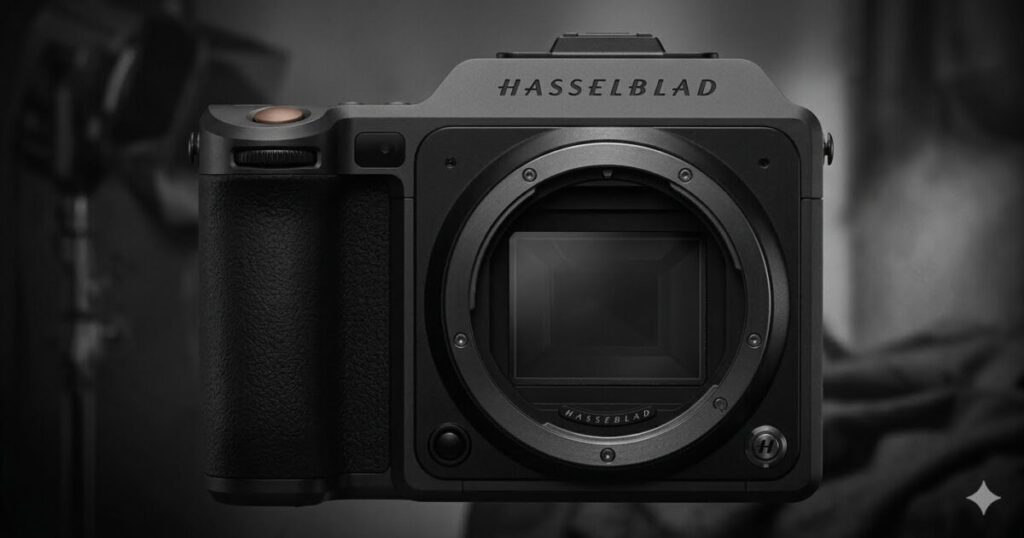
Premium Hasselblad Body Construction
Hasselblad has always produced cameras of exceptional build quality. The X3D 150C is expected to continue this tradition. The body will likely be CNC-machined aluminum with a premium surface finish.
Continued XCD Lens Compatibility
Hasselblad’s XCD lens mount will almost certainly remain. This ensures compatibility with the existing range of XCD lenses. The body design should closely resemble the X2D 100C, with refinements rather than a total reinvention.
Weather Sealing and Ergonomics
Weather sealing is expected. The camera should handle dust and moisture in professional shooting conditions. Weight will be substantial, medium format cameras always are, but Hasselblad has been refining ergonomics with each generation.
Storage and Workflow Expectations
Dual CFexpress Type B Support
Dual CFexpress Type B card slots are strongly anticipated. These slots offer the fastest write speeds available, essential when capturing 150-megapixel RAW files.
Massive RAW File Sizes
Each file could easily exceed 200MB, so fast and abundant storage is non-negotiable.
Professional Tethering Workflow
USB-C tethering will almost certainly support ultra-fast data transfer speeds for studio and commercial environments.
Battery and Connectivity (Rumored)
Expected Battery Performance
Battery life remains a challenge for medium format cameras with large sensors and demanding processing engines. The Hasselblad X3D 150C is expected to ship with a high-capacity lithium-ion battery. Expect approximately 400–600 shots per charge, based on trends from previous Hasselblad models.
Wireless Connectivity Upgrades
Wi-Fi 6 would be a meaningful upgrade over older wireless standards.
Bluetooth and Remote Shooting
Bluetooth connectivity for remote control is expected as well.
Real-World Use Cases
Commercial and Advertising Photography
The Hasselblad X3D 150C will not be a camera for every photographer. It is built for very specific use cases, and it will excel at all of them.
Commercial and advertising photography is the primary home for this camera. Product shots, fashion campaigns, and large-format editorial work will all benefit enormously from 150-megapixel resolution. The ability to crop dramatically without losing detail is a commercial photographer’s dream.
Studio Portrait Photography
Studio portraiture is another natural fit. Skin tones, fabric textures, and fine detail in hair are rendered with a dimensionality that smaller sensors simply cannot match. Hasselblad’s colour science adds another layer of excellence here.
Landscape and Fine Art Photography
Landscape and fine art photography will also benefit. Printing at very large formats, think gallery prints measuring several feet across, demands every megapixel available. The X3D 150C would deliver.
Architecture and Real Estate Photography
Architecture and real estate photography at the professional level is another strong use case. The combination of resolution and dynamic range handles high-contrast interior-exterior scenes with authority.
Lens Ecosystem and System Expansion
Existing XCD Lens Lineup
The Hasselblad X3D 150C is expected to remain fully compatible with Hasselblad’s premium XCD lenses. These lenses are already known for exceptional sharpness and colour rendering.
Potential Future Lens Releases
A higher-resolution camera body could encourage Hasselblad to expand its lens lineup further, especially with optics optimized for 150-megapixel detail capture.
Medium Format System Advantages
The X system continues to offer a balance between portability and uncompromising image quality that appeals strongly to professional photographers.
Pros and Cons (Based on Rumors)
Expected Pros
Potentially groundbreaking 150-megapixel resolution
Hasselblad’s legendary colour science and natural colour processing
Exceptional dynamic range expected to exceed 15 stops
Premium build quality with weather sealing
Compatibility with existing XCD lens lineup
Improved autofocus over previous Hasselblad models
Potential 8K video capability
Expected Cons
Very high expected price, likely beyond $8,000
Slow burst shooting rate by nature of medium format
Large RAW files demand significant storage and processing power
Video capabilities still lag behind dedicated hybrid cameras
Limited lens ecosystem compared to full-frame systems
Heavy body weight typical of medium format cameras
Final Thoughts
Could the Hasselblad X3D 150C Redefine Medium Format?
The Hasselblad X3D 150C is shaping up to be a landmark camera, if the rumors prove accurate. A 150-megapixel medium format sensor in a refined Hasselblad body would set a new benchmark for image quality. It would not be for everyone. But for photographers who need the absolute best, it could be extraordinary.
Why Patience Matters
Remember: all details here remain unconfirmed. The FCC registration gives us reason to believe the camera is real and coming soon. Beyond that, patience is the best approach. When Hasselblad is ready, it will speak for itself.
Read More from AltBuzz
Read more from Altbuzz for camera reviews, rumors, and detailed specs. AltBuzz delivers trusted and easy-to-understand photography content.
Subscribe AltBuzz YouTube Channel
Stay updated with camera reviews, rumors, and comparisons. Subscribe Altbuzz for regular camera content across all categories.