
Sony Camera Buying Guide 2026: Which One Should You Get
Most Sony buyers make the same mistake. They decide how much money they can spend before they decide what they actually need. That order of operations costs people a lot of money for very little benefit.
Here is the truth. A cheaper Sony A7 IV can still be the smarter purchase than the newer A7 V. The Sony A6700 can outperform full frame as a complete system. And the Sony A7R VI can be totally unnecessary for the wrong photographer.
This Sony camera buying guide skips the spec sheet obsession and gets straight to the decision. By the end, you will know exactly which Sony camera fits your photography, your budget, and your workflow in 2026.
If you want more straight talking gear breakdowns like this one, check out Alt Buzz and subscribe to the Alt Buzz YouTube channel for weekly camera rumors and comparisons.
Table of Contents
- Do You Actually Need Full Frame?
- Sony A6700: The Smartest Sony for Most People
- Sony A7C II: Full Frame in a Compact Body
- Sony A7 V: Where Most Serious Photographers Should Stop
- Sony A7R VI: The Camera You Buy Because You Know Why
- The Four Camera Decision Map
- Final Verdict
Do You Actually Need Full Frame?
Before comparing a single camera, this Sony camera buying guide needs to address one assumption first. Most Sony buyers treat full frame like a graduation certificate. They believe it is something you earn once you outgrow APS-C. That belief has drained a lot of money from photographers for very little real world benefit.
Staying with APS-C brings real advantages. Lenses stay smaller. Kits stay lighter. Telephoto reach stays cheaper. The whole system costs less at every stage, not just at the body. APS-C sensors in 2026 also deliver excellent image quality and genuinely strong hybrid video performance. That fact gets buried once full frame marketing gets loud.
Full frame earns its place when it solves something specific. It helps with cleaner low light performance. It gives more control over depth of field. It unlocks certain professional lens lines. It raises the resolution ceiling higher than APS-C can reach.
Notice what that last paragraph does not say. It does not say full frame is simply better. It says full frame is better only when it solves your problem. Keep that distinction in mind. It is the spine of this entire buying guide.
Sony A6700: The Smartest Sony for Most People
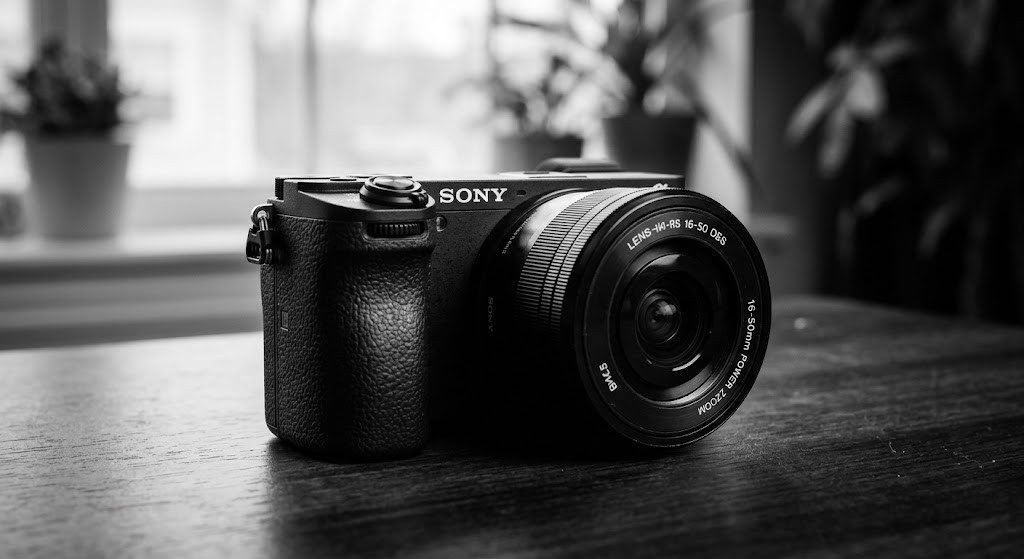
The Sony A6700 deserves more respect than most APS-C cameras get in buying guides like this. It sits at the entry point of this list, but it earns that spot through real capability, not through a lower price tag alone.
A6700 Specs Breakdown
The A6700 runs on a 26MP APS-C sensor paired with Sony’s newer image processor. That combination gives it strong dynamic range and clean files even in mixed lighting. The camera includes dedicated AI subject recognition, which tracks people, animals, birds, and vehicles with real accuracy. In body image stabilization keeps handheld shots sharp at slower shutter speeds. Continuous shooting reaches 11 frames per second, which is fast enough for most everyday action.
On paper, that is already a serious camera. In practice, it becomes something more useful than serious. It becomes complete.
The Real Savings Are in the System, Not the Body
Here is the part most buying guides skip entirely. The real saving with the A6700 is not the body price. It is the whole system underneath it. Lenses built for APS-C sensors run smaller, lighter, and dramatically cheaper than their full frame equivalents.
That price difference does not disappear after your first purchase. It compounds every single time you buy new glass. Money that would normally go toward a bigger, heavier full frame lens can instead go toward a second lens, a flight for a shoot, better lighting gear, or simply staying in your pocket.
That system level savings makes the A6700 genuinely strong for several categories of photography and video work:
- Travel photography, where every gram in your bag matters
- Wildlife photography, where telephoto reach gets expensive fast
- Hiking and outdoor kits, where weight limits what you carry
- Street photography, where a smaller body draws less attention
- Family life, where you need a camera that keeps up with kids
- Hybrid video work, where lighter gear means longer handheld shots
These are the categories where carrying less and spending less on lenses actually changes your experience. It does not just change your bank statement.
Should You Buy the A6700?
Ask yourself one direct question. Is full frame going to improve something you can actually name? If you shoot mostly outdoors, mostly handheld, and mostly on the move, and you cannot point to a specific full frame advantage that matters to your work, the honest answer is to stop right here.
That is not settling for less. That is choosing the system philosophy that actually fits how you shoot.
But if full frame keeps pulling at you, whether because you want that specific low light rendering, you already own full frame lenses, or portraits are your main work, there is a version of full frame built for people who still refuse to carry a bulky traditional kit everywhere. That camera is the Sony A7C II.
Sony A7C II: Full Frame in a Compact Body
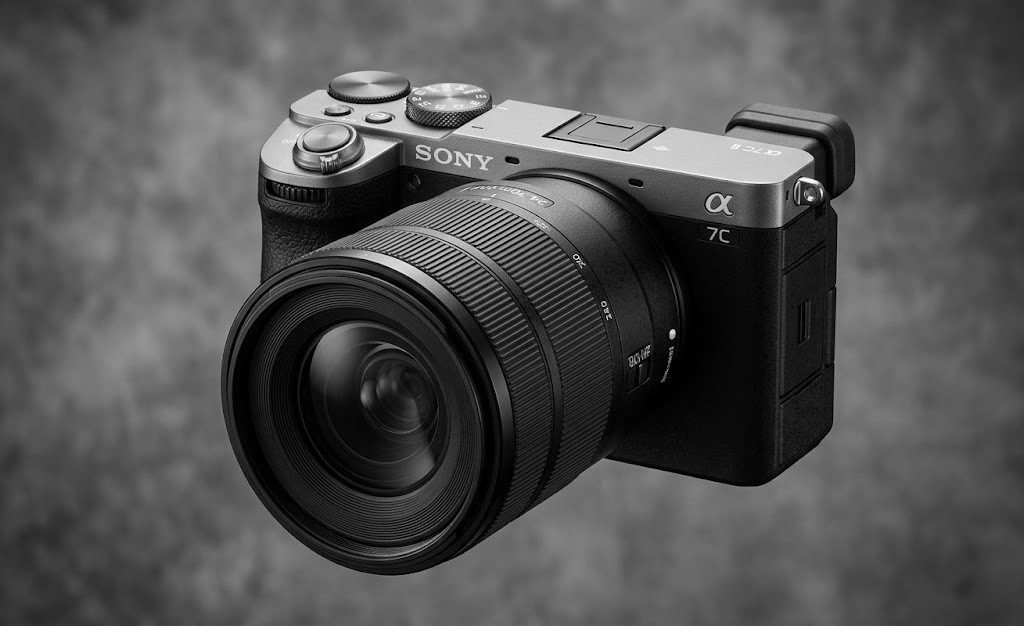
Here is something that surprises people outside the Sony ecosystem. The A7C II is not Sony’s newest full frame body. It is not the flashiest release of the year. Yet recent Japanese retailer sales rankings have repeatedly placed it near the very top of the charts.
That is not nostalgia buying. That is proof that newer does not automatically mean more desirable. Sometimes the camera that already nails the formula just keeps winning.
A7C II Specs Breakdown
The formula behind the A7C II starts with a 33MP full frame sensor. That resolution gives you plenty of room for cropping and large prints without moving into oversized file territory. The camera includes AI assisted subject tracking, in body image stabilization, and genuinely strong autofocus performance. All of that gets packed into a body small enough to disappear into a daily bag.
For travel shooters, street photographers, and anyone who wants full frame rendering without full frame bulk, that combination is hard to argue with.
The Compact Body Trap
There is a caveat here that deserves real emphasis, because it is where buyers get quietly disappointed. A compact body does not guarantee a compact system.
Pair the A7C II with large f/2.8 zoom lenses or heavy G Master telephotos, and the portability advantage you paid for disappears completely. This camera earns its reputation when you build around compact prime lenses on purpose. It does not earn that reputation when you bolt professional grade glass onto a body designed for the opposite philosophy.
A6700 vs A7C II: The Real Decision
State the decision plainly instead of dodging it. Choose the A6700 if system size, lens cost, telephoto reach, and video flexibility matter more to you than full frame rendering. Choose the A7C II if full frame image quality and low light performance matter enough that you are willing to build your entire lens collection around staying small.
Now ask a different question. What happens once compactness stops being your top priority? What if you want a Sony that performs first and folds into a bag second? That describes a different camera entirely, and it happens to be the one most serious Sony shooters are currently buying.
Sony A7 V: Where Most Serious Photographers Should Stop
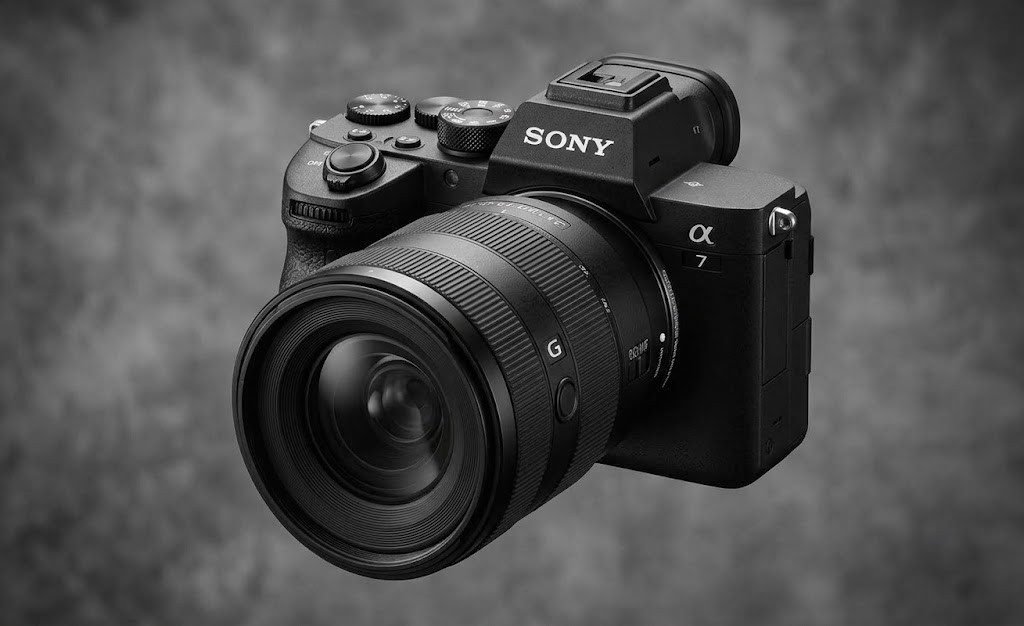
This is the center of the entire buying guide, and for good reason. Right now, the Sony A7 V is one of the hottest cameras Sony makes. It has strong sales momentum, real award attention, and an unusually broad range of photographers who all reach for the same body for completely different reasons.
A7 V Specs Breakdown
Under the hood sits a 33MP partially stacked sensor paired with Sony’s newest processing generation. The camera delivers AI based subject recognition and 30fps blackout free electronic shooting. A faster sensor readout speed and built in pre capture round out the headline features.
Specs alone do not explain why this camera matters so much. It matters because none of its compromises feel painful. It carries enough resolution for almost anyone. It has enough speed for real action photography. Its autofocus system handles demanding subjects with ease. Its video capability is strong enough for genuine hybrid work.
The A7 V is not winning by being extreme in one single direction. It is winning by being excellent in every direction at once.
A7 IV vs A7 V: Is the Upgrade Worth It?
Since value is already on the table, this is exactly where the A7 IV earns its mention. Sony currently lists the A7 IV around 1,999.99 dollars, compared to roughly 2,899.99 dollars for the A7 V. That price gap is real and significant.
If you shoot landscapes, portraits, studio work, or general photography where subjects move slowly, the A7 IV remains a rational, even smart, purchase in 2026. You get most of the image quality without paying for speed you may never use.
The premium price of the A7 V earns itself back through wildlife photography, event coverage, sports, photographing children, and any hybrid work that benefits from faster electronic shooting and pre capture. A newer camera is worth paying for exactly when the new capability solves your specific problem, and not one moment before that.
A7C II vs A7 V: Compact or All Around?
Set the A7 V against the A7C II, and the difference is not that one camera is simply better than the other. Choose the A7C II if you want full frame image quality and you genuinely value carrying less gear. Choose the A7 V if you want stronger all around handling, faster action performance, and fewer compromises when the moment actually happens in front of you.
The A7 V is not a bigger version of the A7C II. It is built for a more demanding, more all around photographer who needs the camera to perform in nearly any situation.
The Stopping Point Philosophy
Here is the line worth remembering, because it captures the entire philosophy of this buying guide in one sentence. For most serious Sony photographers, the A7 V is where you stop. Everything above this camera should require a specific reason. It should never come from a vague feeling that more expensive automatically means better.
So what actually justifies going further than the A7 V? Only one thing does, and it has a name.
Sony A7R VI: The Camera You Buy Because You Know Why
This is the most aspirational camera in the entire lineup. It deserves careful treatment here, because the goal is not to crown it the winner just because it costs the most. Its entire role in this guide is to test whether you genuinely need to keep spending, or whether you simply want to.
A7R VI Specs Breakdown
The numbers behind this camera are legitimately impressive. It runs a 66.8MP fully stacked full frame sensor, which is a massive jump in resolution over every other camera on this list. Despite that resolution, it still manages 30fps electronic shooting with a fast sensor readout speed. The autofocus system is advanced and confident with moving subjects. The camera also supports 8K video capability for creators who need it.
Independent testing has placed this camera among the most capable high resolution options available anywhere right now. That same testing also confirms it is a more specialized tool than an all around body like the A7 V.
What Does the Extra Money Actually Buy?
Current United States pricing puts the A7 V around 2,899 dollars and the A7R VI around 4,499 dollars. The real question is not which camera is technically superior on paper. The real question is this. What does that extra 1,600 dollars actually buy you?
Mostly, it buys resolution. That resolution unlocks dramatic cropping flexibility, commercial grade output for client work, and enough fine detail to satisfy landscape photography, studio work, fine art prints, and aggressive wildlife cropping.
But that resolution comes with a hidden bill attached. Files get bigger. Storage needs grow fast. Your entire editing workflow gets heavier. Your computer has to work harder just to open and edit a single image. Lenses have to be sharp enough to actually resolve those extra pixels, or you waste the resolution you paid for.
Who Should Skip the A7R VI?
If your work is mostly family photography, travel shots, everyday street photography, social media content, or normal sized prints, 66.8MP will likely create more workflow burden than real benefit. That is not an insult to your photography. It is simply math.
Here is the rule that settles the decision for most people. If you find yourself needing to ask whether that much resolution actually matters to your work, the honest answer is that the A7 V is probably already enough for you. The A7R VI becomes the right choice only when you already know, specifically and confidently, why those extra megapixels matter to your work.
The Four Camera Decision Map
This is the core of the whole Sony camera buying guide. Let’s put the entire ladder in one place so the decision becomes simple.
The Sony A6700 is your best system value pick. It brings smaller lenses, lighter kits, and full APS-C capability without the full frame price tax attached to every accessory you buy.
The Sony A7C II is your best compact full frame pick. It delivers full frame rendering in a body built to disappear into a daily bag, as long as you build your lens collection around compact glass on purpose.
The Sony A7 V is the camera most serious photographers should stop at. It is an all around body with virtually no painful compromises anywhere in its feature set.
The Sony A7R VI is your best high resolution pick. It stays reserved for photographers who already know exactly why they need that many pixels in every file.
This is not a quality ladder where each step up is simply better than the last. Every single camera on this list is excellent at what it does. This is a needs ladder, and that distinction changes everything about how you should shop.
Final Verdict: Which Sony Camera Should You Actually Buy?
This Sony camera buying guide comes down to one simple habit. Start at the Sony A6700. Move up to full frame only if it solves a real problem you can name. If compactness matters as much as raw performance to you, stop at the A7C II. If you want the strongest all around Sony camera available and compactness is not your deciding factor, that camera is the A7 V. For most people reading spec sheets and feeling tempted to spend more, that is exactly where the story should end.
Only cross into A7R VI territory when resolution is solving an actual problem in your work, not just satisfying your curiosity about specs.
This guide started by asking how much Sony camera you could afford. The better question was always which Sony camera solves your photography with the least unnecessary spending attached to it.
Three of these four cameras were designed to be a natural stopping point. Only one of them was designed to tempt you past that point on purpose. Know which camera you are buying, and know exactly why.
Quick Comparison Table
| Camera | Sensor | Best For | Approx Price |
|---|---|---|---|
| Sony A6700 | 26MP APS-C | System value, travel, wildlife reach | Entry level |
| Sony A7C II | 33MP Full Frame | Compact full frame, street, travel | Mid range |
| Sony A7 IV | Full Frame | Landscapes, portraits, studio work | $1,999.99 |
| Sony A7 V | 33MP Full Frame | All around serious photography | $2,899.99 |
| Sony A7R VI | 66.8MP Full Frame | High resolution commercial and fine art work | $4,499 |
Frequently Asked Questions
These are the questions readers ask most often in any Sony camera buying guide.
Is the Sony A6700 good enough for professional work? Yes, for many professional categories including travel, event, wildlife, and hybrid video work. It only falls short when a client specifically requires full frame image quality or extreme low light performance.
Should I buy the A7 IV or the A7 V in 2026? Buy the A7 IV if your subjects move slowly and your budget matters. Buy the A7 V if you shoot fast action, wildlife, or events where speed and pre capture genuinely help you.
Is the Sony A7R VI worth it for hobbyist photographers? Usually not. The extra resolution creates a heavier editing workflow that most hobbyists do not need. The A7 V covers nearly every hobbyist use case comfortably.
What is the biggest mistake Sony buyers make? Deciding their budget before deciding their actual needs. That approach leads to overspending on cameras that do not match how the photographer actually shoots.
How to Choose the Right Sony Camera for Your Style of Shooting
Specs matter, but your shooting style matters more. This part of the Sony camera buying guide helps you match your habits with the right camera on this list.
If You Shoot Mostly Handheld and Outdoors
Weight adds up fast over a full day of shooting. A heavier body and heavier lenses slow you down and tire your arms before the light gets good. The A6700 solves this problem directly. Its APS-C lenses stay light, and the whole kit fits into a small bag without strain. Choose this path if you value endurance over ultimate image quality.
If You Travel Often With Limited Luggage Space
Airlines do not care how good your camera is. They care about weight and size. The A7C II gives you full frame files without a full frame footprint, as long as you pair it with compact prime lenses instead of large zooms. This combination fits into a small daypack and still delivers professional level image quality when you need it.
If You Photograph Fast Moving Subjects
Wildlife, sports, and young children do not wait for you to get your settings right. Speed and tracking accuracy matter more than resolution in these situations. The A7 V handles this job with its 30fps blackout free shooting and pre capture feature. You get more usable frames from every burst, which means fewer missed moments.
If You Print Large or Sell Commercial Work
Clients who need billboard sized prints or heavy cropping flexibility care about pixel count. The A7R VI exists for exactly this situation. Its 66.8MP sensor gives you room to crop aggressively without losing detail, which matters for commercial licensing and fine art printing where every pixel gets scrutinized.
If You Are Still Undecided
Undecided buyers should default to the A7 V. It sits at the center of this entire lineup for a reason. It handles nearly every shooting scenario well, and it rarely leaves you wishing you had bought something faster or sharper. Only move away from this default once you can name a specific reason to do so.
Common Mistakes to Avoid in Any Sony Camera Buying Guide
Buying resolution you will never use. More megapixels sound impressive on a spec sheet, but they slow down your editing workflow and eat storage space fast. Match your resolution needs to your actual output, whether that is social media, standard prints, or large format work.
Ignoring lens costs. The camera body is only part of the total system cost. Full frame lenses cost significantly more than APS-C lenses across every focal length. Budget for the lenses you will actually buy, not just the body sitting in front of you.
Chasing the newest release automatically. The A7C II proves that an older camera can still outsell newer options because it nails the fundamentals. Do not assume the newest Sony camera is automatically the right choice for your work.
Underestimating file management needs. High resolution cameras like the A7R VI generate massive files. Make sure your storage, backup system, and computer can actually handle that workload before you commit to buying one.
Skipping the needs assessment entirely. The single biggest mistake is deciding your budget before deciding your actual needs. Work backward from what you shoot, not forward from what you can afford.
Watch the Full Breakdown
For the full video breakdown of this Sony camera buying guide, watch it on the Alt Buzz YouTube channel. For more camera rumors, reviews, and buying guides like this one, visit Alt Buzz.
Buy what you need, not what is simply next in line.